Executive Overview
For decades, the beauty industry’s conversation surrounding anti-aging was strictly tethered to the skin—fine lines, hyperpigmentation, loss of elasticity, and collagen degradation. Hair was treated reactively; consumers bought deep conditioners when strands felt dry, or texturizing sprays when styles fell flat, and panicked over sudden grays or thinning long after the biological processes had already taken root.
Today, that paradigm is undergoing a seismic shift. A new frontier of "hair longevity" has emerged, driven largely by younger demographics who view wellness and preventative care as a continuous, unified ecosystem. At the forefront of this movement are consumers in their mid-20s—long before physical markers of age typically manifest on the scalp or strands—who are adopting proactive haircare routines designed to intercept aging before it starts.
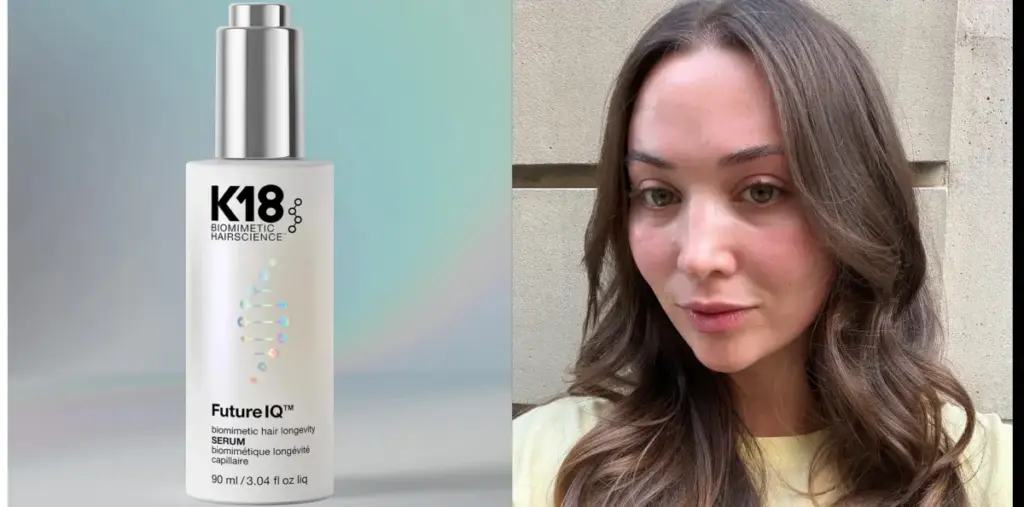
Central to this cultural and scientific pivot is K18’s latest market entry: the FutureIQ Biomimetic Hair Longevity Serum. Priced at $120, this advanced formulation steps away from the single-benefit approach of traditional scalp serums, targeting three distinct pillars of biological hair and scalp aging: graying, shedding, and scalp degradation. By leveraging biomimetic peptides, root-anchoring complexes, and robust antioxidant systems, the product bridges the gap between clinical biotechnology and daily cosmetic maintenance.
This article explores the rise of preventative hair aging, examining the science behind multi-action longevity serums, the consumer behaviors shifting the beauty landscape, and what a two-month trial of K18’s newest innovation reveals about the future of scalp health.

Detailed Chronology: The Evolution of Preventive Scalp Care
To understand how a 26-year-old beauty editor comes to prioritize hair longevity, one must look at the rapid evolution of haircare over the past decade. The trajectory from simple cleansing to molecular biology highlights a growing sophistication among everyday consumers.
Phase 1: The Surface-Level Era (Pre-2018)
Historically, mass-market and prestige haircare focused almost entirely on the hair fiber itself. Conditioners smoothed the cuticle, shampoos stripped away sebum, and styling tools subjected tresses to extreme thermal stress with minimal chemical defense. Scalp health was largely reduced to anti-dandruff solutions. Consumers reacted to damage after it occurred, relying on heavy silicones to mask structural compromise.
Phase 2: The Skincare-ification of Hair (2018–2022)
As the skincare industry boomed—educating the public on active ingredients, hyaluronic acid, chemical exfoliants, and skin barriers—consumers began demanding the same rigor from their hair routines. The concept of the "scalp as an extension of the skin" took hold. Scalp scrubs, clarifying shampoos, and hydrating serums flooded the market. Brands started talking about follicles, microbiomes, and sebum regulation. However, most treatments remained singular in their focus, typically tackling either hair shedding by boosting follicle circulation or soothing dry skin.
Phase 3: The Biotechnology and Longevity Boom (2023–Present)
The current era is defined by biomimetics, cellular longevity, and proactive intervention. Pioneered by brands like K18—which disrupted the market with its Leave-In Molecular Repair Hair Mask targeting polypeptide chains—the industry has pivoted toward deep structural repair and cellular defense.

The launch of the FutureIQ Biomimetic Hair Longevity Serum marks a watershed moment in this timeline. Rather than waiting for pigment cells to exhaust themselves or follicles to miniaturize due to chronic oxidative stress, modern formulations are engineered to intercept the biological clock. For younger generations who grew up hyper-aware of preventative skincare (wearing SPF daily since their teens, for instance), applying anti-aging treatments to the scalp in their mid-20s is simply the next logical step.
Supporting Context & Metrics: Decoding Hair and Scalp Aging
The biological aging of hair is a complex, multi-systemic process that involves the degradation of the scalp matrix, the reduction of melanin synthesis, and the weakening of the dermal papilla—the structure responsible for anchoring hair roots.
1. The Triad of Hair Aging
According to dermatological and trichological research, hair aging manifests across three primary dimensions:
- Scalp Aging (Photoaging and Oxidative Stress): Just like facial skin, the scalp suffers from UV exposure, environmental pollutants, and internal inflammation. Over time, the scalp loses collagen and elasticity, resulting in a stiffer micro-environment that struggles to nourish hair follicles adequately.
- Shedding and Follicle Thinning: As we age, or when subjected to repeated physical trauma (such as high-tension hairstyles, chemical processing, and heat styling), the dermal papilla weakens. Hair growth phases shorten, shedding increases, and individual strands grow finer (miniaturization).
- Graying (Canities): Gray hair occurs when melanocytes—the pigment-producing cells located at the base of the hair follicle—gradually lose their ability to produce melanin. This is heavily accelerated by oxidative stress, which damages cellular DNA within the hair bulb.
2. Consumer Demographics and Market Shifts
Market research data underscores a profound shift in consumer psychology:

- Early Adoption: Over 45% of consumers aged 18–34 report using anti-aging or longevity-focused hair products, a 30% increase compared to five years ago.
- Preventative Mindset: More than 60% of Gen Z and younger Millennial beauty buyers state they prefer products that prevent damage or aging over those that merely repair existing concerns.
- Scalp Care Integration: The global scalp care market continues to experience double-digit year-over-year growth, driven by the understanding that a healthy scalp is the prerequisite for vibrant, dense hair.
3. Product Efficacy: A Closer Look at K18’s MultiVital Technology
Traditional serums often rely on a single hero ingredient, such as minoxidil or a lone peptide, to stimulate growth. K18’s FutureIQ formula departs from this mono-ingredient model by utilizing MultiVital technology, which combines three key pillars:
- Biomimetic Peptides: Mimic natural cellular signals to support structural integrity and encourage a resilient environment at the root.
- Root Anchoring Complex: Designed to fortify the dermal-epidermal junction, securing the hair fiber more firmly within the follicle to combat premature shedding.
- Antioxidant System: Neutralizes free radicals and oxidative stress, protecting both the scalp tissue and the delicate melanocytes responsible for hair pigmentation.
Official Statements and Insider Perspectives
The philosophy of early intervention is championed by top-tier beauty editors and trichologists alike, who emphasize that prevention is exponentially more effective than reversal.
"Most serums I’ve tried focus on one thing: reducing hair shedding by creating a healthier environment for growth," notes Jasmine Hyman, Assistant Beauty Editor at Cosmopolitan, who tested the FutureIQ serum over a rigorous two-month period. "But K18’s latest innovation targets three major signs of hair aging: graying, shedding, and scalp aging. Rather than waiting for these concerns to show up, the formula is designed to address them proactively, which is exactly what I’m looking for in my mid-20s."
Hyman’s daily regimen reflects a holistic, modern approach to structural hair preservation. Alongside the longevity serum, her routine incorporates silk pillowcases to minimize mechanical friction and hair breakage during sleep, weekly deep-conditioning masks, and gentle detangling tools like the Tangle Teezer brush to avoid unnecessary pulling along high-tension zones—such as slicked-back ponytails that frequently cause traction alopecia around the temples and hairline.

Industry experts echo this sentiment, noting that modern stressors—ranging from relentless screen time and environmental pollution to chemical coloring and tight styling—place an unprecedented burden on the scalp. Experts emphasize that scalp skin ages up to six times faster than facial skin if left unprotected, making specialized antioxidant and peptide-rich serums an essential component of modern hygiene and grooming.
Future Outlook: Where Hair Longevity Is Headed
As biotechnology and cosmetic chemistry continue to merge, the future of haircare will undoubtedly mirror the hyper-customized, clinical standards of advanced skincare. Several key trends are poised to dominate the next decade:
1. Epigenetic Haircare
Future formulations will likely move beyond simple surface protection to influence gene expression within the hair follicle. By targeting the epigenetic factors that trigger premature graying and follicle dormancy, brands will offer solutions that can dynamically alter how hair ages on a molecular level.
2. Diagnostic Scalp Testing
Just as custom skincare brands utilize AI skin scans to formulate personalized serums, the haircare sector is moving toward diagnostic scalp analysis. Consumers will be able to test their scalp microbiome, oxidative stress levels, and collagen degradation rates at home or in salons, tailoring their longevity regimens with absolute precision.

3. Holistic Wellness Integration
Hair longevity will increasingly be viewed not just as a topical concern, but as an indicator of systemic internal health. Nutritional supplements, stress-management protocols, and anti-inflammatory diets will be prescribed alongside topical serums like K18’s FutureIQ to create a comprehensive defense against biological aging.
Conclusion
The emergence of hair longevity products marks the end of reactive haircare. For a generation that refuses to wait for damage to dictate their beauty routines, investing in proactive scalp health is as routine as applying sunscreen or a retinoid. While the ultimate proof of long-term interventions like delayed graying requires years of consistent use, the immediate benefits—reduced shedding, fortified roots, and a balanced, non-greasy scalp—prove that the science of aging-proofing your hair has finally arrived.