The contemporary luxury fashion landscape exists at a volatile intersection of commerce, high art, and cultural commentary. In an era saturated with ephemeral digital content and fleeting algorithmic trends, the traditional fashion campaign remains the ultimate statement of intent for major design houses. These curated visual narratives do more than merely showcase garments; they construct mythologies, signal tectonic shifts in creative direction, and cement the aesthetic ethos of the global elite.
This comprehensive analysis examines the most compelling, visually arresting, and commercially significant fashion campaigns of the current season. From the gritty, textural realism captured by Juergen Teller for Givenchy to the cinematic urbanity of Mert Alas’s work with Donna Karan, and the sleek minimalism championed by Robin Galiegue for Balenciaga, the industry’s premier image-makers have articulated a diverse spectrum of modern luxury.
By analyzing the synergy between legendary photographers—such as Glen Luchford, Zoë Ghertner, and Oliver Hadlee Pearch—and iconic heritage and avant-garde houses, this report dissects how visual storytelling drives consumer desire. We explore the structural themes uniting these collections, evaluate the strategic casting choices (including industry titans like Christy Turlington alongside fresh faces like Aluel Makuach and Malick Bodian), and provide an authoritative blueprint of where modern high fashion’s visual vocabulary is heading next.
Detailed Chronology of the Seasonal Campaign Rollouts
The unveiling of a major fashion house’s seasonal campaign is a meticulously orchestrated event, unfolding across global markets in distinct, strategic phases. Understanding the evolution of these visual packages requires examining the chronological sequence in which these narratives were brought to life by their respective creative directors and photographers.
Phase One: The Urban Revival and Heritage Resurgence
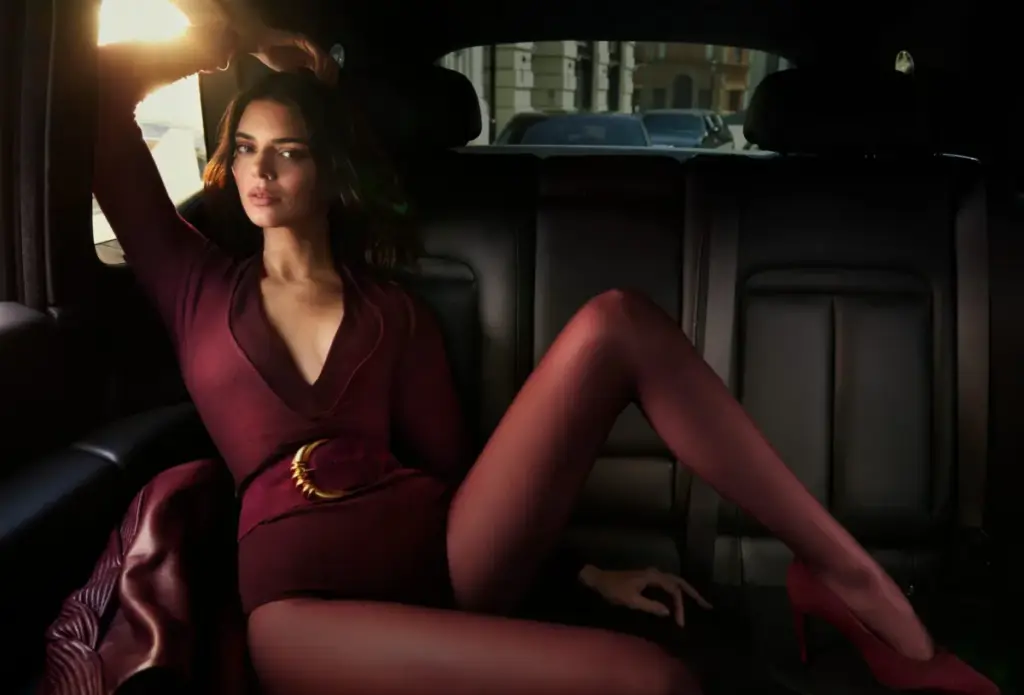
The season opened with a powerful nod to metropolitan grit and timeless sophistication. Donna Karan set an assertive tone early in the cycle, collaborating with renowned photographer Mert Alas. The resulting imagery—unveiled across global outdoor billboards and digital flagships—transported viewers to misty, car-lined city streets where models commanded the space in rich burgundy leather coats, oversized knit sweaters, and plush fur stoles. The narrative relied heavily on a cinematic palette of deep crimsons, smoke-filled backdrops, and the stark contrast of bright urban sunlight.
Simultaneously, Burberry tapped the visionary lens of Glen Luchford to anchor its seasonal narrative. Shifting away from pastoral British climes, Luchford’s lens captured models beneath illuminated bridges at night and young men in fur-collared leather jackets posing against vibrant urban backdrops. This phase established a dominant early-season motif: the juxtaposition of classic luxury outerwear against raw, nocturnal cityscapes.
Phase Two: Cinematic Monochromes and Architectural Precision
As the season progressed into its secondary rollout, houses such as Stuart Weitzman and Tom Ford shifted the paradigm toward architectural elegance and high-contrast drama. Stuart Weitzman’s campaign utilized striking black-and-white photography to spotlight its footwear and accessory lines. Featuring dynamic compositions—ranging from a dancer leaping gracefully against a soaring city skyline to studio portraits of models in cropped black turtlenecks and leather shorts—the imagery emphasized structural integrity, movement, and timeless sophistication.
In parallel, Tom Ford presented a masterclass in sensual, high-concept artistry captured by Stuart Winecoff. Starring breakout talents Aluel Makuach and Malick Bodian, the Tom Ford campaign featured avant-garde tableaus: a serious-looking man in a sharp striped shirt with a high-heeled shoe resting on his shoulder, and ethereal white-clad ensembles paired with minimalist clutches. This chapter challenged traditional gender binaries in luxury styling while maintaining an undeniable aura of polished opulence.
Phase Three: Subversive Realism and Minimalist Avant-Garde
The latter half of the campaign cycle introduced a wave of subversive realism and severe minimalism. Juergen Teller’s unmistakable directorial signature defined Givenchy’s latest visual dispatch. Shot against rugged, unpredictable terrain, the campaign featured models draped in fringe-accented floral dresses, blue leather tops paired with black skirts, and bold accessories like red clutches set off by pristine white scarves. Teller’s raw, unfiltered photographic style provided a gritty counterpoint to the polished studio work of earlier decades.
Concurrently, Balenciaga doubled down on austere futurism under Robin Galiegue. The imagery relied on stark, minimalist backgrounds that allowed bold red leather high-collar jackets and sleek, reflective black dresses to command absolute visual authority.
Closing out this extensive visual journey, Celine—through Zoë Ghertner’s lens—presented briskly moving figures in oversized hats and sharp black attire along cobblestone European streets, juxtaposed with quiet still-lifes of rich purple handbags resting beside vases of white peonies. Finally, Giorgio Armani rounded out the cycle with Oliver Hadlee Pearch capturing supermodel royalty Christy Turlington in sweeping green leather trench coats against neutral, timeless backdrops.
Supporting Context & Metrics: The Anatomy of Modern Campaign Impact
To truly understand the weight of these visual campaigns, one must analyze the economic and cultural metrics that govern modern luxury marketing. In the digital age, a campaign’s success is no longer measured solely by print magazine placement, but by its Earned Media Value (EMV), social media engagement rates, and its ability to drive tangible retail sell-through.
Fashion House
Lead Photographer
Key Talent / Muse
Dominant Aesthetic Theme
Primary Material Focus
Donna Karan
Mert Alas
Ensemble Cast
Cinematic Urbanity
Burgundy Leather, Fur, Knitwear
Burberry
Glen Luchford
Ensemble Cast
Nocturnal British Modernism
Weathered Leather, Tailored Outerwear
Stuart Weitzman
In-House / Studio
Ensemble Dancers & Models
Architectural Monochrome
Suede, Smooth Leather, Knit Separates
Tom Ford
Stuart Winecoff
Aluel Makuach, Malick Bodian
Avant-Garde Sensuality
Silk, Tailored Cotton, Metallic Accents
Givenchy
Juergen Teller
Ensemble Cast
Unfiltered Realism
Floral Prints, Blue Leather, Fringes
Balenciaga
Robin Galiegue
Ensemble Cast
Severe Minimalism
Structural Leather, Technical Fabrics
Celine
Zoë Ghertner
Ensemble Cast
Classic European Elegance
Wool, Structured Handbags, Silk
Giorgio Armani
Oliver Hadlee Pearch
Christy Turlington
Timeless Sophistication
Green Leather, Fluid Trench Fabrics
The Power of Collaborative Direction
The selection of the photographer is arguably the most critical strategic decision a creative director makes. The industry has witnessed a clear polarization between hyper-polished cinematic world-building (exemplified by Mert Alas and Glen Luchford) and raw, documentary-style anti-fashion (mastered by Juergen Teller).
Mert Alas brings an intoxicating, high-gloss glamour that elevates everyday urban environments into theatrical stages. His use of atmospheric smoke, high-contrast lighting, and rich jewel tones (particularly the pervasive use of burgundy across Donna Karan’s collection) directly correlates with a spike in consumer desire for statement outerwear.
Juergen Teller, conversely, strips away the artifice. By placing luxury garments on rugged, unpolished rocky terrain and utilizing natural, unfiltered lighting, Teller humanizes high fashion. This approach resonates deeply with younger, Gen-Z and Millennial luxury consumers who increasingly reject sterile perfection in favor of authenticity and character.
Oliver Hadlee Pearch and Zoë Ghertner represent the vanguard of understated elegance. By incorporating heritage icons like Christy Turlington, Armani bridges generational divides, proving that timeless grace holds immense commercial and emotional capital in an accelerated market.
Official Statements and Creative Insights
While visual communication speaks volumes, the creative directors and photographers behind these campaigns have increasingly utilized press releases and industry interviews to contextualize their artistic choices.
Commenting on the philosophy of balancing heritage with contemporary urgency, representatives for several of these storied houses have outlined clear visions for their respective brand trajectories:
"A great fashion campaign does not merely sell a dress, a shoe, or a handbag; it offers the consumer an identity, a fantasy of who they might become when they step out onto the pavement. We are returning to a narrative of strength, where structure, texture, and attitude supersede fleeting internet trends."
— Industry Creative Direction Consensus
Furthermore, the integration of diverse casting—highlighted by the prominent placement of global talents such as Aluel Makuach and Malick Bodian in the Tom Ford campaign—reflects a permanent structural shift in luxury marketing. Inclusion is no longer treated as an ephemeral checkbox, but as an essential element of modern aesthetic credibility. As noted in statements accompanying the seasonal rollouts, luxury houses recognize that their global clientele demands representation that mirrors the cosmopolitan reality of the world’s major cultural capitals—from New York and London to Paris and Milan.
Future Outlook: Where Luxury Visuals Are Headed
As we look toward upcoming seasons, the insights gleaned from these milestone campaigns offer a clear roadmap for the future of fashion marketing and visual culture.
The Convergence of Film and Stills: Static imagery is increasingly required to function as a storyboard for moving pictures. Campaigns like those from Donna Karan and Burberry are designed from inception to be easily translated into high-impact short films for TikTok, Instagram Reels, and digital out-of-home (DOOH) displays.
Tactile Materiality vs. Digital Fatigue: As consumers grow weary of AI-generated imagery and hyper-filtered digital environments, there is a renewed premium placed on genuine, tangible craftsmanship. Campaigns that emphasize heavy textures—such as distressed leather, deep knits, rich fur accents, and rugged natural backdrops (as seen in Givenchy and Stuart Weitzman)—will continue to capture outsized market attention.
The Enduring Value of Legacy Icons: The successful deployment of veteran supermodels like Christy Turlington alongside rising runway stars proves that multi-generational appeal is the gold standard for luxury houses seeking to secure both loyal high-net-worth buyers and aspirational younger demographics.
Ultimately, these campaigns prove that while the mediums of distribution may shift with technological innovation, the fundamental human desire for compelling storytelling, exquisite craftsmanship, and aspirational beauty remains entirely unchanged.