Executive Overview
For decades, the standard makeup application routine has suffered from an invisible enemy: poor lighting. Millions of cosmetics enthusiasts have experienced the sinking realization of crafting what looked like a flawless, seamlessly blended smoky eye or subtle contour indoors, only to step into natural daylight and discover an entirely different reality—streaky foundation, harsh lines, and overly dramatic blush.
Enter the modern era of the illuminated vanity mirror. Once a simple novelty featuring basic incandescent bulbs rimming a framed glass, the contemporary makeup mirror has evolved into a sophisticated, high-tech beauty tool. Integrated with clinical-grade LED technology, adjustable color-temperature settings, high-definition magnification, and smart connectivity, these devices are no longer reserved for professional backstage dressing rooms. They have become essential bedroom fixtures for anyone seeking precision, accuracy, and confidence in their daily grooming rituals.
Driven by advancements in solid-state lighting and consumer demand for professional-grade skincare and makeup application at home, the market for smart vanity mirrors is booming. Industry experts note that proper illumination is not merely a luxury; it is a foundational element of color theory application. As Dr. Tara Lalvani, founder of Beautifect, points out, "With proper lighting, you can apply makeup with much more precision. It makes it easier to match foundation and blend products seamlessly—so you’ll know exactly how you look before you step outside."
This comprehensive investigative report explores the evolution of the illuminated beauty mirror, examines top-rated products currently dominating the market, analyzes the technological features that separate high-end tools from basic gadgets, and forecasts the future of personal grooming technology.
Detailed Chronology: The Evolution of the Vanity Mirror
To understand the sophisticated LED mirrors sitting on modern dressing tables today, it is helpful to trace how humanity has sought to capture, reflect, and replicate light for the purpose of personal presentation.
The Pre-Electric Era: Natural Light and Candles
For centuries, personal grooming was strictly tethered to the sun. Ancient civilizations utilized polished obsidian, bronze, and eventually silvered glass, positioning their crude mirrors directly adjacent to windows to harness natural morning light. By the 18th and 19th centuries, dressing tables—often referred to as toilette tables—were strategically placed in rooms with optimal southern or eastern exposure. When evening events required grooming after dark, individuals relied on the warm, flickering glow of candles or gas lamps, accepting the inevitable color distortion and shadowing that came with low-intensity, high-warmth flames.
The Hollywood Golden Age: The Birth of the Theatrical Vanity
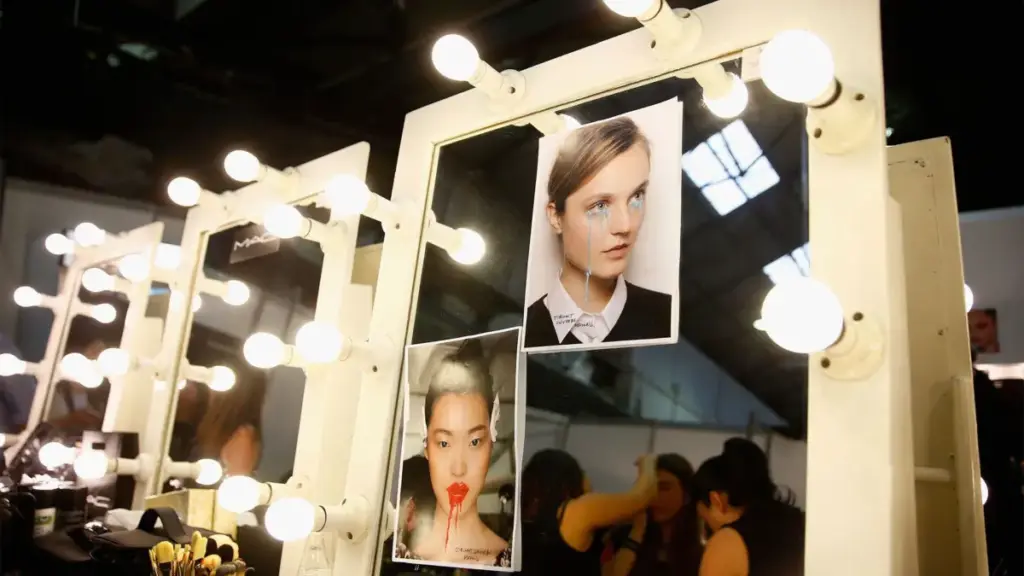
The true genesis of the modern lighted makeup mirror can be traced back to the theater districts of New York and London, and subsequently to Hollywood film studios during the 1920s and 30s. Makeup artists working under heavy studio lights needed a reliable way to see how actors’ faces would appear on camera.
This led to the invention of the professional dressing room mirror surrounded by exposed incandescent bulbs. Designed to eliminate harsh shadows by bathing the face in omnidirectional light, these iconic mirrors became symbols of glamour. However, traditional incandescent bulbs generated immense heat, consumed significant energy, and burned out rapidly, making them impractical for the average domestic bedroom.
The Fluorescent and Early LED Transition (Late 20th Century)
As residential architecture shifted away from sprawling dressing rooms toward compact suburban bathrooms, built-in vanity lighting often proved inconsistent. The late 20th century saw the introduction of mass-market cosmetic mirrors featuring compact fluorescent lamps (CFLs) or early-generation LEDs. While these iterations reduced heat emission, their color rendering index (CRI) was often poor, casting an unnatural, stark blue or green hue that distorted foundation undertones.
The Smart, High-Def Revolution (Present Day)
The past decade has witnessed a technological quantum leap. Fueled by the democratization of professional makeup artistry through digital video platforms and social media, consumers demanded studio-quality tools for home use. Engineers responded by integrating high-CRI LEDs capable of mimicking specific environmental lighting conditions—from bright midday sunlight to warm indoor restaurant lighting. Today’s top-tier mirrors feature smart sensors, rechargeable lithium-ion batteries, distortion-free optical glass, and multi-panel folding designs tailored to modern, mobile lifestyles.
Supporting Context & Metrics: The Science of Light and Color
Why is lighting so critical to cosmetic application? The answer lies in human visual perception and the physics of light color temperature, measured in Kelvin (K).
Understanding Color Temperature
- Warm Light (2,700K – 3,000K): Mimics standard indoor incandescent lighting or evening settings. It flatters skin tones by softening imperfections, but applying makeup under exclusively warm light often leads users to overcompensate with heavy foundations and darker contour powders when viewed in daylight.
- Neutral / Cool White Light (4,000K – 5,000K): Closely approximates natural midday sunlight. This spectrum provides the truest representation of color pigments, ensuring that foundation undertones (warm, cool, or neutral) match the skin precisely without unexpected oxidation or mismatching.
- Daylight / Blue-White Light (6,000K+): Replicates overcast outdoor conditions or bright office fluorescent lighting. It highlights fine details, making it ideal for precision tasks such as tweezing eyebrows, applying winged eyeliner, or executing intricate skincare routines.
Market Dynamics and Consumer Priorities
Recent retail data from leading beauty and lifestyle publications, including Glamour, highlights several key criteria that consumers prioritize when investing in an illuminated makeup mirror:
- Optical Clarity and Magnification: Standard 1x mirrors are essential for overall balance, but integrated 5x, 10x, or even 15x magnification zones are vital for detailed tasks like mascara application and blemish concealment.
- Portability vs. Stationarity: Consumers split into two distinct buying categories: those seeking heavy, feature-rich permanent vanity centerpieces, and travelers or apartment-dwellers requiring sleek, rechargeable compacts.
- Aesthetic Integration: Because these mirrors occupy prominent positions on bedroom dressing tables or bathroom counters, industrial design and materials—ranging from modern marble finishes to sleek brushed metals—play a massive role in purchasing decisions.
Official Statements & Expert Analysis
The integration of advanced lighting into daily wellness routines has garnered significant attention from beauty entrepreneurs, dermatologists, and product designers alike.
Dr. Tara Lalvani, visionary founder of the luxury beauty brand Beautifect, emphasizes the functional necessity of precision illumination in modern skincare and cosmetics:
"With proper lighting, you can apply makeup with much more precision. It makes it easier to match foundation and blend products seamlessly—so you’ll know exactly how you look before you step outside."
According to ergonomic and product development specialists, the psychological and practical impact of upgrading one’s lighting setup extends far beyond aesthetic vanity. In an era where remote work meetings, video calls, and high-definition digital documentation are ubiquitous, the margin for cosmetic error has narrowed significantly. An investment in a high-end makeup mirror is functionally an investment in professional presentation and personal confidence.
Furthermore, leading product testing teams, such as the beauty editors at Glamour, have established rigorous evaluation frameworks to separate marketing gimmicks from genuinely transformative tools. Every mirror evaluated in top-tier consumer guides is rigorously scored across multiple performance vectors:
- Size and Footprint: Ensuring the reflective surface is large enough to capture the entire face and neck without requiring awkward physical contortions.
- Lighting Versatility: The presence of customizable brightness levels and varied color temperatures to suit different times of day and social environments.
- Power Source Reliability: Evaluating whether units rely on cumbersome mains power cords, disposable batteries, or efficient, long-lasting USB-rechargeable lithium-ion batteries.
- Build Quality and Aesthetics: Assessing the structural integrity of hinges, the weight and stability of bases, and the overall visual appeal within domestic interior design schemes.
Market Spotlight: Industry-Leading Makeup Mirrors
Based on extensive hands-on evaluations by editorial testing panels, the following three products represent the pinnacle of current makeup mirror engineering, catering to diverse consumer needs, budgets, and aesthetic preferences.
1. Beautifect Glow Mirror
- Price Point: Approx. £149 – £159
- Target Audience: The beauty enthusiast seeking ultimate portability, intelligent design, and studio-grade illumination without cluttering the desk.
- Overview: The Beautifect Glow Mirror has rapidly emerged as a cult favorite among professional artists and consumers alike. Engineered to replicate true natural daylight with exceptional color rendering accuracy, it addresses the common frustration of uneven lighting. Its sleek, clamshell-style protective casing doubles as an adjustable stand, making it an exceptional hybrid device that transitions seamlessly from a permanent bedroom vanity fixture to a travel-friendly companion. The distortion-free optical glass, combined with intuitive touch-sensitive controls for dimming and color adjustment, establishes a high benchmark for portable luxury.
2. Simplehuman Sensor Beauty Trio Mirror
- Price Point: Approx. £300
- Target Audience: Tech-forward consumers and luxury buyers looking for uncompromising, automated performance.
- Overview: Representing the upper echelon of smart vanity technology, the Simplehuman Sensor Beauty Trio is packed with innovative features. It utilizes an intelligent tru-lux light system that automatically simulates over 50,000 color variations, allowing users to preview their makeup under exact environmental conditions—from candlelight at a dimly lit restaurant to bright fluorescent office lighting. Integrated motion sensors automatically illuminate the mirror the moment your face approaches, eliminating the need to fumble for switches. With multiple magnification levels built into its sleek tri-fold or multi-surface frame, it serves as a comprehensive, high-end grooming station.
3. Sensse Glow Up LED Modern Marble Mirror
- Price Point: Approx. £25.49 – £29.99
- Target Audience: Budget-conscious shoppers, students, and those seeking chic aesthetic integration.
- Overview: Proving that high-end functionality does not require a prohibitive price tag, the Sensse Glow Up LED Modern Marble Mirror offers impressive performance at an accessible entry point. Featuring a stylish contemporary marble-patterned base that complements modern bedroom decor, this mirror delivers bright, even LED illumination suitable for daily routines. Its adjustable tilt mechanism and reliable touch controls make it a practical, attractive addition to smaller vanity spaces, proving that essential beauty tech can be both stylish and economical.
Future Outlook: The Next Generation of Beauty Technology
As we look toward the future, the intersection of beauty care and smart technology promises even greater innovations. What can consumers expect from the next generation of illuminated makeup mirrors?
1. AI-Powered Skin Diagnostics and Color Matching
Future iterations of smart mirrors are expected to incorporate artificial intelligence and hyperspectral imaging. Imagine a vanity mirror that not only lights your face accurately but also scans your skin in real-time to track hydration levels, UV damage, and micro-texture changes. Furthermore, AI algorithms could analyze your skin undertone instantly and sync with cosmetic brand databases to recommend the exact foundation shade match, eliminating guesswork entirely.
2. Advanced Augmented Reality (AR) Integration
The boundary between physical reflection and digital display is beginning to blur. Emerging concepts in smart home technology include transparent OLED mirror displays capable of projecting digital makeup tutorials, step-by-step skincare routines, or virtual cosmetic try-ons directly onto the glass reflection while you apply products in real-time.
3. Sustainable and Energy-Efficient Materials
As environmental consciousness permeates the beauty and tech sectors, manufacturers are shifting toward fully recyclable aluminum chassis, modular LED components that can be easily repaired rather than discarded, and ultra-efficient solar-charging capabilities for portable travel mirrors.
Conclusion
The evolution of the makeup mirror from a basic reflective glass pane into a sophisticated, technologically advanced illumination tool underscores a fundamental truth about personal grooming: seeing clearly is the foundation of confidence. Whether combating the harsh fluorescent lights of an office building, preparing for an evening event under warm ambient restaurant glow, or simply striving for a seamless daily skincare routine, investing in a high-quality, lit vanity mirror transforms an everyday chore into a precise, empowering ritual. As lighting technology and smart features continue to advance, the illuminated mirror remains an indispensable cornerstone of the modern beauty regimen.