
Executive Overview
Be honest with yourself: how often do you lace up your running shoes, step out the front door, and immediately break into your target pace? For a vast majority of recreational runners, the ritual of warming up is skipped entirely. Shoes go on, a GPS watch is pinged for a satellite signal, and the workout begins from cold. It is a common shortcut born of time constraints, impatience, or simply a lack of education. Yet, this omission often announces itself loudly by the end of the first mile—manifesting as tight calves, shallow breathing, and persistent, nagging aches in the knees and hips.
As more runners take on endurance challenges—such as marathon seasons, local half-marathons, and weekly run clubs—sports scientists and veteran coaches are pushing for a cultural shift in how we approach the pavement. The consensus is clear: treating a warm-up as an optional luxury rather than a mandatory physiological prerequisite is an invitation to injury.

Drawing insights from structured training programs, popular fitness applications like Runna, and biomechanical research, this report explores the science of preparation. By integrating a straightforward, five-minute dynamic warm-up into your routine, you can bridge the gap between rest and high-intensity performance, safeguarding your joints and elevating your running efficiency from the very first stride.
Detailed Chronology: The Anatomy of a Runner’s Transition from Rest to Motion
To understand the necessity of a pre-run routine, one must first examine what happens inside the human body when transitioning abruptly from a state of sedentary rest to high-impact aerobic exercise.
Minutes 0–1: The Cold Shock
When you start running without preparation, your cardiovascular and musculoskeletal systems are forced to adapt instantaneously. At rest, your blood vessels are constricted, your core temperature is lower, and your synovial fluid—the natural lubricant within your joints—is viscous and sparse. Forcing your legs to absorb impact forces up to three times your body weight while in this cold state places acute, unnecessary stress on your cartilage, tendons, and ligaments.
Minutes 1–3: The Physiological Awakening
A proper dynamic warm-up initiates a controlled, gradual escalation. By moving joints and muscles through their full ranges of motion at a low intensity, you signal the cardiovascular system to increase heart rate progressively. Blood flow is redirected away from the digestive tract and toward the working skeletal muscles, delivering vital oxygen and nutrients. Simultaneously, synovial fluid begins to thin and circulate freely, coating the knee, hip, and ankle joints to minimize friction.
Minutes 3–5: Neuromuscular Calibration and Tendon Stiffening
The final phase of a targeted pre-run routine bridges the nervous system and the muscular system. Dynamic movements activate the neuromuscular pathways, sharpening your focus and reaction times.
Crucially, introducing light-impact, springy movements signals your tendons and ligaments to increase their tensile stiffness. Far from being a negative trait, tendon stiffness acts like a coiled spring, storing and releasing elastic energy with every stride. This natural shock absorption protects fragile joints—particularly the knees—making your running stride more efficient and significantly reducing the risk of acute strains or chronic overuse injuries.
Supporting Context & Metrics: The Science of Dynamic vs. Static Stretching
For decades, conventional physical education prescribed static stretching—holding a muscle in an elongated position for 30 seconds or more—before athletic events. However, contemporary sports science has heavily revised this paradigm.
The Case Against Static Stretching Before Running
Research has consistently shown that static stretching prior to explosive or endurance-based running can actually decrease muscular power output and dampen reflex sensitivity. When you statically stretch a cold muscle, you temporarily reduce its ability to contract forcefully and snap back, which can compromise your running economy and destabilize joints right when they need stability most.
The Power of Dynamic Movements
Dynamic stretching, by contrast, involves active, continuous movements that gently take muscles and joints through their full operational range without holding static end-ranges. Metrics from biomechanical studies reveal that dynamic warm-ups:
- Elevate Core Temperature: Raising internal body temperature by even one degree Celsius significantly improves metabolic efficiency within muscle tissue.
- Enhance Oxygen Kinetics: Improved blood flow accelerates the rate at which muscles can utilize oxygen, delaying the onset of early fatigue.
- Reduce Injury Rates: Runners who consistently perform dynamic multi-planar warm-ups report fewer instances of shin splints, plantar fasciitis, and patellofemoral pain syndrome.
Official Guidelines: The Five-Minute, Eight-Step Running Warm-Up Routine
Developed and refined through modern coaching frameworks, the following five-minute routine requires no equipment and can be performed virtually anywhere—whether you are stepping up to a treadmill at a commercial gym or gathering with a community run club on a crisp morning.
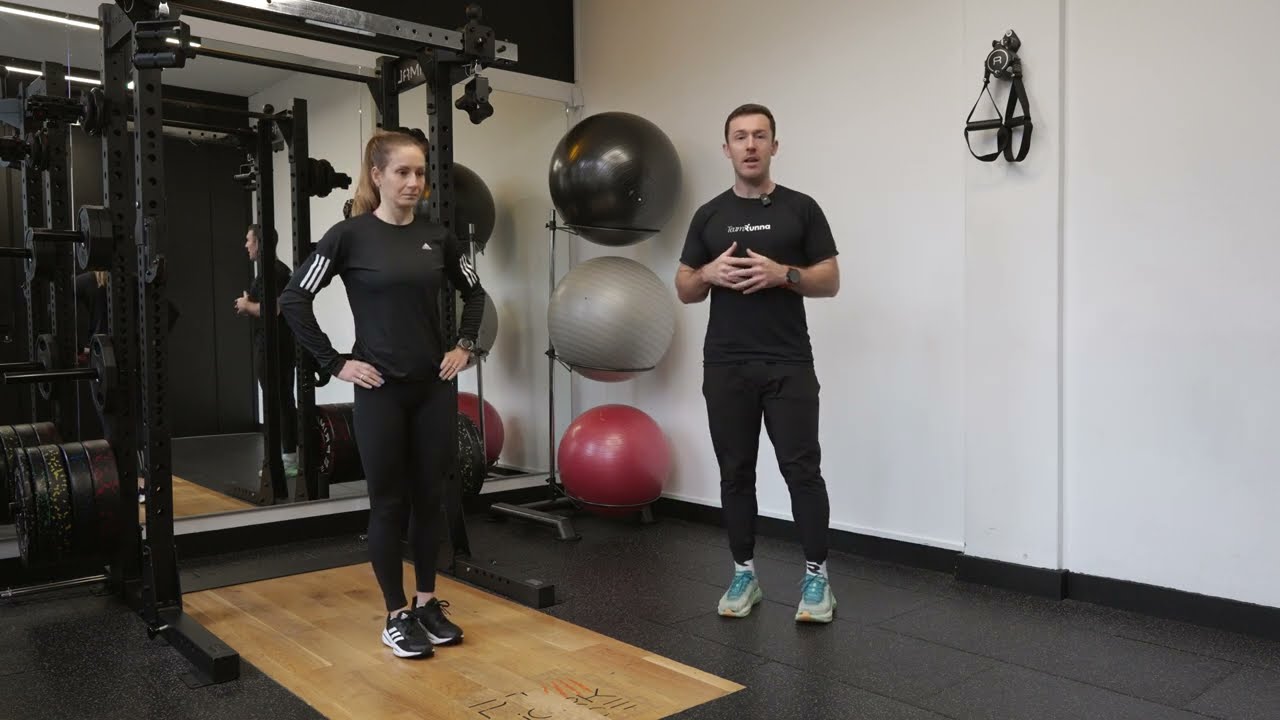
The routine consists of eight distinct dynamic movements. Perform each exercise for approximately 30 seconds, focusing on smooth transitions, controlled breathing, and gradual increases in range of motion.
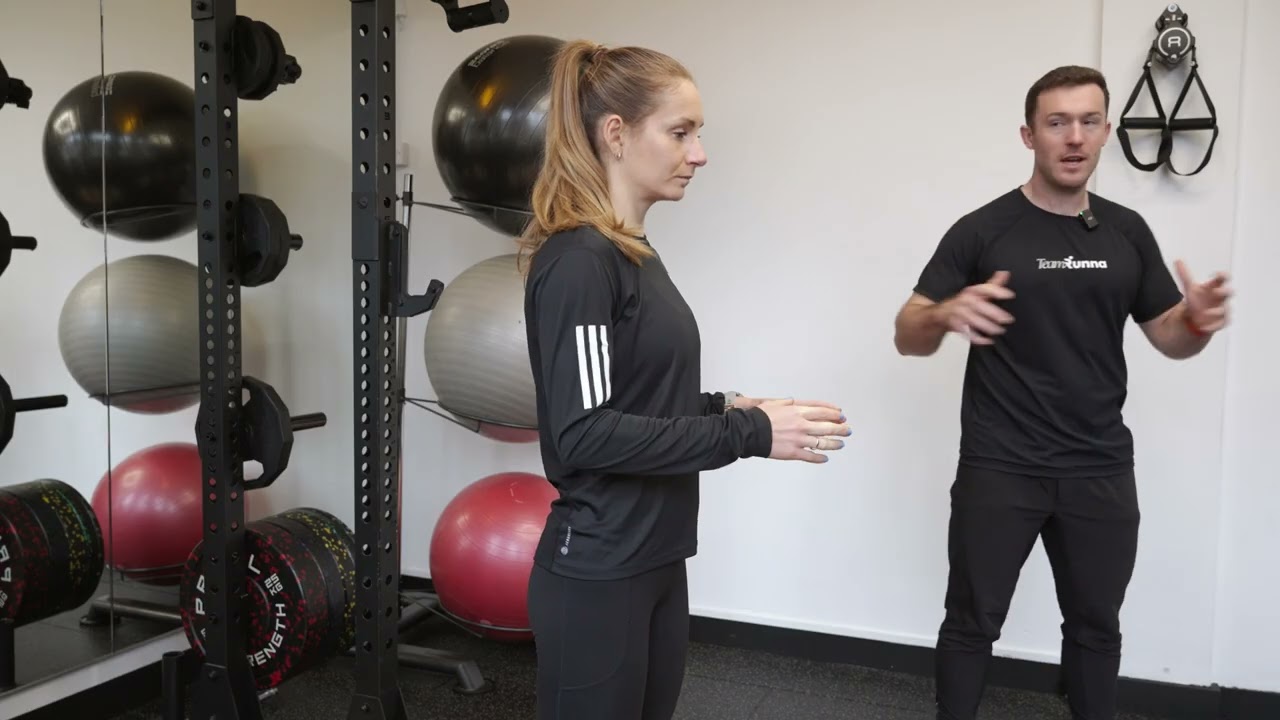
1. Torso Rotation (30 Seconds)
- Execution: Stand tall with your feet shoulder-width apart and arms relaxed at your sides. Gently swing your torso from side to side, allowing your arms to wrap loosely around your body and your back heel to lift as you pivot.
- Benefit: Wakes up the thoracic spine and core, promoting rotational mobility that mirrors the natural counter-swing of your upper body while running.
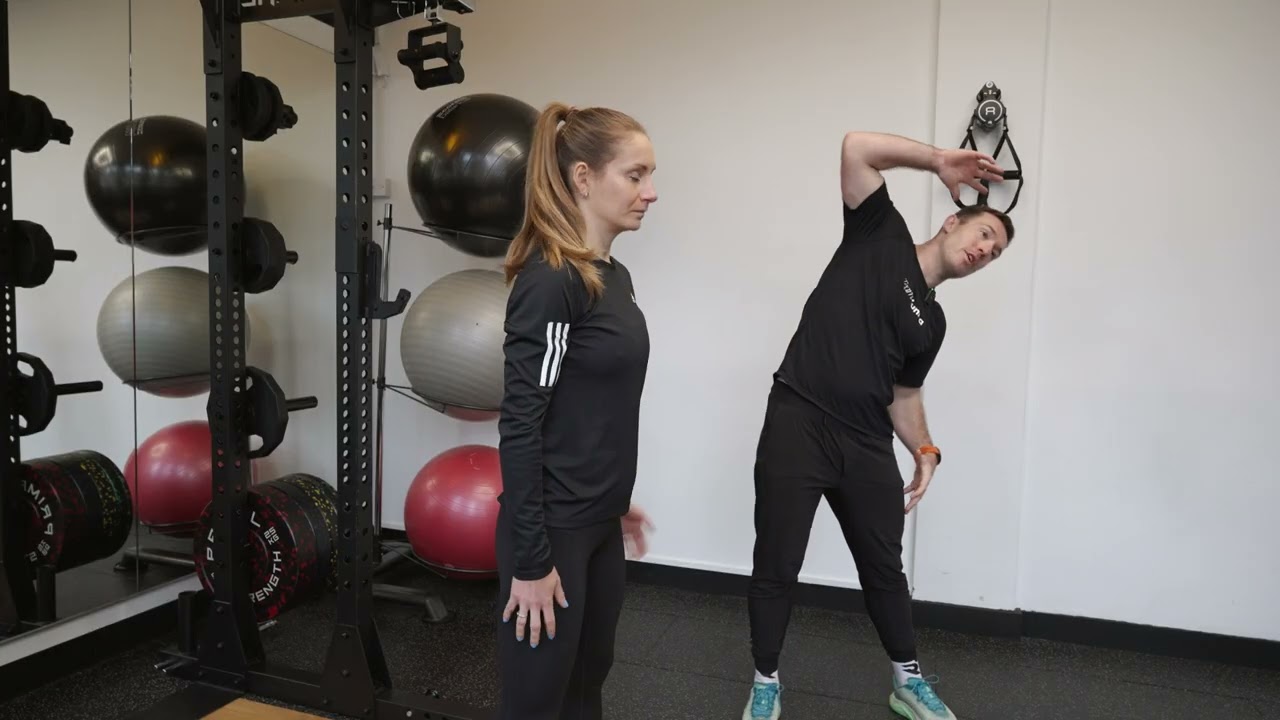
2. Side Bend (30 Seconds)
- Execution: With feet hip-width apart, raise one arm overhead and gently lean your torso to the opposite side, feeling a mild stretch along your flank. Alternate sides in a fluid, continuous motion.
- Benefit: Opens up the intercostal muscles between the ribs, improving chest expansion and promoting deeper, more efficient diaphragmatic breathing.
3. Standing Diagonal Toe Tap (30 Seconds)
- Execution: Stand upright, kick one leg up and across your body toward the opposite hand while maintaining a tall posture. Alternate sides rhythmically.
- Benefit: Engages the hip adductors and core while gently warming up the hamstrings and lower back.
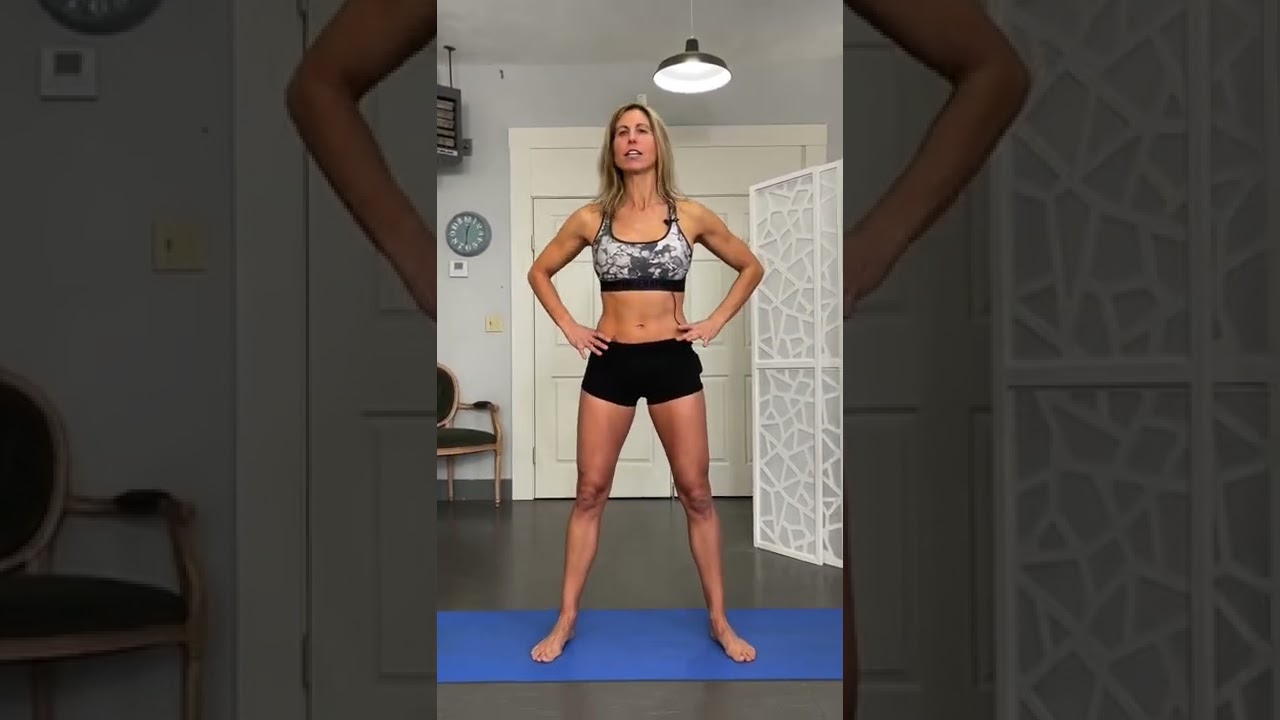
4. Hip Circles (30 Seconds)
- Execution: Place your hands on your hips and make wide, deliberate circles with your pelvis, shifting your weight smoothly around your base. Reverse direction halfway through.
- Benefit: Loosens tightness in the hip capsules and lower lumbar region, preventing stiffness that often leads to altered running gait.
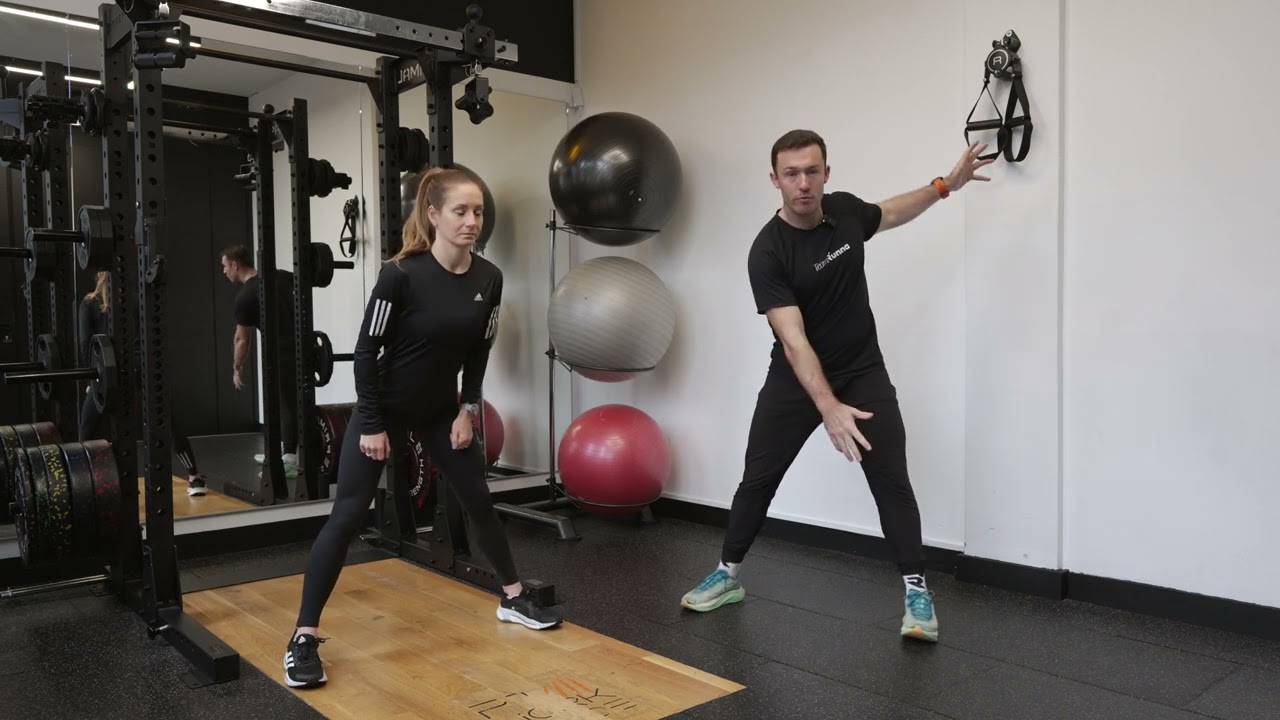
5. Open and Close the Gate (30 Seconds per side)
- Execution: Balance on your left leg, lift your right knee to hip height, and swing it outward in a circular motion (opening the gate). Reverse the motion by bringing your knee from the outside in (closing the gate). Switch legs.
- Benefit: Dynamically mobilizes the hip flexors, abductors, and groin muscles, preparing the legs for lateral stability and forward propulsion.
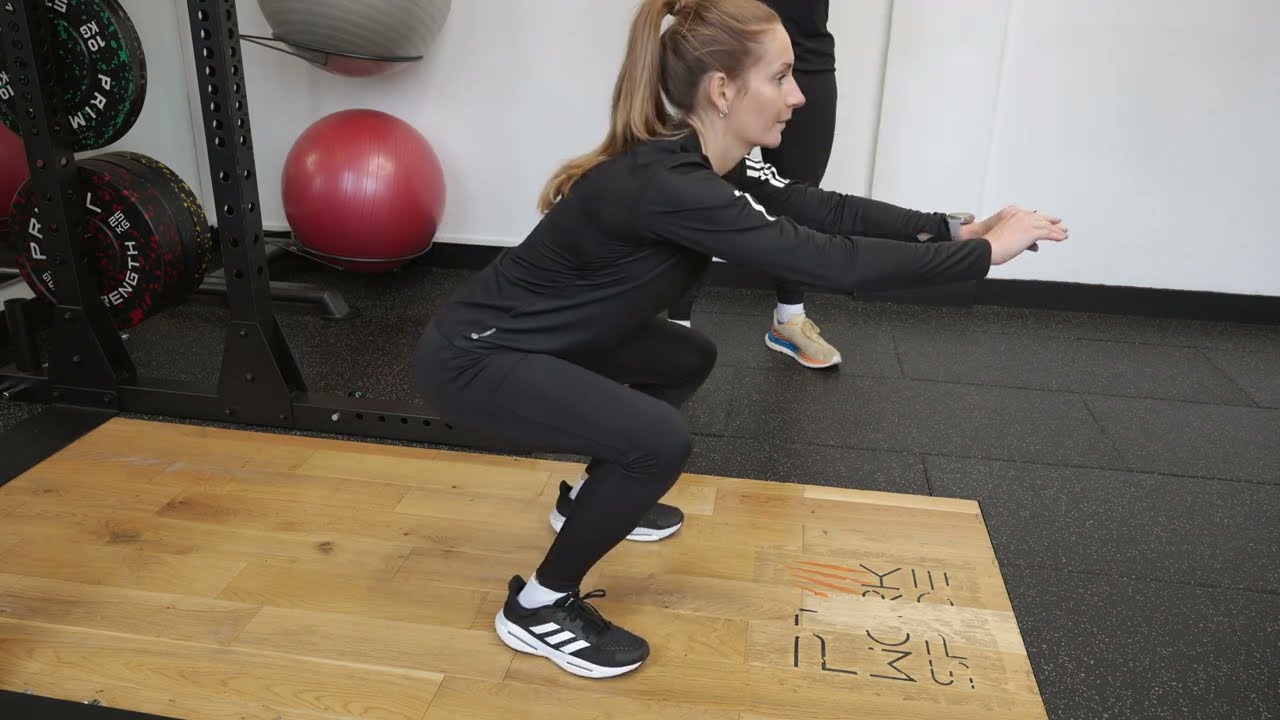
6. Squat into Calf Raise (30 Seconds)
- Execution: Lower your hips back and down into a controlled squat, keeping your chest up and heels on the ground. As you push back up to standing, rise smoothly onto your toes, lifting your heels high before lowering them back down.
- Form Tip: Initially, only lower into the squat as far as your current mobility allows, gradually increasing your depth as your joints warm up.
- Benefit: Activates the quadriceps, glutes, hamstrings, and calves while lubricating the ankle and knee joints.
7. Walking A-Skip (30 Seconds)
- Execution: Move forward with a high-knee skipping motion, driving one knee upward while pumping the opposite arm. Keep the movements deliberate and controlled rather than hyper-explosive.
- Benefit: Elevates the heart rate, reinforces good running posture, and primes the neuromuscular system for single-leg balance and coordination.
8. Pogo Jumps (30 Seconds)
- Execution: Perform small, springy, continuous hops on the balls of your feet, keeping your ankles relatively stiff and minimizing the time your feet spend in contact with the ground.
- Benefit: Stimulates the stretch-shortening cycle in the Achilles tendons and calves, building elastic springiness essential for an efficient running stride.
Future Outlook: Changing the Culture of Endurance Training
As the running community continues to grow—spanning diverse demographics from early-career runners in their twenties to seasoned veterans in their sixties—the conversation around longevity in the sport is evolving. Pushing through pain and treating injuries as inevitable rites of passage is rapidly losing favor.
Integrating a five-minute dynamic warm-up into weekly training schedules represents a shift toward smarter, more sustainable running habits. By prioritizing preparation, runners can protect their joints, enhance their mental focus, and unlock new levels of performance. Whether you are training for a competitive marathon abroad or simply trying to enjoy a pain-free Saturday morning jog around the neighborhood, the investment of five minutes on the pavement pays dividends with every mile that follows.