
Executive Overview
Stepping into a gym for the first time can feel inherently intimidating. Deciding what weights to lift, how many repetitions to perform, and understanding the precise threshold of how hard to push your body are universal hurdles for fitness novices. However, for the roughly 40 million Americans—representing approximately 12% of the total U.S. population, according to data from the Centers for Disease Control and Prevention (CDC)—living with diabetes, the landscape of physical fitness carries significantly higher stakes.
Diabetes is a chronic metabolic condition characterized by the body’s inability to produce sufficient insulin or utilize the available insulin effectively, resulting in chronically elevated blood glucose levels. While clinical research consistently demonstrates that regular physical activity is a cornerstone of effective diabetes management—improving insulin sensitivity, driving glucose metabolism, and helping maintain healthy blood sugar ranges—the execution is fraught with invisible hazards. Exercising too strenuously or haphazardly can trigger abrupt, potentially dangerous fluctuations in blood glucose, swinging precipitously from hyperglycemia (high blood sugar) to severe hypoglycemia (dangerously low blood sugar).
Despite these physiological landmines, fitness experts emphasize that a diabetes diagnosis should never be a barrier to a robust, active lifestyle. According to Garett Reid, a certified strength and conditioning specialist (CSCS) with the BetterMe app, there is "no inherent reason" why someone living with type 1 or type 2 diabetes cannot train with the same vigor, ambition, and diversity as anyone else. The caveat, Reid stresses, is not if you can train, but how you approach the process. By implementing adequate precautions and patiently tracking how the body responds to varying physical stimuli over time, individuals with diabetes can safely unlock the transformative power of exercise.
To help bridge the gap between medical guidance and practical gym application, BetterMe recently launched a specialized series of diabetes-friendly workouts developed in strategic collaboration with the prominent health charity Diabetes UK. Reviewed by Neil Gibson, senior physical activity advisor at Diabetes UK, these evidence-backed protocols provide a roadmap for navigating the gym safely. This article breaks down expert-backed strategies, examining how newly diagnosed individuals and seasoned gym-goers alike can modify their training routines, prioritize strength over chaotic cardio, and build long-term metabolic resilience.
Detailed Chronology: The Journey from Diagnosis to Sustainable Fitness
For anyone grappling with a fresh diagnosis of diabetes, the psychological adjustment can be just as overwhelming as the physiological one. When physical activity is introduced into this delicate transition phase, structure and pacing are paramount. According to Reid, the timeline of adopting an exercise regime must be approached with deliberate patience, particularly during the critical first month.
Phase 1: The First 30 Days — Cautious Calibration and Short Sessions
Long-term, individuals managing diabetes do not intrinsically need to alter their training styles permanently, provided they respect the body’s initial adjustment period. However, the first four weeks post-diagnosis require heightened vigilance.
During this initial window, fitness routines should be scaled back across every measurable metric. Reid advises his clients to deliberately shorten their workout durations, decrease overall intensity, and minimize training volume. The primary objective during this first month is not building maximum muscle or burning maximum calories; it is establishing a reliable feedback loop by closely monitoring how blood sugar levels react to physical stress.
An optimal workout during this foundational phase should last no longer than 30 minutes. Furthermore, workouts should feature generous rest intervals between exercises. Extended, grueling workout sessions lasting 60 to 90 minutes exert a far more dramatic and unpredictable effect on glucose levels, increasing the risk of acute blood sugar crises before the individual has learned how their unique metabolic system responds.
Phase 2: Building the Data Profile — Testing Before, During, and After
Not every person with diabetes requires continuous blood glucose monitoring. For instance, many individuals managing early-stage type 2 diabetes may not rely on glucose-lowering medications and thus have different daily monitoring protocols. However, for those who do track their levels, establishing a rigorous testing schedule around exercise is non-negotiable.
Reid recommends a three-pronged testing approach: check blood sugar levels 30 minutes before stepping into the gym, test immediately after completing the session, and perform a follow-up test two to four hours later. This disciplined data collection builds a comprehensive clinical picture of how specific physical movements impact the individual’s metabolism.
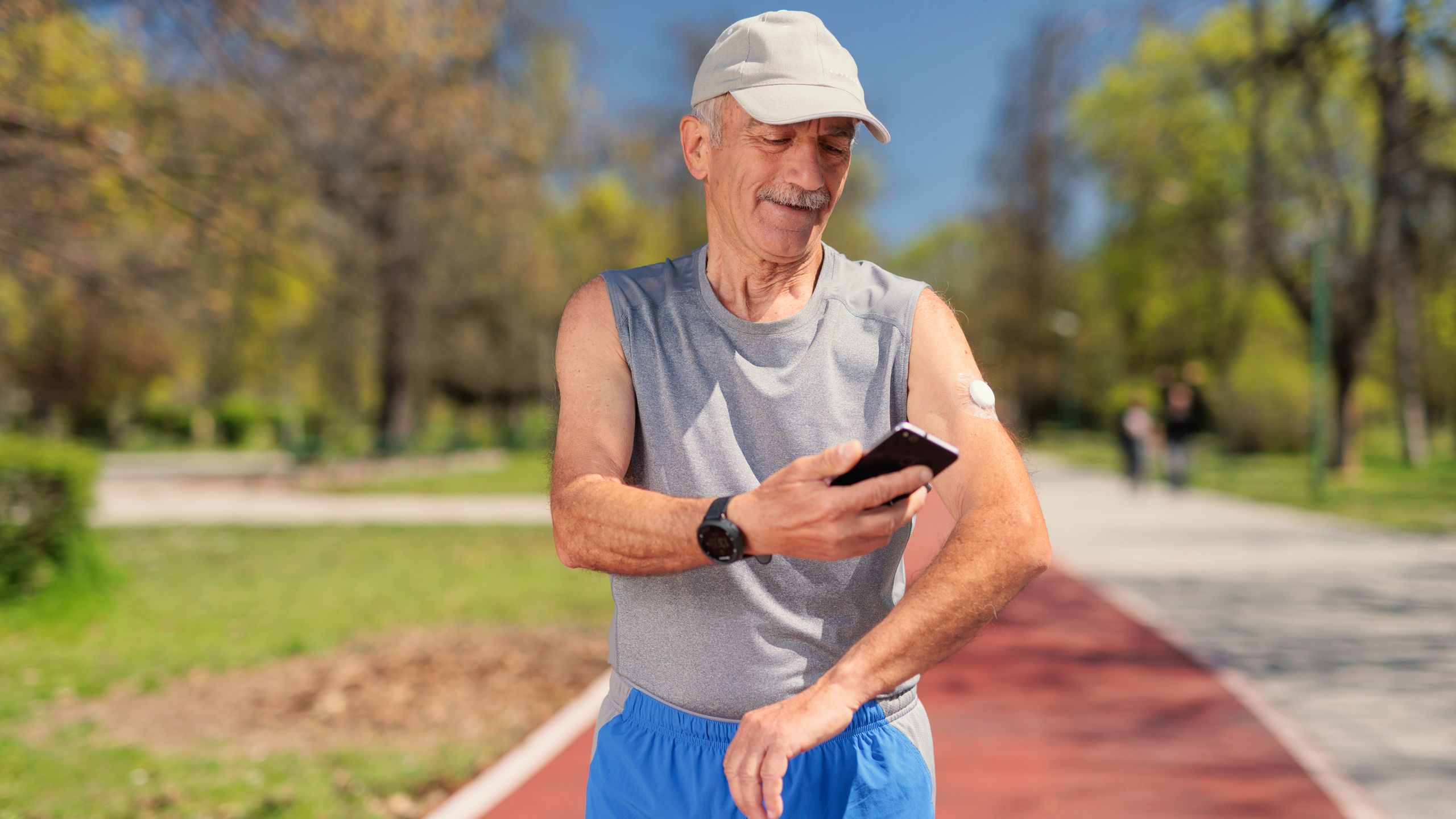
To operationalize this, modern digital health platforms like the BetterMe app incorporate automated audio reminders during guided workouts, prompting users to pause and check their blood sugar levels so they can adjust their intensity or take preventative measures in real time. Over weeks and months, tracking these fluctuations and maintaining a training log allows exercisers to recognize reliable metabolic trends. This accumulated self-knowledge is the foundational key that safely unlocks permission to gradually increase training intensity and duration.
Phase 3: Long-Term Progression and Advanced Training Modalities
Once an individual has successfully navigated their initial months of training and mastered how their body reacts to basic routines, they can cautiously begin exploring progressive overload—the gradual increase of weight, frequency, or duration.
However, Reid issues an important warning for those looking to switch up their training styles. If an individual has spent months exclusively engaging in strength training and suddenly decides to incorporate prolonged, steady-state cardiovascular exercise, they must treat it as a brand-new stimulus. Even though the body’s overall physiological response to exercise may have improved over time, a shift in modality—such as moving from lifting weights to running long distances—can provoke entirely different glucose fluctuations. Vigilant monitoring must remain a permanent fixture of any fitness progression.
Supporting Context & Metrics: The Physiology of Exercise and Blood Sugar
To truly understand why structured modifications are necessary, it helps to examine the underlying mechanics of how different types of physical activity interact with human metabolism.
The Dual Nature of Strength and Cardio
Both resistance training and cardiovascular exercise are powerful tools for improving insulin sensitivity—the degree to which cells respond to insulin to clear glucose from the bloodstream. However, they affect blood sugar through distinctly different physiological pathways:
- Resistance (Strength) Training: Lifting weights typically causes a temporary spike in blood sugar levels. This occurs because the body, under physical stress, releases stored glucose (glycogen) and stress hormones like cortisol and adrenaline into the bloodstream to fuel working muscles.
- Cardiovascular Training: Prolonged aerobic exercise, such as steady-state jogging, cycling, or swimming, is significantly more likely to decrease glucose levels as working muscles rapidly consume circulating blood sugar for energy.
The Power of Muscle Mass in Glycogen Storage
While both modalities are vital, strength training holds a unique and particularly advantageous position in diabetes management due to its ability to build and preserve lean muscle mass.
As Reid explains, approximately 80% to 85% of glycogen—the stored, complex carbohydrate form of glucose—is housed directly within skeletal muscle tissue. By increasing overall muscle mass through structured resistance training, individuals effectively expand their body’s biological storage capacity for glucose. Simply put, having more muscle mass acts as a physiological sponge, meaning there is less excess free glucose circulating hazardously through the bloodstream.
Furthermore, cardiovascular exercise improves overall cellular function, making existing muscle tissue work more efficiently and rendering it even more sensitive to insulin.
The Danger of Delayed Hypoglycemia
One of the most critical metrics for individuals with diabetes to monitor is what happens hours after a workout concludes. Testing blood sugar two to four hours post-exercise prevents rash decision-making, ensuring that the exerciser knows whether their glucose levels have normalized naturally or if dietary interventions or insulin adjustments are required.
Furthermore, increased post-exercise insulin sensitivity can persist for up to 24 hours, dramatically elevating the risk of delayed-onset nocturnal or delayed hypoglycemia.

Emergency Protocol: In the event of acute hypoglycemia—where blood glucose levels fall dangerously low during or immediately after exercise—Reid outlines a strict protocol: "Stop exercising immediately, consume 15 to 20 grams of fast-acting carbohydrates, wait about 15 minutes, then recheck your blood glucose. Only resume exercise once your levels have recovered and you feel well."
Official Statements and Expert Perspectives
The intersection of fitness and chronic disease management requires authoritative oversight. The collaboration between the BetterMe app and Diabetes UK represents a concerted effort to translate clinical guidelines into accessible, everyday fitness protocols.
Garett Reid, whose academic background includes a master’s degree in exercise science alongside his CSCS certification, emphasizes that fitness should be viewed as proactive healthcare. Having competed as an avid amateur athlete in demanding disciplines such as Strongman, Ironman triathlons, and surf ski racing, Reid is a passionate advocate for physical movement as medicine.
"One thing that should be very clear is that everything we say is a guideline," Reid notes, stressing the deeply individualized nature of the condition. "Diabetes is a very personalized condition, whether you have type 1 or type 2, or how far along you are, so everything should be very personalized. The general gist is to approach training to see how your body adapts, and that generally means lower intensity and shorter sessions."
To ensure clinical safety, all exercise frameworks promoted through this initiative have been rigorously reviewed by Neil Gibson, senior physical activity advisor at Diabetes UK. Gibson’s oversight ensures that digital fitness tools align with established endocrinological standards, offering peace of mind to users who might otherwise feel hesitant to enter a weight room.
Future Outlook: A New Paradigm for Chronic Disease Management
As digital health technologies continue to evolve, the integration of wearable continuous glucose monitors (CGMs), smartphone health applications, and expert-led coaching is revolutionizing how people with chronic conditions interact with fitness. No longer relegated to overly cautious, low-impact routines of the past, individuals with diabetes are increasingly empowered to embrace progressive resistance training, functional fitness, and athletic conditioning.
The paradigm shift is clear: diabetes is a condition to be managed, not a cage that restricts physical potential. By treating exercise as a precise, measurable science—where every repetition, minute, and blood glucose reading provides valuable data—individuals can harness the profound health benefits of movement safely.
Ultimately, while the benefits of exercise for people with diabetes vastly outweigh the inherent risks, healthcare professionals universally recommend consulting with a primary care physician, endocrinologist, or certified exercise specialist before launching any new fitness program. By establishing a personalized baseline, honoring the body’s unique recovery timelines, and prioritizing smart strength training, the 40 million Americans living with diabetes can confidently build stronger, healthier, and more resilient futures.