Executive Overview
In the ever-shifting landscape of contemporary beauty, trends typically adhere to predictable seasonal cycles: warm, terracotta-heavy bronzers and sun-kissed highlighters for summer; rich burgundies, deep plums, and matte chocolates for autumn and winter. However, the beauty zeitgeist has taken a remarkably ethereal and unexpected turn. Across red carpets, editorial spreads, and social media feeds curated by the industry’s top artists, shades of lavender, lilac, wisteria, and soft purple are experiencing a massive renaissance.
Far from being relegated to the icy, frosted eyeshadow palettes of the 1990s or the overly theatrical stage makeup of decades past, today’s iteration of purple is sophisticated, multidimensional, and surprisingly versatile. Spearheaded by celebrity makeup artists and adopted by style icons such as Zendaya, Laufey, and Tyla, the purple makeup trend has redefined how we approach color during transitional weather seasons.
This comprehensive report examines the cultural and aesthetic shift driving the purple makeup movement. By analyzing professional application techniques, expert styling choices, and the psychological appeal of cool-toned cosmetics, we explore why this whimsical yet modern shade has captured the imagination of the global beauty community—and how everyday beauty enthusiasts can successfully integrate it into their daily routines.

Detailed Chronology: The Evolution of Purple in Modern Beauty
To understand the current obsession with lilac and wisteria tones, it is essential to trace how purple transitioned from a dated novelty into a high-fashion staple.
The Nostalgic Roots
During the late 20th century, pastel purples and icy lavenders were ubiquitous, heavily tied to the pop culture landscape of the Y2K era. However, these early iterations often suffered from chalky formulas, minimal pigment payoff, and a tendency to look ashy on deeper skin tones or overly frosty on fair complexions. As makeup technology evolved into the 2010s, the industry pivoted heavily toward warm-toned neutrals—champagnes, coppers, and warm terracottas—leaving cool-toned purples largely dormant on the backburner of mainstream cosmetics.
The Editorial Resurgence
The revival began on high-fashion runways and within avant-garde editorial spaces, where makeup artists sought to break away from predictable monochromatic nude palettes. Visionary artists began experimenting with sheer, translucent washes of violet. Instead of packing dense, opaque powder onto the eyelid, modern techniques favored watercolor-like application—diffusing pastel purples across the skin to create a soft-focus, dreamlike effect.

The Celebrity Catalyst
The trend was solidified when high-profile trendsetters began wearing these ethereal hues to major cultural events. A-list celebrities and musical artists transformed purple from an experimental runway look into an accessible, highly coveted aesthetic. Whether through monochromatic coordination—matching eyes, lips, and cheeks in a harmonious wisteria tone—or through subtle placements on the outer corners of the eyes, these looks demonstrated that purple could be tailored to any personal style. Today, beauty enthusiasts no longer view purple as a daunting costume color, but as a chic, wearable alternative to traditional pinks and browns.
Supporting Context & Metrics: Decoding the Wisteria Wave
The explosion of interest in purple cosmetics is not merely anecdotal; it is supported by significant shifts in consumer behavior, product formulations, and digital engagement metrics across major beauty platforms.
The Shift Toward Cool Tones
For years, the beauty industry was dominated by warm palettes. However, color theory dictates that cool tones—particularly soft lavenders and pink-based purples—offer a unique brightening effect. On many skin tones, a touch of lavender acts as an optical brightener, neutralizing sallowness and adding a fresh, well-rested luminosity to the face. This functional benefit has driven a surge in consumer demand for multi-use lilac pigments, cream blushes, and sheer violet highlighters.

Digital Engagement and Aesthetic Communities
On platforms like Instagram and TikTok, hashtags related to pastel eye makeup, lavender blush, and editorial beauty have seen exponential growth. Industry insiders and independent creators alike have driven millions of impressions by showcasing how to tone down or amp up purple makeup depending on the season.
While traditionalists might argue that pastel purple belongs exclusively in the spring, modern beauty culture thrives on subverting these archaic rules. By pairing a delicate lilac lid with moody autumn textures—such as smudged black eyeliner, chunky knitwear, or deep mauve lip liners—wearers are successfully bridging the gap between whimsical spring aesthetics and edgy fall styling.
Expert Techniques: How to Wear Purple Now
Mastering the purple makeup trend requires a nuanced approach to placement, texture, and color pairing. Industry-leading makeup artists have championed several distinct methods for incorporating the trend into your daily repertoire, accommodating every comfort level from minimalist to maximalist.

1. The Subtle Lid Dusting
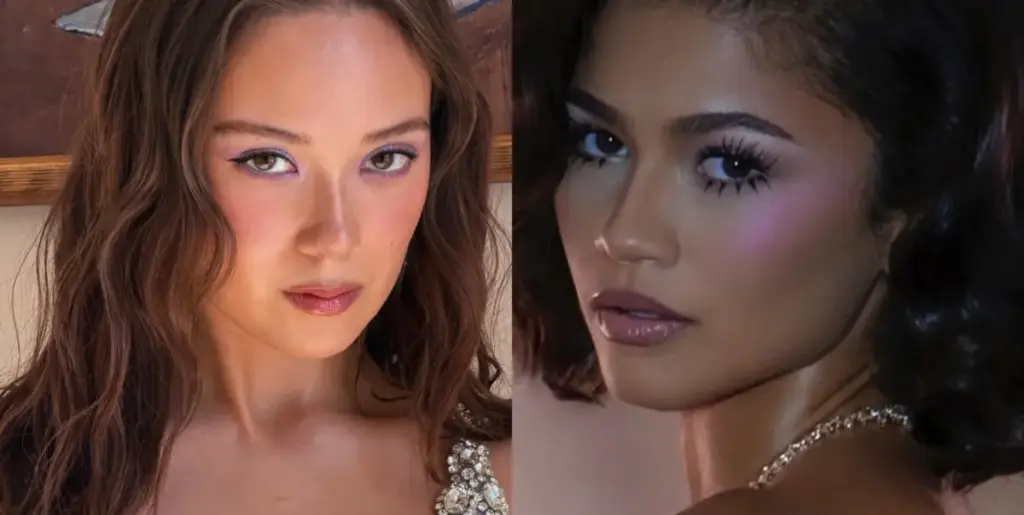
For those looking to dip their toes into the trend without committing to a dramatic look, a simple dusting of lilac shadow across the eyelids is the ideal entry point. This technique yields a delicate, precious finish that instantly opens up the eyes. To transition this airy spring shade into cooler weather, pair the lilac lids with a complementary mauvey blush and a matching mauve lip. This grounds the brightness of the purple, giving it a sophisticated, seasonless appeal.
2. The Outer-Corner Accent
Another foolproof method for wearing wisteria tones is focusing the color exclusively on the outer corners of the eyes. By dabbing a shimmery purple shadow just outside the inner corner or concentrating pigment on the outer wing, you create dimension and architectural interest without overwhelming the entire eye area. This technique works exceptionally well for individuals with hooded eyes or those who prefer a cleaner, more graphic approach to eye makeup.
3. Full-Spectrum Monochrome
For the bold and daring, monochromatic styling is the ultimate expression of the trend. Taking inspiration from red-carpet royalty, wearing matching wisteria tones across the eyes, lips, and cheeks creates a high-impact, cohesive visual statement. The key to successful monochrome makeup is varying the textures—combining a glossy lip, a satin cheek tint, and a shimmering or matte eyeshadow—to prevent the face from looking flat or overly uniform.

4. Bright Contrasts: Purple and Pink
While matching tones is chic, intentional color-blocking offers an electric alternative. Pairing a vibrant, shimmery purple eye look with a bright pink lip injects a dose of playful energy into your look. This high-contrast pairing defies traditional seasonal constraints, proving that vibrant, saturated hues have a permanent place in cold-weather beauty rotations.
5. The Smokey Lavender Shift
If a standalone lavender look feels too delicate or "spring-like" when contrasted with your dark, heavy autumn and winter wardrobe, anchor the color with a smokey element. You don’t need a complicated multi-shade smokey eye; even a simple swipe of smudged-out black or deep charcoal liner along the lash line will immediately grunge up the pastel purple, transforming it into an edgy, night-out-ready masterpiece.
6. Futuristic, Celestial Highlighter
Move over, golden-bronze highlighters. The avant-garde beauty scene has embraced sheer, lavender-shifting highlighters that catch the light with an otherworldly, futuristic glow. Swept across the high points of the cheekbones, a hazy purple highlighter delivers an anti-fall, celestial vibe that looks strikingly modern against clear, radiant skin.

Official Statements & Industry Perspectives
Beauty editors and professional makeup artists agree that the resurgence of purple marks a broader cultural pivot toward experimentation and emotional expression through cosmetics.
Industry veterans note that consumers are experiencing "neutral fatigue." After years of hyper-curated, hyper-minimalist "clean girl" aesthetics that relied heavily on beige, brown, and bronze tones, makeup wearers are craving joy, color, and artistic play. Purple occupies a unique psychological space: it bridges the passion and energy of red with the calm, meditative stability of blue. This duality makes it an endlessly fascinating color for self-expression.
Furthermore, professional makeup artists emphasize that modern cosmetic formulations have eliminated the historical hurdles of purple makeup. Finely milled pigments, buildable cream formulas, and hybrid skin-care-makeup infusions mean that purple eyeshadows blend seamlessly without chalkiness, and purple blushes melt effortlessly into the skin to mimic a natural, flushed radiance rather than a painted-on mask.

Future Outlook: The Longevity of the Purple Trend
As we look toward upcoming seasonal cycles, the momentum behind the purple makeup trend shows no signs of slowing down. What began as an experimental runway choice has successfully permeated consumer consciousness, fundamentally altering how we perceive cool-toned color cosmetics.
In the future, we can expect to see beauty brands expand their offerings beyond traditional powder eyeshadows, introducing multi-chrome liquids, tinted lip oils, and glosses infused with subtle violet micro-shimmers. The boundaries between seasons will continue to blur, encouraging beauty lovers to wear whatever makes them feel inspired, regardless of outdated color rules.
Ultimately, whether you choose to sweep a sheer wash of lavender across your lids for an effortless daytime look, carve out a smokey purple eye for an evening out, or dab a celestial wisteria highlighter onto your cheekbones, the purple renaissance proves that beauty is at its best when it is playful, daring, and deeply personal.