Executive Overview
For generations, the unwritten rulebook of women’s fashion functioned like a rigid sociological contract. Entering a new decade of life meant bracing for a mandatory wardrobe audit. Hemlines were expected to lengthen as birthdays accumulated; silhouettes were required to transition from playful to "tasteful"; and entire palettes—from vibrant neon hues to youthful micro-trends—were deemed strictly off-limits past a certain birthday.
Today, that archaic rulebook has been thoroughly shredded. As women across generations increasingly push back against the notion that growing older requires trading personal expression for conservative, "timeless" staples, the sartorial boundaries between age groups have dissolved. In contemporary culture, a woman in her fifties can step out in micro-shorts without drawing a second glance, while a woman in her thirties might happily embrace oversized silhouettes and relaxed linen trousers. Fueled by digital interconnectedness and social media, fashion has transformed from a top-down, age-segregated mandate into an open-source culture of cross-generational borrowing.
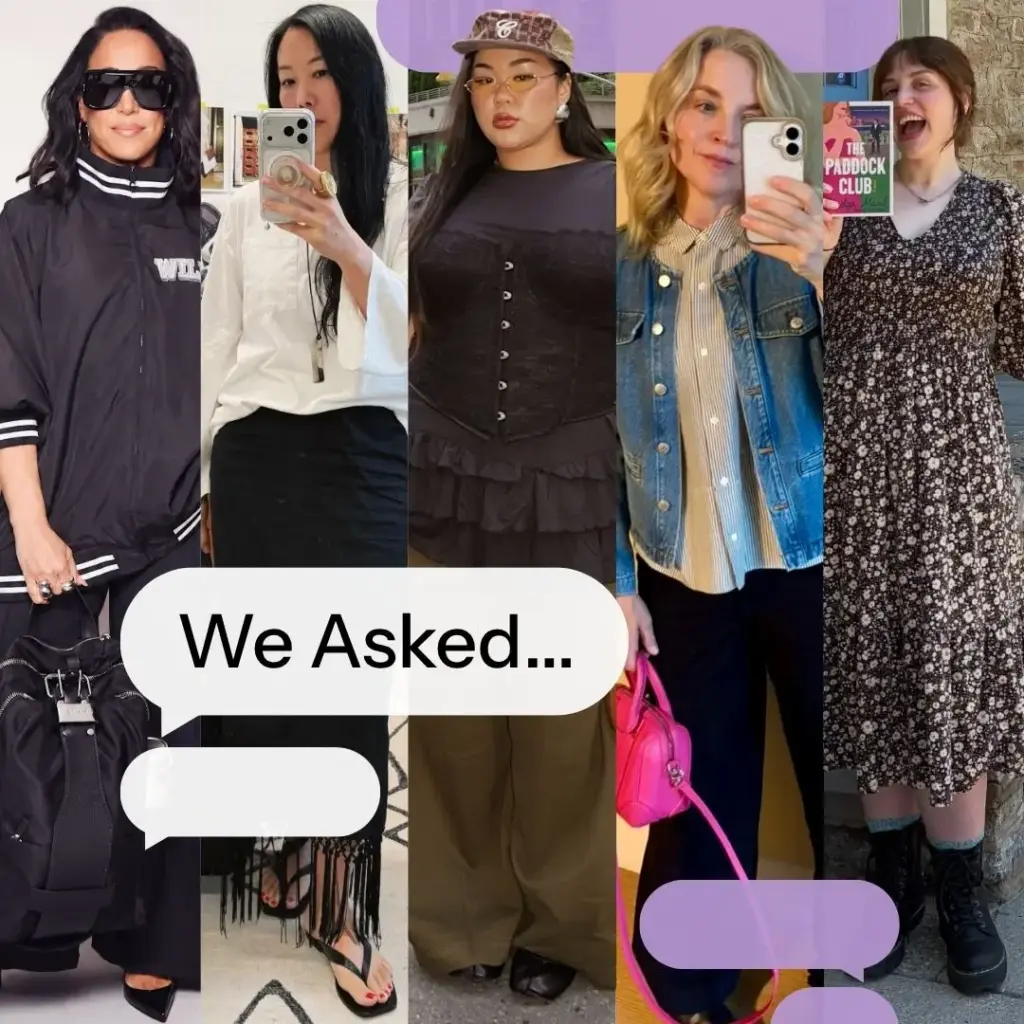
To investigate how modern women navigate personal style across different life stages, we spoke with five influential, stylish women. Their insights reveal a collective shift away from external validation and toward a philosophy rooted in intentionality, physical comfort, body literacy, and uncompromising self-possession.

Detailed Chronology: The Evolution of Personal Style Across Decades
To understand how contemporary style defies generational brackets, we examined how personal expression evolves across pivotal life stages, mapping the transition from early-adult experimentation to mid-life clarity and confidence.
The Late Twenties: Intentionality Meets Play (Meghan Q. Mai, 29)
Approaching the milestone of 30 often triggers an existential closet crisis. For content creator Meghan Q. Mai, the initial instinct was to assume that entering a new decade required abandoning color and playful pieces in favor of a hyper-minimal, polished wardrobe.
However, Mai quickly recognized that such constraints were entirely self-imposed. "The more I sat with that idea, the more I realized I don’t actually believe in it," she shares. "I love a timeless, tailored outfit, but I also love colorful prints, oversized jorts, and fun sneakers. Neither feels more or less ‘grown-up’ to me."

For Mai, style has not become smaller or more subdued with age; rather, it has become deeply intentional. By prioritizing garments that inspire confidence over external expectations, her daily uniform balances comfort with statement-making pieces:
- Footwear: Colorful, high-personality sneakers (such as Adidas Sambas and Puma Speedcat OGs) paired alongside versatile, pointed kitten heels from Dolce Vita and Naturalizer.
- Accessories: Large carryall bags (like the Coach Soft Empire Carryall 48) paired with chunky, maximalist jewelry from My Perlitas and playful beaded statement necklaces.
- Staples: Longline denim shorts (such as Gap’s mid-rise options) paired with structured blazers and vintage-inspired frames from YesGlasses and Mosanana.
The Forties: Refinement and the Slouchy Uniform (Joyce Lee, 48)
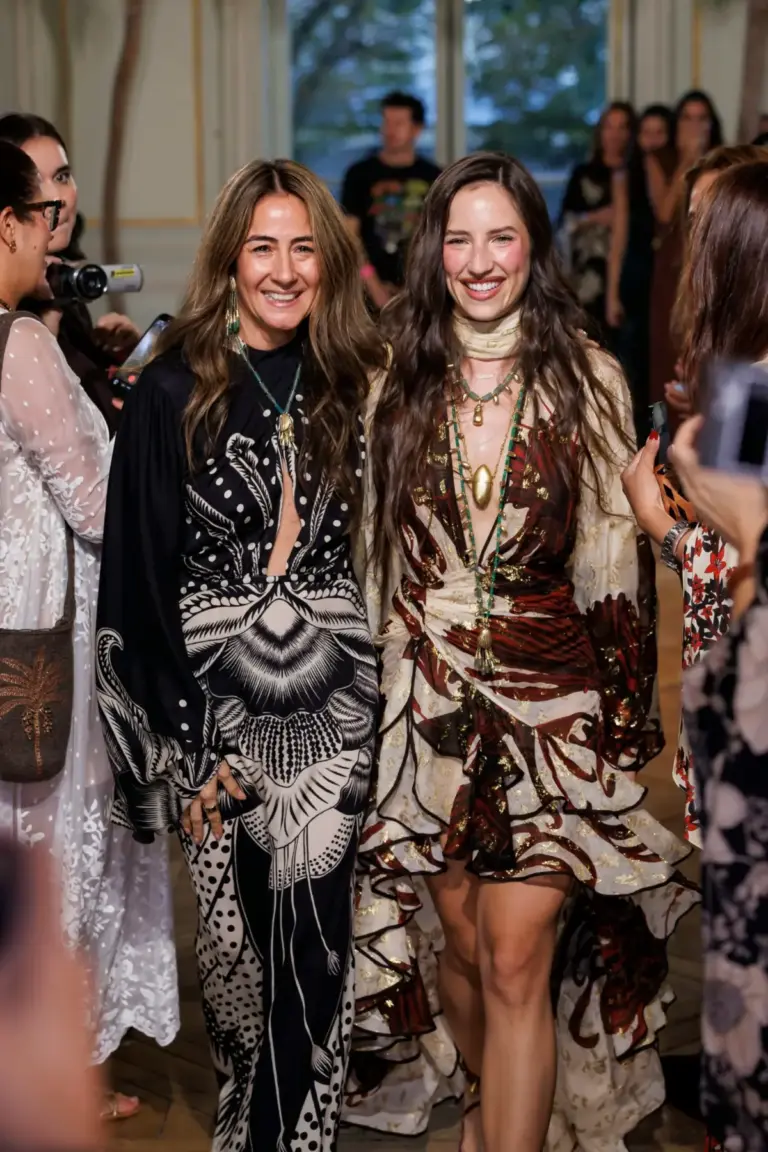
By the late forties, personal style frequently transitions from experimentation to absolute clarity. Joyce Lee, creative director of Parker Thatch and author of the Time Less Substack, views this era as a period of editing rather than reinventing.
"The older I’ve gotten, the more I’ve refined my personal style," Lee explains. "I know the silhouettes I feel best in, the pieces I reach for most, and what deserves a place in my closet." Lee’s signature look centers on a slouchy, boyish uniform enlivened through careful styling, statement outerwear, and thoughtful accessory choices.

- Foundational Bottoms: Relaxed, lived-in denim from B-Sides and statement taffeta barrel pants by Chan Luu.
- Hard-Working Tops: Menswear-inspired oversized button-downs from Chava Studio and Gap, worn tucked in, layered over tanks, or styled open like lightweight jackets.
- Third-Piece Outerwear: Command-driven silhouettes, including the Roucha Janssen trench jacket and structured leather bombers.
The Fifties: Celebrating Strength and the Luxury of Muscle (Dany Garcia, 57)
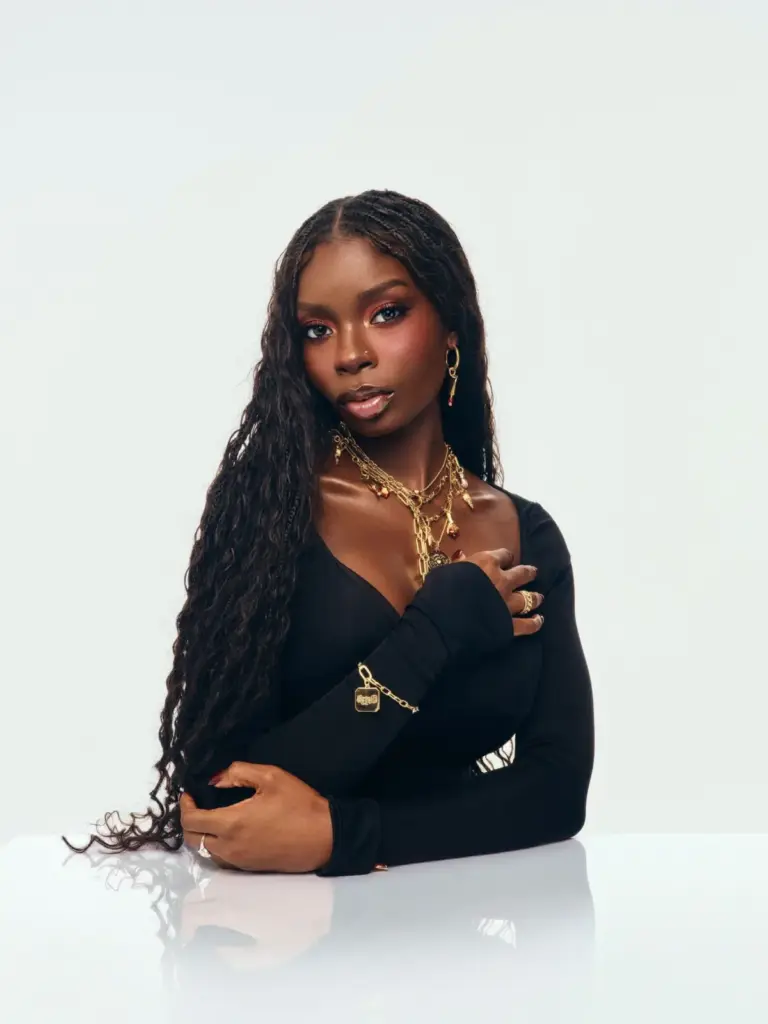
Entering her fifties brought a profound physiological and psychological shift for Dany Garcia, founder, CEO, and chairwoman of The Garcia Companies and Danimás. Having pursued competitive bodybuilding in her forties, Garcia learned to celebrate her physical form for its capability rather than just its aesthetic.
"As my physique changed, so did my relationship with getting dressed," Garcia notes. "I came to realize that muscle is the ultimate luxury. It cannot be bought, inherited, or borrowed. It is a status symbol earned purely through time, discipline, and relentless investment."
Garcia’s wardrobe acts as a deliberate frame for her strength, pairing power pants (such as La Ligne’s Colby trousers and Free People barrel jeans) with floor-length wool coats from The Frankie Shop and tailored pantsuits from Argent. By incorporating functional yet fashion-forward accessories—such as Danimás weightlifting gloves—she blurs the line between high-fashion presentation and athletic discipline.
.png)
The Thirties: Comfort, Agency, and Personal Anchors (Madge Maril, 32)
For romance author Madge Maril, turning thirty coincided with significant physical changes, including knee surgery that permanently altered her relationship with clothing. "I’m no longer interested in being uncomfortable," Maril reflects. "I like who I am. I like clothes that are so my style that when I’m hanging out with friends or family, I’m only thinking about them. Fully present."
Maril relies on tactile, breathable fabrics and personal anchors rather than rigid trends:
- Textiles: Breezy linen and cotton pieces, including culottes from Damson Madder and machine-washable dresses from Merlette.
- Sentimental Accessories: Layered chains featuring a gold can-tab charm alongside Little Rooms’ "Forever Intertwined" pendant.
- Fragrance: Warm, unconventional scents like Pearfat Parfum’s Bread + Roses.
The Mid-Fifties: Trend-Agnostic Practicality (Cheryl Wischhover, 55)
Journalist, former nurse practitioner, and author of the Good for Your Age Substack Cheryl Wischhover approaches style through the lens of lifestyle and bodily ease. "I don’t consciously think about my age when I’m deciding what to wear," Wischhover explains. "It’s all about lifestyle and how I’m feeling in my body at the moment."

Having adopted a strictly trend-agnostic uniform, Wischhover prioritizes ease without sacrificing individuality:
- Denim & Basics: Pull-on barrel jeans from Gap Factory paired with an extensive collection of button-down shirts from COS, J.Crew, and Old Navy.
- Footwear: Practical footwear that minimizes strain, including New Balance 327 sneakers, Merrell fisherman sandals, and Sorel Mary Jane loafers.
- Vision Accessories: A rotating collection of quirky reading glasses from Caddis and Zenni Optical.
Supporting Context & Metrics: The Shift in Consumer Behavior
The anecdotal experiences of these five women reflect a broader structural transformation in the retail and fashion landscape. Market analyses indicate that consumers aged 35 to 60 represent the most economically influential demographic in fashion, yet they have historically been underserved by marketing tropes that dictate age-appropriate behavior.
- The Rise of Comfort-First Luxury: Sales data across direct-to-consumer and mid-tier retail sectors show a sustained surge in demand for relaxed tailoring, elastic-waist structured trousers, and orthopedic-adjacent footwear (such as fisherman sandals and retro trainers). Consumers are increasingly unwilling to sacrifice physical comfort for fleeting trend compliance.
- Cross-Generational Shopping Habits: E-commerce data confirms that demographic silos have collapsed. Brands traditionally associated with younger buyers—such as Free People, Reformation, and various streetwear labels—frequently report high conversion rates among shoppers over 50, while younger demographics enthusiastically thrift vintage tailoring and classic outerwear.
- The Longevity of Wardrobe Staples: Rather than replacing entire wardrobes every season to match age-specific trends, modern consumers are investing in durable, versatile anchor pieces—such as leather carryalls, structured trench coats, and high-end denim—that transition seamlessly across decades of life.
Official Statements and Industry Perspectives
The dissolution of age-based fashion rules has prompted commentary from designers, cultural critics, and entrepreneurs who view wardrobe curation as an evolving act of self-authorship.
.png)
"To me, dressing your age is about treating your strength as your finest accessory, honoring the woman you’ve become, and giving yourself the confidence to keep evolving."
— Dany Garcia, CEO and Chairwoman, The Garcia Companies"There’s an inner peace that comes with getting older and growing into yourself. I still love fashion as a form of self-exploration… but I’m no longer interested in being uncomfortable."
— Madge Maril, Author, The Paddock Club
Industry leaders note that retail design is finally catching up with this reality. Brands are moving away from restrictive sizing and patronizing age-category marketing, pivoting instead toward silhouettes centered on versatility, individual fit, and ergonomic luxury.

Future Outlook: What Lies Ahead for Modern Style
As we look toward the remainder of the decade, the concept of "dressing your age" is projected to become entirely obsolete. Several key trajectories are shaping the future of personal style:
- Eradication of Age-Gated Categories: Retailers will likely continue to dismantle age-based classifications on e-commerce sites, organizing inventory instead by fit, fabric utility, and aesthetic archetype.
- Prioritization of Ergonomic Aesthetics: The fusion of comfort and high fashion—exemplified by stylish walking shoes, supportive barrel pants, and lightweight breathable textiles—will solidify as a permanent baseline rather than a passing trend.
- The Amplification of Personal Narrative: As social media and independent publishing platforms (such as Substack) continue to decentralize style inspiration, individual wardrobes will increasingly serve as autobiographical archives rather than reflections of seasonal age brackets.
Ultimately, the modern style consensus is simple: the best outfit is the one that allows the wearer to move through the world with absolute confidence, physical ease, and total authenticity—regardless of the year they were born.