Executive Overview
As the fashion industry transitions between meteorological and sartorial seasons, the perennial question facing consumers is no longer merely what to wear, but how to curate a wardrobe that bridges the gap between enduring utility and transient runway trends. In an era defined by economic scrutiny, hyper-fast consumption cycles, and an increasingly discerning consumer base, the role of the fashion director has shifted from that of an absolute dictator of taste to a strategic investment advisor.
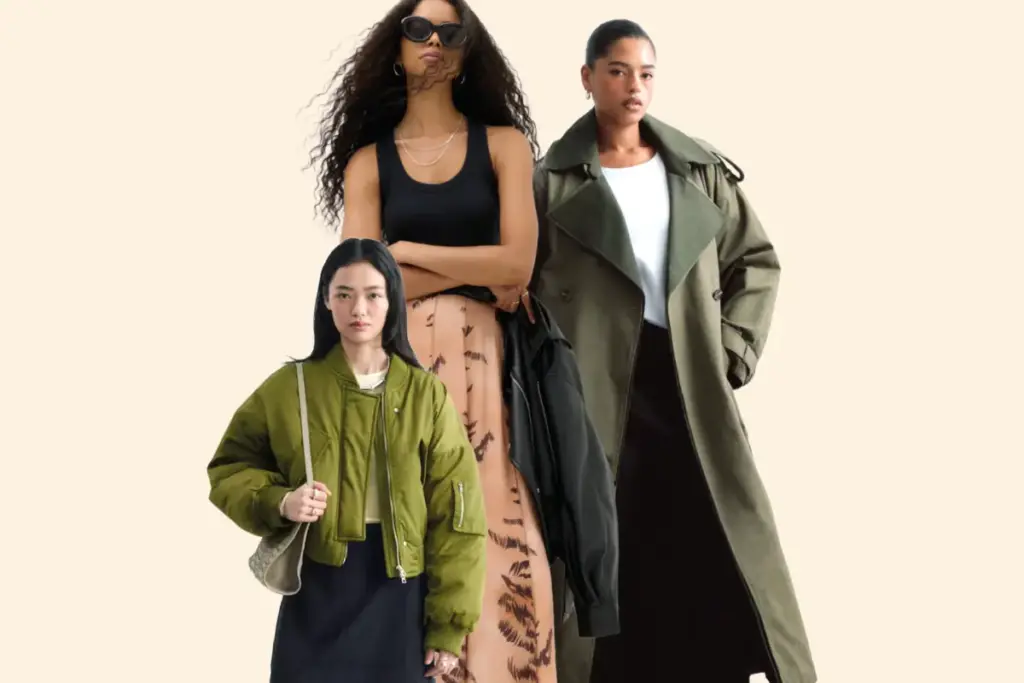
Recent insights curated by leading style authorities suggest a decisive pivot away from micro-trends toward intentional, high-impact wardrobe updates. Rather than demanding a total seasonal overhaul—a practice that is both financially prohibitive and environmentally unsustainable—top-tier stylists are championing a targeted approach. By identifying thirteen key trends that encapsulate the zeitgeist of the upcoming season, fashion directors are empowering consumers to revitalize existing closets with minimal additions that yield maximum visual and functional return.
This report provides an exhaustive investigation into the mechanics of modern seasonal styling, dissecting the thirteen essential trends identified by industry insiders. We examine the socio-economic factors driving these choices, the structural shift toward "smart shopping," and the underlying psychology of how we build identities through our clothing in an increasingly digitized world.
Detailed Chronology: The Evolution of Seasonal Wardrobe Planning
To understand how the modern fashion calendar operates, one must trace the evolution of seasonal curation from the rigid, twice-yearly Paris and Milan runway presentations of the 20th century to the agile, highly responsive digital ecosystem of today.
Phase 1: The Traditional Runway Model (Pre-2010s)
Historically, the fashion industry operated on a strict six-month lag. Designers debuted collections for Spring/Summer or Autumn/Winter months before they hit retail floors. Consumers waited patiently, relying on glossy print magazines to dictate which colors, silhouettes, and fabrics would define the upcoming months. The wardrobe was treated as a monolith: winter coats were packed away in cedar chests, replaced entirely by lightweight summer linens.
Phase 2: The Fast-Fashion Acceleration (2010–2020)
The proliferation of fast-fashion conglomerates and the rise of digital-native vertical brands compressed this timeline drastically. Seasons dissolved into micro-trends, often changing on a weekly or bi-weekly basis. While this democratized trend access, it led to severe consumer fatigue, ballooning textile waste, and a widespread devaluation of garment craftsmanship. Wardrobes became cluttered with disposable pieces that disintegrated after a handful of wears.
Phase 3: The Contemporary Curation Era (Present Day)
Today, fashion directors operate in a hybrid reality. Climate unpredictability, coupled with a cultural reckoning over sustainability, has given rise to the "trans-seasonal" wardrobe. The current approach—exemplified by the curation of foundational capsule pieces combined with high-impact seasonal anchors—represents a maturation of the consumer mindset.
When style directors identify a definitive list of key items (such as the current thirteen-trend blueprint), they are not merely selling clothes; they are offering a framework for edited consumption. The modern chronology of wardrobe updates is continuous rather than compartmentalized, focusing on strategic additions that integrate seamlessly with pre-existing garments.
Supporting Context & Metrics: The Economics of Intentional Styling
The shift toward curated, trend-led wardrobe updates is backed by compelling economic and behavioral data within the global retail sector.
Consumer Spending Shifts
According to recent retail analytics from major market research firms, post-pandemic consumer spending on apparel has undergone a structural polarization. While spending on ultra-cheap, disposable fast fashion has faced scrutiny among Gen Z and Millennial demographics, investments in mid-tier contemporary labels and investment-grade staples have risen steadily.
- The 80/20 Rule of Wardrobe Investment: Stylists increasingly advise a ratio where 80% of the wardrobe consists of timeless, high-quality foundations, while the remaining 20% is dedicated to high-impact seasonal trends. This protects consumers from trend obsolescence.
- The Cost-Per-Wear Metric: Consumers are calculating the value of garments not by their initial ticket price, but by their projected longevity and versatility. A trend piece that can be styled across three distinct seasons holds exponentially more value than a single-occasion novelty item.
The Sustainability Imperative
The environmental cost of the textile industry remains a critical backdrop to any discussion on seasonal trends. Textile waste accounts for millions of tons of landfill debris annually. By promoting a targeted list of thirteen key trends—pieces designed to elevate existing wardrobes rather than replace them—fashion directors are actively participating in the "reduce and reuse" paradigm.
When consumers buy into a curated list of trends that prioritize versatility, fabric durability, and modular styling, they naturally curtail the impulse to over-consume. The goal is to make the existing wardrobe feel "new-season relevant" through styling innovation rather than sheer volume of purchases.
Official Statements & Expert Analysis
Industry leaders, retail executives, and editorial directors frequently weigh in on the philosophy behind seasonal trend curation. Their insights shed light on the psychological and professional dimensions of personal style.
"We are living through a period of immense stylistic pragmatism," notes a leading European fashion director. "Consumers no longer want to be told who to be by a mood board that bears no relation to their daily lives. When we curate a list of key trends, our objective is to provide a vocabulary of style—elements that can be plugged into a working professional’s existing wardrobe, whether they are heading to a board meeting, working remotely, or attending an evening event."
Another prominent stylist emphasizes the emotional resonance of updating a wardrobe:
"Clothing is armor, but it is also a form of personal renewal. Changing seasons trigger a psychological desire for a fresh start. By introducing a carefully selected handful of directional pieces—be it a specific shade of outerwear, an unexpected texture, or a reimagined silhouette—we trigger that sense of excitement without demanding a complete reinvention of the self."
Retail psychologists point out that the human brain responds positively to novelty, but finds comfort in familiarity. A successful seasonal transition balances these two psychological impulses: the thirteen-trend framework offers the necessary novelty to stimulate visual interest, while anchoring those trends in functional silhouettes that respect the wearer’s established comfort zone.
Future Outlook: The Next Decade of Wardrobe Curation
As we look toward the future of fashion retail and personal styling, several transformative forces are poised to reshape how we integrate seasonal trends into our daily lives.
1. Artificial Intelligence and Hyper-Personalization
The future of wardrobe curation will increasingly leverage AI-driven styling assistants. Rather than relying on a generalized list of thirteen trends disseminated via print or digital media, consumers will soon interface with algorithms trained on their specific body types, lifestyle demands, and existing wardrobes. These tools will cross-reference runway trends with closet inventories, generating personalized seasonal update lists that minimize redundancy and maximize relevance.
2. The Rise of Circular Fashion Integration
Trend forecasting is merging with the circular economy. Future seasonal updates will not only suggest new purchases but will heavily feature recommendations for renting, buying secondhand, or upcycling existing garments to achieve the desired runway look. The thirteen key trends of tomorrow will be evaluated as much for their circular potential (ease of recycling, durability, resale value) as for their aesthetic appeal.
3. Fluidity and Functionalism
As hybrid work models solidify and global climates become increasingly volatile, the strict demarcation between seasons will continue to dissolve. Future trends will prioritize extreme adaptability—garments that regulate temperature, transform through modular attachments, and transition effortlessly across diverse social contexts.
Conclusion
The pursuit of a new-season-relevant wardrobe does not require an exercise in mindless consumerism or financial strain. As demonstrated by the strategic curation of foundational seasonal trends, the modern approach to style is an exercise in intelligence, discernment, and creativity. By focusing on high-impact updates that breathe new life into established classics, fashion enthusiasts can navigate the ever-shifting currents of style with confidence, sustainability, and enduring elegance.