Executive Overview
Reality television has long traded in the currency of the sensational, editing hundreds of hours of raw footage down into dramatic, digestible narrative arcs for global audiences. Yet, occasionally, the stories left on the cutting room floor prove far more compelling than those beamed into millions of living rooms. Such is the case with Love Is Blind: UK Season 3, a social experiment that continually pushes the boundaries of modern courtship. While viewers were treated to the emotional highs and lows of six primary couples whose journeys dominated the broadcast, a staggering truth remained hidden beneath the surface: a total of 14 engagements took place within the pods.
With only 30 singles entering the pods at the inception of the experiment, a mathematically staggering 14 engagements mean that nearly every participant found their match sight unseen, leaving a mere two individuals to exit the process single. This unprecedented high conversion rate of pod romances to marriage proposals immediately raises questions about the psychological intensity of the environment and the validity of accelerated emotional attachment.
While cameras tracked six of these couples as they transitioned from the sterile, pod-based isolation to the sun-drenched retreats and reality-infused domesticity of the real world, eight engaged couples vanished from the televised narrative entirely. For weeks, the fates of these ghost couples remained a matter of intense speculation within online fan communities. However, the mystery began to unravel when one of these untelevised couples stepped forward to share their remarkable story.
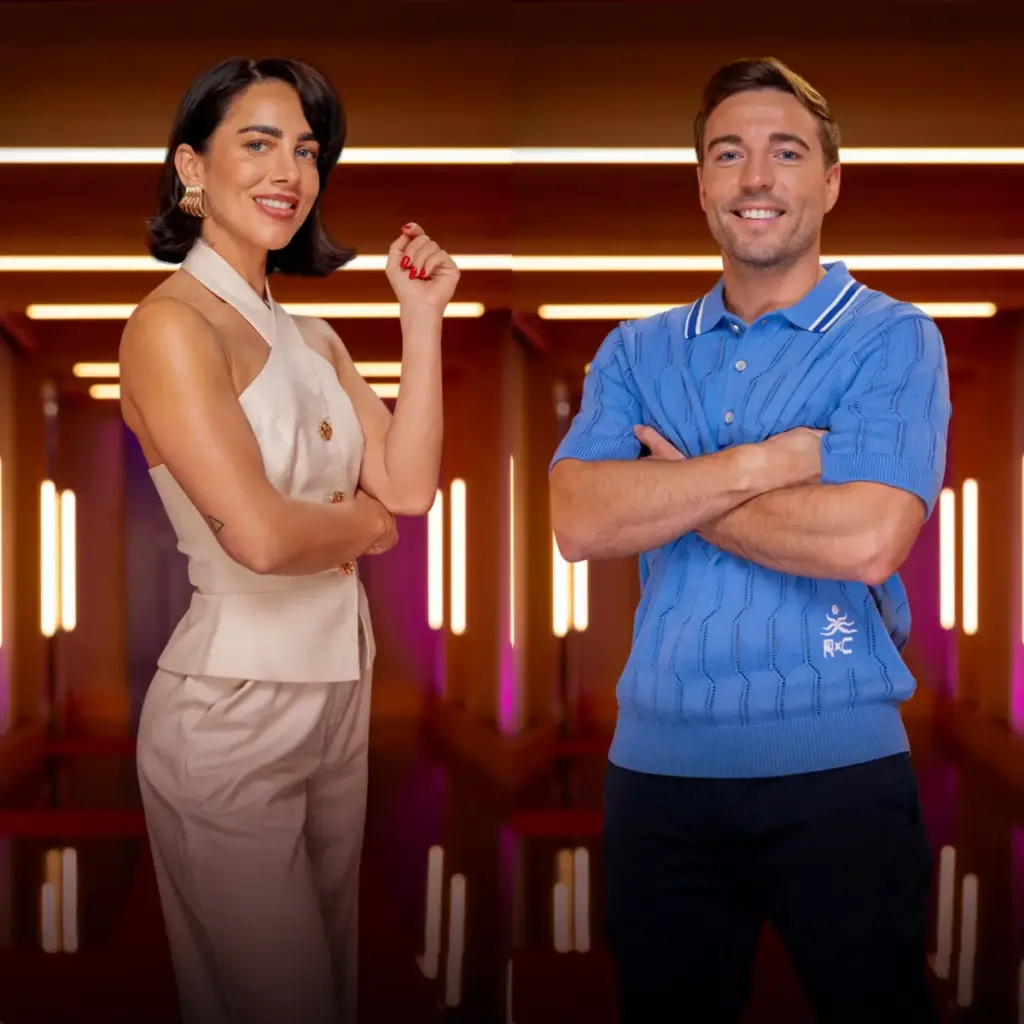
Sammy Harper, a 31-year-old well-being coach, and Jonathan Harrold, a 32-year-old tech recruiter, shattered the silence by revealing not only their own flourishing relationship—marked by rapid milestones, including adopting a puppy, a pregnancy, and navigating profound personal loss—but also the stark reality faced by the rest of their cohort. According to Harper and Harrold, none of the other seven untelevised engaged couples managed to survive the harsh transition into everyday life, with relationships dissolving within hours or days of leaving the pods.
This comprehensive investigative report delves into the mechanics of Love Is Blind: UK Season 3’s hidden romances, examines the unprecedented statistical anomalies of the season, and explores the psychological toll of participating in a social experiment where the cameras capture only a fraction of the emotional reality.
Detailed Chronology: From Pods to Real-World Reality
The timeline of Love Is Blind: UK Season 3 is a masterclass in compressed emotional development, but the journey experienced by Sammy Harper and Jonathan Harrold transcends the standard television narrative. To understand how a couple whose engagement was entirely omitted from the final broadcast has managed to outlast the majority of their on-screen peers requires a careful examination of their timeline—from their initial audio-only interactions to their current status nearly a year later.
The Genesis of a Connection: Inside the Pods
When Harper and Harrold entered the pods, neither anticipated that their lives would be irrevocably altered. Unlike relationships that are carefully constructed and paced for broadcast entertainment, Harper and Harrold’s connection developed away from the direct pressures of the primary storyline spotlight. According to Harper, the two "just bounced off each other straight away," establishing an immediate rapport built on mutual vulnerability and shared values.
In a social experiment designed to strip away physical preconceptions, the absence of visual cues often accelerates emotional intimacy. For Harper and Harrold, this psychological compression allowed them to bypass superficial pleasantries and dive straight into foundational life philosophies. However, their pod experience was not without its deeply poignant moments—particularly the engagement itself, which featured a gesture of profound emotional weight.
The Untelevised Proposal and Personal Tribute
Because their journey was cut from the final edit, viewers were robbed of witness to one of the most emotionally resonant proposals of the season. Knowing that Harper’s father had tragically passed away prior to her appearance on the show, Harrold chose to honor that absence in a traditional yet deeply personal manner.
"I’m a traditional guy, and I always would have this idea of asking the father’s permission if you’re going to ask someone to marry them," Harrold explained during a revealing interview on The Sun’s Showbiz Fix podcast. Before popping the question, Harrold read Harper a heartfelt letter he had written specifically for her late father. The gesture reduced both participants to tears, cementing a bond built on deep empathy and respect for family history.
Despite the emotional intensity of this moment, the production team ultimately decided to focus their narrative resources elsewhere, leaving Harper and Harrold’s engagement off-screen. Yet, for the couple, the cameras turning off was merely the starting gun for a whirlwind real-world romance.
Rapid Milestones: Puppies, Pregnancy, and Resilience
Leaving the protective, artificial environment of the pods and stepping into the real world is notoriously difficult for Love Is Blind contestants. For Harper and Harrold, however, the momentum of their connection carried them swiftly through the turbulence. Within a remarkably short timeframe following their engagement nearly a year ago, the couple moved in together, welcomed a puppy named Poddy into their lives, and experienced the profound joys and sorrows of building a family.
During their podcast appearance, the couple openly shared that they became pregnant following their engagement. Tragically, the journey also included the deeply painful experience of a miscarriage—a trial that often fractures relationships under normal circumstances, let alone those forged in the crucible of a reality television experiment. Instead of buckling under the pressure, Harper and Harrold’s shared grief solidified their partnership. Today, they remain stronger than ever, proving that their untelevised bond possessed a resilience that many broadcasted couples struggled to replicate.
Supporting Context & Metrics: The Statistical Anomaly of Season 3
To fully grasp the significance of Harper and Harrold’s survival, one must examine the broader statistical landscape of Love Is Blind: UK Season 3. The season shattered previous franchise norms, generating engagement numbers that fundamentally altered the dynamics of production and storytelling.
Breaking Down the Numbers
- Total Singles: 30 participants entered the pods at the start of the experiment.
- Total Engagements: 14 couples got engaged sight unseen.
- Singles Left Unproposed: Only 2 individuals went home without a proposal.
- Televised Love Stories: 6 couples were selected to be followed throughout the broadcast season.
- Hidden Love Stories: 8 engaged couples were entirely cut from the final edit.
This statistical distribution highlights a monumental challenge for the show’s producers. With 14 successful engagements stemming from a single cohort of 30 participants, the production apparatus—designed to follow a manageable handful of primary storylines—was utterly overwhelmed. Editorial triage became a necessity. Decisions regarding which couples received screen time were likely dictated by narrative cohesion, dramatic friction, and visual chemistry rather than the long-term viability of the relationships.
The Fate of the Ghost Couples
While Harper and Harrold represent the sole success story among the eight untelevised couples, the fate of the remaining seven hidden pairs paints a sobering picture of the experiment’s psychological demands. According to Harper, none of the other untelevised couples managed to sustain their relationships past the initial transition into the real world.
"None of them are together. I think they maybe lasted two days," Harper revealed.
Harrold elaborated on the timeline, noting the sheer speed at which these connections unraveled once the safety net of the pods was removed: "Out of the eight that left, obviously me and Sammy are the ones remaining, sort of within the first week." Harper succinctly clarified the true duration for most: "Genuinely, hours."
This rapid dissolution points to a stark divergence between pod chemistry and real-world compatibility. When isolated from the outside world, participants exist in an emotional echo chamber where deep bonds can be forged in days. However, upon facing the friction of daily routines, social circles, and media scrutiny, the scaffolding of those relationships often collapses under its own weight.
Official Statements and Insider Insights
The revelation of these untelevised outcomes came to light during Harper and Harrold’s comprehensive interview on The Sun’s Showbiz Fix podcast, broadcast on August 28. Their candid commentary provides rare, unfiltered insight into the mechanics of reality television production and the psychological shockwaves experienced by participants who find themselves thrust into sudden, binding commitments.
Understanding the Overwhelm
Harrold offered a sympathetic perspective on why so many of the hidden couples failed to transition their pod engagements into lasting partnerships, despite genuine initial feelings.
"It’s a shame," Harrold reflected, "because amongst them I saw some beautiful couples in there, but it is such a whirlwind, and I can almost understand why a couple of people have gone, ‘This is too much. This is overwhelming. Like, we’re engaged? Who are you? What is going on?’"
This sentiment speaks directly to the cognitive dissonance inherent in the Love Is Blind format. Participants are asked to make a lifelong commitment to a partner they have never seen, based entirely on auditory connection and emotional vulnerability. When the experiment concludes and the physical reality sets in—compounded by the pressure of impending nuptials or the realization of fundamental lifestyle incompatibilities—the psychological dam breaks.
The Contrast of On-Screen vs. Off-Screen Journeys
While the six couples featured prominently on the show benefited from production support, psychological counseling, and structured milestones (such as the honeymoon phase and living together in shared apartments), the untelevised couples were left to navigate the aftermath largely on their own. Without the framework of scheduled shoots and producer-guided check-ins, the eight hidden couples faced the immense pressure of their engagements in an isolated vacuum.
For Harper and Harrold, escaping the televised edit may have paradoxically shielded them from the external pressures and public scrutiny that often destabilize reality television relationships. By building their foundation away from the cameras—adopting a puppy, navigating grief, and establishing their life in private—they cultivated a bond insulated from the performative nature of broadcast entertainment.
Future Outlook: What Lies Ahead for the Franchise and Its Stars
As the anticipation builds for the Love Is Blind: UK Season 3 finale, scheduled to premiere on August 30, the revelations brought forth by Harper and Harrold invite a broader reconsideration of how dating experiments are structured, edited, and consumed.
Implications for Reality TV Production
The sheer volume of engagements in Season 3—14 out of 30 participants—suggests that casting directors and producers may need to re-evaluate how they manage the pipeline of participants. If nearly half of a cohort can successfully form engagement-level bonds, restricting the broadcast narrative to a mere six couples creates a massive blind spot for viewers, leaving vibrant, successful love stories entirely unacknowledged until participants speak out independently.
Furthermore, the rapid failure rate of the untelevised couples raises ethical questions about the post-production support systems provided to participants whose journeys are abandoned by the network. While primary couples receive structured aftercare, untelevised couples who experience the emotional whiplash of an engagement followed by an immediate real-world breakup may require parallel support mechanisms.
The Path Forward for Harper and Harrold
For Sammy Harper and Jonathan Harrold, the future looks bright despite the turbulent journey they have navigated over the past year. Having weathered profound personal loss and celebrated significant milestones away from the glare of television lights, the couple stands as an unexpected testament to the core premise of Love Is Blind. Their story proves that genuine, enduring love can indeed be forged in the pods—even when the editors decide to leave the tape on the cutting room floor.
As audiences tune into the season finale on August 30 to discover the ultimate fates of the final televised couples, the enduring romance of Harper and Harrold serves as a compelling reminder that the most authentic love stories are sometimes those written entirely off-script.