Executive Overview
The human skin functions as an extraordinary, highly complex biological shield. Designed to protect underlying tissues, internal organs, and metabolic systems from an onslaught of external pathogens, environmental toxins, and mechanical irritants, the skin barrier is our frontline defense. However, modern lifestyles, seasonal shifts, aggressive cleansing habits, and the natural biological aging process continuously threaten the integrity of this delicate mantle.
When the skin barrier is compromised, it undergoes desiccation—a severe state of dryness—and physical stress. This disruption directly precipitates an escalation in transepidermal water loss (TEWL), the physiological process by which water passively evaporates from the stratum corneum into the surrounding atmosphere. The clinical consequences of elevated TEWL are well-documented: chronic dryness, micro-cracking, pruritus (itching), persistent flaking, and heightened inflammatory responses.
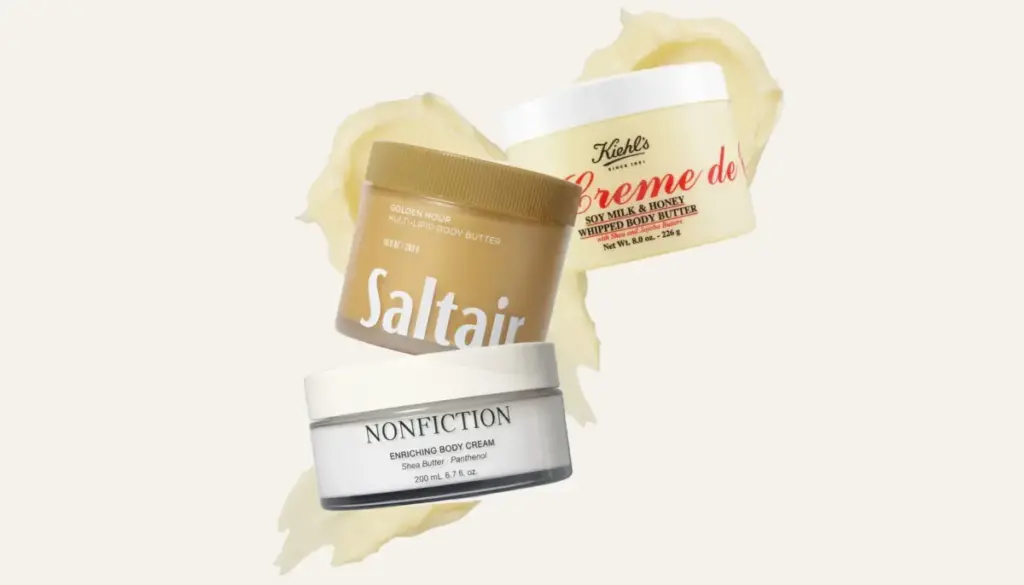
To counteract this moisture crisis, dermatologists increasingly point toward an exceptionally rich, highly concentrated class of emollients: body butters. Unlike standard body lotions, which typically rely on high water content suspended by emulsifiers, authentic body butters are dense, waterless (or near-waterless) formulations packed with plant-derived lipids, fatty acids, and vitamins.
This comprehensive report explores the biochemical mechanisms of moisture loss, evaluates the distinct clinical advantages of body butters over traditional lotions, outlines ideal formulation profiles, and details expert-backed application methodologies. Furthermore, we examine how rigorous, multi-faceted product testing—rooted in diversity, empirical science, and clinical validation—ensures that modern consumers can safely navigate the crowded skincare market to restore their skin barrier at any stage of life.
Detailed Chronology & Evolution of Skin Hydration Science
Understanding how body butters became a gold standard in modern body care requires examining how topical treatments have evolved from primitive unguents to sophisticated, lipid-replenishing science.
Ancient Roots and Lipid Emollience
Historically, ancient civilizations recognized the necessity of sealing the skin against harsh environmental elements. From the utilization of unrefined shea butter harvested from the Vitellaria paradoxa tree in West Africa to ancient Egyptian reliance on botanical oils, early beauty practices intuitively understood the protective nature of plant fats. These traditional ingredients formed a physical occlusive layer on the skin, trapping ambient moisture and shielding against wind and sun.
The Mid-20th Century: The Rise of Lightweight Lotions
With the advent of modern cosmetic chemistry in the mid-20th century, consumer preferences shifted toward convenience and sensory appeal. The pharmaceutical and cosmetic industries favored lighter, emulsion-based body lotions. These formulations blended water and oil using synthetic surfactants, resulting in a product that felt featherlight upon application, absorbed quickly, and left behind minimal residue. While popular, these high-water lotions often required chemical preservatives and offered fleeting hydration, as the water content quickly evaporated, sometimes drawing moisture out of the skin if not properly sealed with occlusives.
The Modern Era: Barrier Repair and High-Performance Formulations
In recent decades, dermatological research has shifted its focus from mere surface-level "softness" to deep skin barrier homeostasis. Scientists mapped the intercellular lipid matrix of the stratum corneum—often compared to a "brick and mortar" wall, where skin cells (corneocytes) are the bricks and ceramides, cholesterol, and fatty acids are the mortar.
As scientists identified the root causes of transepidermal water loss and chronic inflammation, the formulation philosophy came full circle. The demand for anhydrous (waterless) or low-water, high-lipid formulations surged. Modern body butters emerged not merely as luxurious self-care luxuries, but as advanced dermatological delivery systems designed to replenish depleted intercellular lipids, soothe irritated nerve endings, and dynamically repair the compromised skin barrier.
Supporting Context & Metrics: The Anatomy of Moisture Loss
To fully appreciate the efficacy of body butters, one must analyze the biophysical metrics governing skin health, hydration, and aging.
Transepidermal Water Loss (TEWL) Decoded
TEWL is the primary metric dermatologists use to measure skin barrier function. Measured in grams per square meter per hour ($g/m^2/h$), baseline TEWL increases when the lipid bilayer of the stratum corneum is damaged.
- Healthy Skin Barrier: Demonstrates low TEWL, effectively retaining internal moisture while blocking external allergens and bacteria.
- Compromised Skin Barrier: Exhibits high TEWL values, driven by harsh surfactants (such as sodium lauryl sulfate found in stripping body washes), chemical exfoliants (AHAs, BHAs, and retinoids applied excessively to the body), cold weather, and low ambient humidity.
The Composition of the Stratum Corneum
The outermost layer of the epidermis consists of dead skin cells embedded in a lipid-rich matrix composed of:
- Ceramides (~50%): Essential sphingolipids that maintain the skin’s water-retention capacity.
- Cholesterol (~25%): Promotes membrane rigidity and structural integrity.
- Free Fatty Acids (~15%–20%): Maintain an optimal acidic skin surface pH (the acid mantle), inhibiting pathogenic bacterial proliferation.
When these components are depleted by aging or environmental stressors, the skin develops microscopic fissures. Body butters step in by supplying external lipids that structurally mimic and reinforce this internal "mortar."
Aging and Lipid Depletion Metrics
As individuals advance past their fourth and fifth decades of life, sebaceous gland activity naturally declines. Clinical metrics show a progressive drop in sebum production and a steady thinning of the dermal and epidermal layers.
- Moisture Retention Deficit: Mature skin loses its natural Hyaluronic Acid and Natural Moisturizing Factor (NMF) production capabilities.
- The "Crepey" Texture Phenomenon: Chronic dehydration collapses the skin’s structural scaffolding, resulting in fine lines, micro-wrinkling, and a paper-thin texture. Intensive lipid therapy via heavy body butters provides temporary yet dramatic plumping of these dehydrated surface lines by swelling the corneocytes with moisture-binding emollients.
Official Expert Statements & Dermatological Insights
Leading dermatological voices emphasize that hydration is not a one-size-fits-all endeavor. The transition from lightweight lotions to robust body butters requires targeted clinical reasoning.
The Protective Imperative
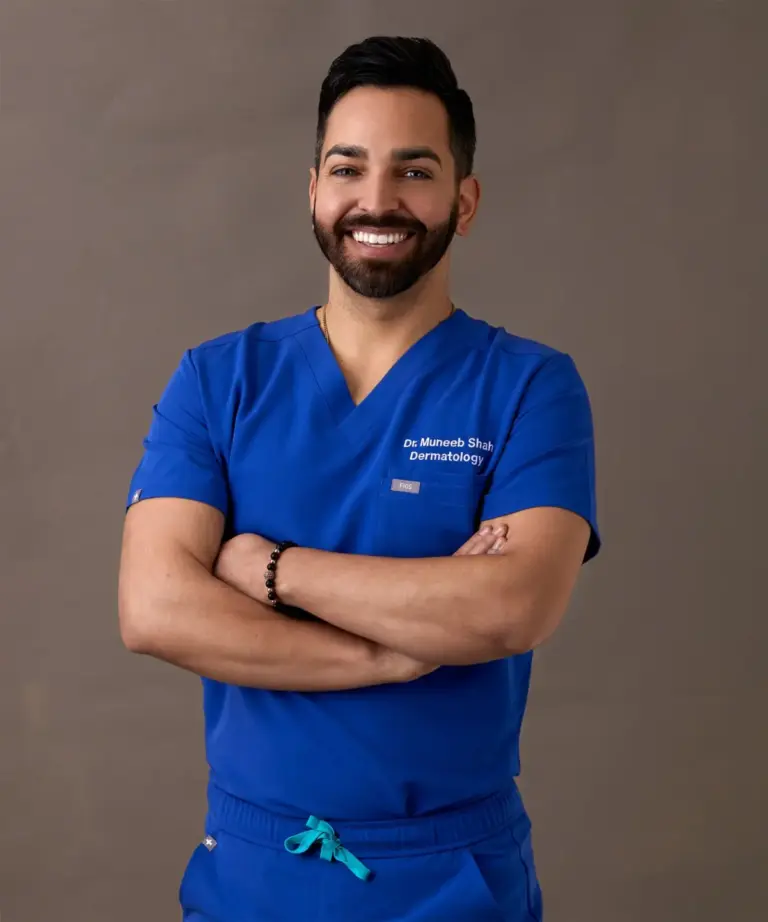
Corey L. Hartman, MD, a board-certified dermatologist based in Birmingham, Alabama, outlines the primary biological stakes:
"The function of the skin is to be a protective barrier of the underlying tissues, protecting the internal organs from infections and irritation. Desiccation and stress disruption of the protective barrier can lead to an increase in transepidermal water loss, and therefore conditions that are associated with skin dryness and irritation."
Dr. Hartman notes that neglecting routine moisturization—particularly on areas exposed to friction or harsh cleansers—directly precipitates flaking, pruritus, and inflammatory dermatitis. Regarding formulation selection, he identifies body butter as "a waterless, thicker version of a body lotion" tailored specifically for very dry skin types or rigorous winter regimens. He further cautions consumers to be mindful of their body washes:
"It’s great for anyone to use a body butter, but especially if your body wash is more drying, which might be the case if you’re using one formulated with exfoliating ingredients like AHAs, retinol, and salicylic acid."
The Application Window
Timing is everything when utilizing waterless or oil-rich formulations. Julie E. Russak, MD, a board-certified dermatologist in New York City, highlights the critical window of opportunity immediately following bathing:
"Since there’s very little to no water in body butters, the best time to use one is when you’ve just stepped out of the shower—when your skin is damp. Pat the skin dry, and while the skin is still moist, apply body butter to all the areas that are rough and dry, including feet, hands, ankles, and elbows. This locks in the moisture obtained from the shower, decreases trans-epidermal water loss, and helps repair the barrier."
Addressing Mature Skin
Dr. Luftman, an authority in geriatric and aesthetic dermatology, expands on the physiological transformations of aging skin:
"As we age, the skin naturally produces less oil, becomes thinner, and loses its ability to retain moisture. This often results in dryness, roughness, and a crepey appearance. While body butters cannot reverse the aging process, they can, however, improve the appearance of dry, aging skin and temporarily minimize the look of fine lines caused by dehydration."
Key Ingredients to Seek and Avoid
Navigating the ingredient deck of a commercial body butter requires distinguishing between marketing hyperbole and genuine biochemical efficacy.
The Hydrating Powerhouses
To effectively repair the skin barrier, dermatologists recommend looking for specific emollient and occlusive heavy-hitters:
- Shea Butter (Vitellaria paradoxa): A supreme emollient rich in vitamins A, E, and F. It melts at skin temperature, deeply penetrating the stratum corneum to heal micro-cracks and soothe irritation.
- Cocoa Butter (Theobroma cacao): A dense vegetable fat rich in fatty acids that creates a robust occlusive seal over the skin, locking in hydration for extended periods.
- Botanical Oils (Coconut, Avocado, Argan, and Jojoba): Provide essential fatty acids (linoleic and oleic acids) that replenish missing intercellular lipids.
- Vitamin E (Tocopherol): A potent fat-soluble antioxidant that neutralizes free radicals generated by UV radiation and environmental pollution, while softening the skin’s surface.
Ingredients to Avoid
Not all rich creams are created equal. Dermatologists strongly advise scanning labels to eliminate formulas containing components that exacerbate dryness or provoke contact dermatitis:
- Denatured Alcohols / Ethanol: While used to impart a quick-drying feel in cheap formulations, alcohols strip the skin of natural lipids and destroy the acid mantle.
- Witch Hazel (Alcohol-based extracts): Highly astringent, capable of worsening desiccation in dry skin types.
- Synthetic Fragrances and Sensitizing Essential Oils: High concentrations of unmasked artificial fragrances or volatile citrus oils can trigger allergic contact dermatitis, further inflaming a compromised skin barrier.
Future Outlook: The Evolution of Body Care and Testing Methodologies
As consumer awareness matures, the beauty and skincare industries face heightened scrutiny regarding product efficacy, safety testing, and inclusivity.
Rigorous Testing and Editorial Methodology
In top-tier journalistic and consumer advocacy reviews—such as those conducted by Allure—the evaluation of body care products has evolved into a scientific endeavor. A comprehensive review process spans five distinct categories:
- Product Ingredients and Efficacy: Scrutinizing active lipid percentages, examining peer-reviewed dermatological studies, and verifying brand claims against independent clinical trials.
- Packaging: Evaluating whether jar, pump, or tube packaging preserves active botanical ingredients from oxidation and microbial contamination.
- Fragrance: Assessing olfactory profiles for allergen potential, subtlety, and consumer comfort.
- Texture and Spreadability: Measuring how a dense, waterless butter melts and absorbs into damp skin without leaving an uncomfortably greasy residue.
- Product Wear: Testing longevity and moisture retention over 12-to-24-hour periods across varying climatic conditions.
The Imperative of Diverse Testing Panels
Historically, cosmetic testing suffered from a lack of demographic diversity, frequently evaluating products exclusively on narrow demographic cohorts. Modern dermatological journalism insists that true product validation requires multidisciplinary, highly diverse testing panels.
- Can a rich emollient genuinely be labeled the "best for mature skin over 50" if it has only been tested on twenty-somethings?
- Can a heavy body butter be validated for universal use without trials across diverse Fitzpatrick skin phototypes and varying hair-follicle densities?
The future of skincare reporting demands equity in testing. By incorporating panels that span a wide range of ages, skin tones, skin sensitivities, and physiological backgrounds, reviewers ensure that recommendations are genuinely inclusive and effective for all consumers.
Conclusion
The journey to resilient, healthy skin begins with recognizing the skin barrier as a vital organ system requiring dedicated protection. By moving beyond fleeting surface hydration and embracing lipid-rich, waterless body butters applied at the optimal post-shower window, consumers can successfully combat transepidermal water loss, mitigate the signs of aging, and restore optimal skin barrier homeostasis. Armed with expert insights, strict ingredient literacy, and evidence-based product vetting, achieving lifelong skin health is more scientifically attainable than ever before.