Executive Overview
The contemporary beauty landscape has experienced a seismic paradigm shift. Traditional, full-coverage foundations—once the undisputed cornerstone of daily cosmetic routines—are increasingly being bypassed in favor of fresh, breathable, and skin-centric hybrid products. Chief among these are tinted moisturisers and skin tints.
This transition is not merely a passing trend; it represents a fundamental re-evaluation of how consumers perceive complexion enhancement. Rather than masking the skin under heavy layers of pigment, modern consumers demand a "your-skin-but-better" aesthetic that celebrates natural textures, embraces visible freckles, and prioritizes long-term skin health.
However, because tinted moisturisers and skin tints function differently than traditional foundations, they require a dedicated, highly technical approach to application. Simply slapping a tinted cream onto the face and hoping for an airbrushed finish will inevitably lead to patchy coverage, premature fading, and suboptimal product performance.
To bridge the gap between amateur application and professional execution, we consulted celebrity makeup artist Neil Scibelli. Through a rigorous analysis of skin preparation, product architecture, tool selection, and setting strategies, this masterclass outlines the definitive protocols required to maximize the coverage, longevity, and skincare benefits of modern complexion tints.
Detailed Chronology: The Evolution of Skin-First Complexion Products
To understand the current dominance of tinted moisturisers, one must examine the chronological progression of base makeup over the last three decades.
The Heavy-Coverage Era (Late 1990s – Early 2010s)
For decades, the standard for facial cosmetics was defined by heavy, opaque, matte-finish liquid and cream foundations. Formulated primarily with high-density pigments and volatile silicones, these products were engineered to completely neutralize discoloration, acne, and textural irregularities. While effective for photography and high-definition media, these formulas frequently clogged pores, emphasized fine lines, and created a visible mask-like barrier between the wearer’s skin and the outside world.
The BB and CC Cream Boom (Early 2010s – Mid 2010s)
Originating in Asian markets before flooding Western retail spaces, Blemish Balm (BB) and Color Correction (CC) creams introduced the concept of multi-functional makeup. These formulations combined sun protection, hydration, and light pigmentation. While they offered a lighter alternative to traditional foundation, they were often plagued by limited shade ranges and a grayish or overly ashy undertone, restricting their universal appeal.
The Modern Skincare-Infused Tint Revolution (Present Day)
The current era has redefined the hybrid category. Today’s tinted moisturisers and skin tints are engineered alongside advanced dermatological science. Rather than merely sitting on top of the skin, contemporary formulations are actively infused with clinical-grade skincare active ingredients—such as hyaluronic acid, niacinamide, squalane, and peptides. The barrier between skincare and makeup has effectively dissolved, transforming the daily makeup routine into an ongoing treatment step.
Supporting Context & Metrics: Choosing the Right Formula for Your Skin Type
Because the market is saturated with varying textures—ranging from rich balms and velvety liquids to weightless serums and compact sticks—selecting the correct product requires a granular understanding of individual skin architecture.
Decoding Skin Types and Formulation Matching
| Skin Type | Recommended Formula Architecture | Key Ingredients to Look For | Products to Consider |
|---|---|---|---|
| Dry Skin | Rich creams, hydrating serums, dewy balms | Hyaluronic Acid, Squalane, Ceramides | Laura Mercier Tinted Moisturiser Natural Dewy, Sculpted By Aimee HydraTint |
| Oily / Combination Skin | Oil-free gels, mattifying fluids, sheer liquid tints | Niacinamide, Silica, Balancing Botanicals | e.l.f. Halo Glow Skin Tint, Hourglass Veil Hydrating Skin Tint |
| Sensitive / Blemish-Prone Skin | Calming, non-comedogenic serums | Propolis Extract, Centella Asiatica, Tri-Ceramides | Trinny London BFF De-Stress, BYOMA Brightening Serum (as prep) |
| Mature Skin | Plumping, light-reflecting liquid emulsions | Peptides, Vitamin E, Collagen-boosting agents | Jones Road Just Enough Tinted Moisturizer, Nars Pure Radiant Tinted Moisturiser |
Understanding the Difference: Tinted Moisturizer vs. Skin Tint
While marketing departments frequently use the terms interchangeably, subtle biochemical and structural differences separate the two:
- Tinted Moisturizer: Primarily formulated as a traditional moisturizer enhanced with pigment. These products generally feature a richer, creamier consistency and deliver heavy doses of emollient hydration alongside light, forgiving coverage.
- Skin Tint: Engineered primarily to deliver a sheer, fluid wash of color designed to unify uneven skin tones. Skin tints often utilize volatile, water-light or serum-like bases that evaporate down to a weightless, virtually undetectable finish.
Official Statements & Professional Protocols: How to Apply Like a Pro
We asked celebrity makeup artist Neil Scibelli to break down the exact, step-by-step methodology required to achieve a flawless, long-wearing finish with a tinted moisturizer.

Step 1: Meticulous Skin Preparation
"Start any makeup routine with a clean face," Scibelli advises. "You can even think of your skincare routine as an extension of your makeup, because a good base is key, as is applying the products in the right order."
- Cleanse: Begin with a gentle, non-stripping cleanser to remove overnight sebum and impurities.
- Treat: Layer your preferred facial serum—such as the barrier-repairing BYOMA Brightening Serum or the soothing Beauty of Joseon Glow Serum—to target specific textural or tonal concerns.
- Hydrate: Lock in moisture with a dedicated lightweight moisturizer suited to your skin type.
- Protect (Crucial): Always apply a dedicated facial sunscreen (such as Clarins UV Plus Multi Protection SPF50 or La Roche Posay Anthelios UVAIR Serum Sunscreen).
"Though some tinted moisturisers do have sunscreen in them, you’re likely not applying enough on your skin to get the full sun protection value," notes Scibelli. "So for extra protection, add your favourite sunscreen to your routine. Then it’s time for the star of the show."
Step 2: Strategic Application (Brushes, Sponges, and Fingers)
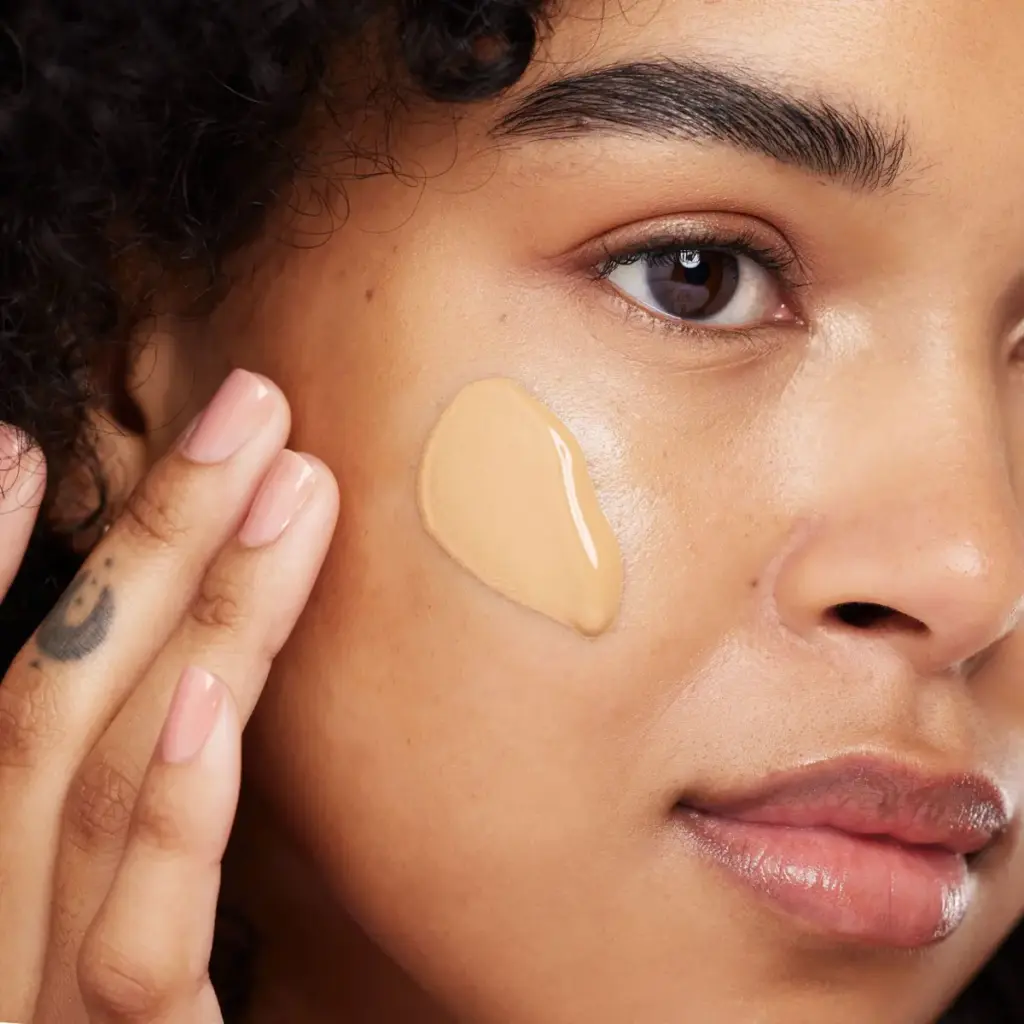
When applying the tinted moisturiser, precision is neither required nor desirable. Because the formulas are sheer and forgiving, they stretch effortlessly across the contours of the face.
- The Synthetic Brush Method (For Even Distribution): Pump a small amount of product onto the back of your hand. Take a densely packed yet soft synthetic foundation brush—such as the Hourglass Ambient Soft Glow Foundation Brush—and pick up the product. Apply the formula using upward and circular motions. "I typically apply a tinted moisturiser in an upward motion to distribute the product evenly," says Scibelli.
- The Sponge Method (For Sheer, Airbrushed Finish): If you prefer an ultra-light, diffused look, damp makeup sponges are exceptionally effective. Because sponges absorb excess product, they prevent over-application. Scibelli recommends doing a final diffuse with a damp sponge over the entire face to melt the product seamlessly into the epidermis.
- Targeted Concealment: Because tinted moisturisers offer light-to-medium coverage, minor blemishes, dark circles, or stubborn hyperpigmentation may still peek through. Instead of layering more tint over the entire face, spot-correct using a creamy, high-performance concealer like the Kosas Revealer Super Creamy and Brightening Concealer.
Step 3: Tactical Powdering
Setting powder is frequently misunderstood. While heavy baking can kill the dewy vitality of a skin tint, tactical application is vital for longevity.
"Applying a powder over a tinted moisturiser is something I recommend to anyone who is looking to set their makeup for longer wear, for a slightly less dewy finish, or to control oil in their T-zone," explains Scibelli.
To maintain a multidimensional, living skin finish, apply setting powders (such as the legendary Laura Mercier Translucent Loose Setting Powder or the One/Size Ultimate Blurring Setting Powder) sparingly. Focus exclusively on the structural high-points and oil-prone zones:
- The center of the brows
- The sides of the nose
- The chin and perimeter of the mouth
Leaving the high planes of the cheeks free of powder preserves the natural, light-reflecting glow that makes tinted moisturisers so desirable.
Step 4: Completing the Complexion
Once your lightweight base is secured, finish the look with complementary cream-based formulas that harmonize with the wet-look aesthetic of the tint.
- Blush: "I think cream blushes are the perfect balmy finish to top off a tinted moisturiser," says Scibelli, pointing to formulas like the Merit Beauty Flush Balm Cream Blush.
- Bronzing: For an effortless, sun-kissed warmth, blend a liquid bronzer or mix self-tanning facial drops (such as the Coco & Eve Bronzing Face Drops) directly into your tinted moisturiser during application.
- Definition: Complete the routine with a touch of lightweight mascara and groomed brows to frame the face without overwhelming the fresh, skin-forward canvas.
Future Outlook
As beauty technology continues to evolve, the boundary between skincare and cosmetics will blur even further. We anticipate the next generation of skin tints incorporating advanced biotech ingredients, such as fermented postbiotics, pollution-shielding micro-algae, and adaptive pigment technologies that adjust dynamically to micro-fluctuations in skin tone throughout the day.
Furthermore, the industry-wide push toward sustainable packaging, waterless formulations, and inclusive shade extensions ensures that tinted moisturisers will remain a permanent, foundational pillar of modern beauty routines. By mastering the professional application protocols outlined in this masterclass, consumers can effortlessly transition from heavy, high-maintenance coverage to a radiant, skin-confident future.