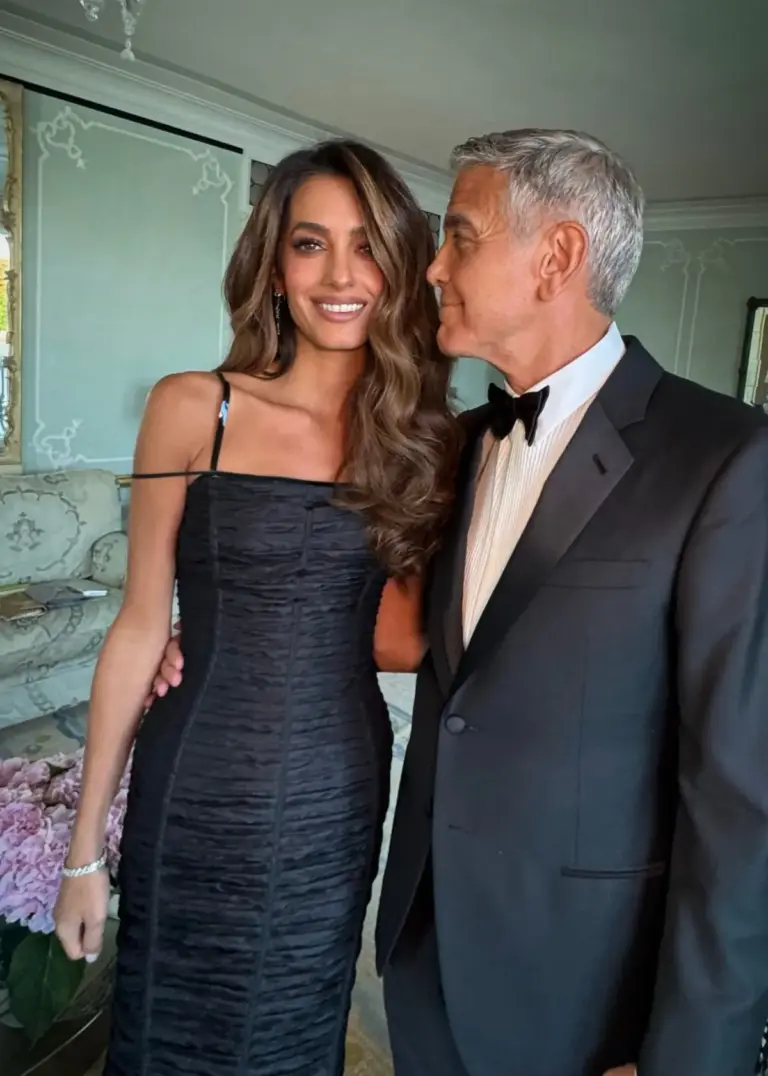
The arrival of a new season has long served as a psychological and sartorial catalyst. As the frantic energy of summer gives way to the deliberate, textured calm of autumn, wardrobes undergo a fundamental re-engineering. The familiar ritual of trading breezy silk slip dresses and frayed denim cutoffs for structured wool coats, cashmere sweaters, and heavy denim is a cornerstone of seasonal style. Yet, while apparel dominates the typical conversation surrounding transitional fashion, an equally significant transformation occurs beneath the collar line and along the fingertips: the wholesale reinvention of the daily jewelry rotation.
As the retail landscape pivots toward the cooler months, jewelry styling is experiencing a structural evolution defined by scale, texture, and emotional resonance. No longer confined to the minimalist stacking trends of the past decade or the predictable safety of classic metal chains, today’s consumer is seeking dynamic, tactile pieces that can anchor heavier fall fabrics.
Market data from leading luxury forecasting agencies indicates a surging demand for statement-making accessories that bridge the gap between high-fashion runway concepts and wearable daily luxury. Three distinct stylistic paradigms currently dominate the transitional season: layered micro-pearls, asymmetrical gemstone statement necklaces, and maximalist, organically curated ring stacks.
This comprehensive report examines the cultural drivers, design mechanics, and styling philosophies behind these three major trends, offering an authoritative guide to how the modern wardrobe is being elevated through elevated ornamentation.
Detailed Chronology: The Evolution of Transitional Jewelry Styling
To understand where jewelry design stands today, it is essential to trace how the industry arrived at this current juncture of maximalist texturing and historic revivalism.
[Early Summer: Minimalist Fatigue]
       │
       ▼
[Mid-Summer: The Rise of Punk & Vintage Pearls]
       │
       ▼
[Late-Summer: Graduated Gemstone Introductions]
       │
       ▼
[Early Fall: Full-Scale Layering & Maximum Stacking]
1. Early Summer: The Fatigue of Minimalism
For the past several years, the fine and demi-fine jewelry markets were dominated by understated, delicate gold chains and micro-diamonds. While versatile, this hyper-minimalist approach left consumers yearning for visual weight as soon as heavier seasonal textiles began entering the conversation. Summer’s tail end saw an industry-wide pushback against whisper-thin chains, prompting designers to explore volume.
2. Mid-Summer: The Pearl Renaissance and the "Punk" Pivot
Pearls have steadily climbed back into the style lexicon over the last few seasons, evolving from traditional heirloom strands into avant-garde statements. The introduction of "punk pearls"—irregularly shaped baroque pearls paired with heavy hardware, safety pin closures, and mixed metals—set the stage for a broader reinvention of the classic gem. Designers realized that pearls offered a unique luminescence capable of cutting through the dimming light of late-year afternoons.
3. Late-Summer: Graduated Stones and Textural Contrast
As August waned, the focus shifted toward color and geological diversity. Traditional tennis necklaces—while timeless—began to share space with asymmetrical, multi-cut gemstone arrangements. Designers began experimenting with graduated stones, creating visual movement that paired seamlessly with the transitional color palette: olives, rusts, deep burgundies, and warm caramels.
4. Early Fall: The Full-Scale Layering Era
Today, the transition is complete. With the weather officially demanding heavier layers, jewelry styling has adapted to prevent accessories from getting lost beneath knitwear. The modern approach requires a deliberate accumulation of pieces: baby-sized pearl strands woven into heavy collars, multi-stone gemstone sets catching the golden hour light, and multi-ring stacks that occupy every available millimeter of finger space before winter forces the return of leather gloves.
Supporting Context & Metrics: The Three Pillars of Autumn Styling
Pillar I: Layered Pearls and Tactile Contrast
The classic pearl choker has undergone a radical transformation. Moving away from the singular, pristine strand associated with mid-century formality, contemporary styling champions multiplicity and juxtaposition.
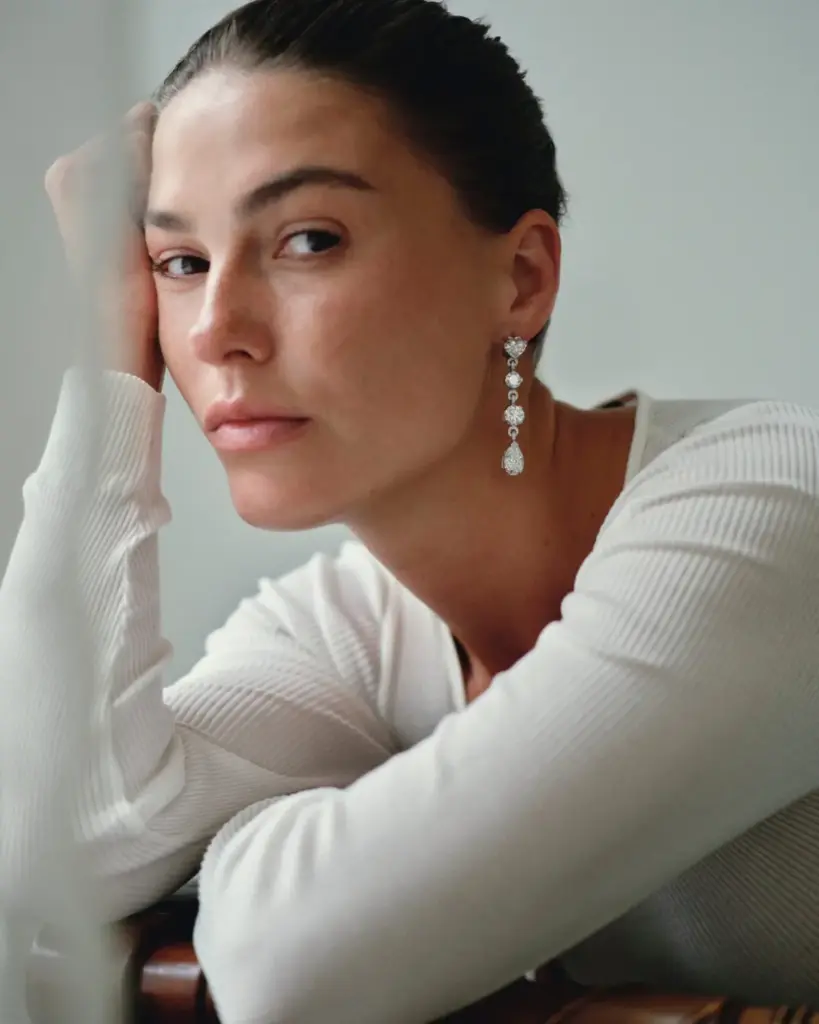
The Scale Shift: Modern interpretations lean heavily into "baby-sized" beaded pearl necklaces worn in dense, multi-strand clusters. When paired with drop earrings that dangle and sway, these delicate elements create a striking visual contrast against fall’s foundational textures—chunky cable-knit sweaters, fringed wool shawls, and heavy tweed jackets.
Expanding the Rotation: The pearl trend has officially broken free of the neckline. Fashion editors and stylists are now advocating for a complete "double down" on the material, integrating pearl-inlaid signet rings, sculptural brooches, and structured link bracelets into the daily rotation.
The Psychology of Luster: Pearls possess a natural iridescence that absorbs and reflects ambient light differently than polished metals. As daylight hours shorten in the autumn months, this organic glow provides a warming effect against the skin, making it an indispensable asset for transitional wardrobing.
+-----------------------------------------------------------------+
|               FALL PEARL STYLING MATRIX                         |
+---------------------+---------------------+---------------------+
| Category            | Traditional Approach| Modern Transitional |
+---------------------+---------------------+---------------------+
| Neckwear            | Single uniform strand| Multi-strand baby beads|
| Earwear             | Small stud earrings | Dangle drop designs |
| Placement           | Neckline only       | Neck, wrists, fingers|
| Fabric Pairing      | Silk blouses        | Heavy knitwear/wool |
+---------------------+---------------------+---------------------+
Pillar II: Gemstone Statement Necklaces and Geological Diversity
While diamonds remain the unquestioned bedrock of luxury jewelry, the transitional season demands warmth, color, and storytelling. Gemstone statement necklaces are replacing uniform tennis necklaces as the go-to anchor for day-to-night dressing.
Unexpected Cuts and Asymmetry: The hallmark of this season’s gemstone trend is imperfection. Necklaces featuring stones of varying cuts, shapes, and dimensions create an organic rhythm along the collarbone. Graduated designs—where stones increase in size toward the center—add a classic architectural feel, while completely randomized stone shapes offer a contemporary, bohemian counter-balance.
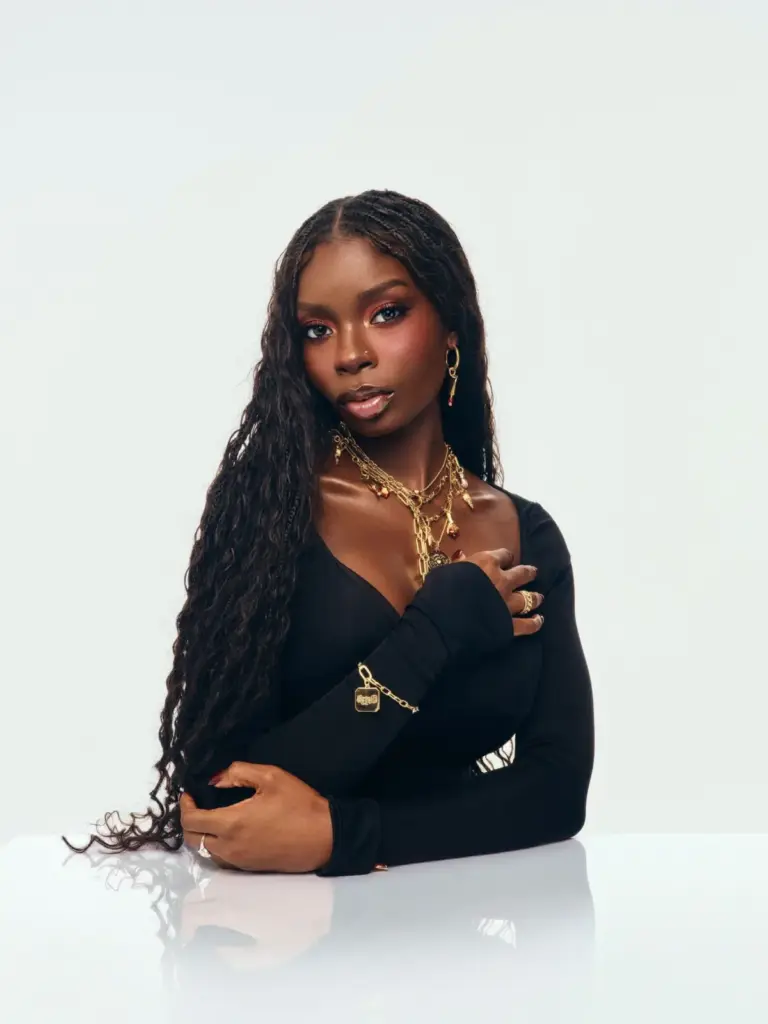
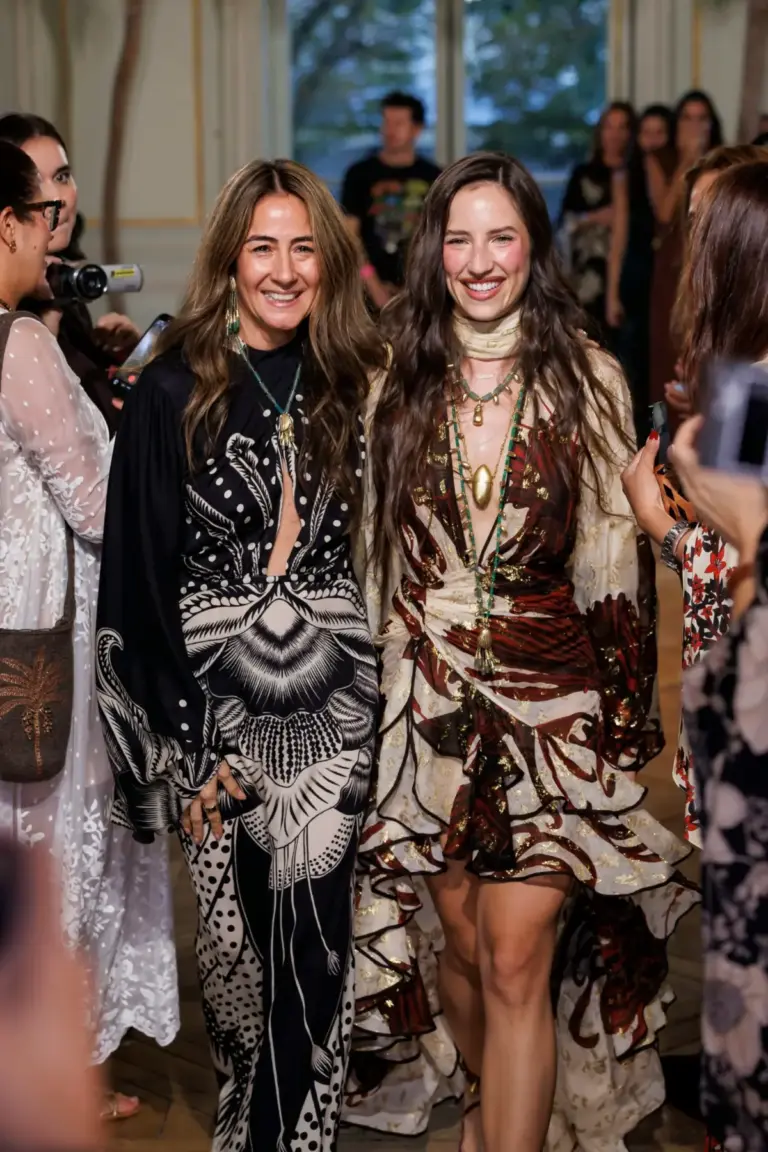
Material Explorations: Designers are reaching beyond the standard ruby-emerald-sapphire triad. Tasseled carnelian, chunky turquoise beads, warm citrine, deep amethyst, and fiery topaz are taking center stage. These earth-toned and semi-precious stones harmonize flawlessly with the golden-hour sunlight and rich colorways of autumn fashion.
The Silk Dress Equilibrium: One of the most effortless styling pairings for early fall is the juxtaposition of a heavy, substantial gemstone suite against an airy, fluid silk dress. This high-low balance of weight and texture eliminates the need for overthinking an outfit; the jewelry carries the aesthetic narrative entirely.
Pillar III: Maximalist Ring Stacks and Organic Curation
Perhaps no jewelry trend benefits more directly from the cooling climate than the finger stack. Before winter weather necessitates the insulation of gloves and heavy mittens, autumn provides a brief, ideal window to maximize hand ornamentation.
Dimensional Layering: The modern ring stack is an exercise in architectural contrast. Stylists recommend anchoring the hand with at least three distinct rings per finger-set, mixing profiles such as sleek eternity bands, asymmetric Toi et Moi diamond configurations, and bold modernist geometric shapes.
The Art of the Heirloom Mix: The defining characteristic of today’s ring stacking philosophy is its organic, unscripted nature. Perfection is actively discouraged. By combining brand-new retail acquisitions with vintage family heirlooms and weathered silver bands collected over decades, the wearer constructs a deeply personal narrative on their hands.
Metal Pluralism: The strict historical divide between yellow gold and white platinum/silver has completely dissolved. Transitional ring stacks actively encourage the commingling of mixed metals, creating a textured canvas that ties together disparate watch hardware, bag clasps, and belt buckles.
Official Statements and Expert Perspectives
Industry leaders and top-tier design houses view this seasonal shift not merely as a commercial cycle, but as a cultural movement toward individual expression and tactile engagement in fashion.
"We are seeing a profound shift away from sterile, mass-market minimalism," notes a leading luxury jewelry curator based in New York. "Consumers are looking for pieces that tell a story, hold physical weight, and can withstand the sensory shift of heavy autumn dressing. Jewelry is no longer an afterthought added at the end of getting dressed; it is the structural framework of the outfit."
Furthermore, sustainable luxury advocates emphasize the value of mixing contemporary statement pieces with heirloom collections.
"When you stack a newly acquired gemstone piece with a grandmother’s vintage signet ring or a delicate pearl brooch passed down through generations, you are creating a dialogue between past and present," explains a prominent editorial stylist. "That emotional weight is irreplaceable, and it’s precisely what defines contemporary luxury today."
Future Outlook: What Lies Ahead for the Accessories Market
As the fashion calendar progresses from the transitional early-fall phase into the depths of winter, the trajectories established by these three trends will continue to shape consumer behavior and retail design.
The Permanence of Maximalism: While minimal capsule wardrobes will always retain a baseline market share, the appetite for expressive, heavy accessories is projected to grow. Consumers are increasingly willing to invest in hero pieces—such as bespoke gemstone necklaces and multi-band ring suites—that serve as long-term wardrobe anchors.
Technological Integration and Sourcing Transparency: With consumers placing a higher premium on the origin of their stones and pearls, transparency in gem-sourcing and pearl cultivation will become a primary differentiator for independent and legacy jewelry brands alike.
The Erosion of Occasion Dressing: The strict boundary between "daytime casual" and "evening formal" jewelry continues to collapse. Wearing a tasseled carnelian necklace to a morning coffee run or layering baby pearls with an oversized denim jacket is no longer considered avant-garde; it is the new standard of everyday elegance.
Ultimately, transitional jewelry styling serves as a reminder that fashion is a sensory experience. By embracing the weight of layered pearls, the warmth of autumn gemstones, and the personal history embedded in a maximalist ring stack, the modern dresser navigates the seasonal shift not just with style, but with intention.