Executive Overview
For generations, Hollywood’s leading men rose to prominence through a slow-burn process. They earned their stripes on the stage, navigated the grueling indie film circuit, or endured years of bit parts before landing the career-defining role that cemented their status as a cultural phenomenon. In the era of analog media, a heartthrob was distant, enigmatic, and largely inaccessible.
Today, that paradigm has utterly collapsed. Fueled by the insatiable engine of the streaming economy, TikTok fandoms, and BookTok literary adaptations, a new wave of actors is rocketing from total obscurity to global recognition in a matter of months. This transformation represents more than just a shift in how entertainment is consumed; it marks a fundamental rewrite of modern celebrity.
The modern heartthrob is no longer manufactured solely by studio executives or traditional public relations firms. Instead, they are elected by hyper-connected, predominantly female digital communities that demand total accessibility, performative charm, and high-fashion validation. From Hudson Williams and Connor Storrie to Nicholas Galitzine and Belmont Cameli, these actors are navigating an ecosystem where virality is currency, brand partnerships are lifelines, and the line between an "It Boy" and a generational talent is razor-thin. This deep-dive investigation explores the anatomy of the streaming-era heartthrob, examining how modern fame is engineered, sustained, and ultimately leveraged for long-term cinematic survival.
Detailed Chronology: From the Cloistered Hunks of Yesteryear to the Streamer Hotties of Today
To understand the current obsession with Hollywood’s newest pin-ups, one must trace the evolution of the cinematic heartthrob over the last three decades.
The 1990s and Early 2000s: The Era of Distance and Elusive Stardom
In the late 1990s and early 2000s, pop culture was defined by a sense of physical and psychological distance. Icons like Ryan Phillippe (Cruel Intentions), Freddie Prinze Jr., and Ben McKenzie (The O.C.) dominated bedroom walls, but their lives outside of the screen were shrouded in mystery. Fans caught glimpses of them primarily through glossy magazine spreads, occasional late-night television appearances, and promotional junkets.
As pop culture connoisseur and podcaster Evan Ross Katz notes, actors of this era "had to really earn your stripes." They would vanish for months to shoot a project, creating an intentional void that allowed audiences to project their fantasies onto the actor’s persona. This scarcity bred a distinct kind of longing. The heartthrob was untouchable—an idealized fantasy creature living behind a velvet rope.
The Late 2010s: The Viral Transition and the YA Boom
As streaming platforms began to muscle in on traditional television and box-office territory, the mechanics of fame began to accelerate. The 2018 premiere of Netflix’s To All the Boys I’ve Loved Before marked a turning point. Noah Centineo stepped into the cultural consciousness overnight as Peter Kavinsky, a sensitive, lacrosse-playing jock who subverted toxic masculine tropes.
Centineo’s ascension heralded the arrival of the "viral heartthrob." Backed by algorithms and instant social media sharing, he was anointed by the internet almost instantaneously. Yet, this era was still somewhat transitional; actors were expected to maintain a veneer of aloof charm while the studio marketing machine did the heavy lifting.
The 2020s: The Hyper-Connected Streaming Conveyor Belt
Today, the traditional gatekeepers have been largely bypassed by direct-to-consumer digital ecosystems. The post-pandemic entertainment landscape—dominated by platforms like Netflix, Prime Video, and Max—functions as a high-speed conveyor belt for new talent.
We have entered an era where a single hit series or steamy adaptation can mint a new global sex symbol every six months. From the hockey-centric phenomenon Heated Rivalry (starring Hudson Williams and Connor Storrie) and the royalty-adjacent rom-coms of Nicholas Galitzine (Red, White & Royal Blue, The Idea of You) to Christopher Briney in The Summer I Turned Pretty and Belmont Cameli in Off Campus, the sheer velocity of modern fame is unprecedented. These men are not just actors; they are the focal points of expansive, highly mobilized digital communities that demand constant engagement, relentless content generation, and round-the-clock accessibility.
Supporting Context & Metrics: The Mechanics of Modern Desirability
What makes a modern heartthrob tick? Industry analysts, cultural critics, and talent agents point to a specific convergence of physical traits, cultural anxieties, and economic forces.
The Return of the Beefcake and "Performing Hotness"
For a brief period in the late 2010s, cultural commentary heralded "The Age of the Twink," celebrating leaner, more androgynous leading men in the vein of Timothée Chalamet. However, the current crop of streaming heartthrobs reflects a distinct pendulum swing back toward the classic beefcake archetype.
Fuelled in part by wellness culture and mass protein consciousness, today’s heartthrobs frequently feature expansive physiques, broad shoulders, and chiseled features. Yet, as Michel Ghanem, writer of The Cut’s "Appointment Viewing" column observes, physical perfection is only the baseline. The true metric of success is whether an actor can successfully "perform hotness." It requires an acute self-awareness—a delicate balance of acknowledging one’s own desirability while retaining enough vulnerability to keep audiences emotionally invested.
The Antidote to Heteropessimism
The boom in streaming heartthrobs is not driven by accident; it is sustained by a very specific demographic: millennial and Gen Z women. According to cultural critics and editors, this surge is deeply tied to the rise of "heteropessimism"—the widespread disillusionment with modern dating, dating apps, and the emotional exhaustion of contemporary romance.
In a digital landscape where genuine connection feels increasingly fleeting—where women face phenomena like long-term partner ghosting—streaming romances provide a safe, idealized sanctuary. Viewers will happily press play on sub-par television shows or sit through critically panned films simply to witness five minutes of screen time from actors like Drew Starkey or Nicholas Galitzine. These men serve as emotional and visual safe havens against a backdrop of modern romantic burnout.
The Luxury Fashion Pipeline and Brand Synergy
You cannot discuss the modern heartthrob without acknowledging the symbiotic relationship between young actors and global luxury fashion houses. In an increasingly fragmented entertainment landscape, box-office receipts and streaming metrics are no longer the sole indicators of an actor’s value.
Brands now act as the official coronators of "It Boy" status. Consider the post-breakthrough trajectories of recent stars:
- Hudson Williams walked the runway for Dsquared2 following the success of Heated Rivalry.
- Connor Storrie was seated front row at Saint Laurent beside pop royalty like Madonna and Charli XCX.
- Nicholas Galitzine secured ambassadorships with Fendi and Emporio Armani.
- Drew Starkey became the face of Loewe following his work in Luca Guadagnino’s Queer.
- Belmont Cameli starred in a viral, high-production campaign for TRESemmé.
As CNN Style’s culture and features editor Bianca Betancourt notes, brand endorsements have become a vital lifeline for actors navigating a volatile industry. Luxury houses are locked in a relentless race to secure the most relevant cultural faces to capture younger, digitally native demographics. In return, these partnerships validate the actor’s status far beyond the confines of their streaming series, transforming them from television characters into living, breathing lifestyle brands.
Official Statements & Industry Perspectives
Industry insiders offer profound insights into the psychological and professional tightrope walk that defines modern heartthrob status.
Reflecting on the old-school rules of engagement, podcaster Evan Ross Katz contrasts the calculated distance of past stars with today’s hyper-exposed reality:
"There was a time when you had to really earn your stripes. The more that they talk or let us know who they are, the less we can fantasize about who we want them to be. But now, the endless content cycle demands more ‘It boys’ than ever."
Addressing the delicate nature of being lusted after by millions, actor Nicholas Duvernay candidly admitted in a recent interview that playing characters specifically designed for audiences to "gawk over" can be an intensely surreal psychological hurdle to navigate.
Meanwhile, Sofia Alvarez, screenwriter of the foundational Netflix rom-com To All the Boys I’ve Loved Before, emphasizes that physical beauty alone is never enough to sustain a cultural movement. Reflecting on the viral explosion of Noah Centineo, Alvarez notes that the secret ingredient is emotional vulnerability:
"In the script, I wanted to make sure we saw that the male lead is navigating big feelings, too. To make a heartthrob, you can’t forget who their partner is and the deep emotional resonance they share on screen."
Bianca Betancourt underscores that the ultimate challenge for any modern heartthrob is longevity. The industry no longer rewards complacency:
"The days of just showing up in a regular suit and just being handsome are over. How are you going to stretch those 15 minutes? Are you actually here for the long haul?"
Future Outlook: Surviving the 180 and the Long Game
As the conveyor belt of streaming content continues to spin at breakneck speed, the ultimate test for every newly minted heartthrob is how they manage the aftermath of their breakthrough moment.
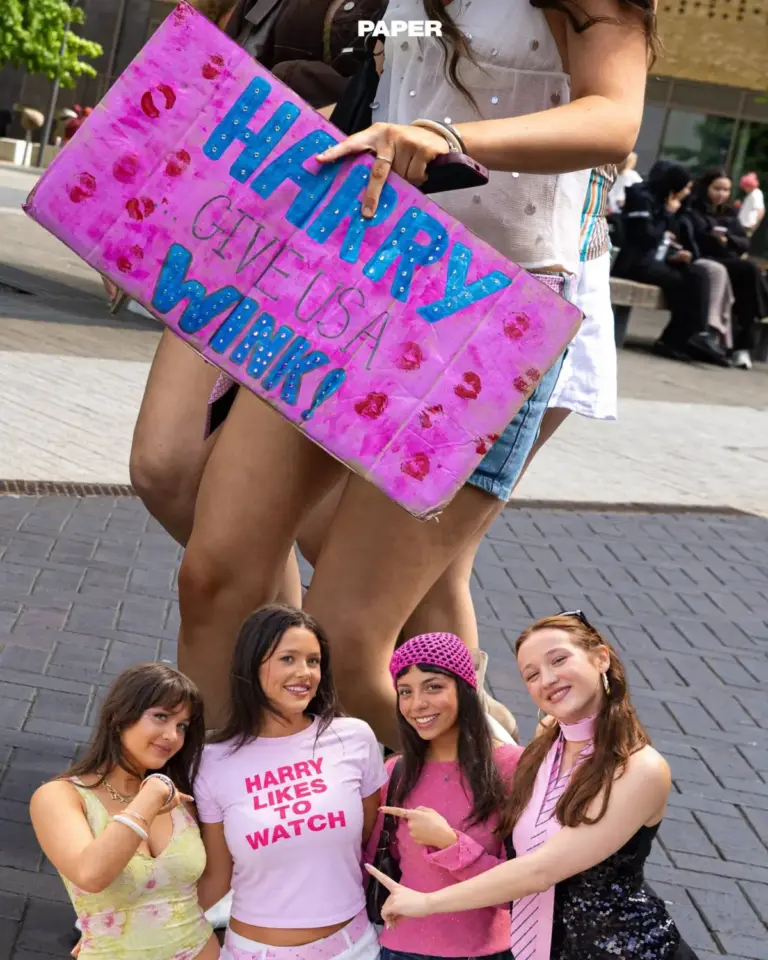
Traditionally, actors faced with overexposure choose one of two paths: retreating into strict privacy or leaning all the way into the machinery of fame. Today’s stars have opted for a hybrid approach—a masterclass in public relations flexibility. They leverage social media, skincare routines, viral TikToks, and surprise appearances at cultural hotspots (such as cast members crashing local gay bars or hosting late-night sketch shows) to endear themselves to fans.
However, remaining trapped in the amber of a single archetype is a professional death sentence. To transition from a temporary internet obsession to a bona fide cinematic heavyweight in the mold of a Timothée Chalamet, George Clooney, or Channing Tatum, actors must execute a strategic career 180.
This maturation process is already underway. Actors like Chris Briney, having conquered the teen drama demographic with The Summer I Turned Pretty, deliberately pivoted to play eccentric, unexpected roles in critically acclaimed series like Hacks. By taking on grittier, intentionally complex, or unconventional characters, these actors signal to the industry that they are more than just a symmetrical jawline and a sculpted physique.
The Verdict on Modern Stardom
The streaming-era heartthrob is a fascinating product of our current digital ecosystem—simultaneously hyper-accessible and fiercely protected, aggressively commercialized yet emotionally resonant. They are elected by fans through the democratic power of BookTok, TikTok, and streaming watch parties, validated by luxury fashion houses, and tested by an unforgiving entertainment cycle.
Ultimately, the true alchemy of modern stardom requires a rare combination of attributes: the ability to generate instantaneous online engagement and the gravitas to put physical butts in theater seats. As the landscape continues to evolve, the actors who survive will be those who master the delicate art of enjoying their time in the spotlight while proving, project by project, that they possess the substance to outlast their own viral moment.