Executive Overview
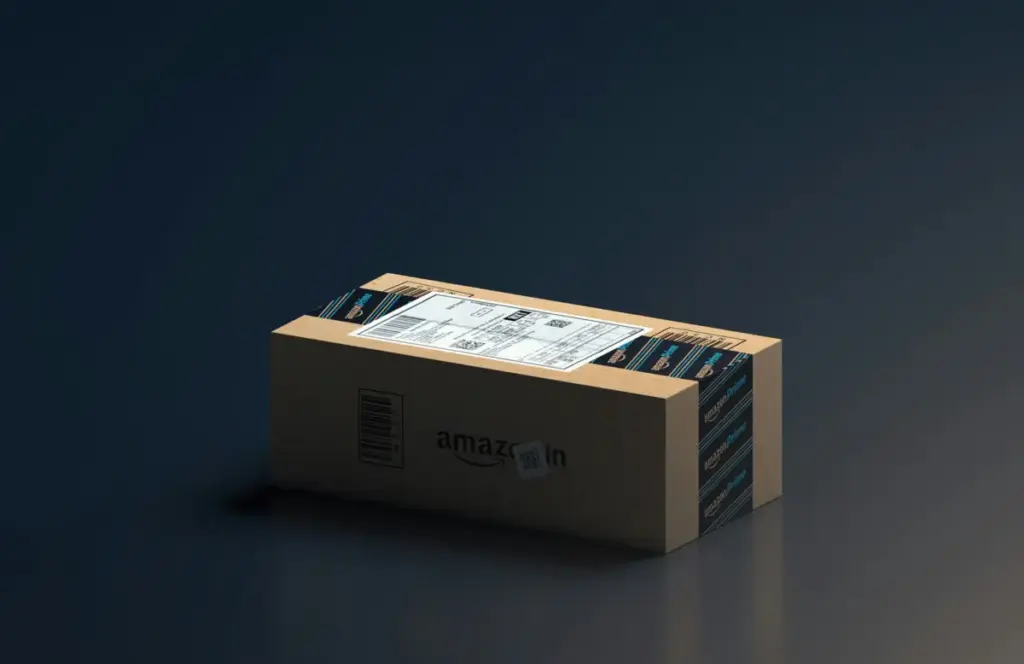
In a seismic shift for the digital media and creator economies, YouTube and Amazon have officially announced a groundbreaking strategic partnership. Unveiled to bridge the gap between video content and seamless digital retail, the collaboration allows U.S.-based creators—provided they are enrolled in both the YouTube Partner Program (YPP) and the Amazon Influencer Program (or Amazon Associates)—to tag and sell Amazon products directly within their long-form videos and YouTube Shorts.
This alliance marks the realization of a vision laid out earlier this year by YouTube CEO Neal Mohan in his annual letter to creators. Mohan explicitly stated that YouTube is intensely "focused on" transforming its platform into a "premier shopping destination." By integrating Amazon’s massive product catalog directly into the YouTube application interface, viewers can browse, select, and purchase items recommended by their favorite creators without ever breaking their viewing experience.
For creators, the financial mechanics are designed to be as frictionless as possible. Standard Amazon commission cuts—historically averaging between 2% and 4% of the total sale price—will be paid out directly by YouTube, bundled neatly into the creator’s usual monthly AdSense payout.
Yet, beneath the surface of this consumer convenience lies a fierce corporate chess match. As social commerce becomes the dominant retail battleground of the mid-2020s, YouTube and Amazon are explicitly positioning this alliance as a direct counter-offensive against TikTok Shop. By leveraging Amazon’s logistics mastery and trusted consumer infrastructure, YouTube aims to capture the booming social shopping market while intentionally side-stepping the counterfeit and regulatory pitfalls that have plagued its competitors.
Detailed Chronology of YouTube’s E-Commerce Evolution
To understand the weight of the YouTube-Amazon partnership, it is essential to trace the deliberate, methodical steps YouTube has taken over recent years to build out its shopping infrastructure. The platform’s transformation from a simple video repository into a commercial powerhouse did not happen overnight; it is the culmination of a multi-year strategy carefully orchestrated by Google’s leadership.
Early Foundations and the Pivot to Commerce
For over a decade and a half, YouTube’s monetization model relied almost exclusively on ad revenue sharing, brand sponsorships, and viewer-funded features like Super Chat and channel memberships. However, as the creator economy matured and ad markets fluctuated, leadership recognized the need to diversify income streams for creators while capturing a slice of the multi-billion-dollar global e-commerce pie.
- Late 2020 to 2022: YouTube began testing native shopping features, allowing creators with large subscriber bases to tag products from their own merchandise lines or select third-party retailers directly below their videos.
- The 500-Subscriber Expansion (March 2026): In a massive push to democratize retail tools, YouTube expanded access to its Shopping affiliate program. Creators who met the baseline criteria of the YouTube Partner Program with as few as 500 subscribers were granted the ability to start selling products to their audiences, vastly multiplying the army of potential storefronts on the platform.
- Global and Niche Integrations: Over the past twelve months, YouTube has steadily woven partnerships with various online marketplaces and social shopping hubs. In late 2025, the platform integrated with TalkShopLive to bolster live-shopping capabilities. Early 2026 saw a partnership with Rakuten Ichiba to tap into international markets, followed heavily by connected TV (CTV) shopping integrations showcased at the industry’s prominent NewFronts presentations.
The 2026 Catalyst: Neal Mohan’s Mandate
The definitive turning point arrived with CEO Neal Mohan’s 2026 letter to creators. In the missive, Mohan outlined a three-pronged vision for the year: an aggressive embrace of generative artificial intelligence, the rollout of beautifully produced television content designed to compete directly with streaming giants like Netflix, and—most importantly—the establishment of YouTube as a premier shopping destination.
The partnership with Amazon is the realization of that mandate. By wedding the world’s largest video platform with the world’s dominant e-commerce infrastructure, YouTube has bypassed years of infrastructure development, instantly positioning itself as a dominant force in digital retail.
Mechanics of the Partnership: How It Works for Creators and Viewers
The operational framework of the YouTube-Amazon integration is designed for maximum ease of use, though it comes with precise rules, limitations, and structural safeguards.
The User Experience
For the end viewer, the experience is entirely native. While watching either a long-form video or a YouTube Short, viewers will see product tags identifying items featured, discussed, or recommended by the creator. Clicking these tags opens a streamlined interface within the YouTube app itself, allowing the user to complete their transaction without being redirected to an external browser or a third-party website.
Financial Transactions and Payouts
Monetization is streamlined through existing channels:
- Commission Structure: Creators earn their standard Amazon affiliate commission cuts, which typically range between 2% and 4% depending on the product category.
- Unified Payouts: Rather than requiring creators to manage separate dashboards, tax forms, and payment schedules with Amazon, YouTube handles the disbursement. Commission earnings are bundled directly into the creator’s regular monthly AdSense check.
- The Return Policy Catch: The system accounts for consumer returns. If a viewer purchases a tagged product and subsequently returns it, the corresponding commission previously credited to the creator will be systematically deducted from their next payout cycle.
Catalog Curation and Limitations
In a departure from open-marketplace models, creators do not have carte blanche to link any product available on the vast expanse of Amazon. As YouTube Creator Liaison Rene Ritchie explained in official documentation, Amazon provides YouTube with a specialized, curated catalog comprising highly requested, trending, and vetted products.
If a creator wishes to promote an item that is absent from this curated list, they must submit a formal request via YouTube Support. Approval, however, is not guaranteed.
Furthermore, international sales present unique logistical nuances. For viewers outside the United States, Amazon and YouTube may direct them to alternative merchants that ship to their specific geographic regions. However, a strict rule applies: if a viewer finalizes their purchase with an off-platform merchant rather than through the official Amazon integration pipeline, the creator’s commission is forfeited.
Supporting Context, Metrics, and Strategic Rationale
To fully appreciate why YouTube is doubling down on e-commerce, one must look at the hard data and the competitive pressure exerted by rival platforms—chiefly, TikTok Shop.
The Numbers Behind the Push
YouTube’s aggressive pivot toward commerce is yielding undeniable results. According to internal platform metrics released alongside the partnership announcement:
- More than 1 million creators are now officially signed up for YouTube Shopping.
- The gross merchandise value (GMV) of products sold directly through YouTube Shopping experienced a staggering 13x growth between the first quarter of 2024 and the first quarter of 2026.
These statistics indicate that shopping on YouTube is no longer an experimental feature utilized only by top-tier mega-influencers; it has become an integrated revenue stream for mid-tier and micro-creators alike.
The TikTok Shop Factor and the "Dropshipper Conundrum"
Industry analysts agree that the primary catalyst for YouTube’s curated approach with Amazon is the explosive, disruptive rise of TikTok Shop. While TikTok’s social commerce experiment has generated massive sales volume, it has simultaneously struggled with systemic issues concerning counterfeit goods, shady third-party sellers, and regulatory scrutiny regarding consumer fraud.
By partnering with Amazon and strictly curating the available product catalog, YouTube and Amazon are proactively immunizing their ecosystem against these pitfalls. From day one, consumers buying through YouTube can trust the provenance and reliability of Amazon’s fulfillment network.
However, this high degree of curation introduces a distinct challenge: the dropshipper conundrum. If the curated catalog proves to be too restrictive or limited in scope, thousands of creators across the platform might gravitate toward promoting the exact same pool of viral, trending items. This could lead to audience fatigue, where viewers are inundated with promotional pitches for identical products across unrelated channels, potentially devaluing the authenticity of creator recommendations.
The "Hands-Off" Business Model Advantage
Perhaps the most brilliant strategic nuance of YouTube’s e-commerce strategy is its structural detachment from physical inventory and logistics.
Unlike TikTok Shop—which operates an Amazon-esque fulfillment network, forcing the platform to shoulder responsibility for warehousing, shipping, returns, and customer service disputes—YouTube remains entirely hands-off. Google’s platform does not touch a single product box, manage a warehouse, or handle delivery logistics. Instead, it acts purely as the high-intent discovery and conversion layer, relying completely on Amazon and third-party vendors to manage the heavy lifting after a sale is completed.
This asset-light approach affords YouTube a remarkably low-lift, high-margin method to compete in an increasingly crowded creator economy, minimizing corporate liability while maximizing transactional volume.
Official Statements and Industry Reception
The announcement has sent ripples through the digital media landscape, drawing commentary from industry executives, content creators, and retail analysts alike.
YouTube leadership has framed the partnership as a natural evolution of the creator-viewer relationship. In his communications, Neal Mohan has repeatedly emphasized that viewers look to creators not merely for entertainment, but as trusted advisors whose lifestyle, fashion, and technology recommendations carry immense weight. By bridging the gap between inspiration and acquisition, YouTube is simply formalizing a behavioral loop that has existed informally for years.
Amazon, meanwhile, views the partnership as an unprecedented expansion of its affiliate footprint. By embedding its product catalog directly into YouTube’s video player, Amazon taps into billions of hours of targeted watch time, capturing consumer intent at the exact moment of inspiration without needing to acquire traffic independently.
Creator advocacy groups and prominent digital strategists have generally praised the move, noting that the inclusion of AdSense-bundled payouts eliminates the administrative friction that typically accompanies affiliate marketing. Nevertheless, independent creators have expressed cautious curiosity regarding the size and scope of Amazon’s curated catalog, waiting to see whether niche content creators—such as those in specialized tech, educational, or artistic fields—will find adequate product representation within the approved inventory.
Future Outlook: What Lies Ahead for Social Commerce
The YouTube-Amazon partnership signals a mature phase in the evolution of social media. The era of platforms relying solely on programmatic advertising is rapidly giving way to deeply integrated, transactional ecosystems where content, community, and commerce merge into a single continuous experience.
Looking ahead, several key trends are likely to shape the trajectory of this alliance and the broader social shopping market:
- Expansion Beyond U.S. Borders: While the initial rollout is strictly limited to U.S.-based creators and domestic inventory routing, successful implementation will undoubtedly pave the way for international expansion. Adapting Amazon’s localized global marketplaces to YouTube’s multi-regional audience will be the ultimate test of the platform’s scalability.
- Connected TV (CTV) Retail Integration: With YouTube making major inroads into living rooms through connected TVs, the integration of remote-friendly shopping features—such as QR codes appearing on screen during a YouTube video streamed on a smart TV that link directly to an Amazon cart on a viewer’s mobile phone—represents the next frontier of frictionless retail.
- AI-Driven Product Recommendations: As generative AI tools become deeply embedded within YouTube’s creator studio, we can anticipate algorithms automatically suggesting relevant Amazon-catalog products to creators based on video transcripts, audience demographics, and sentiment analysis.
Ultimately, YouTube’s calculated, asset-light integration with Amazon proves that platforms do not need to become logistics companies to dominate retail. By focusing on what it does best—driving engagement, fostering community, and providing unmatched audience reach—while letting Amazon handle the transactional plumbing, YouTube has positioned itself to capture the next generation of digital commerce.