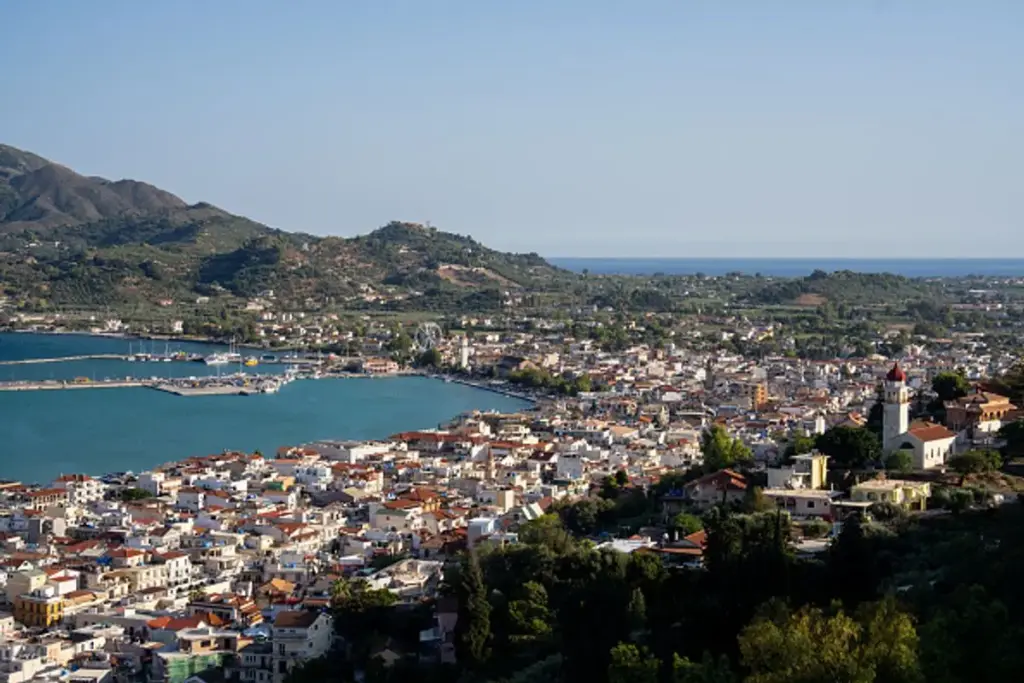
ZAKYNTHOS, GREECE — In the early hours of Tuesday morning, what was meant to be a Mediterranean escape descended into a nightmare for a 38-year-old British tourist on the popular Greek party island of Zakynthos, widely known as Zante. Two Romanian nationals—aged 19 and 28—have been taken into custody and referred to the Prosecutor’s Office of Zakynthos following the alleged gang rape of the woman inside a local hotel room.
The incident has immediately ignited an intense public debate, throwing a glaring spotlight onto the darker side of Europe’s high-season nightlife hotspots. Local media outlets report that investigators have secured digital evidence, including a video recording allegedly made by the suspects during the attack, which local journalists say "substantiates what the British woman claims."
Yet, beyond the immediate horror of the courtroom proceedings, this case has ripped the scab off a bitter, escalating dispute between frontline healthcare workers and local law enforcement. While police maintain that sexual offenses on the island are rare and tightly controlled, medical personnel are sounding the alarm over what they describe as an alarming surge in violent crimes against tourists—a clash that raises urgent questions about safety, transparency, and accountability in Europe’s premier holiday destinations.
Executive Overview
The arrest of the two men in the Laganas district of Zakynthos represents the latest flashpoint in a troubled summer season for the Ionian island. Zante, celebrated globally for its sun-drenched beaches, pulsating clubs, and magnetic appeal to young British and European travelers, is facing a reputational crisis.
The core of the unfolding controversy involves a stark statistical and narrative contradiction:
- The Official Narrative: Law enforcement agencies insist that the island is safe, citing a low number of formal complaints—only three reported rapes between May and August 6—and emphasizing their swift adherence to legal, forensic, and prosecutorial protocols.
- The Medical Reality: Conversely, the Panhellenic Federation of Public Hospital Workers (POEDIN) presents a vastly different, deeply alarming picture. According to the union, hospital staff have treated a staggering eight victims of sexual assault in just a three-week window, pointing to a culture of predatory behavior that preys upon intoxicated holidaymakers.
This chasm between official crime reporting and the experiences of emergency medical personnel has triggered broader concerns across the European Union. Compounding local anxieties are wider Eurostat trends indicating a significant upward trajectory in sexual violence offenses across Greece over the past decade and a half. As judicial authorities process the two suspects in the latest British tourist case, pressure is mounting on Greek tourism and interior ministries to address systemic vulnerabilities in island security.

Detailed Chronology: The Incident in Laganas
The Early Hours of Tuesday
The events unfolded in the pre-dawn hours of Tuesday in Laganas—an area synonymous with Zante’s high-energy nightlife, packed with bars, clubs, and budget accommodations catering to international youth. According to police and judicial filings, the 38-year-old British victim was targeted and brought back to a hotel room where the alleged attack took place.
The suspects, identified only as Romanian nationals aged 19 and 28, are accused of exploiting the victim before subjecting her to a coordinated sexual assault. Crucially, local investigative reports from the regional outlet Imerazante have surfaced, claiming that the alleged perpetrators filmed the horrific ordeal on a mobile device. Investigators are currently analyzing this digital footage, which legal experts suggest could serve as pivotal, incontrovertible evidence in the upcoming judicial proceedings.
Immediate Police Action and Court Appearance
Following the report, local law enforcement mobilized swiftly, detaining the two men and securing the premises. By Tuesday afternoon, the suspects had been transferred under heavy guard to the Prosecutor’s Office of Zakynthos to face formal charges of gang rape and related electronic privacy violations regarding the alleged filming of the assault.
The victim, meanwhile, has been receiving specialized support, including forensic examinations and psychological counseling coordinated through local health authorities and British consular services.
Supporting Context & Metrics: The Battle of the Statistics
The arrest in Laganas did not occur in a vacuum. It sits at the epicentre of an ongoing war of words between public healthcare advocates and police administrators regarding the true volume of sexual violence on the island.
The Healthcare Workers’ Warning
The friction escalated earlier this month when medical unions publicly accused local authorities of downplaying the severity of the crisis. Michalis Giannakos, president of the public healthcare workers’ union POEDIN, broke ranks to expose what he termed an "abhorrent and humiliating" reality facing vulnerable travelers.

According to Giannakos, hospital emergency departments in Zakynthos are operating under immense pressure. During the peak summer season, the island’s main hospital handles roughly 200 patient visits per day, a massive proportion of which involve tourists suffering from varying degrees of alcohol intoxication or trauma.
More damningly, Giannakos revealed that POEDIN members had managed eight distinct rape cases in a compressed three-week span. Among these was a particularly brutal attack weeks prior involving an Italian tourist who sustained severe physical injuries requiring specialized, long-term medical intervention.
"It is abhorrent and humiliating what is happening to the women, with individuals taking advantage of the state of intoxication in which they may be," Giannakos stated publicly, casting a critical eye on what he perceives as institutional complacency.
The Broader European Context
To understand the gravity of the situation in Zante, observers are looking at macro-level data. According to Eurostat figures tracking crime and criminal justice statistics, recorded sexual violence offences in Greece have experienced a dramatic upward climb over the last 14 years.
- In 2010, Greek authorities recorded 511 sexual assault offenses nationwide.
- By 2024, that figure had ballooned to 1,250 recorded incidents—representing an increase of more than 140%.
While criminologists note that rising figures can sometimes reflect an increased willingness of victims to come forward rather than a pure rise in incidence, youth-heavy party hubs like Zante present unique compounding factors: cheap alcohol, unregulated promoter cultures, densely packed tourist accommodation, and transient populations that make identifying and apprehending transient offenders exceptionally difficult.
Official Statements and Institutional Response
Faced with mounting criticism from union bosses and international media outlets, the Greek Police (Elliniki Aftinomia) issued a robust defense of their operational record and investigative integrity.

In an official statement released in response to POEDIN’s claims, police authorities clarified their data for the current summer season:
"During the period from May to August 6, three incidents have been reported to our competent service, for which all procedures provided for by law were immediately followed, in cooperation with the prosecutor’s office, forensic and health authorities, and two arrests have been made."
The police statement went on to emphasize a commitment to transparency and victim protection:
"We are dedicated to investigating every report, protecting victims and reliably informing public opinion, solely based on official and confirmed data."
Legal analysts point out the methodological divide underlying this clash: police statistics typically rely strictly on formal criminal complaints filed and registered through official channels, whereas hospital union figures often capture patients who seek emergency medical care, forensic examinations, or psychological triage even if they initially hesitate to formally engage with the police due to trauma, language barriers, or fear of stigmatization.
Future Outlook: What Lies Ahead for Zante’s Tourism and Safety Infrastructure?
As the 19- and 28-year-old suspects prepare to face the Zakynthos judicial system, the repercussions of this case will likely echo far beyond the courtroom.

1. Increased Scrutiny on Nightlife Zones
Local municipal leaders and business associations in Laganas are under intense pressure from Athens and international tour operators to clean up the nightlife district. Calls are growing for heightened CCTV coverage, increased foot patrols by mixed tourist-police units, and stricter regulations on alcohol sales and event promoters.
2. Bridging the Gap Between Health and Law Enforcement
For the safety infrastructure of Zante to improve, experts argue there must be seamless, non-adversarial cooperation between hospital staff and investigators. Establishing an integrated, specialized sexual assault referral center on the island—staffed by trauma-informed translators, forensic nurses, and psychological support teams—has been floated as an essential reform to ensure victims feel safe stepping forward, regardless of whether they choose immediate police action.
3. Traveler Awareness and Consular Support
The UK Foreign, Commonwealth & Development Office (FCDO) and equivalent European foreign ministries continuously update travel advisories for Greek party islands, urging visitors to remain vigilant, look out for one another in group settings, and avoid leaving drinks unattended. However, as union leaders like Giannakos emphasize, personal vigilance alone cannot stop predatory criminals who actively exploit vulnerable holidaymakers.
The coming weeks will test the resolve of the Greek judicial system as it handles the prosecution of the latest high-profile assault. Whether this case serves as a watershed moment for systemic reform or remains another tragic chapter in Zante’s seasonal cycle of crime will depend heavily on how transparently local authorities choose to confront the underlying realities of the island’s booming tourism economy.