Executive Overview
The modern beauty industry finds itself trapped in a fascinating, high-stakes identity crisis. For the better part of the last half-decade, the global cosmetics market has danced to the minimalist tune of the "clean girl aesthetic"—a zeitgeist defined by dewy complexions, brushed-up brows, and a seemingly effortless "no-makeup makeup" philosophy that took root around 2021.
Yet, as industry forecasts looked toward the horizon of 2026, consumer beauty publications and top-tier retail executives boldly heralded the death of minimalism. They predicted a dramatic pendulum swing: a triumphant, unapologetic return to maximalism, defined by high-octane color, expressive textures, and daring artistic statements. Beauty giants at Sephora, Ulta Beauty, and Revlon publicly planted their flags in the ground, wagering heavily that consumers were ready to trade their tinted balms for heavy pigments and avant-garde looks.
However, reality has proven far more stubborn than executive forecasts.
An examination of recent corporate earnings reports from industry conglomerates such as the L’Oréal Group and E.l.f. Beauty reveals a starkly different narrative. At scale, the cash-cow categories of 2026 remain firmly rooted in the old regime: lip glosses, hydrating balms, precise liners, tinted sunscreens, multi-use blushes, and mascaras continue to dominate point-of-sale data. The masses, it seems, are not yet ready to abandon their skin-first routines.
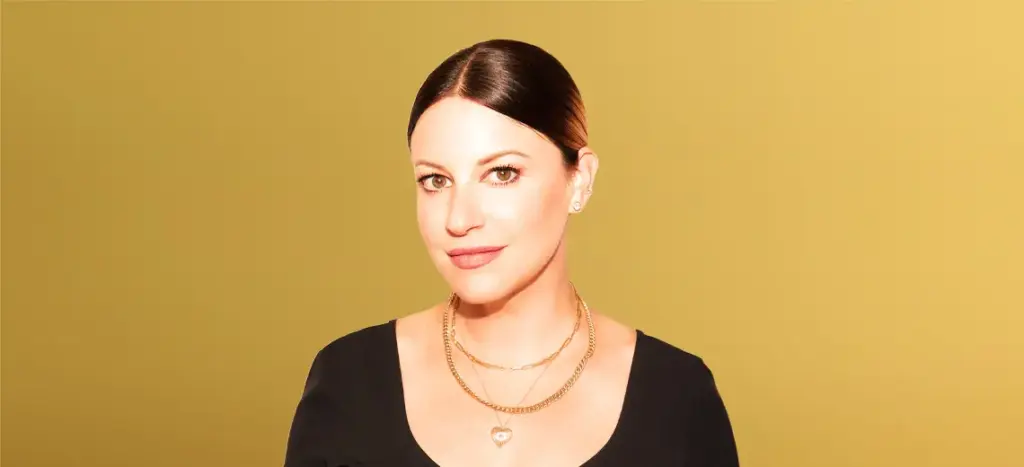
To unpack this industry-wide disconnect, the latest installment of the Glossy Beauty Podcast features host Lexy Lebsack in conversation with veteran celebrity makeup artist and entrepreneur Jamie Greenberg. With a career spanning over two decades and a Rolodex featuring A-listers like Rashida Jones, Kaley Cuoco, Chelsea Handler, Tracee Ellis Ross, and Kristen Stewart, Greenberg offers an insider’s perspective on the friction between runway aspirations and retail realities. As both a digital creator with over 700,000 followers and the founder of the direct-to-consumer brand Jamie Makeup, Greenberg bridges the gap between high-fashion predictions and everyday consumer behavior, charting a pragmatic course for where beauty is truly headed next.
Detailed Chronology: The Evolution of the "Clean Girl" and the 2026 Forecast
To understand the current tension in the beauty aisles, one must trace the timeline of how beauty consumption shifted over the past five years.
2021–2022: The Genesis of Minimalism
Following the global disruptions of the early 2020s, consumer psychology pivoted drastically. Heavy full-coverage foundations, elaborate cut-crease eyeshadows, and Instagram-sculpted brows gave way to a desire for breathability, wellness-coded aesthetics, and perceived authenticity. Propelled by TikTok and Instagram Reels, the "clean girl aesthetic" emerged. It was characterized by slicked-back buns, neutral tones, laminated brows, and an obsession with skin health. Brands that capitalized on skincare-infused cosmetics—tinted serums, lip oils, and cream blushes—experienced meteoric rises.
2023–2024: Institutionalization and Oversaturation
During this window, the minimalist movement transitioned from an underground internet trend into institutional corporate strategy. Legacy brands scrambled to reformulate their product lines, swapping matte finishes for luminous dews. Venture capital poured heavily into indie brands championing "skinimalism." Yet, behind closed doors, product developers and trend forecasters began asking an inevitable question: How long can consumers stay interested in variations of beige?
2025: The Prediction of the Maximalist Pendulum
By late 2025, beauty publications and trend agencies began planting the seeds for a counter-revolution. Reviewing international fashion weeks and shifts in youth culture, forecasters declared that 2026 would mark the official retirement of the clean girl. Executives across major retail conglomerates publicly aligned their inventory strategies around a predicted resurgence of vibrant color, dramatic eye makeup, and theatrical self-expression.
2026 (Present Day): The Execution Gap
As the industry navigates the current year, a glaring mismatch has appeared between corporate expectations and consumer purchasing habits. While runways and editorial spreads overflow with vivid pigments and graphic liners, everyday shoppers continue to clear shelves of multi-tasking complexion boosters and low-maintenance lip products. The transition has stalled, creating a unique paradox that beauty brands must now navigate.
Supporting Context & Metrics: What the Numbers Tell Us
The divergence between editorial enthusiasm and hard retail data highlights a critical lesson in modern commerce: predicting trends is easy; shifting consumer wallet share is exceedingly difficult.
The Financial Footprint of "Skinimalism"
Publicly traded beauty conglomerates continue to lean heavily on the financial cushions provided by low-maintenance categories. According to recent quarterly earnings reports:
- E.l.f. Beauty continues to see explosive growth driven largely by versatile, high-value complexion enhancers, liquid blushes, and everyday lip hydrators.
- The L’Oréal Group notes that consumer demand for hybrid skincare-makeup products remains resiliently high, defying predictions of an imminent maximalist takeover.
The Role of DTC Innovation and Social Media
This economic reality is further illuminated by founders like Jamie Greenberg. Operating at the intersection of professional artistry and direct-to-consumer commerce, Greenberg’s brand, Jamie Makeup, reflects the practical demands of the modern consumer. Products like her signature "Blighlighter" (a blush-and-highlighter hybrid) and the "B.F.M.R. Mist" (a spray makeup remover) speak directly to a consumer base that values efficiency, speed, and multi-functional utility over complicated, time-consuming regimens.
Simultaneously, Greenberg’s massive digital footprint—spanning over 700,000 followers across TikTok and Instagram—alongside her monthly subscription box service, SwagBag, provides her with a real-time barometer of consumer sentiment. While followers engage with bold, creative artistry on their feeds, their day-to-day purchasing habits remain tethered to products that simplify their lives rather than complicate them.
Official Statements & Expert Analysis: Inside the Glossy Beauty Podcast
During her conversation on the Glossy Beauty Podcast, Jamie Greenberg offered a nuanced breakdown of why the transition away from minimalism looks different in practice than it does on paper. Rather than a sudden, violent overthrow of the clean aesthetic, Greenberg argues that the future of makeup is defined by evolution, personal autonomy, and a return to individual playfulness.
On the Realities of the Trend Cycle
Reflecting on the longevity of the clean aesthetic, Greenberg noted:
“We’ve been [wearing the] ‘clean girl aesthetic’ for a minute. But everything comes back around, you know? It’s just always with a little twist on it. So I think, based on all of the fashion shows and what we’re seeing on the runways, which usually indicates where the trends are going, we’re seeing a lot more color. A lot more eyeshadow. We’re seeing bold lips, but blurred — not so much with pencil anymore. We’re seeing blush again… Skin is going to take a backseat, whereas, for the past year or two, I feel like skin has taken a front seat. [But now] skin is just going to be part of the show, but we’re not going to pay attention to it [as much]. It’s not going to be glassy, it’s not going to be matte; it’s just going to be skin.”
On the Democratization of Personal Style
Addressing the younger generation’s approach to cosmetics, Greenberg highlighted a shift away from rigid, homogenous rules toward eclectic self-expression:
“People are not afraid to wave their personality a little bit, so whether that is as simple as learning how to do fake lashes on yourself, or put on a blue eyeshadow, or a green liquid liner, or whatever it is, people are excited to experiment. They’re looking at makeup as an accessory now. … That’s especially [true of] the younger generation. They are all over the place. You’re getting your California girls wearing, like, the ‘clean girl aesthetic’. You’re getting your anime furry girls putting on crazy [makeup], and you’re just seeing such a creative movement from the youth. … They’re the trendsetters now.”
Future Outlook: Navigating the Middle Ground
As the beauty industry looks toward the remainder of the decade, brands, retailers, and beauty professionals must adapt to a consumer base that refuses to be placed into a single box. The dichotomy between the data-driven dominance of everyday skin products and the vibrant experimentation championed by youth culture suggests that the future of makeup is not binary.
1. The Death of Monolithic Trends
Gone are the days when an entire generation adhered to a single, mandated look. As Greenberg points out, today’s consumer ecosystem is wildly fragmented. A Gen Z shopper might sport a dewy, minimal complexion on a Tuesday morning for class, and pivot to an anime-inspired, hyper-colored look for a weekend social event. Brands must cater to this duality, offering products that serve both utilitarian daily needs and occasional creative expression.
2. Makeup as an Accessory, Not a Mask
The philosophy of makeup is evolving from corrective art to wearable accessory. This explains why textured, blurred lips and splashes of chromatic eyeshadow are gaining traction in editorial spaces without entirely cannibalizing the sales of tinted moisturizers. Consumers want the freedom to accessorize their faces without committing to heavy, suffocating layers of base makeup.
3. The Strategic Imperative for Brands
For conglomerates and indie labels alike, the mandate moving forward is agility. Retailers who bet exclusively on a total return to maximalism risk alienating shoppers who still rely on the effortless staples of the past five years. Conversely, brands that refuse to innovate beyond neutral balms and skin tints risk losing the attention spans of younger, trend-setting consumers who view cosmetics as a canvas for boundless creativity.
Ultimately, the tension in the beauty industry is not a sign of stagnation—it is a sign of maturation. As makeup continues to operate as both a functional daily tool and an extraordinary vehicle for personal identity, the brands that thrive will be those that embrace the paradox, offering consumers the infrastructure to look like themselves, while giving them the tools to transform whenever they choose.