Executive Overview
In the volatile ecosystem of modern Hollywood studio accounting, few phenomena spark as much immediate public outrage and industry-wide anxiety as the "shelved-for-tax-write-down" motion picture. When a completed film—fully edited, scored, and polished—is locked away indefinitely by a conglomerate to harvest a financial offset, it represents a unique form of cultural erasure.
For a time, the high-profile hybrid live-action and animated comedy Coyote vs. Acme seemed destined to become the most notorious casualty of this corporate calculus. Originally developed by Warner Bros., the film faced what appeared to be an irreversible execution in late 2023 when the studio shelved the project entirely, seemingly locking it away in a digital vault for good.
To cope with the sudden, devastating realization that their hard work would likely never meet an audience, the cast and crew gathered for a bittersweet rite of passage: a self-described "funeral screening."
Yet, Hollywood loves a redemption narrative, and few recent comebacks rival the trajectory of this Looney Tunes spin-off. Following a fierce public outcry, strategic industry leaks, and tireless advocacy from its creative team, the tide turned. In March 2025, Ketchup Entertainment stepped in, rescuing the orphaned asset from Warner Bros. and securing a wide theatrical distribution window.
Now, with a confirmed release date of August 28, 2025, and a triumphant Los Angeles premiere in the rearview mirror, Coyote vs. Acme stands not only as a victory for the artists who refused to let it die, but as a fascinating case study in intellectual property stewardship, corporate accountability, and the unyielding power of community in the entertainment industry.
Detailed Chronology: Anatomy of a Hollywood Heartbreak and Resurrection
To fully grasp the magnitude of the journey Coyote vs. Acme underwent, one must trace the timeline from its ambitious greenlight to its near-death experience, and finally, its triumphant resurrection.
Phase 1: Development and Production
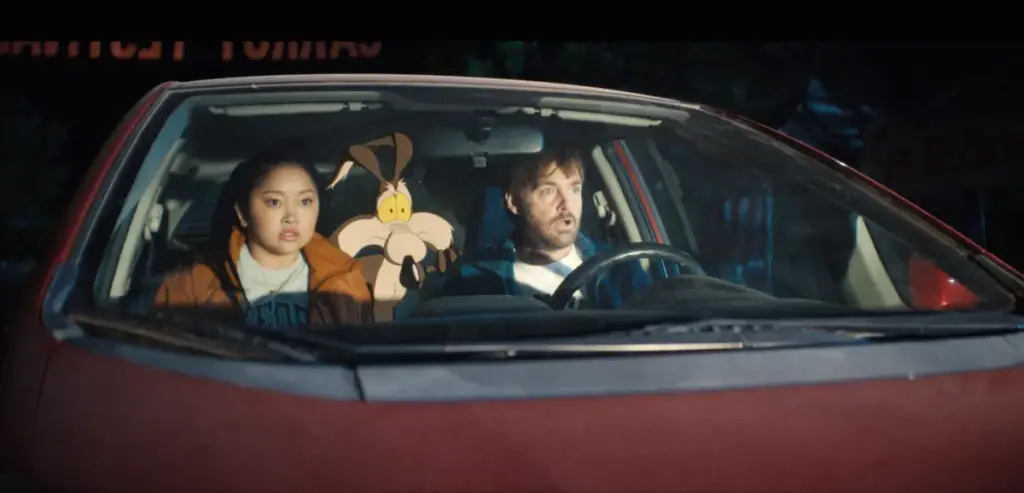
Rooted in the rich, anarchic lore of Warner Bros.’ legendary Looney Tunes universe, Coyote vs. Acme set out to answer a question that had plagued cartoon lovers for decades: What happens when Wile E. Coyote finally decides to sue the Acme Corporation for its catastrophically defective products?
Blending live-action elements with state-of-the-art animation, the film enlisted a stellar creative roster. Dave Green stepped into the director’s chair, guiding a screenplay that balanced slapstick nostalgia with a surprisingly sharp legal comedy tone. The cast featured comedy veterans and rising stars alike, including Will Forte as Wile E. Coyote’s down-on-his-luck human lawyer, Lana Condor, and John Cena as the slick, corporate defense attorney representing Acme, alongside a supporting ensemble featuring Tone Bell, Martha Kelly, Luis Guzmán, P.J. Byrne, and John Early. Production wrapped smoothly, and the film moved into post-production, where test screenings reportedly played exceptionally well with audiences.
Phase 2: The Axing and the Public Backlash
In November 2023, the industry was rocked by reports that Warner Bros. Discovery had decided to write down the film for tax purposes, effectively canceling its release despite the movie being fully completed. Following the controversial shelving of Batgirl and Scoob! Holiday Haunt, the move triggered a massive backlash across social media and within the creative community. Directors, writers, and fans openly criticized major studios for weaponizing finished art as tax write-offs, sparking discussions about the preservation of creative labor.
Phase 3: The "Funeral Screening"
Convinced that the studio doors were permanently bolted, the creative team elected to process their grief through an underground ritual. They organized a private, clandestine "funeral screening"—an emotional gathering where the cast, crew, and close industry peers could watch the completed film together for what they assumed would be the only time in their lives. It was an evening charged with heavy emotions, marked by self-doubt, creative mourning, and, ultimately, a defiant celebration of the artistry that went into making the film.
Phase 4: The Rescue and the Road to Release
Behind the scenes, the fight for the film continued. While Warner Bros. initially explored selling the movie to other distributors, talks stalled, leading to widespread pessimism. However, perseverance paid off. In March 2025, independent distributor Ketchup Entertainment finalized a deal to acquire the title. Breathing new life into the project, Ketchup slated Coyote vs. Acme for a high-profile theatrical release on August 28, transforming what was once a tragic industry footnote into one of the summer’s most anticipated cinematic events.
Supporting Context & Metrics: The Economics of Shelved Cinema
The controversy surrounding Coyote vs. Acme sheds light on a broader economic trend within the media landscape: the strategic write-down of completed media assets. Understanding the metrics and corporate incentives behind these decisions provides essential context for why the film’s rescue was such an extraordinary anomaly.
The Tax Write-Down Phenomenon
In the wake of corporate mergers and streaming-era corrections, major studios have occasionally utilized specific clauses in tax codes to write off the production costs of completed or near-completed projects. By shelving a film and declaring it an unreleased, monetarily defunct asset, a studio can offset taxable income. However, this financial maneuver comes with a heavy reputational cost. It alienates top-tier talent, demoralizes production crews, and strains relationships with creative agencies who fear their work will be sacrificed for quarterly balance sheets.
Financial Stakes and Budgetary Metrics
Coyote vs. Acme carried an estimated production budget in the mid-$70 million range. For a mid-budget studio film relying on a hybrid format, this represents a significant financial investment. Analysts noted that writing off a film of this scale generated substantial short-term tax savings for Warner Bros. Discovery, but the intense negative public relations campaign—amplified by industry guilds and prominent filmmakers—demonstrated that intangible assets like brand goodwill and talent relations carry a high, if difficult-to-quantify, value.
The Rise of Independent Rescues
The intervention of Ketchup Entertainment highlights a growing secondary market where independent distributors step in to salvage orphaned studio films. While rare for a project of this budget tier, the acquisition of Coyote vs. Acme suggests that other studios may look to divest completed, shelved assets rather than endure prolonged negative press and forfeit potential revenue entirely.
Official Statements & Cast Reflections: Inside the "Funeral" and the Premiere
At the Los Angeles premiere of Coyote vs. Acme, the emotional wheres and hows of the past two years were top of mind for the cast and crew. Speaking candidly with the press, the artists reflected on the surreal journey from despair to vindication.
Lana Condor on Creative Doubt and Devastation
For star Lana Condor, walking into the initial "funeral screening" was an exercise in psychological endurance. Reflecting on the uncertainty, Condor shared her raw perspective with Variety:
"It’s so horrible. It’s like, really easy to blame yourself. You almost feel like, ‘Was I the problem?’ You’re devastated for the hundreds of people who have worked on this far longer than I have. It feels like a funeral."
The sentiment captured the collateral damage inflicted upon actors and crew members when corporate decisions abruptly halt projects into which they have poured months or years of creative energy.
Dave Green on Finding Joy in Despair
Director Dave Green admitted that there were "many, many times" he was convinced the movie would never see the light of day. Yet, rather than keeping the wake strictly somber, the team opted for an unconventional approach reminiscent of a New Orleans jazz funeral.
"You can have a New Orleans funeral, [with] a jazz band walking up the street, just having a celebration," Green joked during the premiere red carpet interviews. "That screening for us was emotional in so many ways. It was a bit of a party because we were able to share the movie with friends and other filmmakers who had never seen the movie. And I got to share it with Will [Forte] and Lana, who never got to see the final movie. So that moment was so charged and electric, and the room played so hot."
That electric screening ultimately became the legendary word-of-mouth catalyst that kept the spirit of the film alive during its darkest hours, proving to the filmmakers that their work possessed undeniable theatrical magic.
Future Outlook: What Coyote vs. Acme Means for Hollywood
As Coyote vs. Acme prepares for its wide theatrical rollout on August 28, the implications of its survival extend far beyond box office receipts. The film’s journey serves as a watershed moment for how Hollywood handles completed intellectual property and creative labor rights.
A Blueprint for Advocacy
The successful rescue of the film demonstrates the power of coordinated public pressure, industry solidarity, and leaks from within the creative community. Artists and technicians who feel marginalized by corporate restructuring now have a recent, high-profile precedent proving that shelved films are not always destined to remain locked away forever.
Re-evaluating IP and Legacy Characters
For Warner Bros., the rollout of Coyote vs. Acme will serve as a ultimate test of audience forgiveness and enthusiasm regarding classic properties. The Looney Tunes brand has endured for nearly a century, adapting through countless iterations. By bringing Wile E. Coyote’s courtroom battle against the Acme Corporation to the big screen, the studio has an opportunity to revitalize a legacy property with a fresh, meta-narrative twist that appeals to families, comedy lovers, and animation purists alike.
The Theatrical Test
Ultimately, the true measure of this redemption story will be written at the box office. When audiences file into theaters on August 28, they will not just be watching a slapstick comedy about a persistent coyote and a hapless legal team; they will be witnessing the physical manifestation of a film that refused to die. For Dave Green, Lana Condor, Will Forte, John Cena, and the hundreds of artists who gathered to mourn a movie they thought was lost, the upcoming premiere is more than a release—it is a resurrection.