Executive Overview
For millions of beauty consumers worldwide, the daily hair care routine operates as an exercise in frustration. Despite investing heavily in premium conditioners, intensive hair masks, and hydrating leave-in treatments, many individuals find their hair stubbornly remaining dry, brittle, and unmanageable. The culprit behind this persistent beauty dilemma is frequently misunderstood: low-porosity hair.
Unlike high-porosity hair, which features raised and open cuticles that readily absorb—and just as quickly lose—moisture, low-porosity hair is characterized by a tightly sealed, overlapping cuticle layer. While this structural trait provides inherent strength and a natural, glossy sheen, it erects an almost impenetrable barrier against water and conditioning agents. Consequently, hydration struggles to breach the hair shaft, leaving products to accumulate on the surface. This creates a deceptive cycle where hair feels heavily coated, greasy, and weighed down, yet remains fundamentally parched underneath.
As consumer awareness surrounding hair typing evolves past simple categorizations of straight, wavy, curly, and coily, the beauty industry is undergoing a paradigm shift. Stylists, trichologists, and beauty editors are emphasizing the critical importance of porosity in formulating effective, personalized hair regimens. Concurrently, top-tier beauty publications are completely overhauling their product evaluation frameworks. Recognizing that a generic "one-size-fits-all" approach to product reviews inevitably fails consumers with specialized needs, media outlets are deploying rigorous, identity-diverse testing panels.
This comprehensive report investigates the physiological mechanics of low-porosity hair, identifies the chemical formulations that either heal or harm these unique strands, and explores the modern methodologies defining authoritative beauty journalism.
Detailed Chronology: The Evolution of Hair Porosity Awareness and Testing Methodologies
Understanding hair porosity has not always been central to mainstream hair care discourse. For decades, the beauty market was dominated by universal product lines that promised miraculous results regardless of an individual’s underlying structural hair type.
The Shift Toward Structural Hair Care (Early 2000s)
- The Rise of the Curly Hair Movement: As natural hair communities gained momentum on early internet forums and social media, consumers began sharing hyper-specific strategies for managing textured hair. It became apparent that curl pattern alone (e.g., Type 3 vs. Type 4) was insufficient for predicting how hair would respond to moisture.
- Recognition of Cuticle Dynamics: Trichological science gradually filtered into consumer spaces, highlighting the role of the cuticular layer. Discussions shifted from merely surface-level shine to the internal architecture of the hair fiber, giving birth to the modern concept of porosity (low, medium, and high).
The Commercialization of Specialized Formulations (2010s)
- The Ingredient Literacy Boom: Armed with cosmetic chemistry insights, consumers began examining product ingredient decks. The limitations of heavy butters and silicones on tightly sealed cuticles became a prominent topic among natural hair educators.
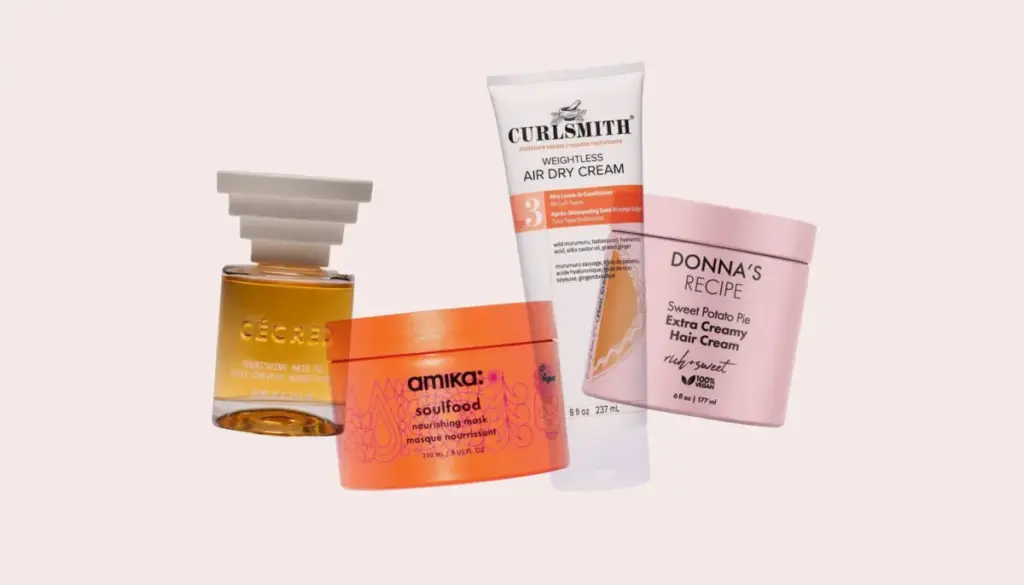
- The Need for Lightweight Hydrators: Brands began formulating specifically for low-porosity needs, pivoting away from dense coconut- and shea-heavy formulas in favor of humectant-rich, water-soluble solutions.
The Modern Era of Inclusive Product Testing (Present Day)
- Demanding Rigorous Standards: Today, beauty publications and testing laboratories are moving away from monolithic review panels. Recognizing that a product performing well on high-porosity or fine, straight hair may spell disaster for low-porosity coils, editorial teams have instituted multi-tier testing matrices.
- Demographic Diversification: Testing protocols now mandate diverse panels encompassing varied ages, ethnicities, hair lengths, curl patterns, and porosity levels to ensure absolute consumer trust.
Supporting Context & Metrics: Decoding Low-Porosity Hair
To fully grasp why low-porosity hair behaves the way it does, one must examine the intersection of structural biology and cosmetic chemistry.
Identifying Low-Porosity Hair: Key Metrics and Indicators
Diagnosing low-porosity hair requires observing how the hair interacts with water and topical treatments. Experts point to several definitive diagnostic indicators:
- Extended Wetting and Drying Times: When stepping into the shower, individuals with low-porosity hair often notice that it takes a surprisingly long time for water to fully saturate the strands. Conversely, once saturated, the hair acts like a sponge that refuses to let go, taking hours to air-dry. This occurs because water droplets struggle to force open the tightly bound cuticle shingles.
- Product Accumulation and "Slip-Off": Because the cuticle scales lie completely flat against the cortex, styling creams and leave-in conditioners cannot penetrate. Instead, they remain suspended on the outer layer. This leads to a persistent coated feeling, rapid product buildup, and weighed-down strands that lack natural movement.
- The Illusive Shine: Low-porosity hair is frequently mistaken for healthy, well-moisturized hair simply because the flat cuticles reflect light exceptionally well, creating a brilliant natural sheen. However, beneath this reflective surface, the cortex may be starving for internal hydration.
The Chemical Spectrum: What Works and What Fails
Formulating for low-porosity hair demands a strict adherence to molecular weight principles. Because the entry points are exceptionally narrow, ingredients must be chosen based on their ability to bypass or gently lift the cuticle barrier without causing suffocation.
| Category | Recommended Ingredients | Ingredients to Avoid |
|---|---|---|
| Moisturizers & Hydrators | Hyaluronic Acid, Glycerin, Aloe Vera Juice | Heavy Glycerin blends without sealing agents (in extreme humidity) |
| Oils & Emollients | Sweet Almond Oil, Argan Oil, Grapeseed Oil | Coconut Oil, Shea Butter, Castor Oil (high concentrations) |
| Waxes & Sealants | Lightweight botanical extracts | Mineral Oil, Petrolatum, Heavy Synthetic Waxes |
Official Statements & Expert Insights
Industry professionals offer critical clarity on managing low-porosity hair and the operational philosophy required to review products with integrity.
Expert Perspectives on Low-Porosity Biology and Formulation
Michelle, a leading hair care specialist, explains the core mechanical challenge:
"Low-porosity hair has a tightly sealed cuticle, which makes it difficult for water and moisturizing ingredients to penetrate the hair shaft. As a result, people with low-porosity hair often struggle to maintain hydration, leading to dryness and frizz. Additionally, the lack of absorption can cause products to sit on the surface, resulting in a heavy, greasy feeling, and potentially buildup over time. Any hair type or texture can be low porosity."
Expanding on the diagnostic process, Nolan notes the distinct physical behavior of these strands:
"If it takes a minute for your hair to actually get wet—and then it takes forever to dry once you’re out of the shower—that’s your answer. You may also find your hair products taking up residency on top of your strands instead of soaking into them, leaving the hair feeling coated or heavy. While low-porosity hair can often look shiny, it may still feel dry because moisture isn’t easily getting inside the strand."
When addressing formulation adjustments, Jose highlights the precise chemical requirements needed to achieve results:
"The best ingredients for low-porosity hair are humectants (such as hyaluronic acid and glycerin) and lightweight oils, like sweet almond or argan oils. It’s essential for low-porosity hair products to include ingredients that are easily absorbed into the cuticle."
Conversely, avoiding counterproductive ingredients is equally vital. Nolan cautions against common mainstays of the natural hair community:
"Heavy butters and oils are usually the first thing I have clients cut back on, such as shea butter and coconut oil. They typically just coat the strand instead of getting absorbed, leading to buildup."
Michelle elaborates on occlusive agents that exacerbate the issue:
"Mineral oil and petrolatum, excessive waxes, and high concentrations of heavy oils such as castor oil… aren’t inherently bad, but on low-porosity hair they can build up quickly and make the hair feel greasy, stiff, or weighed down before it ever feels moisturized."
The Editorial Review Standard
Authoritative beauty journalism relies on targeted, specialized testing protocols. Editorial teams emphasize that hair care cannot be evaluated through a monolithic lens. Unlike makeup, which may offer cross-category utility, hair products are precision-engineered to solve specific anatomical challenges.
An editorial representative explains the philosophy behind their testing framework:
"While there are certainly products that can be used across different hair textures, lengths, curl patterns, thicknesses, colors, and needs, hair products are often created with specific consumers in mind. Many are created in order to address a concern—such as dandruff, breakage, or brittleness—or to work most effectively for a specific hair type, like 4C curls, wavy hair, or gray hair. You wouldn’t want to pick up a purple shampoo that’s only been reviewed by someone with auburn hair, or a diffuser that’s never been tested by anyone with curls—right?"
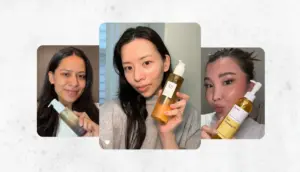
To combat blind spots in product recommendations, modern review boards enlist diverse teams of editors, writers, contributors, and professional hairstylists. Testers evaluate candidates across four rigorous criteria:
- Efficacy: Does the product deliver on its core structural promise (e.g., true hydration versus surface coating)?
- Texture and Experience: How does the formulation feel upon application, and how does it interact with the hair shaft over time?
- Fragrance: Is the scent profile balanced and universally appealing without relying on masking agents that contribute to chemical buildup?
- Packaging: Does the delivery mechanism (pump, spray, squeeze tube) support the targeted dispensing of lightweight or viscous formulas?
Maintaining a staff and testing roster that spans diverse ages, skin tones, hair textures, genders, and backgrounds ensures that recommendations are functionally sound and genuinely helpful for the consumer.
Future Outlook: The Next Frontier in Hair Care and Consumer Advocacy
As the beauty industry marches forward, the conversation surrounding hair porosity is poised to intersect with technological innovation and hyper-personalized cosmetic chemistry.
1. Diagnostic Tech and AI-Driven Hair Analysis
The guesswork associated with porosity tests (such as dropping a strand of hair into a glass of water) is rapidly giving way to digital trichology tools. AI-powered handheld scanners and salon-grade diagnostic devices are entering the consumer market, allowing users to view their cuticle health at a microscopic level. This data-driven approach will enable brands to formulate bespoke, on-demand regimens tailored specifically to an individual’s exact porosity index.
2. Advanced Delivery Systems in Formulation
Cosmetic chemists are actively developing advanced delivery systems—such as micro-encapsulation and thermal-activated delivery—designed to gently lift low-porosity cuticles just enough to deposit lightweight hydration before resealing the shaft. These innovations promise to bridge the gap between heavy, occlusive treatments and lightweight, ineffective mists.
3. The Continued Evolution of Inclusive Journalism
The gold standard for beauty media has permanently shifted. Consumers no longer accept generalized endorsements from homogenous review panels. The demand for radical transparency, rigorous demographic representation, and functional expertise will continue to shape how products are researched, tested, and recommended.
By treating hair care as an exact science rather than a generalized aesthetic pursuit, both beauty brands and journalistic institutions are empowering consumers to finally unlock the true health, shine, and vitality of their hair—regardless of how tightly sealed their cuticles may be.