Executive Overview
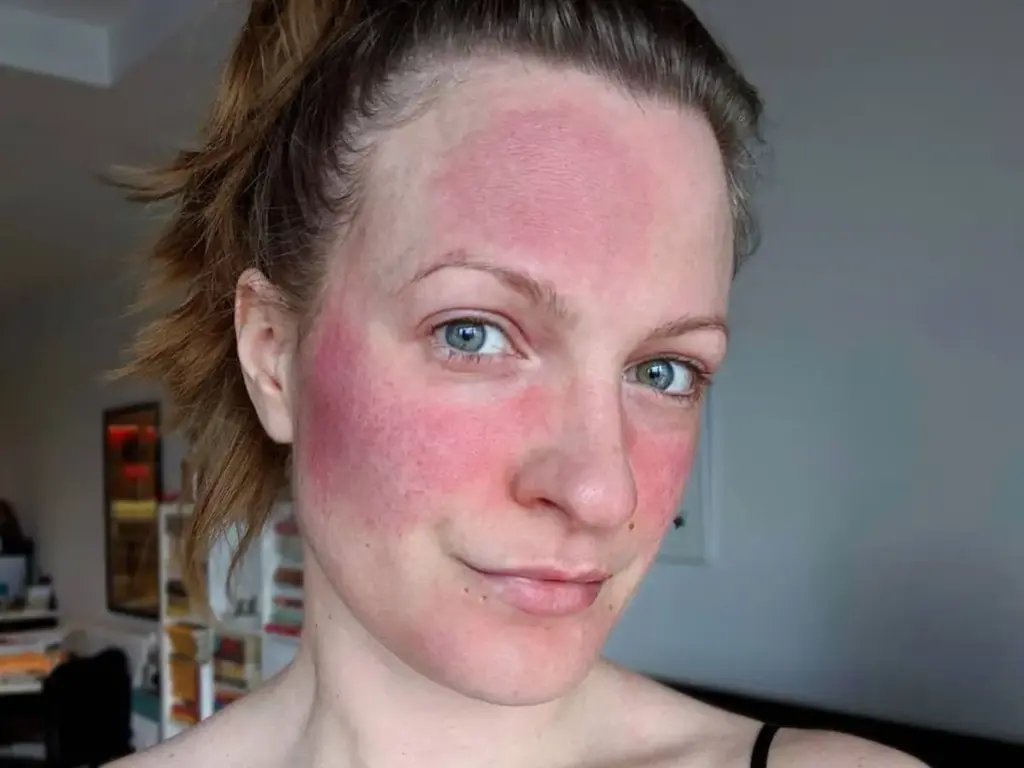
For millions of individuals worldwide, the daily ritual of looking in the mirror brings an unwelcome visual reminder of a condition that remains widely misunderstood by the general public and often inadequately addressed in clinical settings. Rosacea—a chronic, inflammatory skin disorder primarily characterized by facial erythema, persistent flushing, telangiectasia (visible blood vessels), and, in more advanced presentations, papules and pustules—extends far beyond mere cosmetic concern. It is a complex dermatological pathology with profound psychological, social, and physiological ramifications.
Historically dismissed as adult acne, mere shyness, or the superficial consequence of poor lifestyle choices, rosacea affects an estimated 5% of the global population, with a higher prevalence among fair-skinned individuals, particularly women in their 30s and beyond. Yet, despite its high prevalence, the journey to a formal diagnosis is frequently marked by years of personal confusion, trial-and-error treatments, and emotional isolation.
This in-depth investigative feature explores the multifaceted nature of rosacea. By tracing the personal trajectory of living with the condition, incorporating expert dermatological insights, analyzing evidence-based management frameworks, and evaluating the evolution of skincare and therapeutic interventions over the past two decades, this article aims to demystify rosacea. Ultimately, it underscores a vital paradigm shift: that atypical skin does not define an individual’s worth, and through informed management, patients can reclaim control over their skin, their health, and their confidence.
Detailed Chronology: A Personal Journey Through Undiagnosed Rosacea
To truly understand the weight of a rosacea diagnosis, one must examine the lived experience of navigating the condition before modern digital resources and destigmatizing dialogues existed.
The Formative Years: Confusing Flushes with Fitness
Long before clinical terminology entered the lexicon, the signs were present. Growing up with persistently pink skin is a distinct childhood memory for many eventual rosacea patients. Active in numerous school sports teams during adolescence, many young girls find themselves questioning why their facial complexions routinely turn an alarming shade of crimson compared to their peers. Because familial traits often mirror one’s own—a mother or aunt with a naturally ruddy complexion—these early warning signs are frequently normalized and dismissed as genetic quirks rather than pathological indicators.
Higher Education and the Escalation of Symptoms
The transition to university life often amplifies the manifestations of underlying dermatological conditions. For individuals with early-stage rosacea, the social pressures, erratic sleep schedules, and late-night celebrations of young adulthood act as powerful physiological triggers.
Recalling those years, patients often describe acute episodes during social gatherings: suddenly excusing oneself to sprint to the nearest restroom, splashing freezing water onto a burning, throbbing face while feeling the visceral beat of one’s own pulse against the skin. Academic stressors—such as running late to a morning lecture—frequently trigger an involuntary, profound physiological blush that lingers for hours, transforming momentary embarrassment into a persistent physical state. Furthermore, dietary indulgences, such as late-night fast food shared with roommates, regularly result in delayed inflammatory consequences: a swollen, pustule-laden facial landscape the following morning.
The Shock of the Clinical Reality
During eras when skincare awareness was in its infancy—when routines consisted of harsh bar soaps or no regimen at all—patients rarely suspected a chronic medical condition. A complexion that had never technically been "bad" in terms of typical adolescent acne led many to assume that sudden, severe facial redness was merely a temporary allergic reaction, a localized contact dermatitis, or a fleeting infection destined to resolve on its own.
The psychological shock is therefore profound when a primary care physician or dermatologist delivers the definitive verdict: "It’s rosacea, and there is no cure." In many historical clinical encounters, this diagnosis was handed down with little empathetic context. Patients would leave examination rooms clutching a prescription for a topical medicinal gel—often one so harsh it felt as though it were chemically burning the epidermal barrier—while internalizing the subtle, damaging message that they had wasted a clinician’s valuable time on something purely superficial.
Supporting Context & Metrics: Unpacking the Pathology of Rosacea
To move beyond the emotional toll of the condition, it is essential to examine the clinical definitions and underlying mechanisms that drive rosacea.
What is Rosacea? Expert Clinical Insights
According to renowned consultant dermatologist Dr. Justine Kluk, rosacea is a chronic inflammatory skin condition marked by facial redness and a heightened tendency to flush easily. "It frequently manifests in a person’s 30s and most commonly affects individuals with fair skin," Dr. Kluk explains.
When patients inquire about the root causes, dermatological science points to a multifactorial etiology. "There is a wide array of factors that we believe contribute to the development of rosacea," Dr. Kluk notes. "These include genetic predisposition, vascular abnormalities, hormonal fluctuations, microscopic skin organisms—such as Demodex mites—and dietary influences. However, rosacea is so much more than just a red face."
The Clinical Classifications of Rosacea
Dermatologists generally categorize rosacea into four primary subtypes, though patients frequently experience overlapping symptoms:
- Erythematotelangiectatic Rosacea (ETR): Characterized by persistent central facial redness, frequent flushing, and visible, dilated blood vessels (telangiectasias).
- Papulopustular Rosacea: Often mistaken for adult acne, this subtype features persistent redness accompanied by acne-like papules and pustules.
- Phymatous Rosacea: A less common, more severe form involving skin thickening and enlargement, most frequently affecting the nose (rhinophyma).
- Ocular Rosacea: Involves ocular manifestations such as dryness, irritation, swollen eyelids, and a gritty sensation in the eyes.
"Often, the condition begins with a baseline tendency to flush easily," says Dr. Kluk. "Over time, individuals may develop permanent redness across the nose and cheeks, accompanied by a cascade of uncomfortable symptoms—including pustules, dryness, flaking, a persistent burning and stinging sensation, and heightened reactivity to multiple skincare formulations."
Official Statements & The Evolution of Patient Support
From Isolation to Digital Communities
The early 2000s presented a starkly different landscape for those grappling with chronic skin conditions. Devoid of today’s ubiquitous social media ecosystems—where board-certified dermatologists, aesthetician educators, and patient advocates routinely deconstruct skincare routines and treatment methodologies—patients two decades ago relied primarily on word-of-mouth, family advice, and glossy beauty magazines.
For many, this era was defined by profound isolation. Knowing no one else in their immediate social circle with a comparable skin disorder meant enduring the psychological burden silently. Relief often arrived only through early internet forums—clunky American message boards where "ordinary" people shared candid accounts of their therapeutic triumphs and devastating flare-ups. These digital sanctuaries served as the catalyst for patients to begin mapping their own personalized lists of rosacea triggers.
Identifying and Managing Triggers
Clinical observations from experts like Dr. Kluk align closely with patient-reported data gathered over decades. Primary environmental and lifestyle triggers include:
- Ultraviolet (UV) radiation and direct sun exposure
- Strong winds and extreme atmospheric temperatures
- Emotional stress and anxiety
- High-intensity physical exercise
- Dietary stimulants such as caffeine, alcohol, and spicy foods
Successfully mitigating these triggers requires comprehensive lifestyle restructuring. Over a 14-year journey of self-management, many patients systematically overhaul their daily habits: moderating alcohol consumption, minimizing dairy and refined sugars, avoiding excessively hot showers or baths, reducing heat-styling of hair, and actively regulating mental health to better cope with professional and social stressors. Furthermore, the establishment of dedicated educational platforms and blogs by long-term patients has transformed individual survival strategies into accessible, community-driven support networks.
Therapeutic Approaches and Skincare Protocols
Managing rosacea requires a delicate balance between medical intervention and a minimalist, barrier-supportive skincare regimen. Because patients frequently present with comorbid conditions—such as seborrheic dermatitis, an inflammatory skin condition causing scaling and redness—formulations must be chosen with extreme care.
The Role of Medical Interventions
When lifestyle modifications and basic OTC hydration prove insufficient, dermatologists have an expanding arsenal of targeted medical therapies:
- For Flushing: Medications traditionally utilized for anxiety or menopausal flushing—such as low-dose beta-blockers or clonidine—can help mitigate sudden vascular dilation.
- For Redness and Pustules: Topical prescriptions containing azelaic acid or specific antibiotics (such as metronidazole) reduce inflammation. Newer therapeutic agents include Ivermectin cream, which targets inflammatory pathways and microscopic skin mites, and Brimonidin gel, which constricts dilated facial blood vessels to temporarily alleviate erythema.
- For Visible Blood Vessels: When topical measures reach their limit, vascular lasers and intense pulsed light (IPL) therapy offer highly effective means of reducing persistent telangiectasias.
Constructing a Rosacea-Friendly Skincare Routine
For daily maintenance, leaning toward trusted, minimalist pharmacy brands—such as French dermatological laboratories like La Roche-Posay, Avene, and Bioderma—provides a reliable foundation. Below is an evidence-informed structural guide to daily management inspired by long-term patient successes:
Evening Protocol: Cleansing, Hydration, and Gentle Active Management
- Gentle Cleansing: Utilize a non-stripping, milky cleansing fluid (e.g., La Roche-Posay Toleriane Cleansing Fluid) designed to dissolve makeup and impurities without inducing post-cleansing tightness or thermal flushing.
- Humectant Layering: Apply a hydrating serum rich in hyaluronic acid (e.g., La Roche-Posay Hyalu B5 Serum) to draw moisture into the epidermal layers without clogging pores or triggering reactivity.
- Barrier Moisturization: Seal hydration with a simple, fragrance-free fluid moisturizer (Toleriane Sensitive Fluid).
- Targeted Anti-Aging (With Caution): As skin matures into its mid-30s, incorporating vitamin-A derivatives for collagen preservation becomes a goal. While potent, retinoids must be introduced with extreme caution in rosacea patients to avoid flaking, irritation, and accelerated erythema. Low-strength formulations or advanced delivery systems (such as encapsulated retinaldehyde, e.g., Medik8 Crystal Retinal 6) can be integrated slowly, starting at one to two nights per week.
Emergency Protocol: Calming Acute Flare-Ups
For days when the skin feels uncomfortably hot, tight, or inflamed:
- Anti-Itch & Cooling Mists: Utilize soothing thermal waters or specialized anti-itch sprays (e.g., Bioderma Atoderm SOS Spray).
- Refrigerated Masks: Keep specialized cooling, anti-inflammatory masks (e.g., SkinCeuticals Phyto Corrective Masque) stored in a refrigerator to instantly alleviate thermal sensations and constriction.
- Barrier Repair Balms: Employ restorative, heavy-duty barrier creams enriched with panthenol and madecassoside (e.g., La Roche-Posay Cicaplast Baume B5+) to repair compromised lipid barriers, soothe irritation, and provide profound moisture without occluding reactive tissue.
Future Outlook: Normalizing Atypical Skin
While a universal cure for rosacea remains elusive, the contemporary landscape of dermatology offers unprecedented hope, education, and community support. The trajectory of rosacea management has shifted from secretive coping mechanisms and harsh, trial-and-error home remedies to sophisticated, multi-modal treatment plans combining advanced pharmacology, laser technology, and barrier-focused cosmetic science.
More importantly, the cultural narrative surrounding skin health is undergoing a profound evolution. The surging visibility of real, atypical skin across digital media platforms challenges archaic societal standards of flawless perfection. It reinforces a liberating truth: living with a chronic skin condition does not necessitate hiding away, feeling perpetual shame, or allowing a medical pathology to dictate one’s self-worth.
Atypical skin is neither the most defining nor the most interesting characteristic of an individual. By normalizing visible vascular variations, redness, and texture through transparent discourse, patients and clinicians alike are dismantling the stigma of dermatological disorders. Ultimately, mastering rosacea is not about achieving an impossible, filter-smooth ideal; it is about reclaiming agency—ensuring that a chronic condition remains a manageable aspect of life rather than the master of it.