For years, my workout philosophy was built on simplicity, speed, and sweat. As a dedicated runner, my fitness routine relied on the immediate, visceral rush of lacing up my sneakers, heading out the door, and chasing solo endorphins. I understood the theoretical benefits of reformer Pilates—enhanced core stability, increased mobility, and a deeper mind-body connection—yet I viewed it as a supplemental discipline, something reserved for restorative recovery weeks rather than a primary training regimen.
However, as a modern professional balancing high stress levels with a posture permanently compromised by hours of screen time, my physical metrics were heading in the wrong direction. My flexibility was waning, my joints were chronically tight from pounding the pavement, and my stress management tactics were falling flat. Simultaneously, a cultural shift was taking place. A-listers and high-profile performers like Adele, Hailey Bieber, and Margot Robbie had long championed the transformative physical effects of the practice, turning boutique reformer studios into the epicenters of contemporary wellness.
Deciding it was time to step out of my comfort zone and investigate the hype firsthand, I committed to a rigorous month-long challenge: swapping a portion of my weekly mileage for two structured, one-hour reformer Pilates classes per week at Heartcore, one of London’s premier dynamic Pilates studios.
This deep dive was not merely an exploration of a trendy workout; it was an investigative journey into muscle activation, joint preservation, and mental clarity. What follows is the detailed chronicle of my month-long immersion, the science behind the reformer, and the candid, unfiltered takeaways of trading the open road for a sliding carriage, springs, and straps.
What is Reformer Pilates? The Mechanics and Anatomy of the Machine
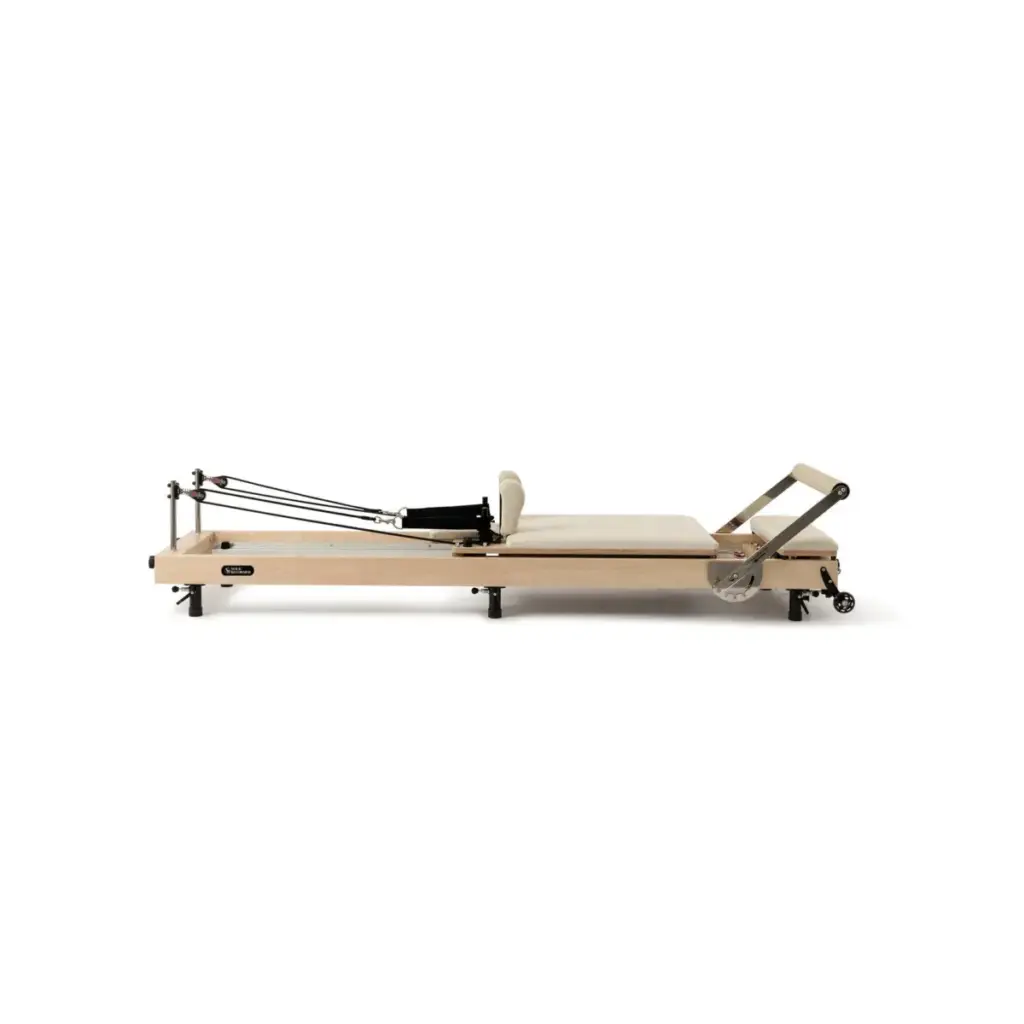
To understand why the reformer yields such distinct physical changes, one must first demystify the apparatus itself. Unlike mat Pilates, which utilizes body weight and gravity on a flat surface, reformer Pilates is centered around a specialized piece of equipment designed by Joseph Pilates in the early 20th century.
The reformer machine consists of a large, flat bed-like frame called a "carriage" that rolls back and forth on wheels within tracks. This carriage is attached to a series of adjustable springs that provide varying degrees of resistance. Additional components include a sliding footbar, long straps with handles for feet and hands, and static platforms at either end.
The Science of Instability and Resistance
According to Jessie Blum, elite trainer and founder of Heartcore, the unique design of the reformer introduces calculated instability to every movement.
"The cushioning, height, and instability of the rolling carriage with the variety of spring resistance provides all kinds of stability challenges that develop deep core strength and improved balance and coordination," Blum explains. "The machine works the whole body resulting in a low-impact method that integrates breath with movement and activates your deep core muscles."
Crucially, reformer Pilates is a comprehensive full-body conditioning method. It targets every muscle group, from major prime movers like the glutes and quadriceps to stabilizing micro-muscles across the transverse abdominis, oblique chains, back extensors, and the pelvic floor. Furthermore, expert instruction emphasizes diaphragmatic breathing, ensuring that internal pressure management supports every kinetic chain. Classes frequently incorporate accessory tools such as weighted Pilates balls, magic rings, ankle weights, and heavy-duty resistance bands to scale the intensity.
Detailed Chronology: A Month-Long Journey into the Studio
Week 1: Intimidation, Adaptation, and Muscle Burn
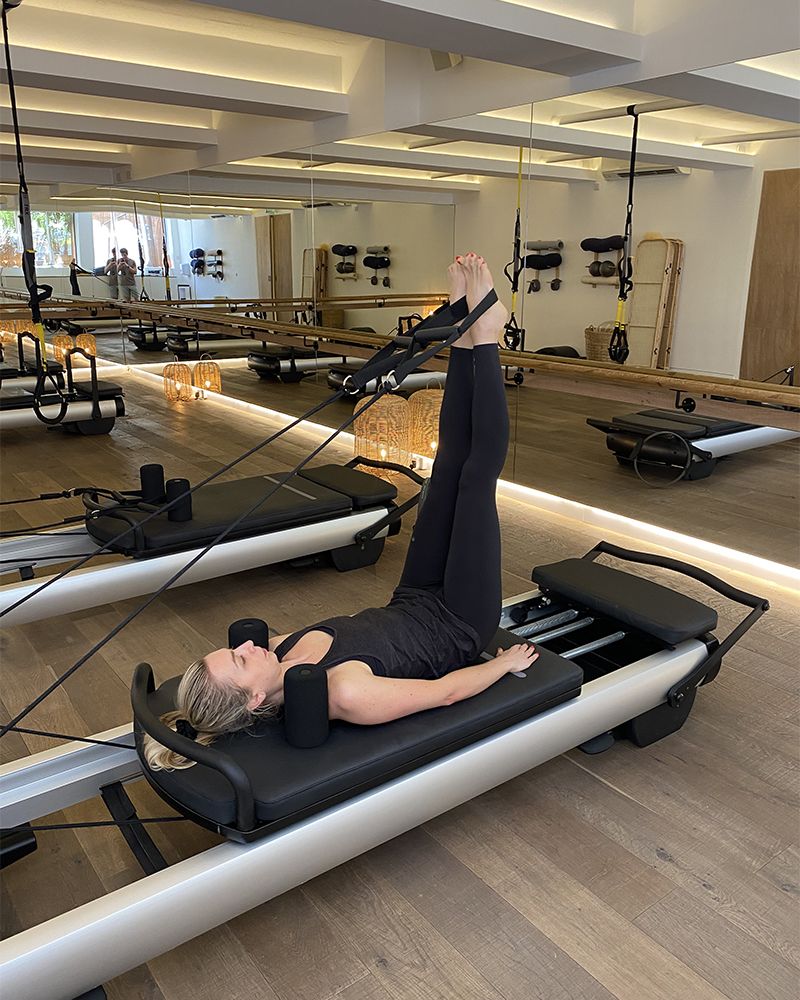
Arriving at the St John’s Wood studio for my inaugural session, I felt a familiar pang of pre-class anxiety. Despite my baseline cardiovascular fitness, the array of springs, pulleys, carriages, and leather straps looked intimidatingly clinical—resembling something out of a rehabilitation clinic rather than a high-octane fitness space.
“How hard can it be?” I whispered to myself, a phrase that elite fitness instructors universally love to dismantle.
The answer arrived within the first ten minutes: exceptionally hard.
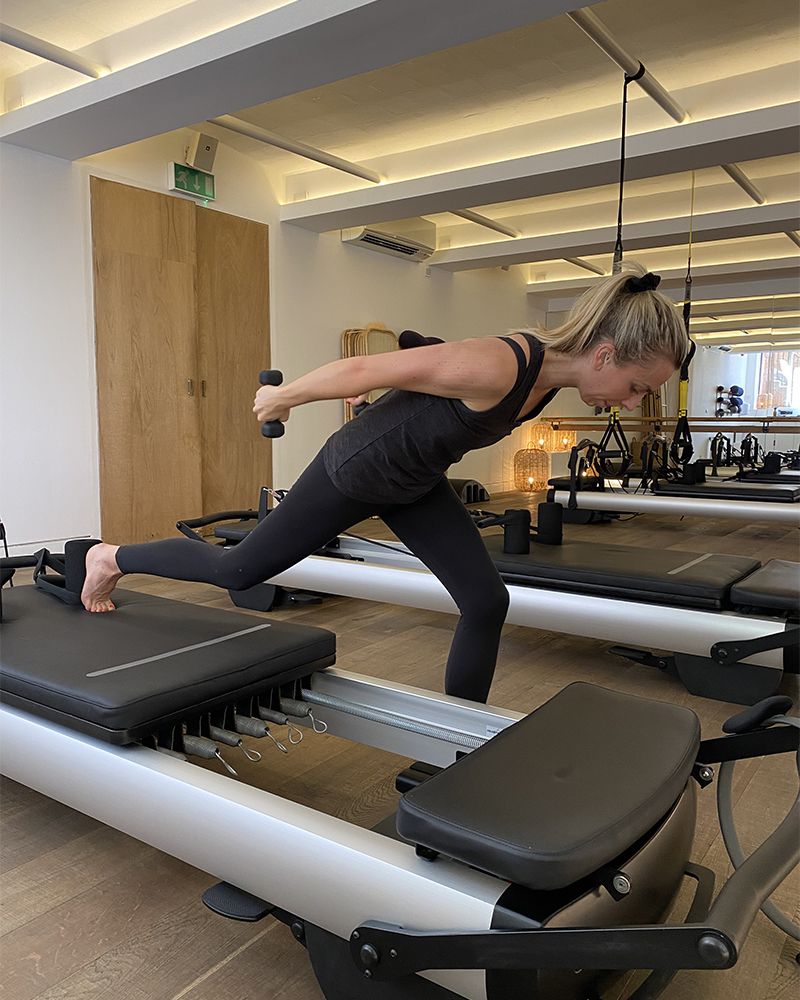
Dynamic Pilates requires moving with deliberate, excruciating slowness. While running rewards momentum and fast-twitch explosive output, reformer Pilates demands deceleration, eccentric control, and continuous muscular tension. As the instructor cued a sequence involving single-leg lunges on the moving carriage followed by core-intensive "infant" and "frog" sequences, my core burned, my heart rate spiked, and my limbs trembled. I felt perpetually out of sync, wrestling with both the mechanical resistance of the springs and my own lack of proprioceptive awareness.
Yet, the physical sensation immediately post-workout was not the depleted exhaustion of a hard interval run, but a profound sense of physical alignment and muscular invigoration.
Weeks 2 and 3: The Turning Point of Neuromuscular Efficiency
By the second week, the initial learning curve began to flatten. The machine stopped feeling like an adversary and began to act as an external feedback loop. I started understanding how to manipulate the spring settings—opting for lighter springs during core exercises to force my deep stabilizing muscles to work harder against the lack of momentum.
By week three, noticeable physiological shifts began to manifest. While my cardiovascular endurance remained high from running, I observed a distinct change in upper-body muscle definition. My shoulders and arms appeared more sculpted. While exercise physiologists note that early changes in muscle tone can partly be attributed to a temporary "muscle pump"—where fluid rushes to muscle fibers during repair—the functional strength gains were undeniable. I could hold planks longer, stabilize through transitions with minimal shaking, and execute complex movement patterns with synchronized breathwork.
Week 4: Integration and Synergy
By the final week of the challenge, reformer Pilates had transitioned from an intimidating experiment into an anticipated sanctuary. The frantic pace of my pre-class nerves had been replaced by a quiet mental focus. I was moving fluidly with the rest of the class, finding rhythm in the resistance, and appreciating the holistic impact the practice was having on my broader physical conditioning.
Supporting Context, Metrics, and Expert Insights
To contextualize my subjective experience, it is helpful to examine the physiological parameters targeted by reformer training and address common misconceptions about accessibility and safety.
Can Anyone Practice Reformer Pilates?
A common misconception is that reformer Pilates is reserved for the already flexible or elite athletes. However, the system’s scalability makes it uniquely democratic.
"You can apply the same principles but at different spring tensions or different setups meaning it’s totally adaptable to beginners and the stronger you get the harder you can make it," confirms Blum.
For beginners, lighter spring settings provide unstable support that forces the nervous system to rapidly build coordination and core recruitment. For advanced practitioners, heavier loads or specialized positioning can push muscular hypertrophy and endurance to extreme limits.
Nevertheless, individuals managing acute spinal disc injuries, severe hypermobility, or joint instabilities should consult a clinical specialist or seek out specialized clinical Pilates instructors before entering high-paced dynamic group classes.
Comparative Analysis: Running vs. Reformer Pilates
Metric / Parameter
Running / Endurance Training
Reformer Pilates
Primary Energy System
Aerobic / Anaerobic oxidative
Phosphagen / Glycolytic core stabilization
Joint Impact Level
High (repetitive ground reaction forces)
Low-to-Zero impact (supported carriage system)
Muscular Focus
Lower body prime movers (calves, hamstrings, quads)
Five Core Lessons Learned From My Month-Long Immersion
1. Reformer Pilates is Brutally Demanding, But Efficiency Yields Rapid Adaptation
There is no illusion to be maintained: reformer Pilates is intensely challenging. It requires an entirely different modality of muscular control than linear endurance sports. However, the learning curve is steep. Within three weeks, movements that initially felt alien transformed into fluid patterns. The resulting upper-body definition and core engagement proved that targeted eccentric loading delivers efficient results.
2. A New Paradigm of Post-Workout Energy
While running provides an immediate, highly stimulating adrenaline surge, reformer Pilates fosters a different psychological state. I consistently stepped off the reformer feeling calm, grounded, and mentally clear rather than over-stimulated or wiped out. It proved to be an exceptional antidote to work-related cognitive fatigue.
3. Sanctuary for Overworked Joints
Pounding concrete week after week inevitably takes a toll on the skeletal system, frequently manifesting as patellar tendonitis or hip tightness—especially when mobility work is neglected. The low-impact nature of reformer Pilates allowed me to continue training my muscles hard while taking acute pressure off my knees and ankles. The eccentric stretching under load acted as active physical therapy.
4. An Antidote to Modern "Tech Neck"
Hours spent hunched over laptops create a familiar postural pathology: tight anterior chest muscles, hyper-extended neck curves, and chronically locked shoulders. Jessie Blum notes the physiological mechanism behind this:
"When we hold onto stress and tension, the body’s physiological response is to puff up in the stomach area and tighten the neck and shoulders."
The intentional thoracic extensions, spinal articulation, and breath-to-movement integration in reformer classes directly counteracted my chronic desk posture, releasing deep-seated tension in the cervical spine.
5. Bridging Studio Work to At-Home Regimens
While boutique studio memberships represent a significant financial investment, the fundamental movement principles learned on the reformer can be successfully translated to mat-based home workouts. Integrating equipment like a Pilates ring or resistance bands into off-days allows practitioners to maintain consistency without breaking the bank.
Future Outlook: The Hybrid Fitness Model
My month-long reformer challenge permanently altered my relationship with physical training. Rather than viewing endurance sports and resistance-based stretching as opposing factions, I have adopted a hybrid model: one weekly studio reformer session paired with targeted home-based Pilates conditioning, complemented by reduced, higher-quality running mileage.
For lifelong runners and high-stress professionals who view flexibility training as an afterthought, the reformer offers an indispensable corrective tool. It challenges the ego, builds unshakeable foundational strength, and proves that sometimes, stepping off the running track and onto a sliding carriage is the most progressive step an athlete can take.