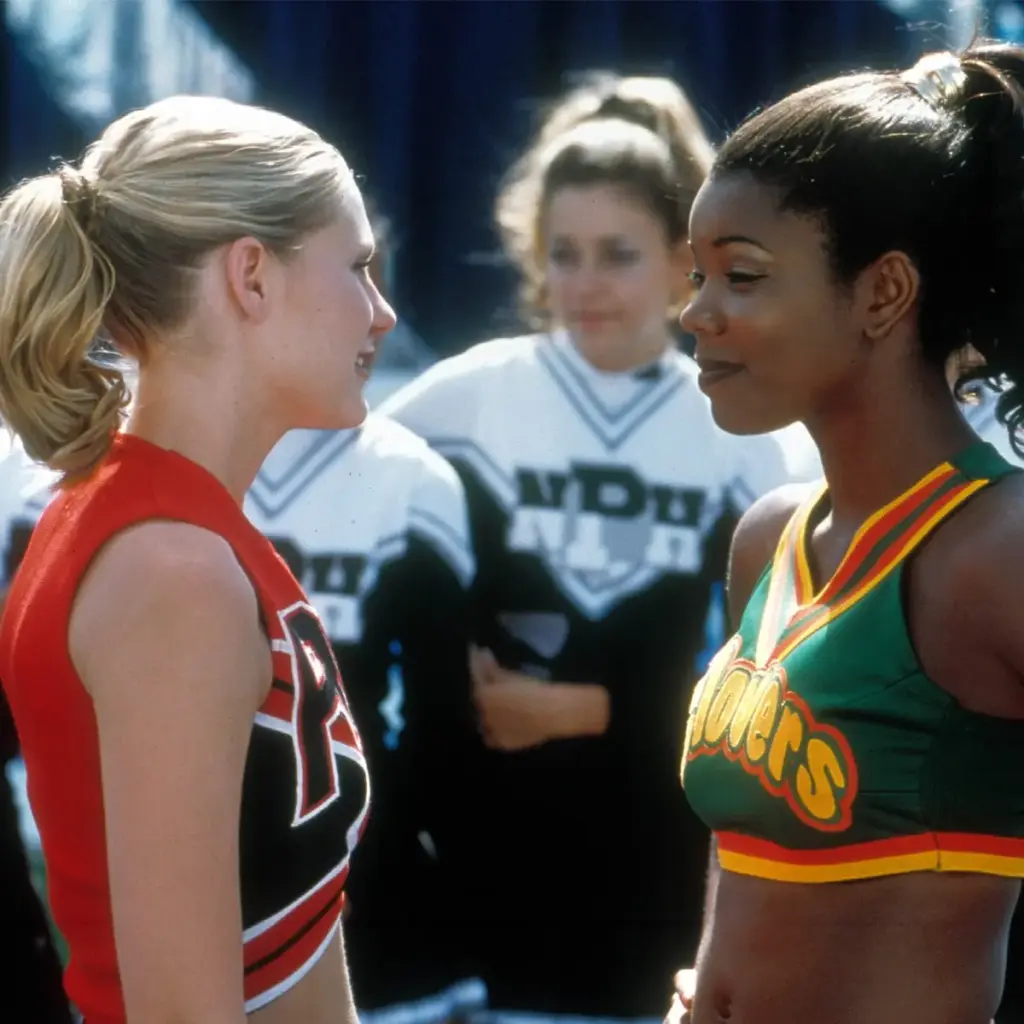
It is a rare feat for a teen comedy about competitive high school cheerleading to transcend its genre and cement itself as a enduring pop-culture monolith. Yet, over two decades after its theatrical debut on August 25, 2000, Bring It On remains an undisputed masterclass in sharp screenwriting, kinetic direction, and cultural impact. Directed by Peyton Reed and written by Jessica Bendinger, the film captured the zeitgeist with its quotable dialogue, vibrant aesthetic, and subversive look at the politics of competitive athletics.
Starring Kirsten Dunst and Gabrielle Union as the fiercely determined captains of rival California cheer squads, the movie defied low pre-release tracking to dominate the box office. It launched a multi-film franchise, inspired a critically acclaimed Broadway musical, and permanently altered the cinematic landscape of teen culture.
Despite its legendary status among audiences worldwide, the film’s legacy continues to evolve through nostalgic cast reunions, retrospective deep dives, and ongoing discussions surrounding a long-awaited sequel. As the cast and crew reflect on a quarter-century of "cheerocracy," the behind-the-scenes narrative of Bring It On proves just as dramatic, unexpected, and entertaining as what ultimately made it to the silver screen.
Detailed Chronology: From Rejection to Box-Office Royalty
The path to making Bring It On was fraught with institutional resistance. Long before it became a box-office titan, the project faced an uphill battle in Hollywood’s development pipeline.
The Hard Sell and Early Development
Originally conceived under the working title Cheer Fever, screenwriter Jessica Bendinger faced a grueling pitch process. Bendinger took her script to more than 28 studios and production offices, enduring endless rounds of revisions and executive sign-offs only to face rejection at the final hour. Studios struggled to understand how a high-concept comedy centered entirely on competitive cheerleading could appeal to a mainstream audience.
Furthermore, the casting process for the lead role of Torrance Shipman saw several shifts before landing on Kirsten Dunst. Marley Shelton was initially attached to play the ambitious Torrance captaining the Rancho Carne Toros. However, Shelton ultimately exited the production to star in the 2001 dark comedy Sugar and Spice, which centered on cheerleaders turning to bank robbery.
This pivot opened the door for Dunst. At just 17 years old, Dunst was already a high-profile young actress. Though she initially turned down the project after experiencing exhaustion from filming a bleak independent film, a final read of the script convinced her of its comedic value.
Production Challenges and On-Set Realities
Once greenlit with a tight budget of roughly $10 million, the production required its young cast to undergo an intensive, four-week cheerleading boot camp. Led by professional choreographers, actors endured eight-hour days mastering dance routines, complex stunts, pyramids, and tosses. Nicole Bilderback, who portrayed Toros member Whitney, noted that the physical demands were grueling, requiring the cast to perform all of their own stunts safely.
The financial constraints of the production also forced creative problem-solving. Securing the rights to iconic musical cues, such as Warrant’s "Cherry Pie" for the audition montage, cost an estimated $40,000—representing the single largest music licensing expense in the film’s budget.
Even off-camera, the youthful cast managed to generate their own production milestones. During a weekend off in Tijuana, Mexico, cast members including Eliza Dushku and Jesse Bradford found themselves briefly detained by local authorities after enjoying time on the beach. Dispelling industry myths, Dushku later clarified that no studio producers swooped in to pay bail; the actors successfully resolved the legal misunderstanding independently.
Supporting Context & Metrics: Defying Expectations
When Bring It On premiered in late August 2000, initial box-office tracking projected a modest domestic opening of around $6 million. Instead, the film shattered expectations, opening at No. 1 and hauling an impressive $22 million domestically in its opening weekend alone.
Financial Performance and Cultural Metrics
- Box Office Triumph: The film ultimately grossed over $90 million worldwide against its modest budget, cementing its status as a massive commercial success for Universal Pictures and Beacon Pictures.
- Critical Reception: While initial critical reviews were mixed, contemporary evaluations praise the film for subverting patriarchal tropes, addressing cultural appropriation head-on, and empowering complex female characters.
- Franchise Expansion: The breakout success paved the way for six direct-to-video and television sequels, though none managed to capture the lightning-in-a-bottle magic of the original cast.
- Broadway Adaptation: In 2012, the property expanded to the stage with Bring It On: The Musical, featuring a music and lyrics co-written by Lin-Manuel Miranda. The production earned two Tony Award nominations in 2013 for Best Musical and Best Choreography.
Creative Improvisation and Iconic Moments
Much of the film’s enduring charm stems from spontaneous decisions made on set. The iconic teeth-brushing flirting scene between Torrance and Cliff (played by Jesse Bradford) was adapted from writer Jessica Bendinger’s real-life awkward dating experiences. However, Dunst improvised the physical comedy of shielding her mouth while spitting out toothpaste, adding a layer of authenticity to the burgeoning romance.
Similarly, the theatrical trailer featured footage of the East Compton Clovers that did not appear in the final theatrical cut. Following positive test-screenings where audiences clamored for more of Gabrielle Union’s character, the studio commissioned additional Clovers scenes specifically for promotional trailers to amplify the rivalry’s visibility.
Official Statements & Cast Reflections
Decades later, the cast and crew remain fiercely protective of the film’s legacy, frequently sharing behind-the-scenes recollections and expressing their perspectives on the modern landscape of nostalgia.
Kirsten Dunst on Leaving Well Enough Alone
While Dunst thrilled fans by enthusiastically reciting the iconic Toros cheer at a packed screening at Los Angeles’ Hollywood Forever Cemetery, she has remained firm on her stance regarding a potential direct sequel featuring the original characters.
"I’m like, leave good things where they are," Dunst shared during an interview with Entertainment Tonight. While she playfully theorizes that her character Torrance would likely be "coaching, maybe," she has no desire to dust off her cheer skirt, preferring to preserve the pristine reputation of the original 2000 classic.
Gabrielle Union and the Pursuit of a Sequel
Conversely, Gabrielle Union has been a vocal proponent of expanding the Bring It On universe, particularly focusing on the legacy of the East Compton Clovers.
"We’ve been developing a sequel forever," Union revealed to Variety. "But for folks who don’t exactly understand how long development can take in Hollywood, that could be five minutes or 50 years."
Union previously teased a narrative angle on social media, hinting on the film’s anniversary that Isis might now have a teenage daughter navigating the modern competitive cheer circuit. Her dedication to honoring the original film’s subversive take on racial dynamics in sports—highlighting how the production course-corrected Hollywood’s historical aversion to centering Black narratives in cheer comedies—remains a cornerstone of her advocacy for the franchise.
Future Outlook: The Enduring Spirit of a Cult Classic
As Bring It On continues to find new generations of fans through streaming platforms and anniversary screenings, its status as a cultural touchstone is secure. The film successfully dismantled the one-dimensional "mean girl" trope, offering instead a nuanced look at ambition, integrity, institutional bias, and accountability.
Whether a long-rumored legacy sequel starring Union ever materializes remains to be seen in the labyrinthine landscape of Hollywood development. Yet, the core message of the film survives intact. Bring It On proved that the rigid hierarchies of high school are ultimately ephemeral, but genuine talent, teamwork, and spirit endure. Twenty-six years later, audiences are still taking a big whiff of the film’s undeniable cultural impact—and as the history of the Toros and the Clovers demonstrates, they wouldn’t have it any other way.