Executive Overview
As the dog days of summer reach their zenith, the global fashion landscape finds itself suspended in a state of creative and commercial transition. Industry insiders, retail analysts, and consumers alike are simultaneously seeking relief from persistent late-summer humidity and looking ahead to the structural requirements of autumnal dressing. This dual imperative has triggered an unprecedented wave of high-profile brand collaborations, strategic celebrity ambassadorships, and blockbuster museum announcements that will dictate consumer spending patterns well into 2027.
The current retail cycle is defined by an intriguing dichotomy: while coastal destinations and warm-weather getaways continue to inspire playful, vintage-inflected swimwear and breezy minidresses, the foundational machinery of major luxury and mass-market houses is aggressively shifting toward heavy tailoring, tactile layering, and archival retrospectives. From Los Angeles to New York, the industry’s most influential figures—ranging from supermodels and pop icons to avant-garde designers and institutional curators—are signaling a wholesale reimagining of contemporary style.
This report provides a comprehensive examination of the defining fashion developments of the week. We analyze the commercial and cultural impact of high-profile partnerships, including Bella Hadid’s return to activewear with Alo and Wardrobe.NYC’s strategic democratization via H&M. We also explore the intersection of music and retail through collaborations spearheaded by artists such as Maren Morris, Zara Larsson, and aespa’s Karina, alongside a critical look at the Metropolitan Museum of Art’s forthcoming 2027 exhibition dedicated to John Galliano. Through an authoritative lens, we dissect how these multifaceted initiatives are reshaping the modern wardrobe, driving retail economics, and redefining cultural relevance in real time.
Detailed Chronology of Industry Developments
The past week has accelerated the pace of fashion marketing, with a dense schedule of collection drops, campaign reveals, and cultural announcements. Understanding the timeline of these releases provides vital context for how brands are capturing consumer attention during a traditionally sluggish retail month.
Early-Week Campaign Launches: The West Coast Aesthetic
The week’s commercial activity kicked off with a distinct West Coast sensibility, leveraging the cultural capital of Los Angeles and the enduring appeal of beachside leisure.
- Alo and Bella Hadid: Continuing her triumphant 2026 reentry into the upper echelons of the fashion industry, supermodel Bella Hadid was announced as the newest face of Alo. Shot against the backdrop of her formative city, Los Angeles, the Pre-Fall campaign bridges the gap between high-performance athletic wear and transitional streetwear. Key pieces include sleek white performance bras paired with high-cutout leggings, micro sweatshorts, and oversized bomber jackets engineered for brisk autumnal mornings.
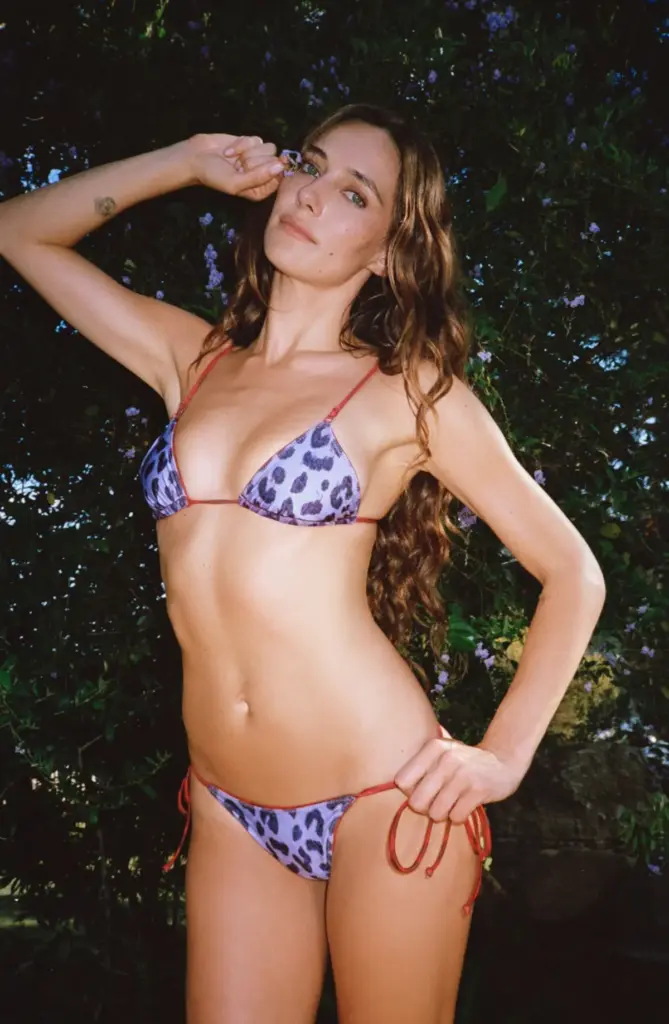
- Frankies Bikinis x Devon Lee Carlson: Merging vintage nostalgia with contemporary California cool, entrepreneur and style icon Devon Lee Carlson debuted her "Sunshine Girls" collection with Frankies Bikinis. Drawing heavily on 1950s silhouettes, the line introduces low-rise denim, mini slip dresses, terry-cloth sweatsuits, and signature swimwear prints designed to capture the quintessential modern Cali-girl ethos.
Mid-Week Press and Promotional Circuit: Beating the Elements
As urban centers grapple with high temperatures, promotional tours have become impromptu showcases for smart, weather-resistant dressing.
- Monica Barbaro’s New York Press Tour: In town to promote her upcoming romantic comedy One Night Only (slated for an August 7 cinematic release), actor Monica Barbaro has turned the New York pavement into a masterclass in beating the humidity. Utilizing pieces from emerging and established designers—including George Trochopoulos minidresses, Adam Lippes microshorts, and a standout blue gingham set from Sandy Liang—Barbaro’s styling highlights the necessity of ease and breathability in urban dressing.
- Mass-Market and Luxury Intersections: Highlighting the ongoing democratization of luxury, minimalist basics label Wardrobe.NYC—known for its streamlined, workwear-leaning silhouettes favored by style tastemakers like Hailey Bieber—officially joined forces with retail giant H&M. The resultant collection delivers accessible tailoring, premium T-shirts, and statement patent-heeled boots, bridging the gap between bespoke luxury and high-street accessibility.
Late-Week Cultural Milestones and Retail Expansions
The latter half of the week shifted from immediate retail releases to long-term cultural positioning and demographic expansion.
- Main Rose and Nii Hai Swimwear Expansion: Pop star Zara Larsson’s body-inclusive intimates brand, Main Rose, announced a collaborative capsule with cult-favorite Instagram label Nii Hai. Pushing against minimalist trends, the collection relies on maximalist patterns, sequins, and separates designed specifically for pattern-clashing.
- The Metropolitan Museum of Art’s 2027 Announcement: In one of the most significant institutional announcements of the year, the Met revealed that its Spring 2027 fashion exhibition will be dedicated to the polarizing and immensely influential designer John Galliano. Titled “John Galliano: Horizons,” the retrospective will examine his trajectory from his 1980s thesis collection through his tenures at Givenchy, Dior, Maison Margiela, and his eponymous label.
- V. Chapman and Brock Collection Reunion: Los Angeles-based romantic eveningwear brand V. Chapman tapped designer Kristopher Brock for a Fall/Winter 2026 capsule. The collaboration introduces a mature, grounded approach to feminine dressing, offering skirts, minidresses, and frilly cropped cardigans designed for regular weekly wear rather than archival preservation.
- Converse and Karina of aespa: Footwear icon Converse welcomed K-pop powerhouse Karina of aespa as its newest brand ambassador. Showcasing the Chuck 70 X and Run Star Crush, the partnership underscores the enduring marketing power of K-pop idols in global footwear sales.
- Maren Morris for Sam’s Club Edited: Rounding out the week’s commercial news, country music star Maren Morris partnered with stylist Dani Michelle and retail club giant Sam’s Club for an extensive, highly affordable western-inspired collection. Priced entirely under $40, the line brings faux-fur outerwear, denim, and accessories to a mass audience ahead of its September 7 rollout.
Supporting Context & Metrics
To fully appreciate the commercial mechanics behind this week’s news cycle, one must examine the underlying consumer behavior and retail metrics driving these initiatives.
The Transseasonal Retail Sweet Spot
Retail analytics indicate that August represents a crucial pivot point for apparel brands. While e-commerce searches for swimwear and resort wear peak in early summer, consumer intent shifts toward transitional layering by mid-August. Brands that successfully bridge this gap—such as Alo with its pairing of micro-shorts and heavy bombers, or V. Chapman with wearable romantic separates—frequently outperform competitors relying strictly on single-season inventory.
[August Retail Intent Shift]
Early August: Swimwear & Resort Wear (Frankies Bikinis, Main Rose)
    │
    ▼
Mid-August: Transseasonal Layering (Alo, George Trochopoulos, Sandy Liang)
    │
    ▼
Late August / Fall: Heavy Tailoring & Outerwear (Wardrobe.NYC x H&M, V. Chapman, Sam's Club)
The Democratization of Luxury via Mass Retail
The inclusion of Wardrobe.NYC in H&M’s storied collaboration roster reflects a broader structural evolution in fashion retail. Luxury basics, once protected behind steep price barriers, are increasingly viewed as scalable commodities. By partnering with streamlined design houses, mass-market retailers capture consumers experiencing "luxury fatigue"—shoppers who appreciate high-end tailoring and fabrication but demand accessible price points. Similarly, Maren Morris’s collaboration with Sam’s Club (where every piece is priced under $40) demonstrates that aesthetic sophistication is no longer tethered to traditional luxury pricing tiers, opening up multi-billion-dollar wholesale markets for western and casual wear.
The Institutionalization of Contemporary Designers
The Metropolitan Museum of Art’s decision to dedicate its Spring 2027 exhibition to John Galliano marks a rare milestone. Galliano becomes only the third living designer to receive a dedicated solo exhibition at the museum, following Yves Saint Laurent and Rei Kawakubo. This decision underscores the institutionalization of late-20th-century fashion history. By explicitly committing to address Galliano’s controversial 2011 public fallout alongside his creative achievements, the Met is acknowledging that contemporary fashion curation must balance artistic genius with socio-political accountability.
Official Statements and Industry Commentary
The convergence of high art, pop culture, and commercial enterprise has generated significant commentary from key stakeholders across the industry.
Regarding the strategic alignment of wellness and street fashion, retail executives have emphasized the shifting role of activewear in daily wardrobes. "The modern consumer does not compartmentalize their day," notes one prominent retail strategist. "Performance wear must seamlessly transition into metropolitan environments. Campaigns like Bella Hadid’s for Alo prove that technical fabrics are now the baseline of urban luxury."
On the subject of the forthcoming Metropolitan Museum of Art exhibition, curators and fashion historians have pointed to the profound influence of Galliano’s narrative-driven runway shows. Museum representatives noted in press materials that "John Galliano: Horizons" will offer an unvarnished look at the designer’s complex legacy. The exhibition aims to explore how technical mastery and theatrical presentation reshaped the global fashion lexicon during his tenures at the helm of traditional French luxury houses, while directly confronting the personal and professional controversies that marked his career.
In the realm of accessible celebrity design, collaborators have continually stressed the importance of authenticity and attainability. Discussing her partnership with Sam’s Club, Maren Morris emphasized the necessity of bridging high-end styling with everyday accessibility: "Style should never be an exclusive club. Working with Dani Michelle allowed us to create pieces that honor western heritage and modern fashion sensibilities without forcing our fans to compromise their financial well-being."
Similarly, Devon Lee Carlson’s design ethos for Frankies Bikinis underscores the personal connection between modern influencers and their consumer base. By infusing personal vintage archives into commercial swimwear, Carlson bridges the gap between digital curation and physical product execution.
Future Outlook
As the fashion industry looks toward the remainder of 2026 and into the spring 2027 exhibition season, several clear trajectories are emerging.
1. The Consolidation of Cross-Industry Collaborations
Expect traditional fashion houses to continue partnering with unexpected retail giants and pop-cultural figures. The success of H&M’s high-low partnerships and Sam’s Club’s designer-led Edited platform proves that consumer appetite for curated exclusivity remains insatiable, regardless of the retail channel. Brands that fail to innovate through strategic partnerships risk losing market share to agile competitors.
2. The Evolution of Archive-Driven Design
With major museum retrospectives like the Met’s upcoming Galliano exhibition capturing global headlines, the secondary market and archival fashion will continue to influence primary production. Contemporary designers are increasingly mining their own or their predecessors’ historical canons to meet a consumer base that is more educated, discerning, and nostalgic than ever before.
3. Practicality Meets Expression
Looking ahead to Fall/Winter collections, the tension between weather-driven practicality (such as the humidity-fighting ensembles championed by Monica Barbaro) and escapist romanticism (exemplified by V. Chapman and Frankies Bikinis) will dictate wardrobe curation. Consumers are demanding garments that offer emotional resonance and tactile pleasure while remaining entirely functional for the demands of modern urban and professional life.
Ultimately, the current fashion cycle demonstrates that adaptability is the ultimate luxury. Whether navigating oppressive summer heatwaves, investing in transitional outerwear, or engaging with the complex history of haute couture, the contemporary fashion consumer is equipped with an unprecedented array of choices to define their personal narrative.