Executive Overview
For decades, the luxury fragrance market was dominated by heavy gourmand compositions—rich elixirs of vanilla, heavy amber, dense pralines, and syrupy caramels designed to project heavily and linger on coats and scarves for days. While these decadent, room-filling scents still hold a nostalgic and comforting place in the collective olfactory wardrobe, a seismic shift is quietly reshaping the perfume industry. Today, consumers are pivoting toward a more subtle, restorative, and versatile category: fresh, clean, and second-skin perfumes.
Far from the simplistic, overly synthetic citrus body sprays of the late 1990s and early 2000s, modern fresh fragrances represent a pinnacle of sophisticated chemical engineering and artistic minimalism. Industry leaders, master perfumers, and fragrance curation executives alike note that these scents are no longer treated as seasonal novelties reserved strictly for sweltering summer afternoons. Instead, they have evolved into year-round staples prized for their lightness, clarity, and quiet confidence.
This comprehensive report examines the cultural and commercial factors driving the fresh fragrance renaissance, featuring expert insights from leading industry figures, a deep dive into the evolving psychology of scent wearers, and an authoritative curation of the definitive fresh perfumes defining the market today.
Detailed Chronology: The Evolution of Freshness in Modern Perfumery
To understand why the modern fragrance market is so deeply enamored with clean and crisp compositions, it is necessary to trace how the concept of "freshness" has evolved over the last half-century.
Phase 1: The Soap-and-Water Era (Late 20th Century)
In the 1970s and 1980s, fresh fragrances were largely synonymous with literal cleanliness. They mirrored the sensory experience of stepping out of a hot shower, relying heavily on aldehydic notes, sharp white musks, and traditional floral bouquets like lily-of-the-valley and hyacinth. These perfumes were functional, uplifting, and straightforward, designed to communicate pristine hygiene and classic daytime elegance.
Phase 2: The Aquatic and Oceanic Boom (1990s–Early 2000s)
The introduction of synthetic molecules like Calone revolutionized the industry in the 1990s, ushering in the age of aquatic and marine perfumes. Scents mimicking sea breeze, water lilies, and ozone dominated department store counters. While innovative for their time, these formulations could sometimes lean metallic or sharp, categorizing them strictly as casual, warm-weather options.
Phase 3: The Heavy Gourmand Inundation (2010s–Early 2020s)
As consumer demand shifted toward longevity and high projection ("beast mode" performance), perfumers leaned heavily into sugary, edible notes. Vanilla-soaked orientals, heavy patchouli-rose hybrids, and dense gourmands became the default markers of luxury and prestige. Perfume became an announcement rather than a whisper.
Phase 4: The Contemporary "Second-Skin" Movement (Present Day)
Today, we are witnessing a complete inversion of that philosophy. The contemporary fresh fragrance movement rejects heaviness in favor of texture, air, and intimacy. As Delphine Jelk, Guerlain’s Creative Director of Fragrance, aptly describes it: "A fresh and clean perfume is like an open window or a deep breath of morning air. It’s never flat—it has texture, light, and a sense of movement."
Modern chemistry allows perfumers to craft hyper-nuanced profiles that evoke clean cotton, crisp paper, warm skin, and salty sea air without relying on cloying sweetness. Freshness is no longer just a category; it has become an entire philosophy of wear.
Supporting Context & Metrics: The Shift Toward Intimate Aromas
The rapid growth of the fresh and clean perfume market is supported by notable shifts in consumer behavior and lifestyle trends. Market analysts observe several primary drivers:
- The Post-Pandemic Desire for Wellness and Comfort: Following global disruptions, consumer preferences shifted drastically toward self-care, wellness, and mental clarity. Heavy, intrusive perfumes were frequently replaced by lighter, restorative scents that felt calming rather than overwhelming.
- The Rise of "Clean Beauty" and Transparency: Consumers are increasingly scrutinizing the ingredients in their cosmetics and personal care items. While niche and luxury perfumery balance artistic integrity with formulation safety, the visual and psychological association of "clean scents" aligns seamlessly with the broader clean beauty movement.
- Versatility in Hybrid Work Environments: With remote and hybrid work models becoming permanent fixtures of modern professional life, the contexts in which people wear fragrance have changed. Office spaces, shared environments, and intimate gatherings call for fragrances that possess a "quiet confidence." As Jeniece Trizzino, VP of Innovation & Product at Scentbird and Drift, notes, "They don’t need to announce themselves to be memorable."
- Year-Round Adaptability: Far from being sequestered to July and August, crisp and fresh notes are increasingly utilized as psychological mood boosters during cold winter months, offering a crisp jolt of vitality against dreary weather.
Official Statements & Expert Perspectives
Industry leaders occupy the front lines of this olfactory transformation. Their insights reveal the artistic and technical philosophies guiding the creation of today’s standout fresh formulations.
"A fresh and clean perfume is like an open window or a deep breath of morning air. It’s never flat—it has texture, light, and a sense of movement."
— Delphine Jelk, Creative Director of Fragrance, Guerlain
Jelk’s perspective underscores the intricate artistry required to build a fresh scent. Far from being simplistic, a successful fresh perfume must balance volatility and structure so that the top notes do not burn off instantly, leaving behind a hollow base.
"There’s a lightness and clarity to these scents that feels almost restorative. We’re seeing a real shift toward more intimate, second-skin scents and away from some of the heavier gourmands that have dominated in recent years. Freshness now feels less like a seasonal category and more like a way of wearing fragrance."
— Jeniece Trizzino, VP of Innovation & Product, Scentbird and Drift
Trizzino highlights the democratization of fresh notes. By moving away from rigid seasonal rules, modern wearers treat clean and crisp aromas as signature scents that adapt effortlessly from casual mornings to formal evenings.
Curated Editorial Selection: The Definitive Fresh Perfumes
Curating the best fresh perfumes requires a holistic evaluation process. Industry specialists and editors assess formulations based on three core criteria: olfactory notes, projection (sillage), and wear time. Below is the definitive guide to the standout fresh fragrances currently defining the luxury market.
1. Best Vibrant: Ex Nihilo Blue Talisman Eau de Parfum
- Price: $245 (USD)
- Profile: A mesmerizing blend of crisp fruitiness and mineral clarity. Ex Nihilo expertly balances zesty freshness with sophisticated depth, creating a vibrant aura that projects energy and modern luxury without ever feeling juvenile.
2. Best Soapy: Maison Margiela Replica Lazy Sunday Morning Eau de Toilette
- Price: $170 (USD)
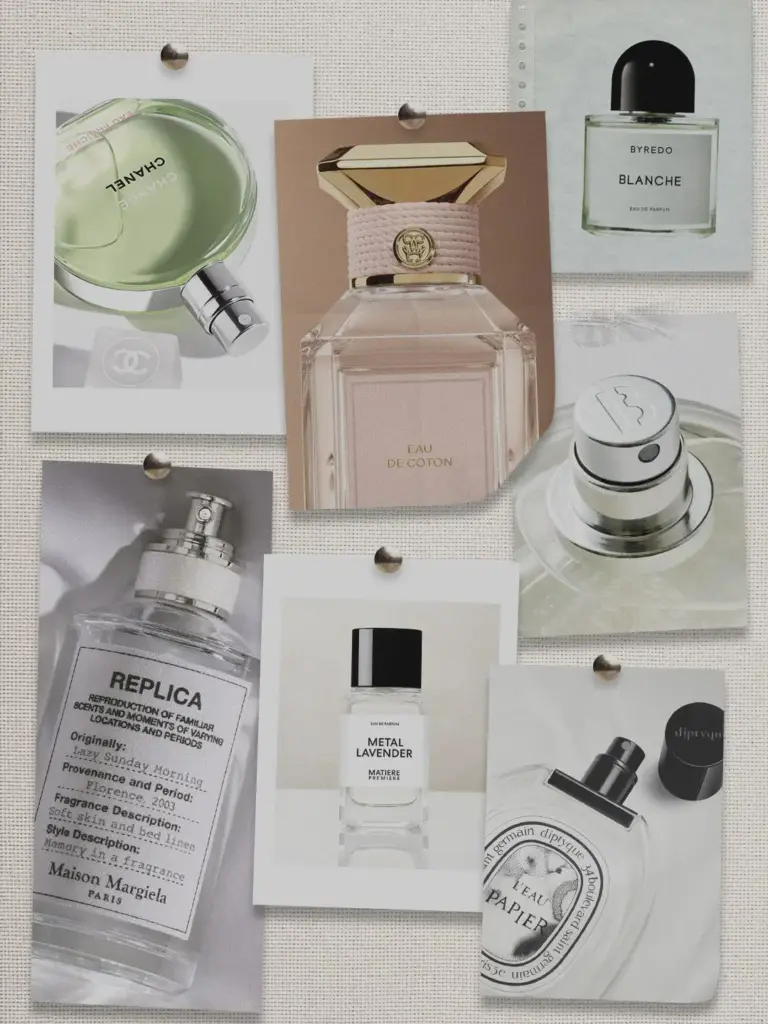
- Profile: Capturing the idyllic comfort of freshly laundered cotton sheets bathed in morning sunlight, this fragrance relies on soft white musk, lily-of-the-valley, and ambrette seeds. It is the ultimate skin scent for effortless daily wear.
3. Best Fresh Cotton: Guerlain Eau de Coton Eau de Toilette
- Price: $250 (USD)
- Profile: Part of Guerlain’s prestigious offerings, this composition translates the tactile purity of pristine cotton into an airy, ethereal, and comforting olfactory experience that feels like a gentle embrace.
4. Best Crisp Paper: Diptyque L’Eau Papier Eau de Toilette
- Price: $145 (USD)
- Profile: An artistic marvel that marries white musks with mimosa and paper accords. It evokes the tactile, dry, and intimate scent of ink meeting fresh, high-grade paper, offering a uniquely intellectual take on clean perfumery.
5. Best Linen: Byredo Blanche Eau de Parfum
- Price: $195 (USD)
- Profile: A masterclass in minimalist clean aesthetics. Blanche explores the texture and color of white through notes of aldehyde, rose centifolia, sandalwood, and musk, resulting in a transparent yet intensely memorable trail.
6. Best Clean: Le Labo Another 13 Eau De Parfum
- Price: $250 (USD)
- Profile: An addictive, cult-favorite composition built around ambroxan—a synthetic animal musk—paired with subtle notes of jasmine, moss, and ambrette seed. It melts seamlessly into the wearer’s natural chemistry, creating an elusive, ultra-clean second-skin effect.
7. Best Ethereal: Parfums de Marly Valaya Eau de Parfum
- Price: $410 (USD)
- Profile: A luxurious interpretation of freshness that combines crisp white florals, citrus top notes, and clean musks. Valaya feels luminous, modern, and weightlessly opulent, lingering on skin with immaculate grace.
8. Best Salty: Jo Malone London Wood Sage & Sea Salt Cologne
- Price: $168 (USD)
- Profile: Evoking windswept shores, rugged cliffs, and sea spray mixed with the woody earthiness of sage, this iconic cologne provides a refreshing, mineral escape that is entirely gender-neutral and endlessly wearable.
9. Best Lavender: Matiere Premiere Metal Lavender Eau de Parfum
- Price: $230 (USD)
- Profile: A modern reinterpretation of traditional aromatic lavender. By pairing French lavender with crisp, metallic accents, Matiere Premiere strips away the herb’s powdery associations to deliver a sharp, invigorating, and strikingly clean edge.
Future Outlook: Where Is Fresh Perfumery Headed?
As we look toward the future of the fragrance industry, several clear trajectories are emerging for the fresh category:
- Advanced Molecular Engineering: Perfumers will continue leveraging biotechnology and green chemistry to synthesize sustainable, hyper-realistic clean notes—such as petrichor (the scent of rain on dry earth), ozone, and clean skin accords—without depleting natural resources.
- Hybrid Longevity: Historically, fresh top notes (like citrus and aquatic accords) evaporate quickly. The next generation of perfumery is pioneering advanced encapsulation and fixative technologies that allow crisp, airy notes to maintain their vibrancy and projection throughout an entire 12-hour wear cycle.
- Personalization and Layering: Because clean and second-skin scents act as a blank canvas, the market will see an increase in modular fragrance systems designed for layering, empowering consumers to customize their own bespoke fresh signatures.
Ultimately, the enduring appeal of fresh perfumes lies in their timelessness. While trends in fashion and beauty will inevitably continue to fluctuate, the human desire for clarity, renewal, and the simple elegance of clean air will never go out of style.