Executive Overview
As the crisp edge of autumn begins to temper the lingering warmth of late summer, the sartorial landscape undergoes its annual migration toward heavier textures, richer palettes, and more tactile materials. Wool coats emerge from storage, cashmere knits replace cotton tees, and footwear choices pivot away from breathable canvas and high-shine leathers. This year, however, the seasonal transition comes with a definitive textural mandate: suede is staging an aggressive, highly calculated takeover of the everyday footwear market.
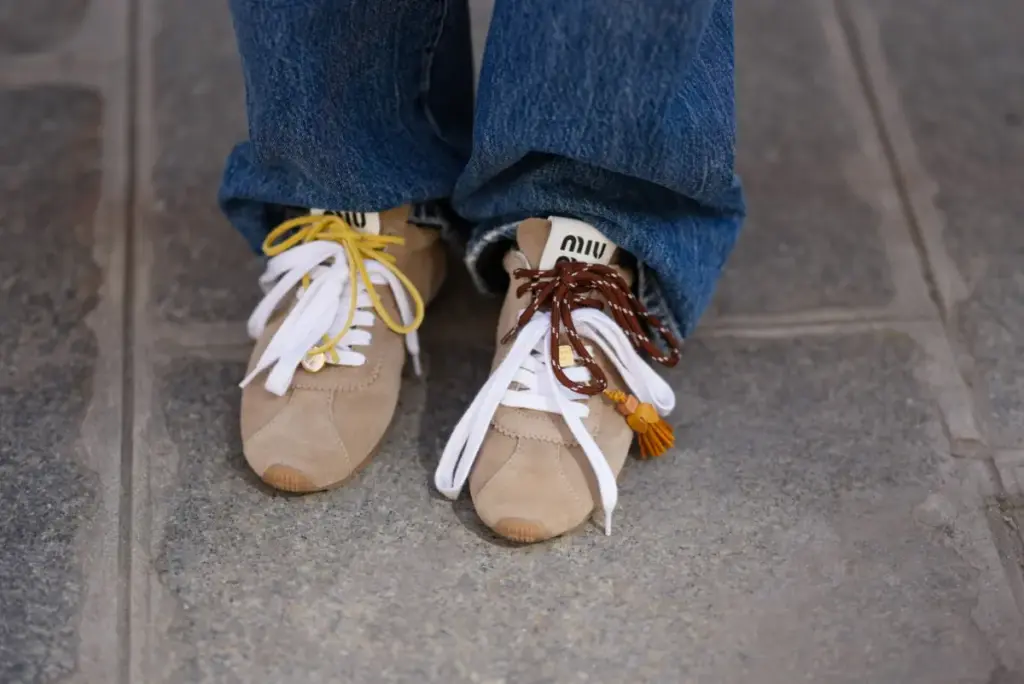
Suede trainers—once relegated to the niche preferences of vintage sportswear purists and archival fashion historians—have officially permeated the mainstream consciousness. Far from being a fleeting trend, the ubiquity of suede sneakers represents a profound shift in contemporary consumer tastes. It reflects a growing appetite for understated luxury, quiet opulence, and tactile depth in a market long dominated by pristine white leather and hyper-technical synthetic runners.
Market analysts, high-fashion conglomerates, and independent footwear labels alike are reporting unprecedented surges in demand for brushed-leather low-tops, retro runners, and skate-inspired silhouettes. This article provides an exhaustive investigation into the cultural, economic, and design-driven catalysts behind this movement. We examine the chronological trajectory of how suede transitioned from the athletic tracks of the 1970s to the front rows of international fashion weeks, analyze the underlying metrics fueling the current retail boom, and spotlight the five defining styles that every discerning wardrobe must account for this season.
Detailed Chronology: From Athletic Tracks to High-Fashion Runways
To understand the current resurgence of suede trainers, one must trace a nearly century-long trajectory of material evolution, subcultural appropriation, and high-fashion reinvention.
The Athletic Genesis (1960s–1980s)
Suede first found a foothold in athletic footwear not for its aesthetic appeal, but for its functional properties. In the mid-20th century, brands realized that brushed leather offered superior flexibility, breathability, and foot-hugging comfort compared to the stiff, heavy cowhide traditionally used in sports shoes.
The 1970s marked the true golden age of suede in athletics. Running boom innovations saw legendary silhouettes built entirely from soft suede uppers accented with contrasting leather stripes. These shoes were engineered for tracks and tarmac, yet their rich texture and vibrant colorways naturally attracted youth subcultures. British terrace culture—the passionate sub-movement of football fans in the late 1970s and 1980s—adopted continental European suede trainers as a uniform of distinction. Wearing rare, imported suede runners became a subtle status symbol among match-goers, laying the groundwork for the sneaker-collecting phenomenon that would explode decades later.
The Subcultural Appropriation and the Leather Monoculture (1990s–2010s)
Through the 1990s and 2000s, suede retained a loyal following among skaters, hip-hop artists, and indie-rock musicians. Skateboarding brands utilized heavy-duty suede for its durability against grip tape, while streetwear pioneers collaborated on limited-edition suede drops that commanded high resale values.
However, the broader commercial footwear market experienced a protracted period dominated by smooth, stark-white leather. For nearly two decades, the minimalist white leather sneaker—exemplified by the ubiquitous tennis shoe silhouette—was the undisputed king of casual footwear. It paired with everything, symbolized effortless cleanliness, and dominated corporate casual dress codes. Suede, by contrast, was frequently dismissed by the risk-averse consumer as too delicate, difficult to clean, and seasonally restrictive.
The Pivot to Quiet Luxury and Tactile Contrast (2020–Present)
The seeds of the current suede renaissance were sown during the post-pandemic lifestyle realignment. As consumers reevaluated their wardrobes, comfort remained paramount, but the definition of luxury evolved. The "quiet luxury" movement replaced flashy logos and pristine, sterile whites with rich textures, earthy color palettes, and artisanal craftsmanship.
Suede emerged as the ultimate beneficiary of this shift. Its matte finish and velvety nap offer a visual and tactile warmth that smooth leather simply cannot replicate. High-fashion houses took note, partnering with heritage sportswear brands to merge athletic heritage with luxury materials. By 2023, the runway collections of Milan and Paris were saturated with suede footwear, signaling a definitive departure from the hyper-clean white sneaker era and establishing the textured trainer as the essential footwear item for the autumn season.
Supporting Context & Metrics: The Economics of the Suede Boom
The resurgence of suede trainers is not merely a stylistic preference; it is supported by hard economic data and shifting consumer behavior metrics across the global retail sector.
Retail Search and Sales Velocity
According to aggregated retail analytics from major e-commerce platforms and fashion search engines, consumer interest in suede footwear has skyrocketed. Global search queries for "suede trainers" and "suede sneakers" experienced a staggering year-over-year increase of over 145% heading into the autumn buying window.
Retail buyers across luxury department stores and contemporary boutiques report that inventory allocations for suede styles are selling out up to three weeks faster than equivalent leather iterations. This velocity has forced brands to accelerate production cycles, placing substantial orders for brushed calfskin, split suede, and nubuck materials well in advance of traditional seasonal schedules.
Demographic Shifts and the Longevity Factor
Industry insights reveal that the primary demographic driving this trend spans across generations, with Gen Z and Millennial consumers leading the charge. Interestingly, consumer research indicates that modern buyers are increasingly willing to invest in maintenance products—such as suede brushes, protective sprays, and specialized eraser blocks—significantly altering the historical narrative that suede is too fragile for daily wear.
Furthermore, economic uncertainty has driven a macro-trend toward "investment dressing." Consumers are seeking versatile pieces that bridge the gap between casual and formal wear. A well-crafted suede trainer occupies a unique sartorial sweet spot: it is relaxed enough to wear with sweatpants or denim, yet sophisticated enough to anchor tailored trousers or an unstructured wool blazer.
The 5 Buzzy Styles to Know Now
For those looking to navigate the crowded landscape of autumn footwear, certain silhouettes have emerged as the definitive frontrunners. Here are the five buzzy suede styles dominating the conversation and editorial pages this season.
1. The Retro European Runner
Characterized by a slim profile, a low-slung foam midsole, and a sawtooth rubber outsole, the retro European runner is the absolute MVP of the autumn season. Drawing inspiration from 1970s track and field shoes, these trainers often feature a combination of nylon and buttery suede in rich autumnal tones like burnt sienna, forest green, and mustard yellow. They offer an effortless, vintage-inflected athleticism that pairs exceptionally well with wide-leg denim and trench coats.
2. The Elevated Skate Low-Top
Moving far beyond the skate park, the chunky, padded skate shoe has received a high-end makeover. Crafted in sumptuous, nap-heavy suede with fat laces and reinforced paneling, these trainers bring a relaxed, 90s-inspired gravity to outfits. When contrasted with sharp tailoring—such as a double-breasted suit or pleated wool trousers—the elevated skate low-top achieves that highly coveted high-low stylistic tension.
3. The Minimalist Court Suede
For those who are reluctant to completely abandon the clean lines of the traditional tennis shoe, the minimalist court suede is the ideal bridge. Stripped of loud branding and excessive paneling, these shoes feature a monochromatic suede upper set atop a tonal or gum rubber cupsole. Shades of taupe, chocolate brown, and oat milk dominate this category, offering a softer, more tactile alternative to the classic white leather court shoe.
4. The Hiking-Inspired Hybrid
As the boundary between outdoor functionality and urban streetwear continues to blur, hiking-infused suede trainers have surged in popularity. Featuring D-ring lacing hardware, robust tread patterns, and water-resistant suede treatments, these hybrids are engineered for inclement weather without sacrificing aesthetic integrity. They serve as the perfect companion for heavyweight flannel shirts, cargo trousers, and technical outerwear.
5. The Bold-Hue Statement Maker
While neutral earth tones form the backbone of the autumn wardrobe, the suede trainer has also become a canvas for vibrant self-expression. Styles rendered in rich jewel tones—such as emerald, bordeaux, cobalt blue, and burnt orange—act as the focal point of an entire outfit. Fashion editors recommend pairing these statement-makers with otherwise monochromatic ensembles, allowing the luxurious texture and unexpected pop of color to do all the talking.
Future Outlook: The Longevity of Textured Footwear
As we look beyond the immediate horizon of the autumn season, industry experts predict that the appetite for tactile materials is here to stay. The dominance of suede is not a fleeting micro-trend destined to vanish by winter; rather, it represents a permanent recalibration of how consumers view casual footwear.
The footwear industry is already innovating around the category, with sustainable initiatives introducing recycled suedes, lab-grown alternatives, and advanced water-repellent treatments that mitigate the traditional maintenance hurdles associated with brushed leather. As manufacturing techniques evolve, the barrier to entry for everyday consumers will continue to lower, cementing suede’s status as a perennial wardrobe staple.
Ultimately, the widespread embrace of the suede trainer speaks to a deeper cultural desire for warmth, craftsmanship, and individuality in our daily dress. In an era dominated by digital crispness and synthetic uniformity, the soft, forgiving nap of a well-worn suede shoe offers a tangible connection to traditional luxury—one stride at a time.