Executive Overview
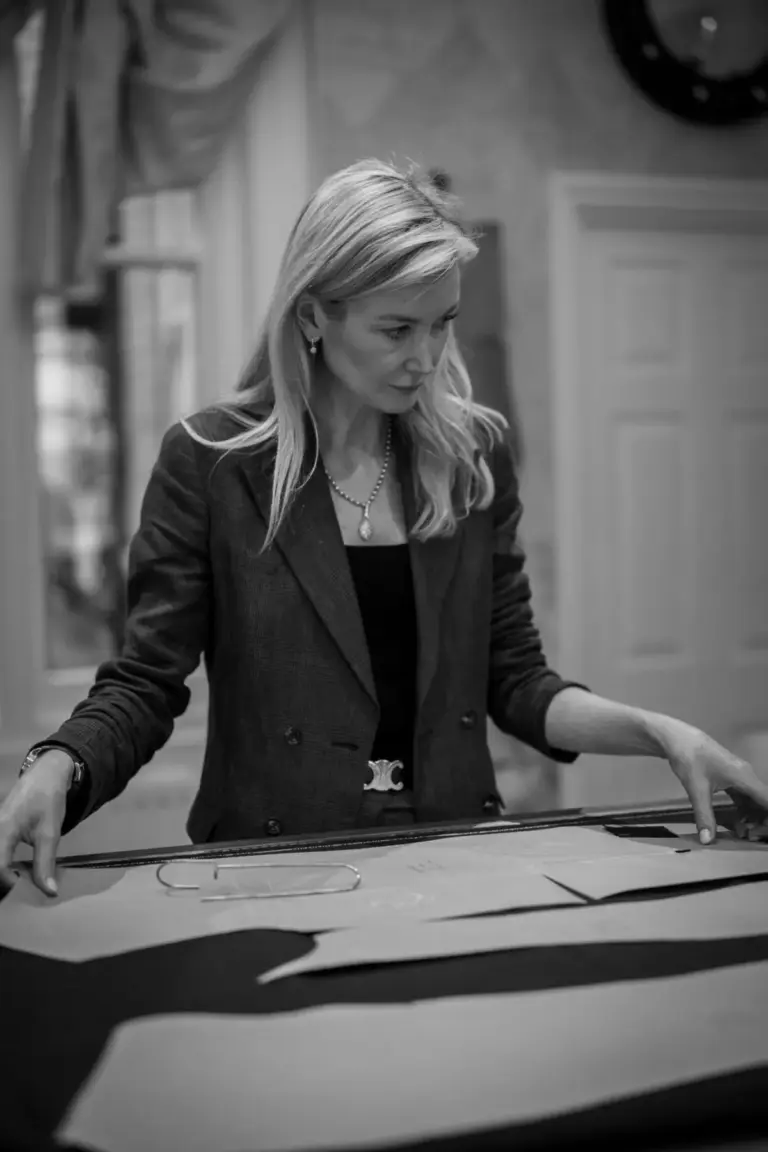
In the quiet hours before dawn, while much of New York City remains asleep, Brooklyn-based photographer, content creator, and archivist Tanya Ravichandran is already hard at work. Without touching a cup of coffee or slipping into workout gear, she launches a routine that has become her daily obsession: scouring the hidden depths of the global vintage resale market. Utilizing custom-built web scraping bots operating twenty-four hours a day, seven days a week, Ravichandran combs through digital storefronts, international marketplaces, and obscure niche forums for artifacts crafted by two titans of avant-garde fashion: the late Alexander McQueen and the Belgian minimalist pioneer Ann Demeulemeester.
Over the past decade—with a ferocious, hyper-focused acceleration over the last three years—Ravichandran has amassed an astonishingly cohesive archive. Her Greenpoint apartment houses more than 400 pieces designed by Alexander McQueen and over 200 items conceived by Ann Demeulemeester. Complementing these focal points are selective inclusions from Maison Margiela and Tom Ford-era Gucci, though her monochromatic, predominantly black-and-white wardrobe remains fundamentally anchored by her two primary muses.
What began as a personal passion has steadily evolved into a cultural phenomenon. Ravichandran’s digital footprint—spanning a TikTok following of over one million users—offers a rare, unvarnished window into museum-grade fashion history. Rather than locking these fragile garments away in air-tight, temperature-controlled vaults unseen by the public eye, Ravichandran advocates for the democratization of fashion. Her philosophy is built on the radical premise that historic garments are meant to be worn, analyzed, shared, and celebrated.
.jpg)
This ethos culminated in a physical exhibition of her personal collection at 313 New York in the Lower East Side, alongside the launch of her independent print publication, Archive 001. Through a potent mix of technological precision, exhaustive art-historical knowledge, and a deeply emotional connection to clothing, Ravichandran is redefining what it means to be a modern fashion archivist.
Detailed Chronology: From Casual Collector to Digital Archivist
The Formative Decade (2014–2021)
Ravichandran’s relationship with fashion did not begin with algorithms; it started with a profound appreciation for garments as narrative objects. For the first ten years of her collecting journey, her approach was more organic and traditional. She browsed brick-and-mortar vintage boutiques, attended local flea markets, and occasionally picked up pieces that spoke to her creative sensibilities.
During this foundational era, Ravichandran developed an intuitive understanding of construction, tailoring, and fabric manipulation. She studied the structural tailoring of Savile Row-trained Alexander McQueen and the poetic, romantic, and gender-subverting drapes of Ann Demeulemeester. However, her early efforts lacked the systemic rigor that would later define her enterprise. She was simply a lover of design, acquiring pieces as they serendipitously crossed her path.

The Hyper-Focused Pivot (2021–Present)
Approximately three years prior to her breakout digital presence, Ravichandran’s methodology underwent a radical transformation. Recognizing the fleeting nature of rare runway pieces on the secondary market—and the fierce global competition among high-end archivists—she narrowed her scope.
Instead of chasing every notable label of the late 20th and early 21st centuries, she deliberately restricted her primary targets to McQueen and Demeulemeester. This hyper-focus allowed her to cultivate an encyclopedic knowledge of collections, runway sequences, and production anomalies. She transitioned from a passive browser to an aggressive hunter, deploying custom web-monitoring scripts to intercept rare listings seconds after they went live.
As her inventory expanded into the hundreds, Ravichandran began documenting her finds on TikTok and Instagram. Her viral videos—featuring meticulous breakdowns of iconic runway looks, intimate try-on sessions, and behind-the-scenes stories of how she acquired specific items—catapulted her into the upper echelon of digital fashion creators.

Public Exhibition and Publishing (Mid-2024)
By mid-2024, Ravichandran’s archive had outgrown the confines of her closet and her digital channels. Seeking a physical outlet to share her treasures with the broader creative community, she partnered with 313 New York on the Lower East Side to curate a public exhibition. The event allowed fellow enthusiasts, designers, and historians to experience museum-quality garments up close—touching the heavy leathers, delicate lace, and intricate metalwork that defined an era of independent fashion house brilliance.
Concurrently, Ravichandran realized a lifelong ambition by launching Archive 001, a printed magazine dedicated to physical media and fashion preservation. Marking a deliberate pivot from ephemeral digital content to tangible print culture, the magazine documented her collection through professional photography, cementing her transition from internet personality to serious fashion historian.
Supporting Context & Metrics: The Anatomy of a Master Collection
To understand the sheer magnitude of Ravichandran’s collection, one must examine the specific garments that comprise her archive. Her wardrobe reads like a syllabus for a masterclass in modern fashion history.

Alexander McQueen: Romanticism, Rebellion, and Runway Royalty
Ravichandran’s fascination with Alexander McQueen stems from the late designer’s unmatched capacity for theatrical storytelling. Every McQueen runway show, she notes, established its own self-contained universe where models played distinct characters navigating complex psychological narratives.
- Spring 2003 Leather Bondage Jacket: One of the crown jewels of Ravichandran’s collection is a fully leather, corseted jacket from McQueen’s Spring 2003 collection, accented with an array of silver D-rings. The piece is so distinctly recognizable that it frequently prompts street-style encounters with seasoned fashion connoisseurs.
- Fall 2002 "Supercalifragilisticexpialidocious" Corset: Drawing heavy inspiration from the dark, gothic cinematic world of Tim Burton, this collection remains legendary. Ravichandran successfully acquired the exact runway corset worn by supermodel Adriana Lima—a piece famously worn by Britney Spears as well. She continues her relentless search for the matching skirt.
- Spring 2003 Pirate Boots: Procured via eBay, these iconic boots came with a surprising provenance. Upon tracking down the seller after the package arrived, Ravichandran discovered the previous owner was none other than the wife of a member of The Rolling Stones.
Ann Demeulemeester: Subversive Sensuality and the Antwerp Six
While McQueen represents explosive theatricality, Ann Demeulemeester—a luminary of the legendary Antwerp Six—offers Ravichandran an exploration of internal power and quiet seduction.
- Spring 1991 Dog-Tag Vest: Found on eBay, this edgy, silver-dog-tag-covered vest originates from Demeulemeester’s very first solo runway show. Because the original metal tags were distributed to guests attending the debut presentation, and this specific sample features handwritten annotations on the tag, Ravichandran believes her garment is one of only a couple in existence, constructed fascinatingly with pipe cleaners.
- The Philosophy of Wear: Ravichandran notes that Demeulemeester’s garments were engineered by a woman, specifically for women. While not overtly sexual on a hanger, the clothes imbue the wearer with an intense, empowering sense of sensuality that defies traditional male gazes.
Official Statements & Insights: Ravichandran’s Rules of Archiving
Navigating the cutthroat world of high-fashion resale requires an exceptional blend of speed, intuition, and discipline. Drawing from years of trial and error, Ravichandran has formalized her methodology into a three-step blueprint for aspiring collectors.

1. Master the Knowledge Base
"Step number one is having so much knowledge that you can out-knowledge another collector. It’s so important to have knowledge of specific collections and specific histories—because that helps you identify a piece even if it’s photographed on a Nintendo 3DS."
According to Ravichandran, visual illiteracy is a collector’s greatest enemy. Sellers on platforms like eBay, Depop, Vinted, and Grailed frequently mislabel garments or lack the photographic equipment to showcase details properly. An archivist must be able to identify a rare seam, a specific fabric blend, or an obscure lining label instantly, regardless of poor lighting or erroneous item descriptions.
2. Practice Radical Hyper-Focus
Spreading one’s financial resources and attention across dozens of disparate design houses dilutes a collection’s impact. Ravichandran advises newcomers to anchor their pursuits to one or two specific creators. This singular focus allows an individual to master pricing trends, understand production volumes, and recognize rare prototypes when they unexpectedly surface online.

3. Leverage Omnichannel Persistence and Community
"Be so freaking crazy and check the internet as soon as you wake up. Check every single app—eBay, Grailed, Depop, Vinted. Another slept-on trick is befriending other people in the vintage community: You can be like, ‘Hey, have you seen this piece before? I’ve been looking for it.’"
Beyond automated scraping tools and dawn-patrol browsing, Ravichandran emphasizes the human element of archiving. Building relationships with fellow collectors, independent dealers, and international curators often unlocks private sales channels long before items ever reach public digital marketplaces.
Future Outlook: The Next Frontier of Archival Fashion
As Tanya Ravichandran looks toward the future, her ambitions show no signs of slowing down. Having mastered the acquisition of highly wearable, historically significant garments from the 1990s and 2000s, she is setting her sights on an even more challenging tier of fashion preservation: unwearable, museum-grade conceptual pieces.

While she acknowledges that avant-garde masterpieces—such as her viral Maison Margiela glove top—are entirely impractical for day-to-day wear in Greenpoint, their cultural and structural importance makes them vital additions to an evolving chronological study.
At the same time, the hunt for her ultimate "holy grail" continues. Ravichandran still smarts from the near-miss acquisition of an ultra-rare 1990s Alexander McQueen piece featuring real locks of hair sewn directly into the interior labels. After negotiating with a private seller in Strasbourg, France, and wiring 4,000 euros via PayPal, the transaction was abruptly cancelled, the seller vanished behind a wall of digital blocks, and the garment slipped into another collector’s hands.
Yet, for Ravichandran, the sting of the one that got away is vastly overshadowed by the thrill of the chase. Her mission extends far beyond hoarding luxury goods; it is an active, ongoing effort to rescue fashion history from obscurity. By keeping historic garments in circulation, exhibiting them in physical galleries, and documenting them through independent print publishing, she ensures that the ghosts of runway past continue to haunt, inspire, and captivate the modern world.