Executive Overview
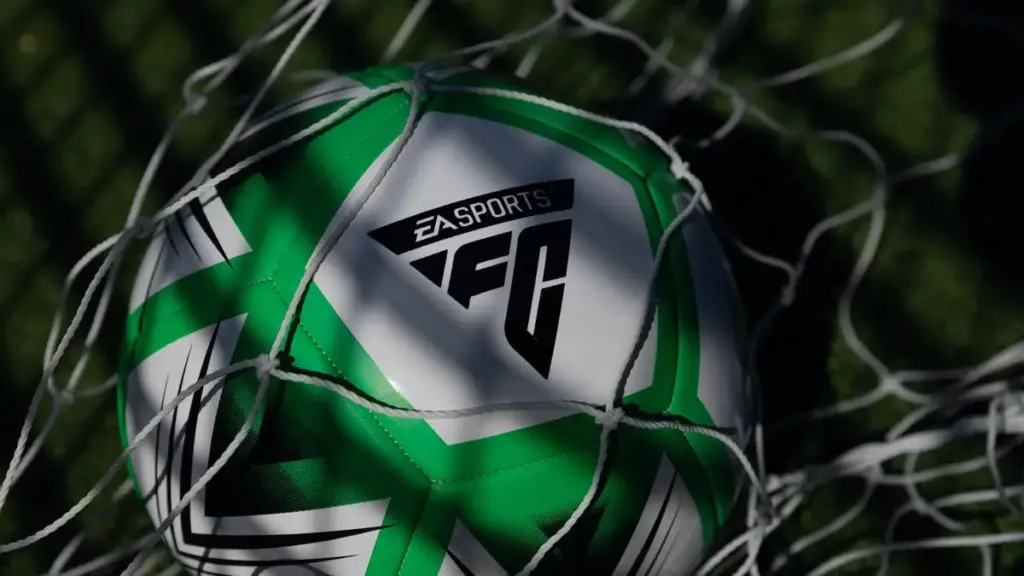
On Wednesday, August 19, 2026, millions of football gaming enthusiasts across the globe experienced significant disruptions to their digital routines as Electronic Arts (EA Sports) initiated a widespread, multi-title server maintenance operation. Spanning three generations of the franchise—EA FC 26, EA FC 25, and EA FC 24—the scheduled outage brought online multiplayer services, Ultimate Team matchmaking, and digital event connectivity to a temporary halt across PlayStation, Xbox, PC, and Nintendo Switch platforms.
While routine server maintenance is an unavoidable facet of managing massive, live-service multiplayer ecosystems, the timing, frequency, and communication surrounding this specific outage have reignited a persistent debate within the community regarding infrastructure reliability. Coming just days after a prior round of emergency and scheduled maintenance, the August 19 blackout drew immediate criticism on social media platforms such as X (formerly Twitter) and Reddit.
Despite the initial frustration and a wave of connection error screens, EA Sports’ technical teams managed to restore services ahead of the projected deadlines. By late morning BST, core functionalities across all affected titles were fully operational. However, the incident underscores the vulnerability of modern live-service gaming architectures and highlights the growing friction between developer maintenance schedules and player expectations in an era of 24/7 digital entertainment.
Detailed Chronology of the Outage
The disruption unfolded across several distinct phases, beginning with pre-maintenance matchmaking restrictions and culminating in the gradual restoration of online services well ahead of official estimates. Below is a detailed timeline of events on August 19, 2026, tracking the server status from initial shutdown to full recovery.
08:30 BST – The Pre-Maintenance Window
As standard procedure for major live-service titles, EA Sports deliberately disabled online matchmaking approximately 30 minutes prior to the official 09:00 BST (08:00 UTC) downtime. This protocol is designed to protect players from mid-match disconnections, which can corrupt player stats, forfeit competitive matches, and rob users of valuable Ultimate Team rewards. Consequently, active gaming sessions began winding down prematurely as lobbies emptied out.
09:00 BST – Official Outage Commences
The scheduled maintenance window officially opened across PlayStation 4, PlayStation 5, Xbox One, Xbox Series X/S, PC (via EA App, Steam, and Epic Games Store), and Nintendo Switch.
- EA FC 26 and EA FC 24 were slated for a three-hour window running from 09:00 to 12:00 BST.
- EA FC 25 faced a slightly shorter scheduled window, operating from 09:00 to 11:00 BST.
Upon attempting to log into online modes during this period, players were greeted by standardized connection error messages preventing authentication with the EA servers. Interestingly, isolated checks confirmed that while console and PC clients were locked out, auxiliary features like the EA FC Ultimate Team Web App and Companion App remained functional for select administrative tasks, such as squad management on mobile devices.
10:46 BST – Early Restoration Phase
Breaking the monotony of the wait, early testing indicated that backend stabilization was progressing faster than anticipated.

- EA FC 25 Servers Restored: By 11:00 BST (though noted slightly earlier in internal testing logs), FC 25 matchmaking servers began accepting incoming connections, bringing an end to its localized outage ahead of schedule.
- EA FC 26 Early Access: Although EA’s official schedule indicated a 12:00 BST completion time for the flagship title, server handshakes normalized significantly early. Industry testing at 11:35 BST verified successful logins to Ultimate Team and the immediate initiation of online matchmaking pairs.
11:40 BST – Official All-Clear
By 11:40 BST, EA Sports updated its official server status dashboards to confirm that all three impacted titles had successfully cleared their maintenance protocols. Matchmaking across all platforms returned to baseline functionality, allowing millions of users to resume competitive and casual play.
Supporting Context, Metrics, and Community Impact
The Burden of Frequency: A Week of Discontent
The core driver behind the community’s vocal dissatisfaction on August 19 was not the duration of the downtime—which was relatively brief and efficiently managed—but rather its frequency. Coming on the heels of another scheduled maintenance cycle just seven days prior, the August outage tested the patience of the game’s core demographic.
Modern live-service franchises operate on an unforgiving content cadence. Players invest significant time and, in many cases, financial capital into building competitive Ultimate Team rosters. When access to these digital assets is repeatedly restricted during peak morning and midday hours, user sentiment invariably sours.
Social Media Reactions
The disparity between developer necessity and consumer frustration was immediately visible across digital forums. On Reddit, a thread discussing the weekly maintenance cycle attracted hundreds of upvotes and combative commentary:
*"Server maintenance every week is f** stupid,"* wrote one prominent user, echoing a sentiment shared by thousands of active competitors.
Another user added fuel to the fire, commenting: "Especially when nothing changes or improves patch-to-patch."
Over on X, independent community sentiment mirrored this fatigue. One high-profile fan posted: "I’ve never known a game or company to have so many downtimes during their active game cycle. It’s an absolute joke."
Despite these emotional outbursts, historical data indicates that these routine backend updates are vital for database integrity, preventing exploits, and preparing server hardware for upcoming promotional events.

Content Schedule Resilience
A primary concern for hardcore Ultimate Team players during unexpected or scheduled downtime is whether the blackout will interfere with daily content drops. EA Sports traditionally deploys new Squad Building Challenges (SBCs), objectives, and promotional player items at 18:00 BST.
Because the August 19 maintenance concluded well in advance of the evening content refresh, the day’s scheduled drops remained completely unaffected. Players experienced zero downstream delays regarding evening promotional material, mitigating what could have been a much larger logistical headache for the development team.
Official Statements and Technical Diagnostics
While EA Sports did not issue a broad press release regarding the operational goals of the August 19 maintenance—opting instead for localized notifications via the EA Sports Direct Communication channel on X and the official EA Help server status portal—industry standards provide clear insight into why such interventions are necessary.
Why Do Multi-Title Outages Occur?
- Backend Database Synchronization: Managing millions of simultaneous player accounts, transfer market transactions, and match result validations requires periodic database indexing and cleanup.
- Security Patches and Exploit Mitigation: Live-service economies are prime targets for botting, coin-farming, and telemetry exploits. Periodic downtime allows security teams to patch vulnerabilities before they destabilize the in-game economy.
- Cross-Platform Infrastructure Alignment: With modern EA Sports FC iterations supporting cross-play across current-generation consoles and PC, matching server versions across disparate operating environments requires synchronized rolling updates.
Troubleshooting Post-Maintenance Connectivity Issues
For users experiencing lingering connection errors even after servers are officially declared live, EA network engineers recommend a standardized troubleshooting checklist to clear local cache anomalies:
- Power-Cycling Hardware: Completely shut down your console or PC, unplug the power cable and router for 60 seconds, and reboot to clear corrupted local network caches.
- Verifying Local Network Integrity: High traffic surges immediately following server restoration can cause localized regional bottlenecks. Switching from Wi-Fi to a wired Ethernet connection often resolves transient packet-loss issues.
- Checking Server Status Pages: Always cross-reference local errors with the official EA Help Server Status page to distinguish between personal network faults and broader infrastructure outages.
Future Outlook: The Road Ahead for EA Sports Infrastructure
As the live-service gaming industry continues to evolve, the friction between server reliability and user expectation will remain a central battleground for developers and publishers alike. For EA Sports, the challenge lies in scaling server architecture to match the massive, uninterrupted demands of the global football community.
Looking forward, the franchise faces immense pressure to minimize the frequency of disruptive daytime interventions. As cloud computing capabilities and containerized server management tools advance, the industry expectation is shifting toward zero-downtime deployments—a technological holy grail that allows backend updates without kicking active players off the pitch.
Until that standard becomes universal, players of EA Sports FC must continue to navigate the occasional scheduled blackout. While the morning of August 19, 2026, brought frustration and social media venting, the swift restoration of servers proved that EA’s technical response teams remain capable of hitting their marks—even if the journey there continues to ruffle feathers in the virtual stadium.