Executive Overview
In the hyper-connected landscape of modern social media, digital transparency has become the default setting for influencers and everyday creators alike. We are privy to meticulous house renovations, deeply personal wellness routines, and step-by-step skincare regimens that leave virtually no facet of a content creator’s daily life obscured. Yet, a conspicuous blind spot persists within the lucrative realms of beauty and lifestyle vlogging: the signature scent.
Across TikTok, Instagram, and YouTube, millions of viewers find themselves entranced by "Get Ready With Me" (GRWM) videos where creators liberally spritz themselves with perfume—invariably from an unlabelled, obfuscated bottle. When comment sections inevitably flood with inquiries demanding to know the name of the fragrance, the silence from the creator is often deafening.
This phenomenon has popularized the term "perfume gatekeeping"—a digital slang descriptor that has amassed tens of millions of views and sparked fierce debates across dedicated online fragrance communities like Fragrantica and Reddit. While critics dismiss the practice as immature, petulant, or overly elitist, perfume specialists and sociologists suggest it taps into a deeper psychological need for personal identity, olfactory intimacy, and rebellion against mass-market homogenization. As the fragrance industry booms, this clash between communal sharing and personal exclusivity raises fundamental questions about ownership, authenticity, and consumer culture in the digital age.
Detailed Chronology: The Evolution of Fragrance Secrecy in the Digital Age
To understand how withholding the name of a perfume evolved from a casual social choice into a full-scale cultural battleground, one must trace the convergence of algorithmic content creation and the modern perfume renaissance.
Phase 1: The Rise of the Unlabelled Flacon
In the early days of beauty blogging on YouTube, transparency was currency. Creators meticulously linked every product used, from high-end foundations to drugstore lip glosses. However, as the platform matured into TikTok and short-form video formats dominated, the pacing of content shifted. GRWM videos prioritized aesthetic appeal, sensory engagement, and emotional resonance over comprehensive product tutorials.
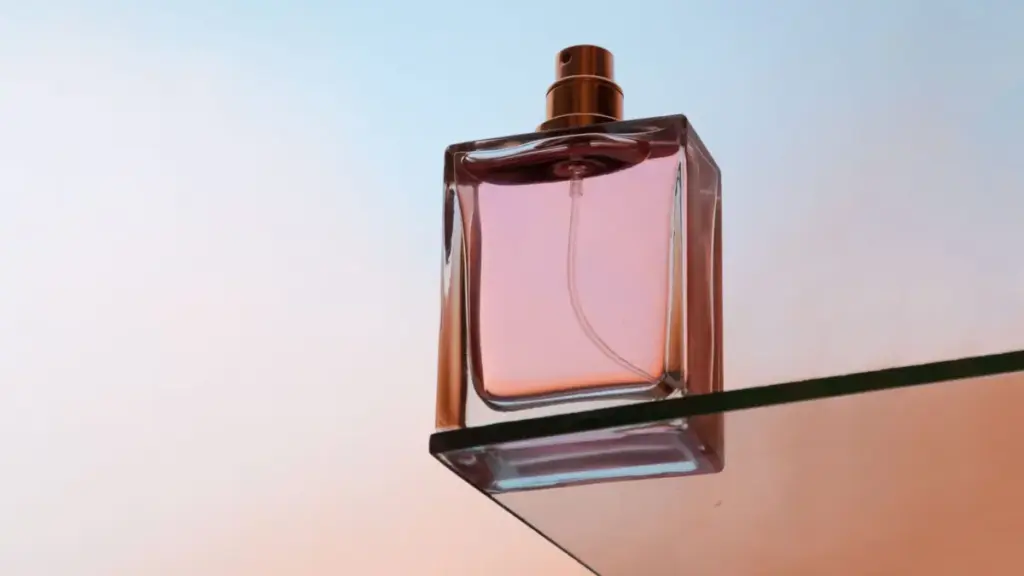
Perfume, by its very nature, is invisible. Unlike a red lipstick or a sculpted contour, it cannot be visually identified on screen. Creators quickly realized that misting an unlabelled, artistic bottle created a moment of intrigue. It shifted the comment section dynamic from passive consumption to active engagement—driving algorithmic performance through speculative comments ("What perfume is that?", "Please drop the name!").
Phase 2: The Viral Explosion of "Gatekeeping"
As the trend accelerated through 2022 and 2023, the hashtag #gatekeepingmyperfume exploded on TikTok, accumulating over 33 million views. Commenters grew frustrated as creators openly admitted to withholding fragrance names.
The backlash was swift. Forums on Reddit (such as r/FemFragLab) and Fragrantica began threads titled "Opinions on people who keep their favorite perfume to themselves?" The consensus among critics was stark: withholding information was labeled "snobbish," "childish," and contrary to the collaborative spirit of the internet. Yet, despite the digital peer pressure, creators doubled down. The act of refusing to share became a silent power play—a way to carve out a protected, non-monetized space in an ecosystem where every other aspect of an influencer’s life is bartered for brand deals and engagement metrics.
Supporting Context & Metrics: The Psychology of Scent and Scarcity
Why does withholding the name of a liquid in a glass bottle provoke such visceral reactions on both sides of the screen? Experts point to a complex interplay of personal identity, economic anxiety, and market saturation.
1. Olfactory Identity and Intimacy
Pia Long, co-founder of fragrance house Olfiction Limited, notes that perfume is fundamentally intertwined with human identity.
"As a perfumery professional, I suppose I should advocate for shouting from the rooftops about what we wear," Long reflects. "However, I completely respect that not everyone wants to disclose their personal fragrance choices—whether online or in person."
Long explains that an individual’s choice of scent serves as a non-verbal communication tool—an invisible facet of personality. In a hyper-trend-driven world dictated by viral algorithms, a signature scent represents a rare bastion of individuality. Furthermore, fragrances possess profound mnemonic power. Viral phenomena like Phlur’s Missing Person Eau de Parfum—which famously caused users to tear up on camera due to its evocative, nostalgic notes mimicking the scent of a loved one—prove that perfume is often experienced as an intimate, emotional artifact rather than a mere cosmetic commodity.
2. The Fear of the "Santal 33 Effect"
The resistance to sharing a fragrance often stems from a very specific modern dread: mass replication.
Consider the ubiquity of scents like Maison Francis Kurkdjian Baccarat Rouge 540 or Le Labo Santal 33. Once exclusive niche fragrances, they became victims of their own viral success. Today, walking down a subway car, entering a fitness center, or sitting in a restaurant frequently exposes individuals to waves of the exact same saffron-and-jasmine or smoky-wood sillage.
As one consumer noted during a conversation on modern scent culture: "It’s like showing up to a party wearing the exact same outfit as someone else. It’s embarrassing." On TikTok, users draw a hard line: "I’d give my friends my last dollar. They can wear my clothes, my shoes, my handbags. Everything they want. But do not ask me for my perfume."
3. The Price Tag Paradox
Beyond the desire for uniqueness, industry insiders reveal a more pragmatic motivator for fragrance secrecy: socio-economic vulnerability.
According to private consumer surveys, a significant percentage of individuals conceal their perfume names out of embarrassment regarding the cost. On one end of the spectrum, luxury connoisseurs fear being branded as tone-deaf or fiscally irresponsible for spending a quarter of their monthly rent on a single bottle of bespoke parfum.
Conversely, the explosion of the "perfume dupe" market—exemplified by supermarket discount iterations of luxury staples like Tom Ford or Yves Saint Laurent—introduces a counter-shame. While dupes democratize beauty, they also ignite ferocious debates over intellectual property and plagiarism within the industry. For those wearing inexpensive alternatives, admitting that a favored scent costs mere pocket change can feel equally exposing in elite digital spaces.
Official Statements & Industry Perspectives
Industry leaders and fragrance historians offer varying viewpoints on whether true exclusivity in the modern marketplace is even attainable.
- Marina Barcenilla (Founder, AromAtom): Barcenilla argues that absolute exclusivity is ultimately a myth. "Whether you buy a mass-produced fragrance or an ultra-niche indie creation, hundreds, thousands, or even hundreds of thousands of other people are wearing that exact same formula," she notes. According to Barcenilla, uniqueness is derived not from the liquid itself, but from the wearer’s subjective interpretation, body chemistry, and personal narrative.
- Eudora Nwasike (The Fragrance Foundation): Nwasike points to the human body’s unique chemical makeup as the ultimate equalizer. Because skin pH, diet, and hormones alter how aromatic compounds project, the same perfume never smells identical on two different people. This chemical individuality, combined with the growing trend of "fragrance layering," allows consumers to customize their scent profile even when using commercial products. Furthermore, Nwasike highlights that the craving for personalized luxury is driving a massive surge in bespoke fragrance profiling services—such as those offered by Penhaligon’s or Ex Nihilo’s The Osmologue—where consumers can actively brew their own signature formulations.
Future Outlook: The Democratization vs. Customization Dilemma
As we look toward the future of the fragrance market, the tension between gatekeeping and sharing highlights a broader cultural shift.
Economic pressures, paired with an oversaturated influencer marketing landscape, have transformed how consumers view authenticity. While the beauty industry continues to push accessibility through affordable dupes and mass-market rollouts, the consumer pushback—manifested as perfume gatekeeping—signals a reclamation of personal space.
Whether an individual chooses to broadcast their signature scent to millions or guard the bottle fiercely in an unlabelled flacon, the underlying motivation remains the same: the desire to feel distinct in a world that increasingly smells, looks, and acts the same. In the realm of fragrance, as in love, privacy may well remain the ultimate luxury.