Executive Overview
The landscape of generative artificial intelligence and digital media shifted dramatically following a high-stakes standoff between the world’s leading entertainment conglomerates and one of the globe’s most influential tech titans. ByteDance, the parent company of TikTok, has officially signed a Memorandum of Understanding (MOU) with the Motion Picture Association (MPA), marking a watershed moment in the intersection of generative AI, copyright law, and online content moderation.
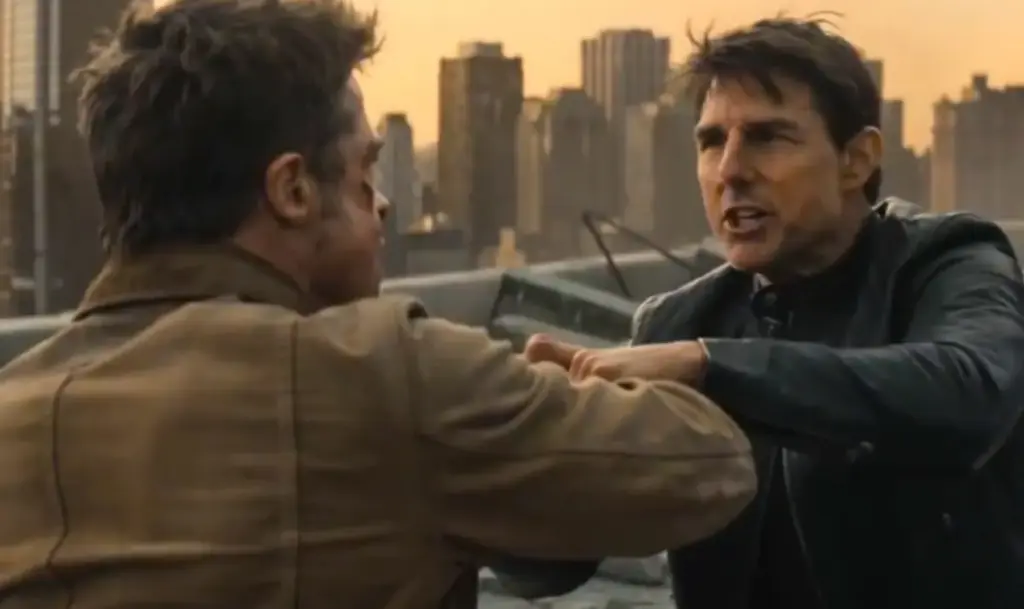
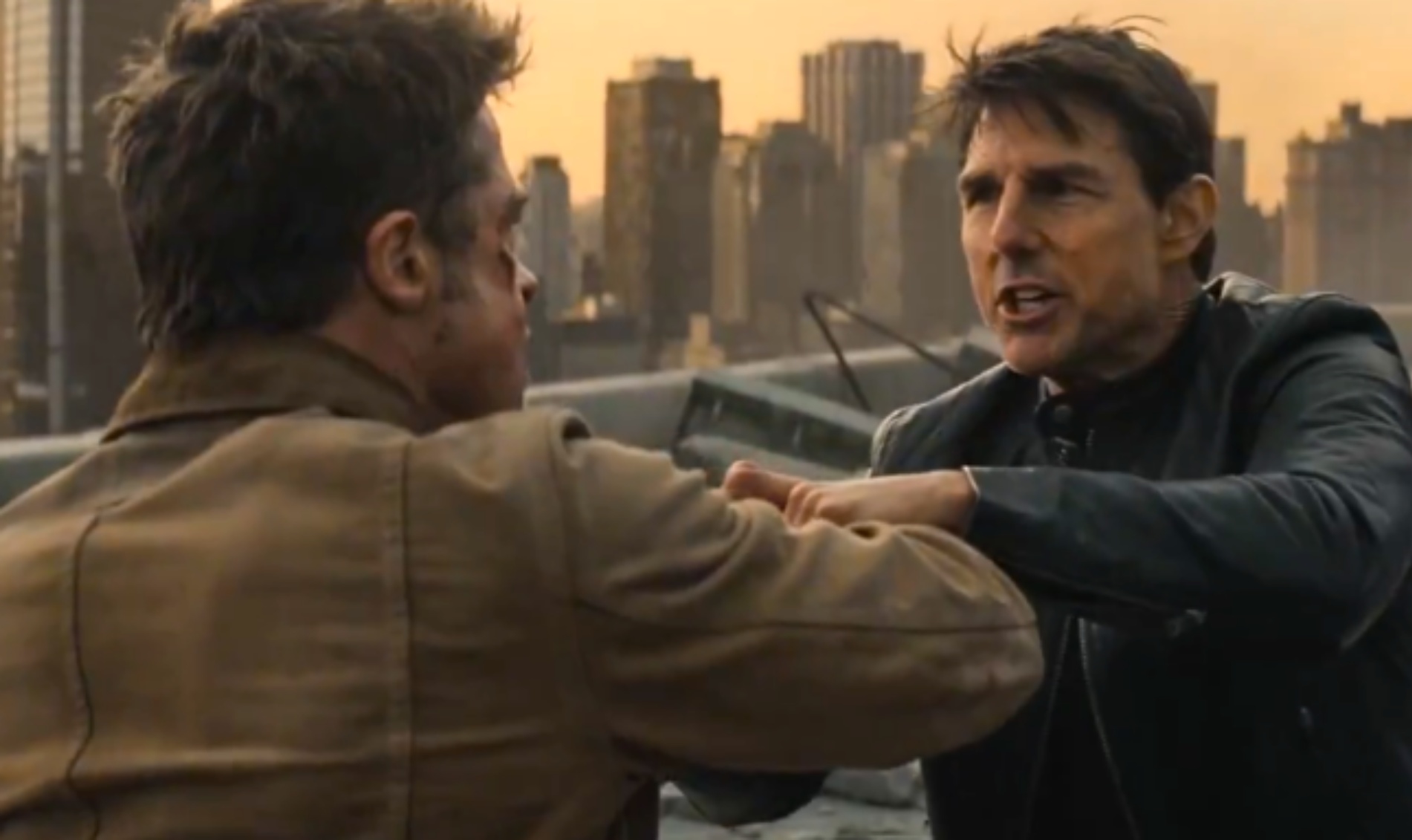
The agreement comes directly on the heels of escalating industry-wide tensions sparked by hyper-realistic, AI-generated deepfakes. Among the most viral and controversial exhibits of this technological capability was a heavily circulated, AI-rendered cinematic brawl featuring digital simulacra of Hollywood icons Tom Cruise and Brad Pitt. The clip, generated using ByteDance’s proprietary video model, underscored a terrifying reality for major studios: their intellectual property, likenesses, and multi-billion-dollar franchises were effectively being mined, replicated, and weaponized at scale by everyday social media users.
Under the terms of the newly minted MOU, ByteDance has agreed to implement and "maintain strong guardrails" across its generative technology ecosystem—specifically targeting its state-of-the-art AI models, Seedream 5.0 Pro and Seedance 2.5. These technical constraints are engineered to safeguard copyrighted material, shield actors’ likenesses from unauthorized digital appropriation, and carve out a legal framework for how AI-generated media interacts with legacy entertainment empires.
While this agreement effectively spells the end for unauthorized, wild-west parodies of Hollywood heavyweights on TikTok, it does not mean the death of generative AI on the platform. Instead, the MOU establishes a cooperative bridge between Silicon Valley, Beijing, and Hollywood. It creates a regulated pathway for official brand integrations—cemented recently by TikTok’s landmark licensing deal with Disney—proving that while unauthorized deepfakes are out, sanitized, studio-approved generative AI is poised to become the new normal of digital entertainment.
Detailed Chronology: From Cease-and-Desist to Global Accord
To fully understand the weight of the ByteDance-MPA agreement, one must trace the timeline of friction that led two opposing industries to the negotiating table.
The Spark: The Rise of "Seedance" and the Cruise-Pitt Showdown
The friction began intensifying as ByteDance rolled out successive upgrades to its generative video architecture. The deployment of Seedance 2.5 and Seedream 5.0 Pro introduced breathtaking leaps in video fidelity, temporal consistency, and prompt adherence. Creators on TikTok, CapCut, and the platform’s U.S.-managed joint venture services quickly realized the models were capable of rendering photorealistic cinematic sequences featuring globally recognized actors and fictional characters with virtually no friction.
The tipping point arrived in early 2026 when a user-generated clip pitting a hyper-realistic, AI-generated Tom Cruise against a similarly rendered Brad Pitt went viral across algorithmic feeds. The video—seamlessly mimicking high-budget Hollywood action choreography—racked up tens of millions of views. While casual viewers marveled at the technological wizardry, executives across major motion picture studios viewed the video as an existential threat to intellectual property rights and an alarming preview of unregulated digital identity theft.
The MPA Strikes Back: The February Cease-and-Desist
Prompted by the viral action sequence and a rising tide of unauthorized studio-franchise deepfakes, the Motion Picture Association (MPA)—acting on behalf of major Hollywood production powerhouses including Disney, Universal, Paramount, Warner Bros., and Sony—took decisive legal action.
In February, the MPA formally issued a sweeping cease-and-desist letter to ByteDance. The legal notice demanded an immediate halt to the unauthorized use of Hollywood intellectual property, copyrighted cinematic assets, and actor likenesses in the training data and operational outputs of ByteDance’s generative AI models. The message to the tech giant was clear: alter the underlying technology and curb user-generated piracy, or face an aggressive escalation of legal battles across international jurisdictions.
Constructive Engagement and the Path to the MOU
Rather than engaging in a protracted, multi-year court battle reminiscent of early digital piracy disputes (such as the historic music industry lawsuits of the early 2000s), ByteDance and the MPA opted for diplomatic, behind-the-scenes negotiations.
Over the subsequent months, technical teams from ByteDance collaborated with legal and creative representatives from the MPA. The objective was clear: determine how to surgically inject technological guardrails into Seedance and Seedream without completely castrating the utility of the models. The result of these months-long discussions culminated in the global Memorandum of Understanding, formally bridging the gap between studio protectionism and generative AI innovation.
Supporting Context & Metrics: The Generative AI Gold Rush
The clash between ByteDance and Hollywood does not occur in a vacuum; it is part of a broader, high-stakes war over data, training rights, and the future of creative labor.
The Anatomy of ByteDance’s AI Ecosystem
ByteDance has positioned itself as an aggressive frontrunner in consumer-facing generative artificial intelligence. Unlike many competitors who focus strictly on enterprise software or text-to-image stills, ByteDance’s strategic advantage lies in its seamless vertical integration across short-form video apps.
- Seedream 5.0 Pro: The latest iteration of the company’s text-to-image and multimodal generation suite, optimized for artistic rendering and visual fidelity.
- Seedance 2.5: A powerhouse video generation model capable of producing temporally stable, high-definition motion sequences from simple text prompts.
These tools are not isolated research projects; they are directly woven into the fabric of TikTok, the ubiquitous video editor CapCut, and specialized regional operations like the TikTok USDS Joint Venture. By putting these capabilities directly into the hands of over a billion monthly active users, ByteDance democratized cinematic creation—while simultaneously unlocking a regulatory nightmare.
The Broader War Over AI Training Data
Hollywood is far from the only creative sector locking horns with tech companies over AI. Musicians, visual artists, and authors have spent years filing class-action lawsuits against major AI labs for scraping copyrighted works without consent or compensation.
However, the film and television industry possesses a unique arsenal: a strict, globally recognized framework of intellectual property laws, massive legal war chests, and deeply defensive talent agencies protecting the financial and moral rights of A-list actors. When deepfake technology threatens to decouple a star’s likeness from their filmography—permitting anyone to cast Tom Cruise or Brad Pitt in entirely unauthorized, potentially defamatory, or brand-damaging scenarios—studios are forced to react aggressively.
Furthermore, studios have increasingly found themselves wrestling with AI-generated trailers and "fan films" (such as those analyzed extensively across creator-economy publications regarding platforms like YouTube and specialized AI screening initiatives at events like the Cannes Film Festival). These creations often blur the line between transformative fan art and outright copyright infringement, muddying marketing campaigns and confusing consumers.
Official Statements: Perspectives from the Front Lines
The gravity of the agreement is best captured through the public statements released by leadership on both sides of the negotiating table, reflecting a delicate balance between corporate partnership and defensive preservation.
Charles Rivkin, Chairman and CEO of the Motion Picture Association:
"Today’s agreement illustrates our belief that copyright is a cornerstone of the film and television industry—and reinforces our commitment to protect creative content. For the past several months, we have had constructive engagement with ByteDance to implement meaningful guardrails on Seedance and Seedream, and this MOU reflects our shared determination to continue our work together to further fortify those guardrails."
Rivkin’s remarks emphasize that copyright remains non-negotiable for Hollywood’s survival. By framing the agreement as a collaborative achievement rather than a forced concession, the MPA has signaled to the rest of the tech sector—including competitors like OpenAI, Google, and Meta—that the entertainment industry expects to be seated at the table whenever generative models touch cinematic intellectual property.
ByteDance, meanwhile, has publicly echoed this sentiment of cooperation, noting in its official press release that the framework allows the company to continue pushing the boundaries of creativity while respecting the legal boundaries of global media production.
Future Outlook: What the MOU Means for Creators, Brands, and TikTok
While the era of the wild, unbridled AI Tom Cruise action sequence may be drawing to a close on mainstream feeds, generative AI on TikTok is far from dead. In fact, it is evolving into a more structured, commercial, and monetizable enterprise.
1. The Rise of Brand-Safe GenAI
ByteDance is not pulling back its investments in generative AI; rather, it is redirecting them toward enterprise-safe applications. Initiatives like TikTok Symphony leverage generative video technology to help brands automatically produce scalable, localized marketing content. By cleansing the underlying training models of unauthorized Hollywood IP, ByteDance ensures that brands using TikTok’s internal ad-creation tools won’t inadvertently trigger copyright lawsuits or face public relations disasters.
2. Legitimate Crossovers and the Disney Blueprint
The timing of the MPA agreement aligns intriguingly with TikTok’s business strategy. The platform recently finalized a landmark character-licensing and content deal with The Walt Disney Company. This strategic maneuver proves that TikTok is not looking to sever ties with Hollywood entirely; instead, it wants to bring major pop culture franchises onto the platform legally.
The MOU ensures that future platform-wide features, filters, and generative effects featuring characters from Disney, Universal, or Warner Bros. will be executed through formal licensing pipelines, revenue-sharing agreements, and rigorous quality control.
3. A Precedent for the Tech Industry
Ultimately, the ByteDance-MPA Memorandum of Understanding sets a critical global precedent. It demonstrates that tech platforms cannot simply claim "safe harbor" exemptions indefinitely when their generative models are systematically churning out high-fidelity copyright infringements. As regulatory bodies worldwide scrutinize the ethical and legal boundaries of AI training data, the alliance between TikTok and Hollywood may well become the operational blueprint for how the entertainment industry and Big Tech learn to coexist in the digital age.
AI-generated blockbusters may still have a home on TikTok, but going forward, Hollywood’s biggest stars will only be starring in the features they’ve legally signed off on.