Executive Overview
For a generation of music lovers, the impossible has finally happened. The release of the official trailer for Oasis: Don’t Look Back In Anger marks yet another milestone in what is arguably the most staggering reconciliation in modern rock history. Directed by acclaimed filmmakers Dylan Southern and Will Lovelace—best known for their masterful work on the LCD Soundsystem documentary Shut Up and Play The Hits—and produced by Peaky Blinders creator Steven Knight, the upcoming feature-length documentary promises an unvarnished, deeply vulnerable look at the meteoric rise, catastrophic implosion, and triumphant resurrection of Manchester’s favorite sons.
Tracing the band’s trajectory from grimy Northern working-class beginnings to global superstardom, an embattled place in rock history, and culminating in their much-debated 2025 reunion tour, the film is designed to be much more than a standard concert movie. It captures a seismic cultural moment that skeptics doubted would ever materialize, let alone survive the friction of the road.
Set for a theatrical and IMAX premiere on September 11, 2026, followed by a subsequent streaming rollout on Disney+, Oasis: Don’t Look Back In Anger offers an intimate vantage point on the Gallagher brothers. It goes beyond the tabloid headlines to explore the profound emotional resonance of their music across generations, serving as both a backstage pass and a psychological autopsy of sibling rivalry, creative genius, and eventual reconciliation.
Detailed Chronology: From Burnage to the Breakup and Back Again
The Genesis of a Phenomenon (1991–1994)
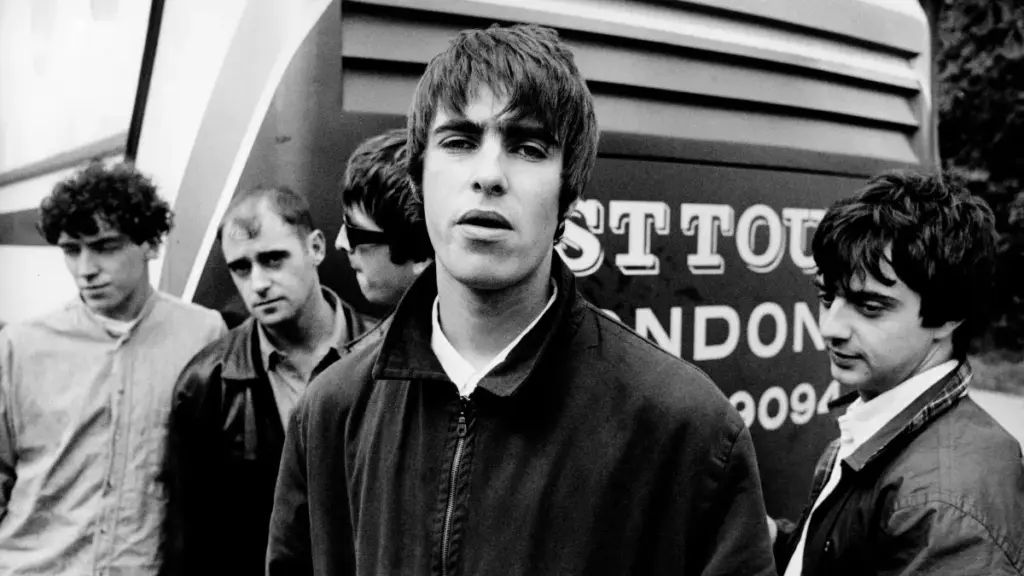
To understand the weight of the new documentary, one must trace the timeline of the band it covers. Formed in Burnage, Manchester, in 1991—initially under the moniker The Rain before Liam Gallagher joined as frontman—Oasis quickly catalyzed around the songwriting brilliance of older brother Noel Gallagher. Melding the driving distortion of The Jesus and Mary Chain with the melodic grandeur of The Beatles and The Smiths, the band captured the bruised optimism of post-industrial Britain.
Their debut album, 1994’s Definitely Maybe, became the fastest-selling debut album in British history at the time. It established the template for the Britpop movement: swaggering, unapologetic, and dripping with working-class ambition. The documentary’s early acts revisit these sun-drenched, chaotic days in vans and small clubs, reminding viewers of the sheer hunger that propelled the Gallaghers from council estates to international prominence.
The Peak and the Precipice (1995–2009)
What followed was a dizzying ascent into the pantheon of rock royalty, defined by historic cultural moments such as the legendary twin-night stand at Knebworth Park in 1996, where over a quarter of a million fans converged. Yet, alongside the anthems—"Live Forever," "Wonderwall," "Champagne Supernova"—came a relentless storm of volatile behavior, instrument-smashing, public feuds, and substance-fueled excess.
The tension between Liam and Noel became the band’s driving engine and its ultimate Achilles’ heel. Decades of escalating animosity culminated in August 2009 backstage at the Rock en Seine festival in Paris. A physical altercation and a smashed guitar brought a sudden, unceremonious halt to the band’s European tour. Noel issued a statement declaring he simply could not work with Liam a day longer, effectively signaling the end of Oasis and plunging fans into a 15-year dark age characterized by solo projects (Beady Eye, High Flying Birds) and relentless, venomous social media sniping.
The Unthinkable Truce: The 2025 Reunion Tour
For a decade and a half, industry insiders and die-hard fans alike dismissed rumors of a reunion as wishful thinking. The animosity between the brothers seemed structurally permanent. However, tectonic plates shift. Behind closed doors, away from the glare of the British tabloid press, the healing process began—a narrative that Oasis: Don’t Look Back In Anger claims to document with unprecedented transparency.
The announcement of the 2025 reunion tour sent shockwaves through the global music economy. Tickets vanished in minutes, crashing ticketing platforms worldwide and sparking intense debates over dynamic pricing and corporate ticketing practices. Yet, as the tour kicked off, the primary narrative shifted from commercial triumph to emotional catharsis. Night after night, stadiums filled with nostalgic veterans and teenagers experiencing the music for the first time watched two middle-aged brothers share a stage, proving that time, however grudgingly, can heal even the most fractured bonds.
Supporting Context & Metrics: The Cultural and Economic Footprint
The cultural weight of Oasis extends far beyond nostalgic sing-alongs; they remain a vital economic and sociological force in modern music. The 2025 reunion tour generated staggering financial metrics, cementing the band’s status as a generational institution.
- Global Reach: The tour united millions of fans across multiple continents, bridging a demographic divide that spanned from Gen-Xers who bought What’s the Story (Morning Glory?) on cassette in 1995 to Gen-Z listeners discovering the band via TikTok and streaming algorithms.
- Cinematic Scale: The decision to release Oasis: Don’t Look Back In Anger in IMAX theaters highlights the visual and sonic ambition of the project. Capturing the sheer scale of stadium shows requires technical precision, matching the epic scope of Southern and Lovelace’s previous work on Shut Up and Play The Hits, which meticulously documented LCD Soundsystem’s farewell concert at Madison Square Garden.
- Streaming Longevity: Despite a 15-year hiatus, Oasis maintained billions of streams annually, proving that their catalog had achieved classic status. The documentary arrives at a time when music documentaries have evolved from promotional fluff pieces into high-art cinematic explorations of trauma, fame, and artistic endurance.
Official Statements: Behind the Lens and On the Record
The creative team behind Oasis: Don’t Look Back In Anger has been vocal about the unique responsibility of bringing this story to the screen.
Producer Steven Knight, renowned for his gritty television storytelling in Peaky Blinders, emphasized the broader thematic resonance of the documentary during early press rounds:
"The Oasis world tour united generations, cultures and countries and spoke to a broken world about reconciliation. Oasis: Don’t Look Back In Anger is not only your ticket to the show — it’s a backstage pass and a seat at the table when Liam and Noel sit down together for the first time in 15 years and tell it how it is and how it was."
This perspective is echoed by the directors, Dylan Southern and Will Lovelace, whose documentary credentials ensure that the film avoids hagiography in favor of psychological realism. They have crafted a narrative that honors the music while refusing to shy away from the toxicity that nearly erased one of Britain’s greatest cultural exports.
Meanwhile, Noel Gallagher offered a characteristically candid, guarded assessment of the film in an interview with NME:
"I’ve only seen a tiny little bit of [the film], and it’s difficult to have an opinion on it because I’m only looking at little snippets. Everyone who has seen it, or seen more of it than I have, has said that it’s amazing. If it even captures five per cent of what that tour was, it’ll be astonishing. Looking forward to it."
Noel’s cautious optimism reflects the band’s historical skepticism toward media narratives, making his eventual sign-off on the project all the more significant for fans waiting to see how the brothers’ reconciliation is framed on screen.
Future Outlook: The Legacy of Oasis in the Streaming Era
As the release date of September 11, 2026, approaches, the conversation surrounding Oasis has shifted from disbelief to legacy preservation. Oasis: Don’t Look Back In Anger arrives at a fascinating crossroads for the music industry. As legacy acts increasingly cash in on nostalgia, few groups possess a narrative as compelling, volatile, or culturally definitive as Oasis.
The film poses profound questions about the nature of art and enmity. Can lifelong creative partnerships survive the corrosive nature of extreme fame? Is reconciliation always possible, or was the 2025 reunion a miraculous outlier in rock history? By offering viewers a seat at the table during Liam and Noel’s first face-to-face sit-down in 15 years, the documentary aims to provide answers not through PR-managed soundbites, but through the raw, unfiltered lens of documentary filmmaking.
For the millions who sang along under stadium lights during the reunion tour, and for the generations yet to discover the thunderous opening chords of Rock ‘n’ Roll Star, this documentary will serve as the definitive chapter of the Oasis saga. Whether it marks a permanent truce or merely a glorious final chapter, Oasis: Don’t Look Back In Anger ensures that the turbulent, brilliant, and utterly inimitable story of the Gallagher brothers will be etched into cinema history forever.