Executive Overview
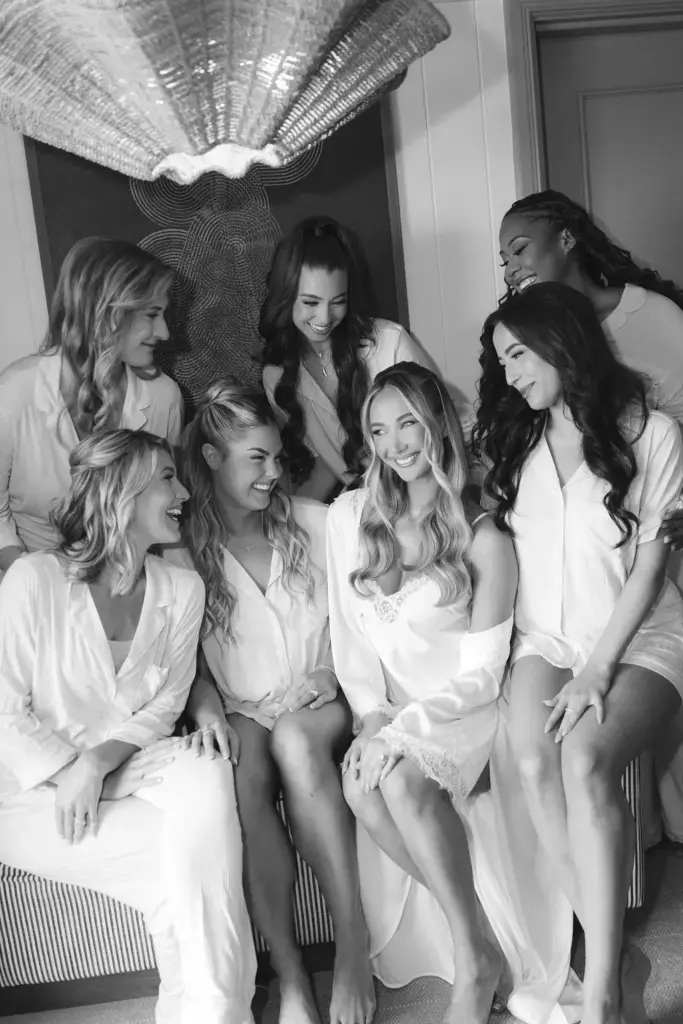
While the grand, sweeping white wedding gown rightfully claims the lion’s share of the fashion spotlight, the modern wedding experience involves an extensive, highly curated wardrobe journey. From the initial engagement party and the bridal shower to the rehearsal dinner, post-wedding brunch, and the quiet moments of anticipation on the morning of the ceremony, contemporary brides face a multitude of sartorial milestones. Among these, the pre-wedding loungewear—the garments worn while sipping morning coffee, coordinating final makeup applications, and building anticipation with a bridal party—has evolved from an afterthought into a distinct, high-fashion category.
No longer limited to oversized graphic tees or generic hotel-provided robes emblazoned with "Bride" in rhinestones, today’s bridal loungewear merges uncompromising comfort with luxurious aesthetics. Designers are responding to a sophisticated consumer base by offering items that balance tactile pleasure with architectural beauty. From washable silk sets by Lunya and feather-trimmed statement pieces to dramatic floor-sweeping velvet robes by Loretta Caponi and intricately detailed lace slips by Fleur du Mal, the market for bridal sleepwear has transformed. This article investigates the cultural shift in pre-wedding dressing, the technical considerations driving design innovations, and the economic landscape of the bridal loungewear market.
Detailed Chronology of the Pre-Wedding Wardrobe Transformation
To understand how bridal sleepwear gained its current high-style status, it is necessary to examine the evolution of the pre-wedding timeline over the past two decades.
[Traditional Era: Pre-2010s]
  ├── Focus strictly on the main ceremony gown
  ├── Generic, utilitarian getting-ready attire (oversized tees, standard robes)
  └── Minimal investment in pre-wedding events and associated photography

[The Social Media Inflection Point: 2010–2018]
  ├── Rise of Instagram and Pinterest shifting focus to "getting ready" photo-ops
  ├── Standardization of matching bridesmaid robes and coordinated bridal party palettes
  └── Emergence of direct-to-consumer (DTC) sleepwear brands prioritizing luxury fabrics

[The Contemporary Curated Trousseau: Present Day]
  ├── Holistic wardrobe curation across all wedding-adjacent events
  ├── Technical innovation prioritizing hair/makeup preservation (zip-fronts, wide necklines)
  └── Investment pieces designed for longevity, transforming sleepwear into wearable heirlooms
The Shift from Utilitarian to Aesthetic
Historically, the hours leading up to a wedding ceremony were treated as a backstage domain—a functional space where comfort superseded style, and any old garment that wouldn’t disrupt a fresh blowout or delicate makeup application would suffice. However, the rise of digital lifestyle platforms, wedding blogs, and social media fundamentally altered this dynamic. As photography began documenting every minute of the wedding day—beginning with the first brushstrokes of foundation and the popping of champagne bottles—brides recognized that the getting-ready narrative was an integral chapter of their visual story.
The Rise of the Coordinated Bridal Party
Simultaneously, the bridal party dynamic evolved. The tradition of mismatched attire gave way to cohesive visual storytelling. Brides began curating specific color palettes and textile themes for their bridesmaids long before walking down the aisle. This desire for harmony naturally extended to morning-of attire. Brands recognized an unprecedented commercial opportunity: rather than viewing sleepwear as basic utility wear, designers began treating robes, slips, and pajama sets as legitimate ready-to-wear pieces, utilizing high-end silks, bespoke embroideries, and couture-inspired details.
Supporting Context & Metrics: The Economics of the Trousseau Market
The burgeoning popularity of luxury bridal loungewear is mirrored by macro-level shifts within the global bridal and luxury sleepwear markets. According to recent retail analytics within the luxury apparel sector, the bridal accessories and pre-wedding apparel category has expanded significantly, growing at an estimated compound annual growth rate (CAGR) of over 6% globally.
Consumer Spending Shifts
Modern couples are allocating higher percentages of their overall budgets to experiential and secondary wardrobe elements. While the primary wedding dress remains a significant investment, spending on auxiliary wardrobes—rehearsal dinner dresses, welcome party looks, bridal shower ensembles, and luxury sleepwear—now frequently accounts for 15% to 20% of a bride’s total fashion budget.
| Wedding Milestone | Traditional Wardrobe Approach | Modern Curated Approach | Leading Textile Preferences |
|---|---|---|---|
| Bridal Shower | Casual daytime dress or sundress | Designer midi or cocktail dress | Organza, floral brocade, structured cotton |
| Rehearsal Dinner | Standard evening wear | White statement dress or tailored suit | Crepe, silk satin, feather-trim accents |
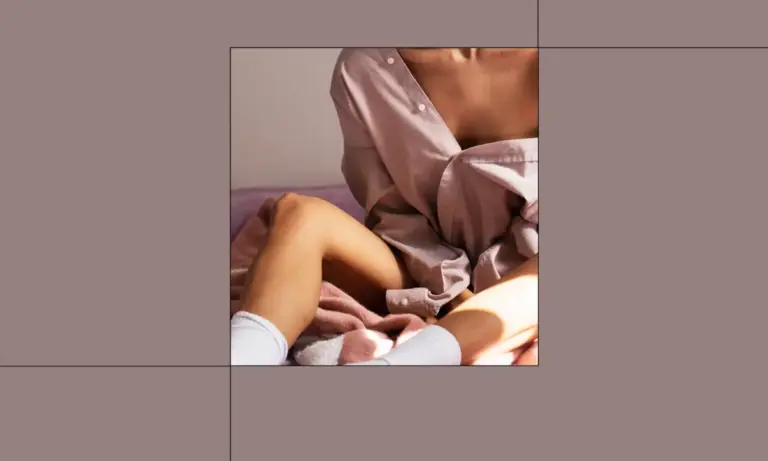
| Morning-Of Prep | Graphic tees, old bathrobes | Luxury silk pajamas, lace slips, bespoke robes | Washable silk, French lace, organic cotton voile |
| Post-Wedding Brunch | Casual traveling clothes | Effortless resort wear or slip dress | Linen, lightweight silk, pointelle knit |
The Longevity Factor: Beyond the Big Day
A critical metric driving consumer adoption of luxury bridal sleepwear is versatility. Modern brides are increasingly skeptical of single-use garments. Brands that succeed in this space—such as Lunya with its washable silk sets, or Olivia Von Halle with its decadent silk-satin pajamas—emphasize that these pieces are investments designed to be worn long after the wedding cake has been eaten and the honeymoon has concluded. A high-quality silk pajama set or a delicately embroidered nightdress transitions seamlessly into honeymoon resort wear, anniversary celebrations, or everyday luxury lounging.
Official Statements and Industry Insights
Designers and retail executives at the forefront of the luxury sleepwear market emphasize that functionality and emotional resonance must go hand-in-hand.
"The modern bride is not willing to sacrifice personal style for comfort, nor is she willing to compromise practicality on her wedding morning," notes a leading product developer in luxury loungewear. "Every detail—from the weight of a silk weave to the strategic placement of a button or wrap tie—is engineered to ensure the bride feels empowered, comfortable, and completely unhindered during one of the most high-pressure days of her life."
Industry experts also point to the psychological impact of the pre-wedding environment. The hours preceding a wedding ceremony are often characterized by intense emotional energy and anticipation. Curating an environment of physical comfort—through soft, breathable textiles, elegant silhouettes, and soothing colorways—serves as a grounding ritual.
Furthermore, luxury sleepwear manufacturers have had to adapt to stringent technical requirements. Garments must be meticulously designed to prevent static cling, avoid wrinkling during prolonged periods of sitting while hair and makeup are finalized, and allow for effortless removal without disturbing an intricate updo or delicate veil placement. Wide necklines, button-front shirts, wrap silhouettes, and stretch-silk blends have thus become industry standards for morning-of styling.
Future Outlook: The Next Generation of Bridal Loungewear
As the bridal market continues to innovate, several emerging trends point toward the future trajectory of pre-wedding fashion:
- Sustainable and Traceable Fabrics: With modern consumers demanding greater environmental accountability, brands are increasingly utilizing organic silks, traceable cottons, and eco-friendly dyes. The rise of washable luxury fabrics (such as Lunya’s washable silk line) eliminates the need for expensive dry cleaning, enhancing the long-term practicality of these garments.
- Personalization and Custom Monogramming: Moving beyond generic text, the future of bridal robes and pajamas lies in bespoke embroidery, subtle monogramming in heirloom fonts, and custom color-matching to a couple’s specific wedding branding.
- Multi-Generational Trousseau Heirlooms: There is a growing cultural appreciation for pieces that can be passed down through families. Elaborately laced dressing gowns, hand-embroidered nightdresses, and heirloom-quality silk robes are increasingly viewed as foundational elements of a modern family trousseau, bridging past traditions with contemporary luxury.
Ultimately, while the spotlight will always find its way to the grand white dress, the quiet moments preceding the celebration deserve an equal measure of intention and style. By investing in thoughtful, beautifully crafted loungewear, brides can set a tone of relaxed elegance that resonates throughout the entire wedding journey and leaves behind a tangible, wearable memento of their most cherished day.