In the modern landscape of entertainment, the physical transformations demanded of actors often transcend ordinary human conditioning. While everyday fitness enthusiasts balance work, family, and limited leisure hours to stay active, high-profile performers frequently operate under a different set of rules. For actors and recording artists, maintaining an elite physical baseline is an occupational necessity, backed by substantial resources, specialized culinary support, and access to the premier physical culture architects in the industry.
Among those who have quietly redefined the standard for functional strength is Alison Brie, widely celebrated for her critically acclaimed performances in Mad Men, Community, and her physically demanding role as a 1980s professional wrestler in the Netflix series GLOW. Now 43 years old, Brie has spent a decade and a half forging an impressive athletic profile that rivals dedicated powerlifters. Recently, in a comprehensive feature alongside her long-time strength and conditioning coach Jason Walsh—published by Women’s Health—Brie pulled back the curtain on the meticulous programming that allows her to perform weighted pull-ups with 45-pound plates and execute complex compound movements with striking proficiency.
Central to Brie’s enduring physical capability is a sophisticated training methodology pioneered by Walsh: the isometric contrast method. By integrating static muscle holds immediately prior to dynamic repetitions, Walsh has engineered a system that maximizes neuromuscular recruitment without triggering unwanted hypertrophy. This deep dive explores the mechanics of Brie’s routine, the physiological science behind isometric contrast training, and how everyday athletes can adapt these elite celebrity training principles into an accessible, high-efficiency home workout routine designed by top-tier fitness professionals.
Detailed Chronology: From Accidental Starter to Iron-Willed Lifter
The Genesis of a Lifter (Circa 2011)
Alison Brie’s journey into serious iron work did not begin on a Hollywood soundstage under the glare of studio lights; it was born out of a casual conversation with peer and fellow actress Emily Blunt roughly 15 years ago. Recognizing the profound mental and physical benefits of resistance training, Brie adopted a weight-lifting regimen that laid the foundational habits of her adult fitness life. For years, she maintained a consistent, disciplined approach to weight training, viewing it not merely as an aesthetic tool, but as a vital component of holistic wellness, stress management, and physical empowerment.
The GLOW Catalyst (2016–2019)
The true turning point in Brie’s physical evolution arrived with her casting as Ruth "Zoya the Destroya" Wilder in the hit comedy-drama series GLOW. Portraying a 1980s syndicated female wrestler required far more than superficial conditioning; it demanded genuine grappling competence, joint resilience, and explosive power to safely execute body slams, rope running, and high-impact mat work.
Under the expert tutelage of Jason Walsh—founder of the elite Los Angeles-based training facility Rise Nation—Brie’s training intensity escalated dramatically. Walsh transitioned Brie away from conventional, isolation-heavy bodybuilding routines and immersed her in functional, compound-heavy strength and conditioning. The results were transformational. Brie developed the structural integrity required to absorb the physical shocks of professional wrestling choreography, building a dense, highly functional physique capable of feats that routinely surprise casual observers, such as strict pull-ups loaded with substantial external weight.
Supporting Context & Metrics: The Physiology of Isometric Contrast Training
To understand why Alison Brie’s physique remains lean, exceptionally strong, and structurally sound at age 43, one must examine the specific mechanics of Jason Walsh’s programming. In their recent breakdown, Walsh highlighted a technique that separates elite strength coaching from standard gym workouts: the integration of isometric holds preceding dynamic repetitions.
What Are Isometric Holds?
According to Mark Harris, a Level 4 personal trainer, strength and conditioning coach, and ambassador for Mirafit, isometric holds occur when a muscle is forced to contract forcefully against an immovable resistance without any visible change in the length of the muscle or the angle of the surrounding joint.
"Isometric holds involve contracting your muscles forcefully without actually moving the joint," explains Harris. "The primary benefit is a massive increase in time under tension without creating friction or wear and tear on the joints."
Neuromuscular Recruitment Without Hypertrophy
From a physiological standpoint, pairing an isometric hold with dynamic movement—often referred to as contrast training or post-activation potentiation (PAP)—sends an immediate, high-frequency signal to the central nervous system.
When Brie performs an intense isometric hold—such as pressing against a fixed bar in a Zercher squat position before executing dynamic Zercher squats with a barbell—her motor units fire at an extraordinarily high rate. Walsh explains the rationale behind this technique:
"It recruits the nervous system at such a high rate that you can get really strong without getting bigger."
This neural adaptation explains how actors can cultivate dense, pound-for-pound functional strength without adding excessive muscular bulk, making it an ideal modality for performers who need to maintain specific silhouettes for diverse acting roles.
Overcoming Plateaus and Enhancing Stability
Furthermore, isometric holds are exceptionally effective at addressing weak links within a kinetic chain. By holding the most mechanically disadvantageous portion of a lift—such as the deep bottom of a squat or the chest-to-deck phase of a push-up—an athlete forces their core stabilizers to engage deeply. Harris notes:
"Isometrics are also incredible for building structural stability and overcoming strength plateaus, as you can specifically target and strengthen the exact angle of a movement where you usually struggle. Holding the most difficult part of a lift forces you to brace your core and find your true balance point, perfectly priming your posture for the functional reps that follow."
Official Insights & Expert Protocols
While elite performers like Alison Brie enjoy the luxury of dedicated private trainers and fully equipped commercial facilities, the underlying physiological principles can be scaled for everyday implementation. To democratize this celebrity-approved methodology, Mark Harris has designed a structured, 15-minute home workout routine incorporating the isometric contrast method using minimal equipment (such as kettlebells or dumbbells).
Structural Guidelines for the Routine
Execution Order: Always perform the isometric hold first, followed immediately by the dynamic repetitions.
Transition: Move from the hold to the reps seamlessly, and proceed to the next exercise with minimal rest.
Rest Periods: Once all paired exercises within a round are completed, rest for 60 to 90 seconds.
Volume: Complete a total of four rounds.
A 15-Minute Isometric Hold Contrast Workout
Circuit 1: Lower Body Dominance (Squats)
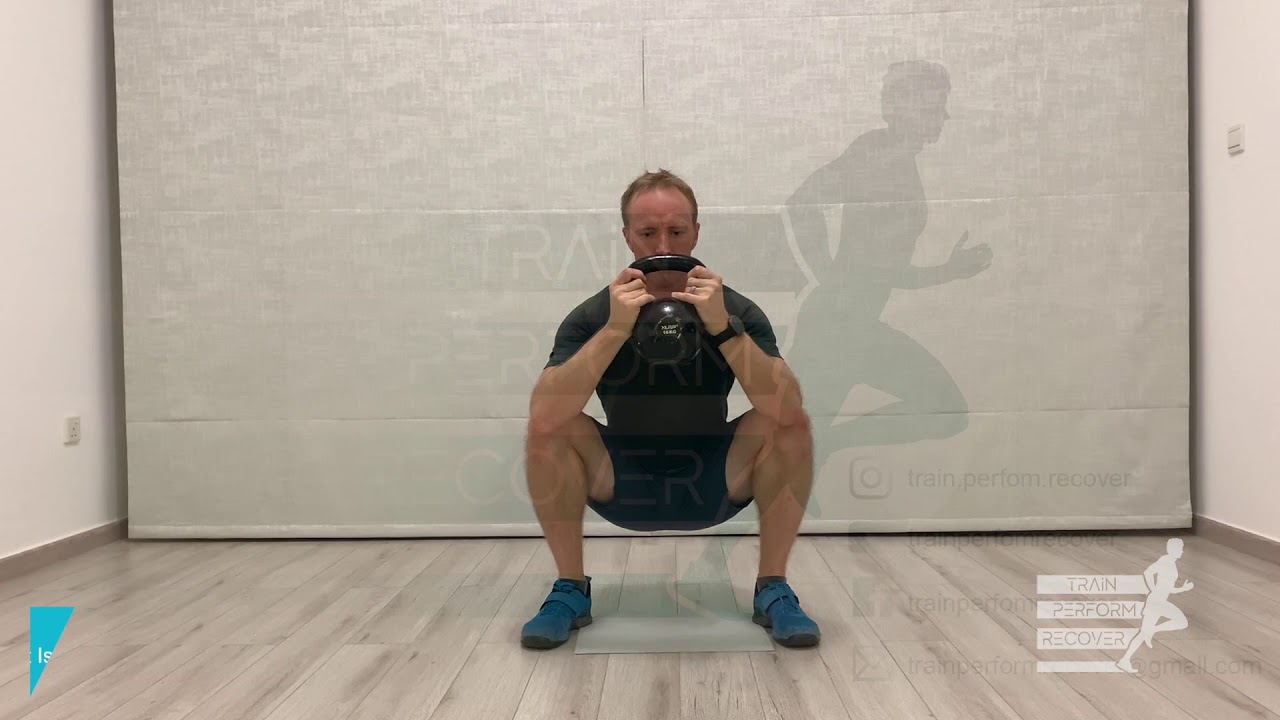
1A. Goblet Squat Isometric Hold
Time: 30 seconds
Equipment: Kettlebell or Dumbbell
Execution: Hold a kettlebell or dumbbell securely at your chest. Lower yourself into the deepest comfortable squat position where your thighs are parallel to or below the floor. Maintain an upright torso, brace your core fiercely, and hold this bottom position statically for 30 seconds without shifting your weight.
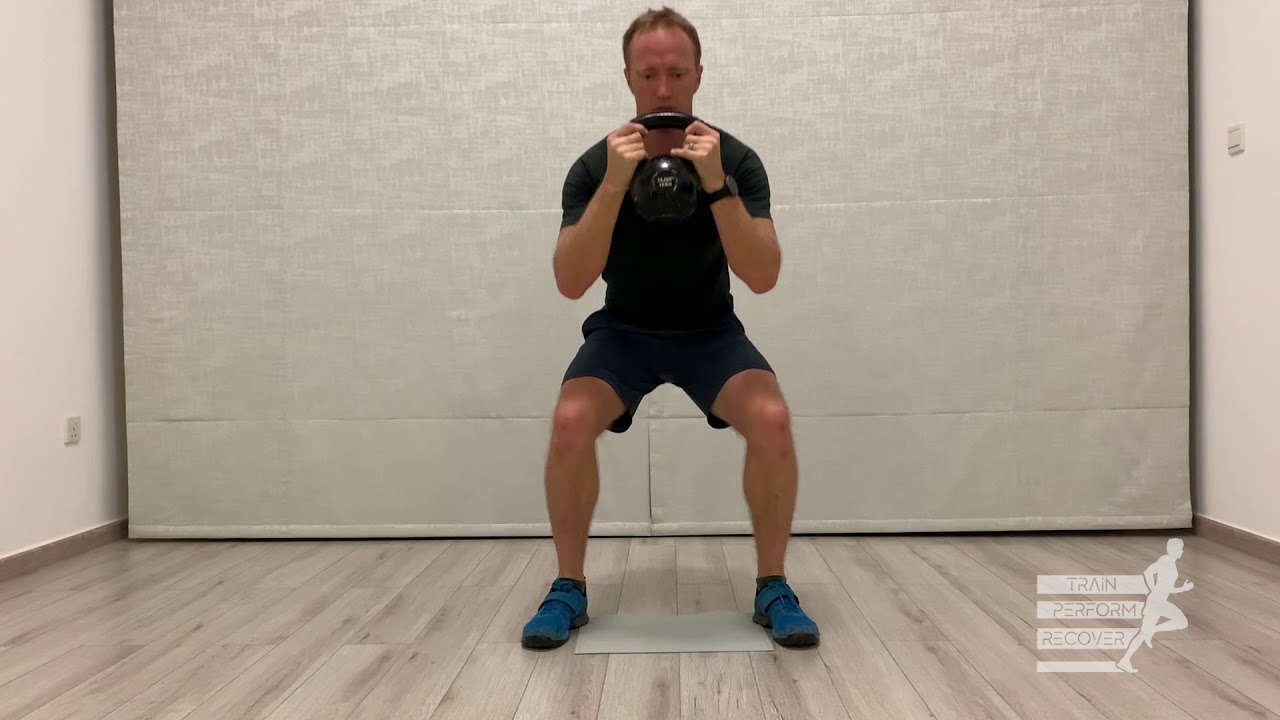
1B. Goblet Squat
Time / Reps: 10 repetitions
Equipment: Kettlebell or Dumbbell
Execution: Immediately following the 30-second hold, drive through your mid-foot to stand tall, squeezing your glutes at the top. Perform 10 controlled, full-range-of-motion goblet squats, focusing on maintaining the core bracing and postural integrity established during the hold.
Circuit 2: Upper Body Push (Chest & Triceps)
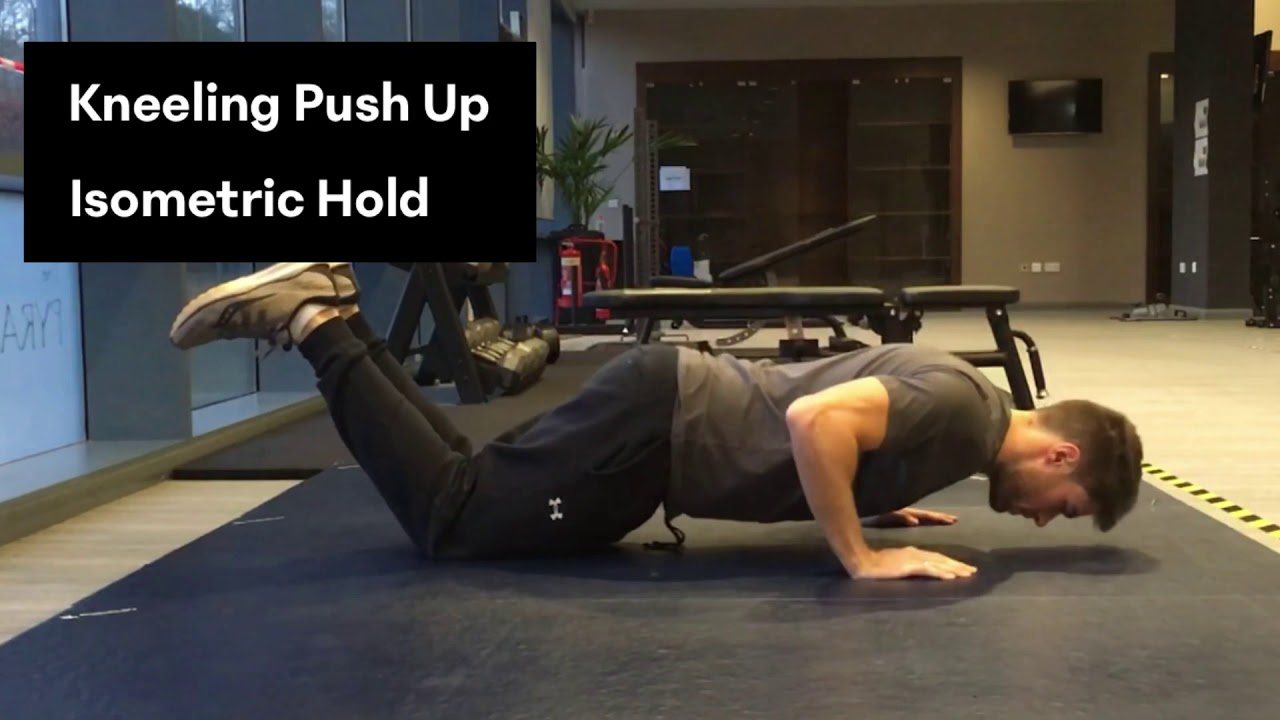
2A. Push-Up Hold
Time: 10 seconds
Equipment: Bodyweight (Kneeling or standard plank position)
Execution: Lower your chest to a point just a few inches above the floor in a standard or kneeling push-up position. Squeeze your pectoral muscles, lock your shoulder blades down and back, and hold your body rigidly in space for 10 intense seconds.
2B. Push-Up
Time / Reps: 10 repetitions
Equipment: Bodyweight
Execution: Press yourself forcefully back up to full arm extension, then immediately complete 10 smooth, uninterrupted push-ups, maintaining a straight line from your head to your heels (or knees).
Circuit 3: Upper Body Pull (Back & Biceps)
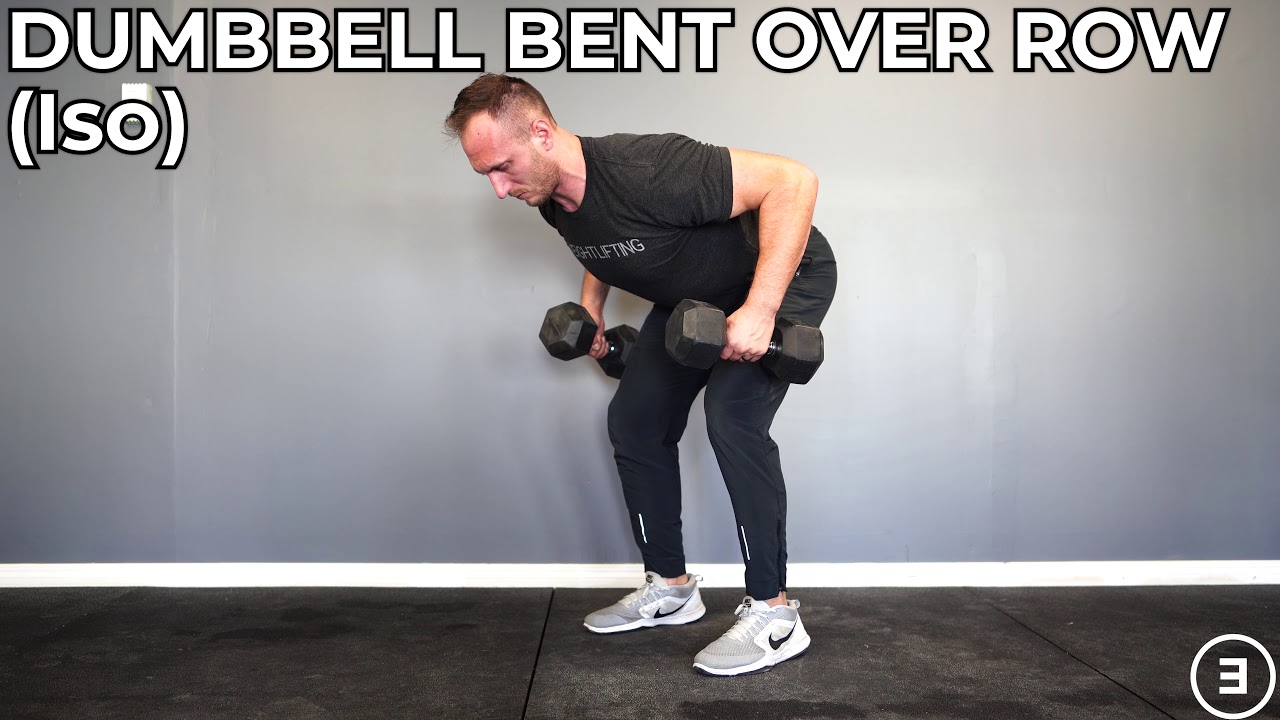
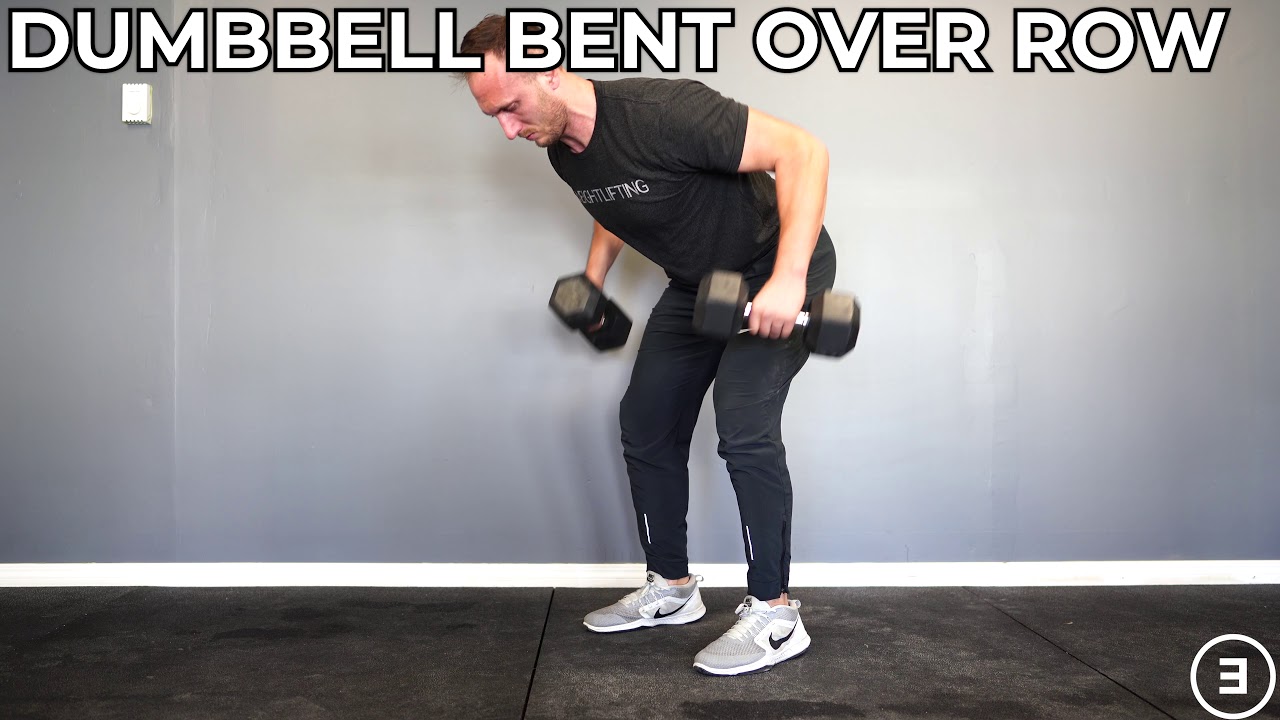
3A. Bent-Over Row Hold
Time: 15 seconds
Equipment: Dumbbells
Execution: Hinge at your hips with a flat back, pulling a pair of dumbbells up toward your ribcage. Hold the weights statically at the absolute peak contraction point (chest level), squeezing your shoulder blades together for 15 seconds.
3B. Bent-Over Row
Time / Reps: 10 repetitions
Equipment: Dumbbells
Execution: Lower the weights with control to a dead hang, then immediately execute 10 dynamic, powerful bent-over rows, pulling the weights upward while keeping your elbows tucked close to your torso.
Circuit 4: Posterior Chain (Glutes & Hamstrings)
4A. Glute Bridge Hold
Time: 15 seconds
Equipment: Bodyweight (optional floor mat)
Execution: Lie on your back with your knees bent and feet flat on the floor. Drive your hips upward toward the ceiling, creating a straight line from your shoulders to your knees. Squeeze your glutes at maximal hip extension and hold statically for 15 seconds.
4B. Glute Bridge
Time / Reps: 15 repetitions
Equipment: Bodyweight
Execution: Lower your hips gently toward the floor without fully resting, then immediately press back up for 15 dynamic glute bridge repetitions, maintaining constant tension in the posterior chain.
Future Outlook: The Evolution of Functional Longevity in Entertainment
As fitness science continues to advance, the narrative surrounding celebrity workouts has shifted away from grueling, vanity-driven regimens toward sustainable, longevity-focused physical preparation. The partnership between actors like Alison Brie and elite practitioners like Jason Walsh highlights a growing industry awareness that true physical capability must be built on a foundation of joint health, neurological efficiency, and structural resilience.
At 43, Brie’s ongoing physical trajectory demonstrates that chronological age is secondary to the quality of training stimulus and recovery management. By prioritizing neuromuscular activation techniques such as isometric contrast training, fitness enthusiasts of all backgrounds can unlock new levels of strength, break through long-standing performance plateaus, and protect their joints from unnecessary wear and tear.
Whether preparing for an adrenaline-fueled Hollywood action sequence or simply seeking to optimize everyday physical vitality, integrating smart, scientifically backed modalities ensures that strength training remains an empowering and lifelong pursuit.