Executive Overview
In the wake of a high-profile civil lawsuit filed by a survivor—identified in court documents as Jane Doe—against seven members of Cornell University’s Chi Phi fraternity and the university itself regarding an alleged 2024 gang rape, public scrutiny has sharpened into an uncomfortable focus. While the legal proceedings will determine civil and criminal liabilities in a court of law, a parallel trial is playing out in the court of public opinion, centering on a critical, chilling piece of digital evidence: a Snapchat group chat.
Obtained and published by investigative journalists, excerpts from the fraternity’s active text chain on the night of the alleged assault reveal a horrifying casualness. Members discussed a woman’s body as "free" and available for consumption within the house, with subsequent inquiries asking if the "shop still open?" receiving chilling affirmations.
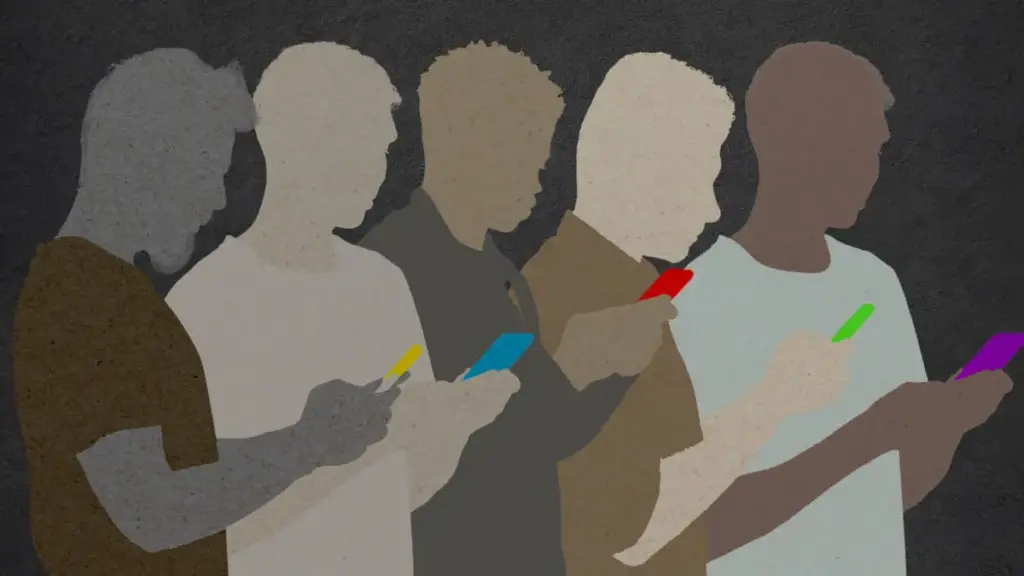
These revelations are not isolated incidents; rather, they serve as a glaring symptom of a wider systemic failure embedded within modern digital and collegiate culture. They highlight an alarming sociological and psychological phenomenon: the digital bystander effect. In a chat containing 57 men, these degrading, objectifying remarks were met with silence, implicit approval, or complete indifference.
This deep-dive investigation examines how private group chats and anonymous forums have morphed into digital locker rooms that facilitate predatory behavior. Furthermore, it explores the psychological mechanisms that paralyze witnesses to online abuse, the broader cultural parallels seen in recent international scandals, and actionable strategies outlined by behavioral experts to combat the pervasive culture of digital complicity.
Detailed Chronology: From Campus Culture to Legal Reckoning
To understand the gravity of the Cornell Chi Phi disclosures, one must trace the convergence of digital communication, fraternity insularity, and institutional oversight failures.
The 2024 Incident and the Escalation to Litigation
The events underpinning the current lawsuit trace back to an October night in 2024 on Cornell’s Ithaca campus. According to court filings, Jane Doe was subjected to a gang rape orchestrated by multiple members of the Chi Phi fraternity. While physical assaults of this nature have historically relied on the isolation of the physical environment, the 2024 incident was systematically bookended, documented, and normalized in real time through digital infrastructure.
The Discovery of the Snapchat Log
Months after the alleged assault, as investigators unpicked the timeline of that night, attention turned to the communication channels utilized by the fraternity members. Media outlets, notably CBS News, secured images of a Snapchat conversation among a subset of the fraternity known as "Chi Phi Actives."
The digital transcript laid bare a horrifying operational mindset. Messages exchanged while the assault was reportedly underway treated the victim not as a human being, but as a communal commodity. The linguistic framing—treating a residential house as an open storefront for sexual access—demonstrates a profound dehumanization that requires an audience to thrive.
The Immediate Aftermath and Campus Climate
The fallout on Cornell’s campus was immediate and visceral. Student advocacy groups, particularly organizations representing young women, mobilized demanding institutional accountability, systemic reforms within Greek life, and greater transparency from the university administration. Interviews conducted by outlets like Teen Vogue paint a picture of an undergraduate student body deeply unsettled, grappling with the realization that the safety nets designed to protect students on campus have failed to keep pace with the weaponization of modern technology.
Supporting Context & Metrics: The "Burnerverse" and the Digital Locker Room
The Cornell text chain is a microcosm of a much broader, deeply entrenched societal crisis. The degradation of women via digital forums has evolved past crude bulletin boards into encrypted messaging apps, ephemeral chat groups, and specialized online subcultures.
The Rise of the "Burnerverse"
Recent reporting by outlets such as Wired has exposed the "burnerverse"—a sprawling ecosystem where young men utilize anonymous burner accounts and encrypted platforms to target, harass, and degrade women, particularly within collegiate settings. The illusion of digital anonymity strips away standard social friction, emboldening perpetrators to voice thoughts and orchestrate behaviors they might otherwise suppress in face-to-face environments.
Parallels in International Sports Scandals
This pathology is not unique to Ivy League fraternities. The structural dynamics of closed male subcultures frequently generate similar digital pathology.
In investigations surrounding high-profile athletic organizations—such as the legal battles involving members of Hockey Canada—authorities uncovered parallel digital artifacts. Investigators poured through vulgar group-text chains where athletes discussed non-consensual sexual encounters, treating women as props to be shared among teammates. In these instances, just as in the Cornell case, the group chat functioned as an echo chamber that validated predatory behavior through collective applause, laughing emojis, or, at best, deafening silence.

Defining the Digital Bystander Effect
Psychologists have long studied the "bystander effect," a phenomenon where individuals are less likely to offer help to a victim when other people are present. In physical spaces, diffusion of responsibility occurs because witnesses assume someone else will intervene.
In the digital realm, this dynamic mutates. As Michael Awad, PhD, an assistant professor of psychiatry at the Yale School of Medicine and a US Public Health Service lieutenant, explains, the lack of immediate physical confrontation removes the visceral accountability of real-time intervention.
"Often, for various reasons, we choose to be passive bystanders because we don’t want to get ourselves dragged into the situation," Dr. Awad notes. "We don’t want to be associated with the situation itself and have our name or actions misrepresented or highlighted. So the easy thing often becomes to be silent or to take a back seat and simply do nothing."
In a chat of 57 men, the anonymity of the crowd multiplies this diffusion. When no one objects to a statement like "Shop still open?", the silence is uniformly interpreted by the perpetrators as tacit approval. Dr. Awad emphasizes a stark truth: being a passive digital bystander is often the most damaging choice, as it denies the victim the support of witnesses who possess the social capital to alter the dynamic.
Expert Perspectives & Institutional Responses
Combating online misogyny and the digital bystander effect requires moving past passive condemnation into active, structured intervention frameworks. Dr. Awad has dedicated significant research to developing microintervention strategies tailored specifically for social media-based microaggressions, cyberbullying, and harassment.
Four Strategies for Digital Intervention
To break the cycle of complicity in group chats and online forums, Dr. Awad outlines four actionable strategies that bystanders can deploy:
- Make the Invisible Visible: Explicitly call out the problematic message in real time. For example, replying directly to a degrading comment with, "That comment is offensive and promotes the objectification of women." This shatters the illusion of universal consensus.
- Disarm the Microaggression: For those hesitant to engage in high-conflict confrontations, lowering the temperature through tactical ambiguity can successfully interrupt the momentum. An example includes saying, "I don’t think that’s what you meant, but that comes across as pretty hurtful and inappropriate."
- Educate the Offender: When safe and viable, provide concrete resources or factual context explaining why the behavior is unacceptable. Dropping a research link or an article addressing consent and systemic misogyny forces the offender to confront the objective reality of their words.
- Report and Support Privately: If direct public intervention poses personal safety risks, digital witnesses must leverage institutional reporting channels. Screen-capturing the evidence and forwarding it to university title IX coordinators, student affairs, or law enforcement ensures accountability. Additionally, reaching out to the target privately to express empathy, validate their experience, and offer support is a critical step in mitigating psychological harm.
Institutional Policy Evolution
Recognizing the expansive reach of digital spaces, educational institutions are slowly being forced to update their codes of conduct. K-12 school districts and universities alike are overhauling their digital citizenship policies.
Dr. Awad stresses that the standards applied to in-person classroom behavior must forcefully cross the threshold into the digital domain. Because digital content possesses permanence—outlasting spoken words in a classroom and scaling instantaneously via shares, likes, and screenshots—its impact is exponentially greater.
"The likes, comments, and shares today are the social currency of this generation," Dr. Awad explains. "The more that people are liking and validating the content that they’re sharing, the more it’s reinforced and they feel that it’s okay. We don’t need to give an audience to this behavior. Block or unfollow them, and bring people in who have greater authority or reach that can bring attention to what’s happening."
Future Outlook: Accountability, Culture Change, and the Road Ahead
As the civil lawsuit against Cornell University and the Chi Phi fraternity moves forward, its ultimate verdict will establish legal precedents concerning institutional liability for off-campus housing and digital communication platforms. Yet, the broader cultural reckoning extends far beyond the courtroom.
Reforming Greek Life and Campus Governance
Universities nationwide are facing mounting pressure to dismantle institutional protections that shield Greek organizations from meaningful oversight. Fraternities have historically operated as insulated subcultures where accountability is deflected through internal loyalty codes. The weaponization of ephemeral messaging apps like Snapchat proves that administrative monitoring must adapt to encrypted spaces. Moving forward, universities must implement mandatory, rigorous training on digital consent, bystander intervention, and the legal consequences of participating in harassing group chats.
Redefining Digital Citizenship
Ultimately, shifting the cultural tide requires educating young people to view their digital environments not as lawless playgrounds devoid of consequences, but as extensions of the public square. When individuals understand that silence is a form of active reinforcement, the social currency of cruelty begins to devalue.
The harrowing details emerging from the Cornell Chi Phi investigation serve as an urgent wake-up call. They remind society that combating sexual violence and systemic misogyny requires confronting the casual, day-to-day language that normalizes predatory behavior long before physical acts occur. Until the silent majorities within digital spaces choose to break their complicity and become active agents of accountability, the digital locker room will remain a breeding ground for tragedy.