Executive Overview
The music industry’s premier late-summer tentpole event has officially returned to its spiritual West Coast home. For the first time since 2017, the MTV Video Music Awards (VMAs) have taken over Los Angeles, transforming the City of Angels into a high-octane runway of avant-garde fashion, generational crossovers, and fierce competition. While the early spring remains anchored by the Grammys’ polished institutional prestige, the VMAs have always occupied a distinct cultural space: a chaotic, highly visual playground where emerging talents and music icons alike push the boundaries of pop culture.
This year’s ceremony is defined by high-stakes category races, record-breaking tallies, and an extraordinary display of sartorial fearlessness on the red carpet. Pop mainstays and breakout sensations dominated the pre-show arrivals, offering looks that ranged from archival luxury pieces to boundary-pushing, skin-baring statements. With major chart-toppers securing double-digit nominations, a career-redefining resurgence from pop royalty, and a slate of performances designed to electrify both the live audience and millions of streaming viewers, the 2026 VMAs have firmly cemented Los Angeles as the epicenter of autumn’s cultural calendar.
Detailed Chronology: From Arrival to Mainstage Spectacle
The trajectory of the 2026 VMAs began months in advance with a fiercely contested nomination cycle, culminating in a red-carpet event that set an aggressive tone for the evening’s proceedings.
The Red Carpet: A Masterclass in Experimental Fashion
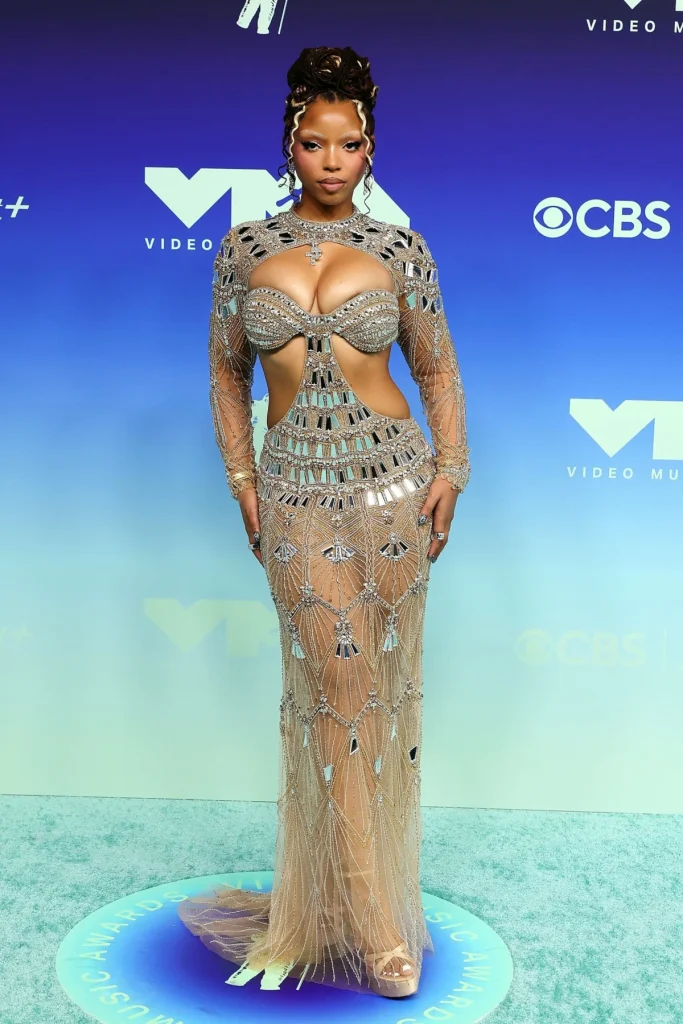
Long before the first award was handed out inside the venue, the red carpet functioned as an independent cultural phenomenon. Known historically as an arena where artists take radical risks—from vintage archival revivals to minimalist, ultra-bold ensembles—this year’s arrivals did not disappoint.
Pop icon Charli xcx arrived commanding immediate attention, setting a standard for the night’s hyper-stylized aesthetic. She was quickly followed by a diverse cohort of nominees and special guests representing the absolute bleeding edge of contemporary music and style. Lisa made a striking impression in a structured Quine Li coat paired with an intricately draped dress by The Attico, marrying architectural outerwear with fluid evening wear.
The spectrum of style on display was vast yet cohesive in its commitment to drama:
- The Vanguard of R&B and Pop: Teyana Taylor, Normani, Tyla, and Chlöe brought commanding energy and sculptural silhouettes to the carpet.
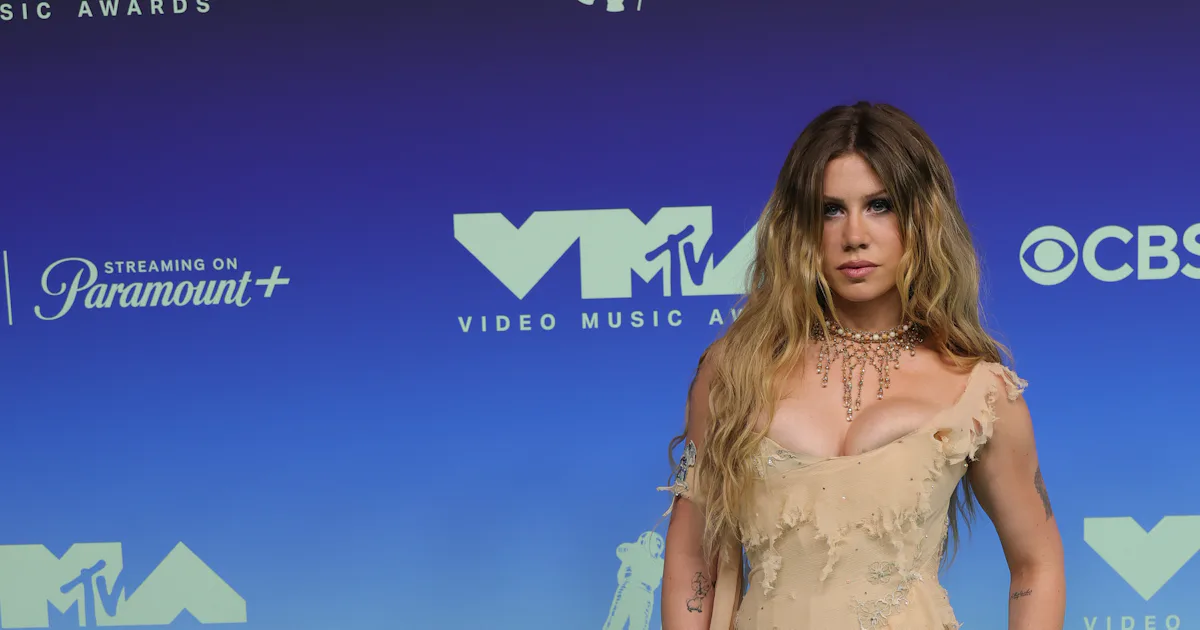
- Indie-Crossover and Rising Sensations: Artists such as Blu DeTiger, Sienna Spiro, Ella Bright, and Sombr offered a fresh, youthful counter-perspective with contemporary tailoring and unexpected texture combinations.
- Industry Icons: Paris Hilton and Lisa Rinna injected classic Hollywood theatricality into the mix, proving that legacy pop-culture figures remain essential architects of the VMA visual language.
- Avant-Garde Sleekness: Slayyyter, Raye, FLO, Ciara Miller, Olandria, Troye Sivan, and Rei Ami rounded out an exceptionally dense arrival schedule, each utilizing the flashbulbs to showcase distinct narrative-driven styling.
The Ceremony and Performances
Moving inside the arena, the evening transitioned from visual spectacle to audio-visual performance art. Showrunners orchestrated a dynamic lineup that balanced established heritage acts with the industry’s newest disruptors.
A major emotional and artistic highlight of the evening was a heavily anticipated tribute to country music legend Dolly Parton, delivered with precision and reverence by Kacey Musgraves. This cross-genre homage underscored the academy and network’s effort to honor foundational songwriting within a traditionally youth-focused broadcast.
Interspersed throughout the night were high-energy live sets from the evening’s top nominees, transforming the Los Angeles stage into an immersive showcase of current pop dominance. The seamless transition between genre-bending performances and rapid-fire award presentations kept the live audience and digital streaming audiences thoroughly engaged, avoiding the pacing lulls that often plague major multi-hour broadcasts.
Supporting Context & Metrics: The Race for the Moon Person
The 2026 nomination ledger was characterized by stark generational contrasts, highlighting both the enduring power of legacy artists and the astronomical ascent of mid-2020s pop titans.
The Heavy Hitters
The competitive landscape was fiercely contested at the very top:
- Madonna: In one of the most unexpected yet critically celebrated career arcs of the decade, the Queen of Pop secured a career-high 13 nominations on the back of her critically acclaimed, major-impact Confessions II project. Her presence among top-tier nominees proved that foundational innovators can continually recalibrate their artistry to dominate contemporary award cycles.
- Sabrina Carpenter: Continuing an unstoppable multi-year run of commercial dominance and cultural ubiquity, Carpenter pulled in nine nominations, showcasing her ability to consistently deliver video concepts that capture the zeitgeist.
- Ariana Grande: A perennial powerhouse, Grande secured eight nominations, leveraging her sophisticated vocal production and highly curated visual aesthetics to remain a central pillar of the modern pop landscape.
The Next Wave and Indie Disruptors
Beyond the top three, the nomination pool reflected a deliberate broadening of the VMAs’ curatorial lens. Friends of the cutting-edge fashion and culture scenes—including Charli xcx, PinkPantheress, Olivia Dean, and Sienna Spiro—converted critical streaming milestones into major category bids. On the male-fronted and alternative sides, acts like Sombr and East Coast breakout nominees Geese bridged the geographic and stylistic divide, proving that the VMAs remain a broad tent capable of housing underground credibility alongside mainstream radio dominance.
Official Statements and Industry Perspective
While the glitz of the red carpet dominated immediate headlines, the return to Los Angeles carried strategic weight for music executives, network programmers, and artists alike.
Speaking on the logistical and cultural shift of bringing the show back to the West Coast after nearly a decade of East Coast-heavy or fragmented scheduling, production insiders emphasized the necessity of accessibility for West Coast-based creative teams. "Los Angeles is the operational and creative heartbeat for a massive portion of today’s chart-topping talent," noted one senior production coordinator close to the broadcast. "Shortening the commute for nominees like Ariana Grande and Sabrina Carpenter isn’t just about convenience—it changes the energy of the room. It allows artists to arrive grounded, focused, and ready to treat the night as a genuine celebration of their local creative community rather than a grueling cross-country transit."
Furthermore, music critics and fashion historians noted the distinct ideological shift in this year’s red-carpet mandates. Rather than playing it safe with traditional couture, stylists and artists leaned heavily into what industry insiders termed "controlled chaos"—combining archival pieces from decades past with raw, disruptive elements. This aesthetic alignment mirrors the current state of the music industry itself: deeply respectful of foundational history (as evidenced by the Dolly Parton tribute and Madonna’s record-breaking nomination count), yet entirely obsessed with forward-looking reinvention.
Future Outlook: The Post-VMA Cultural Landscape
As the lights dim on the Los Angeles arena and the heavy metal Moon Person trophies find new homes on mantelpieces across the globe, the 2026 MTV Video Music Awards will be remembered as a watershed moment for contemporary pop culture.
The success of this year’s broadcast establishes a new baseline for how award shows must operate in a fragmented digital media ecosystem. By intentionally curating a mix of legacy icons (Madonna, Dolly Parton) and generation-defining disruptors (Charli xcx, Sabrina Carpenter, PinkPantheress), MTV successfully captured a multi-generational audience that values both high-art production value and spontaneous, unadulterated fun.
Looking ahead, the momentum generated in Los Angeles will undoubtedly dictate the trajectory of the upcoming fall and winter release schedules. Nominees who used the VMA stage to debut new visual aesthetics or sonic directions have effectively set the benchmark for the next twelve months of music video production. As artists return to the studio and the global touring circuit, the cultural currency spent and earned on this year’s carpet and stage will reverberate across the global music economy for seasons to come.