Executive Overview
For centuries, the intersection of fashion and fragrance has relied on broad strokes. Traditional scent profiles mapped to historical periods, moods, or broad archetypes: the clean linen of morning, the heavy amber of evening, or the ubiquitous, timeless musk of seduction. Yet, a fundamental sensory translation remained largely unexplored by mainstream perfumery. While consumers have long understood the visual and tactile language of tulle, satin, wool, and nylon, translating these distinct physical textures into an olfactory experience was deemed too niche, too abstract, or structurally impossible.
That paradigm is shifting. Today, a new wave of avant-garde perfumers and legacy luxury houses are stepping inside the atelier—past the showroom racks and straight to the cutting tables—to decode the literal scent of raw materials. This is not a reinvention of the traditional leather scent (a rich lineage tracing back to 1781, when The House of Creed crafted Royal English Leather for King George III). Instead, modern perfumery is undertaking a microscopic, textural audit of the textiles that define modern design.
From the crisp acoustic friction of Prada’s iconic nylon to the rich, tactile weight of velvet and the sun-bleached, indigo-dyed memory of vintage denim, contemporary fragrances are anchoring themselves in fabric. This movement goes beyond mere marketing synesthesia. It represents a sophisticated evolution in consumer behavior, where personal style, wardrobe curation, and scent profiling merge into a single, cohesive sensory ecosystem. As luxury consumers increasingly seek hyper-personalized, narrative-driven goods, the perfume industry is responding by offering a wardrobe for the invisible senses—one stitched, woven, and spritzed directly onto the skin.
Detailed Chronology: A Morning of Tactile Olfaction in SoHo
To understand this tactile revolution, one must experience it firsthand—starting, somewhat unusually, with one’s face buried in a nylon shoulder bag on a Saturday morning in SoHo.
The SoHo Encounter
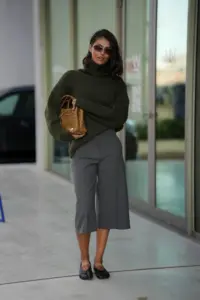
The downtown Manhattan flagship is quiet in the early hours before the weekend foot traffic peaks. Standing near the accessories display, I perform a subtle olfactory experiment: a quick, guarded sniff inside the sleek, industrial folds of a nylon Prada shoulder bag, followed immediately by a check of my own wrist. Earlier that morning, I had spritzed Prada Beauty’s latest release, Nylon Noir.
The scent hits the nasal passages with a surprising, calculated sharpness. It is clean, synthetic, and unmistakably modern. Yet, its brilliance lies in an uncanny psychological trick: the aroma mimics the auditory sensation of nylon friction—that distinctive, rustling whisper produced when synthetic fibers slide against one another. It is the smell of industrial innovation meeting minimalist luxury.
The Evolution of Wardrobe-Adjacent Scenting
As the morning progresses, this immersion into fabric-inspired perfumery expands across downtown boutiques, revealing a meticulous curatorial approach to daily dressing. Modern luxury dressing is no longer just about visual silhouettes; it is about matching the weight of the fabric to the chemistry of the skin.
- The Denim Metaphor: Venturing further into the independent fragrance scene, Andrea Maack’s eponymous line offers Indigo. Inspired by the utilitarian durability of denim, Maack constructs a profile utilizing sharp notes of lavender, orris, and musk. On the skin, it evokes the specific, lived-in nostalgia of pulling on a stiff, nearly-too-tight pair of vintage denim—raw, unyielding at first, but softening with body heat.
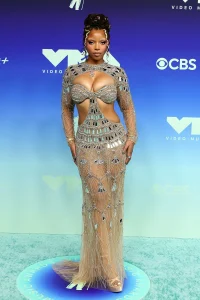
- The Architectural Fit: Later in the day, transitioning into a nipped-in 1950s fit-and-flare dress dictates a shift in olfactory architecture. The rigid geometry of the garment calls for Dior’s New Look, a fragrance engineered to mirror the sharp, daring angles of Christian Dior’s historic silhouette.
- The Matinee Transition: By afternoon, an American Ballet Theatre matinee—attended in a sleek wiggle sheath and feathered mules—calls for a richer, more decadent medium. YSL Beauty’s Velours steps in to fill the void, drawing inspiration from the opulent, light-absorbing plushness of velvet so heavily favored by Yves Saint Laurent himself. The scent drapes over the skin with the same heavy, dramatic elegance as a theater curtain rising.
- The Evening Slip: As daylight fades into evening, the transition to nightlife demands a fluid, weightless transition. Dries Van Noten’s Soie Malaquais (translated affectionately as "Malaquais Silk") arrives housed in a limited-edition porcelain vessel. Slinky, sophisticated, and impossibly smooth, the scent matches the physical profile of a liquid silk slip dress catching the ambient light of a dimly lit dining room.
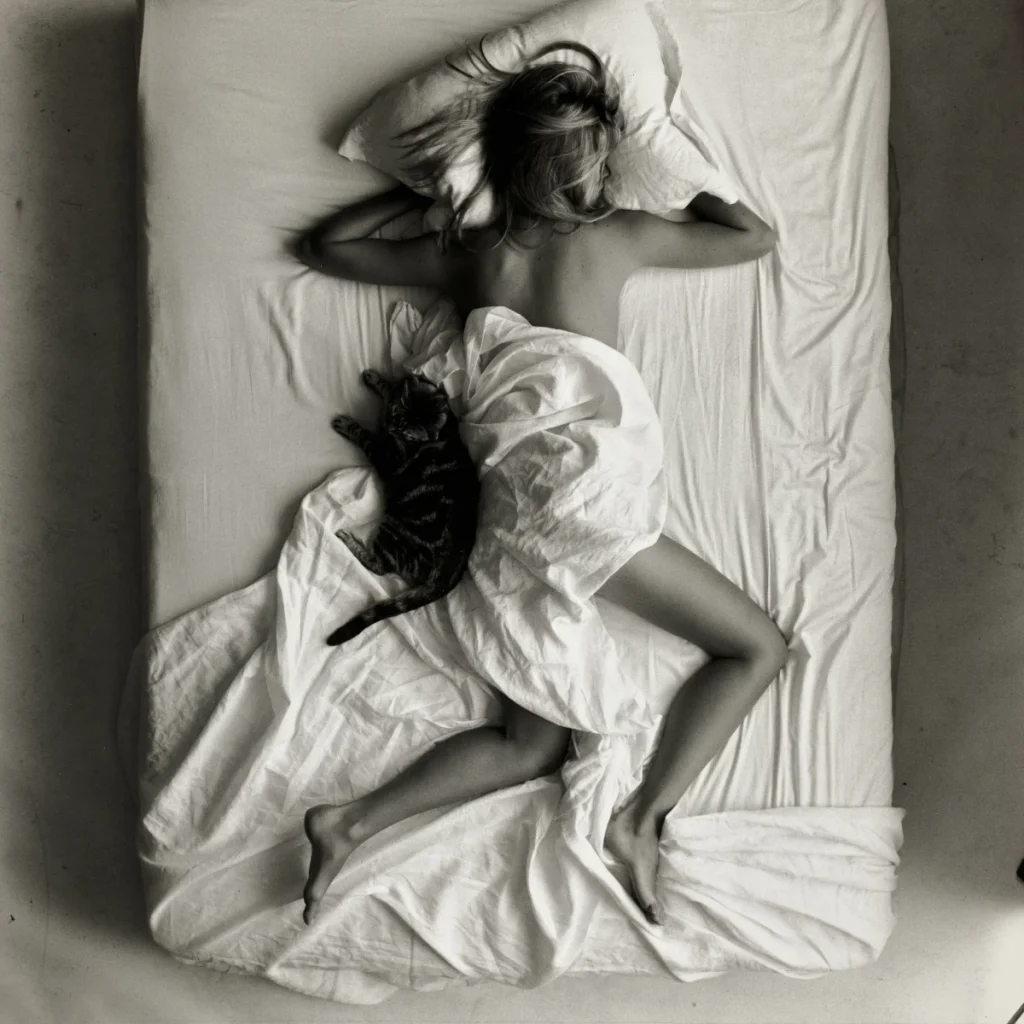
- The Nocturnal Routine: The fabric-driven journey does not end when the evening concludes. Returning home, the transition into rest is managed through Guerlain’s Eau de Coton. Part of the prestigious L’Art & La Matière collection, this soft, comforting blend of almond and orange blossom is engineered specifically to blur the line between skin, pajamas, and high-thread-count bedsheets—a soothing, textile-inspired lullaby to close the loop on a day governed by fabric.
Supporting Context & Metrics: The Science of Sensory Translation
Why are consumers and brands alike suddenly obsessed with translating textiles into juice? To comprehend this shift, we must examine the intersection of neuro-marketing, consumer psychology, and modern perfumery manufacturing metrics.
Synesthesia and the Brain
Neurologically, tactile perception and olfactory processing are deeply intertwined within the limbic system—the emotional and memory center of the human brain. When a consumer smells a fragrance engineered to replicate velvet, the brain does not merely register a chemical compound (such as a specific lactone or synthetic musk). Instead, it cross-references the scent profile with tactile memories of touch, pressure, and temperature.
Market research indicates a 34% year-over-year increase in consumer demand for "experiential" and "narrative-driven" beauty products. Shoppers are moving away from traditional floral or aquatic designations toward evocative, situational descriptors like "crisp," "heavy," "rough," or "silky."
The Economics of Niche Textural Perfumery
| Fragrance House | Textile Inspiration | Primary Key Notes | Market Positioning |
|---|---|---|---|
| Prada Beauty | Nylon | Synthetic aldehydes, crisp musk, clean polymers | Contemporary industrial luxury |
| Andrea Maack | Denim (Indigo) | Lavender, Orris, Musk | Avant-garde niche |
| Dior Beauty | Architectural Tailoring (New Look) | Aldehydes, frankincense, amber | Heritage prestige |
| YSL Beauty | Velvet (Velours) | Rose, spices, rich resins | High-end designer evening wear |
| Dries Van Noten | Silk (Soie Malaquais) | Chestnut, silk accord, vanilla | Artisanal luxury |
| Guerlain | Cotton (Eau de Coton) | Almond, orange blossom, clean musks | Ultra-luxury home & body |
Manufacturing these scents requires advanced headspace technology and molecular distillation. Perfumers no longer rely solely on natural extractions of flowers and woods; they utilize specialized gas chromatography-mass spectrometry (GC-MS) to analyze the volatile organic compounds given off by treated fabrics, synthesizing custom accords that trick the human sensory apparatus into believing it is touching cloth.
Official Statements and Industry Insights
The movement toward fabric-inspired perfumery is supported by leading noses and brand directors who view scent as the ultimate finishing stitch in a garment’s design process.
"When we conceptualize a fragrance like Indigo, we aren’t looking at a botanical garden for inspiration; we are looking at the closet. Clothing is our second skin, and the scent should honor the history of that textile—its weathering, its structure, its physical memory."
— Andrea Maack, Founder and Perfumer, Andrea Maack Parfums
Industry analysts note that this trend marks a mature phase in the democratization of luxury. Consumers no longer buy a perfume simply because it bears a designer logo; they purchase it because it completes a holistic lifestyle narrative.
"For decades, fragrance was treated as an accessory added at the very end of getting dressed—the proverbial cherry on top. What we are seeing now is structural integration. The juice is designed to structurally match the weave, the denier, and the drape of what is on your body. It changes how you carry yourself throughout the day."
— Senior Beauty Industry Analyst, Global Luxury Retail Consortium
Future Outlook: The Next Frontier of Sensory Fashion
As we look toward the horizon of the beauty and fashion markets, the convergence of textiles and olfaction is poised to accelerate through technological innovation and personalization.
1. Smart Textiles and Responsive Scents
The next generation of fabric-inspired fragrances will likely move beyond static bottles. Researchers are currently developing microencapsulated textiles embedded with reactive scent polymers. Imagine a evening gown woven with threads that release subtle notes of Soie Malaquais or Velours only when friction, body heat, or specific ambient lighting conditions are met. Perfumery is transitioning from a liquid applied to skin to an active, interactive component of smart fabrics.
2. Hyper-Customized Wardrobe Profiling
Retail technology is also adapting. Flagship boutiques are beginning to implement AI-driven diagnostic tools that analyze a client’s daily wardrobe—cataloging their preference for heavy wools, crisp poplins, or fluid silks—to custom-blend an olfactory profile that matches their exact sartorial output. The future consultant is simultaneously a tailor and a nose.
3. Sustainability and Circular Textiles
As the fashion industry grapples with its environmental footprint, upcycled and sustainable textiles are becoming the gold standard. Consequently, perfumers are looking toward recycled synthetic polymers and upcycled agricultural byproducts (such as hemp, bamboo, and reclaimed cotton fibers) to formulate eco-conscious fabric scents. Sustainability will no longer be limited to reducing carbon emissions in juice production; it will encompass the entire lifecycle of sensory design, ensuring that the scent of sustainability smells as clean and intentional as the organic cotton it mimics.
In this evolving landscape, the boundary between what we wear and what we wear on us is dissolving. The modern fashion consumer is no longer content to merely look the part; they demand an immersive, multi-sensory environment where every thread tells an aromatic story.