Executive Overview
For expectant mothers, the moment of a positive pregnancy test ushers in an immediate paradigm shift in daily lifestyle choices. Beyond the well-documented dietary adjustments—saying a temporary farewell to raw sushi, unpasteurized cheeses, and celebratory glasses of wine—comes the often-overlooked bathroom cabinet audit. Chief among the prohibited items is retinol, the undisputed gold standard of topical anti-aging. Because vitamin A derivatives carry potential teratogenic risks during pregnancy, dermatologists universally advise pausing their use.
For beauty editors and skincare enthusiasts alike, this sudden dietary and topical restriction creates a frustrating dilemma: how to maintain a luminous, youthful complexion while navigating hormonal surges and exhaustion, all without relying on the industry’s most potent wrinkle-fighters.
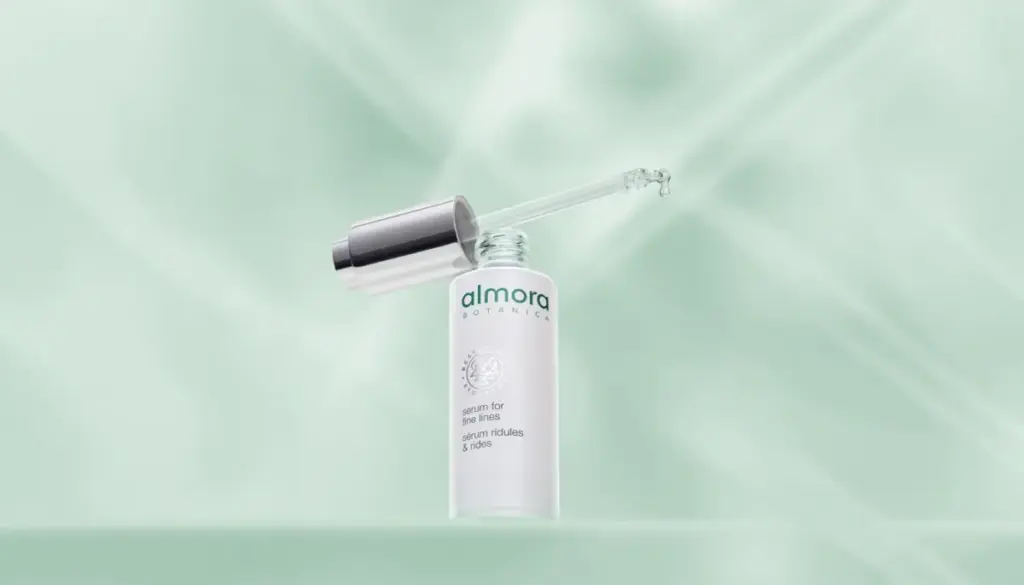
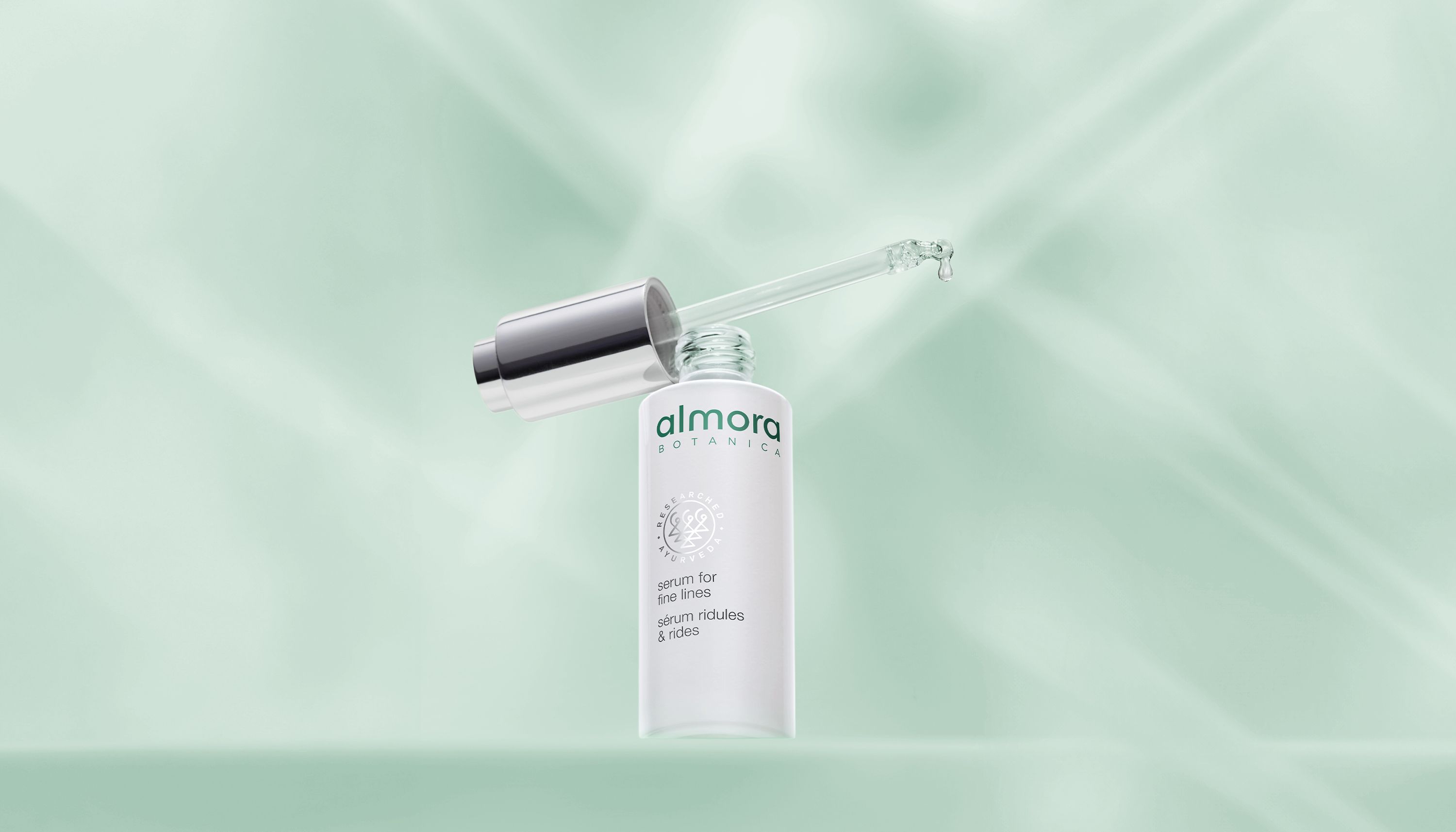
Enter the modern boom of clean, pregnancy-safe skincare alternatives. Among the standout contenders capturing the attention of beauty professionals is Almora Botanica’s Serum for Fine Lines ($80). Marrying ancient Ayurvedic wisdom with modern scientific delivery systems, this 99.2 percent natural-origin formula promises to smooth fine lines, boost elasticity, and restore radiance without a single drop of retinol, parabens, or microplastics.
This deep-dive investigation explores the science behind pregnancy-safe anti-aging, the formulation intricacies of Ayurveda-inspired luxury skincare, and a beauty editor’s real-world chronicle of trading prescription retinoids for botanical alternatives during and after pregnancy.
Detailed Chronology: A Beauty Editor’s Journey Through Pregnancy Skincare
Transitioning away from a beloved active ingredient routine is rarely seamless. For those accustomed to the rapid cellular turnover induced by clinical-grade retinoids, finding a replacement that feels both luxurious and effective requires patience and experimentation.
Weeks 1–3: The Great Routine Purge
The journey began the morning of a positive pregnancy test. The bathroom vanity underwent an immediate sweep. Out went the high-percentage glycolic acid toners, the hydroquinone spot treatments, and the heavy-duty prescription retinoids. Left behind was a vulnerable complexion bracing for the infamous "pregnancy glow"—which, in reality, often translates to unpredictable hormonal breakouts, dryness, and early fatigue-induced dullness.
The initial quest focused on sourcing a replacement that met rigorous safety standards without sacrificing sensory luxury. Many pregnancy-safe serums on the market felt overly simplistic, relying merely on basic plant oils that offered hydration but zero targeted anti-aging efficacy.
Weeks 4–6: Introducing Almora Botanica
At the four-week mark, Almora Botanica’s Serum for Fine Lines was introduced into the daily a.m. and p.m. routine. Priced at $80, the formulation immediately distinguished itself through texture and scent. Unlike sticky, water-based natural serums that pill under sunscreen or makeup, this formula utilizes a sophisticated oil-in-water emulsion.
During this adjustment phase, the absence of an adjustment period was immediately apparent. Traditional retinoids often trigger the dreaded "retinol uglies"—flaking, redness, peeling, and skin barrier compromise. In stark contrast, the botanical serum offered immediate comfort. The skin drank in the micro-droplets of natural oils, instantly soothing the tightness often associated with early pregnancy dehydration.
Weeks 6–12: Visible Transformation and Real-World Stress Tests
By the six-week mark of consistent use, tangible changes began to emerge. The delicate skin across the forehead, often prone to expression lines and dehydration crepiness, appeared noticeably softer and more supple.
More importantly, the serum passed the ultimate stress test: first-trimester exhaustion. Navigating severe fatigue typically leaves the skin looking hollow, ashen, and depleted. Thanks to the formula’s targeted focus on cellular oxygenation, the complexion maintained a deceptive appearance of vitality and restfulness.
By week twelve, the subtle textural improvements had matured into visible firmness. While the results lacked the aggressive cellular shedding of prescription-strength tazarotene or tretinoin, the trade-off was undeniable: zero inflammation, zero redness, and a resilient skin barrier capable of weathering profound hormonal shifts.
Supporting Context & Metrics: The Science of Clean Botanicals
To understand why Almora Botanica’s formulation succeeds where other natural alternatives fall flat, one must examine its ingredient synergy and proprietary delivery mechanisms.
The Botanical Powerhouses
The serum avoids synthetic shortcuts by anchoring its performance in clinically studied botanical extracts:
- Centella Asiatica (Cica): Celebrated in both traditional Ayurvedic medicine and modern dermatology, Cica plays a vital role in supporting the skin’s natural collagen network. It aids in tissue repair, enhances firmness, and calms inflammation.
- Marrubium Vulgare (White Horehound): Acting as a potent environmental shield, this extract helps protect the skin from urban pollutants and external oxidative aggressors that accelerate premature aging.
The SAPTA Complex Delivery System
The Achilles’ heel of many natural skincare products is molecular size. Traditional plant extracts often sit on the surface of the stratum corneum because their molecules are too large to penetrate deeply.
Almora Botanica circumvents this limitation via its patented SAPTA Complex. This oil-in-water emulsion carries micro-droplets of seven distinct natural oils. By reducing the droplet size, the active ingredients are successfully escorted deeper into the epidermis, mimicking the targeted delivery depth usually reserved for synthetic chemical formulations.
Clinical and Consumer Study Metrics
Clinical validation separates marketing hype from genuine efficacy. Almora Botanica backs its Serum for Fine Lines with rigorous third-party testing:
- 12-Week Clinical Trial: Instrumental measurements reported a 50 percent decrease in the visual appearance of fine lines and wrinkles.
- Consumer Perception Study: 100 percent of participating users reported a measurable reduction in fine lines and wrinkles alongside noticeable improvements in skin hydration, overall texture, plumpness, and radiance.
Official Statements and Quality Assurance
In an era of rampant "greenwashing"—where beauty brands slap buzzwords like "natural," "clean," and "non-toxic" on labels without regulatory oversight—transparency is paramount, particularly for products marketed to expectant mothers.
Ravi Prasad, founder of Almora Botanica, emphasizes that safety extends far beyond simply omitting retinol.
"Beyond the fact that this serum doesn’t have retinol or other non-pregnancy-safe ingredients, we take immense comfort and pride in how selective we are about what is actually included," notes Prasad. "Our botanical ingredients are carefully screened for contaminants, including heavy metals, microbial presence, and fungal contaminants. Furthermore, we take meticulous care to proactively avoid unwanted materials such as microplastics."
This rigorous approach to raw material sourcing ensures that vulnerable consumers—including pregnant and postpartum individuals—can apply active botanicals topically without systemic absorption worries. The brand’s adherence to Ayurvedic principles is thus modernized through stringent European and international safety testing, bridging ancient wellness philosophies with contemporary dermatological standards.
Future Outlook: The Postpartum Evolution of Clean Beauty
The conclusion of a pregnancy does not automatically signal a swift return to pre-baby beauty routines. For many new mothers, the postpartum period introduces a new wave of skin challenges, including hormonal acne, postpartum hair shedding, persistent melasma, and sleep deprivation-induced dullness. Furthermore, for those who choose to breastfeed, many dermatological restrictions remain in place, as active ingredients can pass through breast milk.
The experience of relying on a high-performance botanical serum during pregnancy often permanently shifts a consumer’s skincare philosophy. Once a user realizes that fine lines can be softened and skin elasticity maintained without the irritation, peeling, and barrier damage associated with synthetic retinoids, the urgency to return to harsh chemicals often dissipates.
As the clean beauty market matures, formulas like Almora Botanica’s Serum for Fine Lines point toward an exciting future where safety and efficacy are no longer mutually exclusive. Whether navigating the transformative physiological journey of pregnancy, managing sensitive skin types, or simply seeking a more sustainable, non-toxic approach to long-term anti-aging, the modern consumer now has access to intelligent botanicals that deliver clinical results without compromise.
For this beauty editor, the verdict is definitive: the retinol is staying in the past, and the botanical revolution is here to stay well beyond the postpartum horizon.