Executive Overview
For generations, shopping for a first makeup routine has served as a cherished rite of passage. Whether recalling the distinct scent of a mother’s favorite lipstick, the thrill of cracking open an older sister’s eyeshadow palette, or the significance of a carefully curated drugstore haul funded by babysitting earnings, beauty products have long functioned as tools of self-expression. Today, this tradition has expanded exponentially. The modern teenager navigates an ecosystem boasting hundreds of competing brands, spanning drugstore aisles, prestige department stores, digital-native e-commerce sites, and beauty giants like Sephora and Ulta.
However, this unprecedented abundance presents a unique paradox. While today’s youth have more creative freedom and product selection than ever before, they also face intense market saturation, viral trends driven by platforms like TikTok, and conflicting messaging regarding what constitutes a "must-have" versus a passing fad.
To unpack this dynamic, industry analysts, beauty historians, and real teenagers were surveyed to evaluate the current landscape. The findings reveal that the best makeup brands for teenagers are no longer defined solely by price point or traditional marketing. Instead, today’s choices hinge on a complex interplay of personal lifestyle, aesthetic identity—ranging from clean-girl minimalism to high-impact glam—and ethical brand alignment. This report examines the historical evolution of teen beauty, the top-performing brands shaping the current market, consumer metrics, and the future outlook of an industry increasingly influenced by Gen Z purchasing power.
Detailed Chronology: The Evolution of Teen Beauty
To understand how the modern adolescent approaches cosmetics, it is critical to trace the historical progression of how beauty brands marketed to and connected with younger demographics over the past several decades.
The Drugstore Era (1980s–1990s)
During the late 20th century, the teen beauty experience was largely localized to drugstore aisles. Brands like Maybelline, CoverGirl, and Revlon dominated the market. For most teenagers, the entry point into makeup consisted of basic essentials: tinted lip balms, mascara, and pressed powders. The aesthetic was largely dictated by fashion magazines and teen television shows, with limited shade ranges and standardized formulations. Experimentation was trial-and-error, constrained by geographic access and lower disposable income.
The YouTube and Full-Glam Boom (2010–2016)
The advent of digital video platforms fundamentally shifted the beauty landscape. The early 2010s ushered in the "YouTube Tutorial" era, characterized by hyper-sculpted brows, baking powders, matte liquid lipsticks, and dramatic cut-crease eyeshadows. Brands like Anastasia Beverly Hills, Kylie Cosmetics (sparked by the launch of the original Lip Kits), and MAC Cosmetics set the standard. Teenagers during this period aspired to professional-level artistry techniques, leading to heavier makeup routines worn on a day-to-day basis.
The Skin-First and "Clean" Movement (2017–2020)
As a corrective to the heavy matte trends of the mid-2010s, the late 2010s emphasized skin health, transparency, and minimalism. The rise of Glossier popularized the "skin first, makeup second" philosophy, validating a generation of younger consumers who preferred sheer tints, glossy lips, and fluffy, un-sculpted brows. Concurrently, celebrity-founded lines began reshaping the market, prioritizing effortless application and inclusive shade architectures.
The TikTok Virality and Hyper-Segmentation Era (2021–Present)
Today, the teen beauty market is hyper-segmented and heavily driven by short-form video algorithms. Viral momentum on TikTok can propel a brand from obscurity to mainstream dominance overnight, as seen with companies like e.l.f. Cosmetics, Rhode, and Kulfi. Modern teens do not adhere to a single aesthetic; rather, they fluidly transition between minimalist "clean-girl" aesthetics, South Korean-inspired glossy gradients, and high-impact festival glam courtesy of brands like Half Magic.
Supporting Context & Metrics: What Teens Are Buying and Why
Navigating today’s retail shelves requires financial discernment. Modern teenagers must balance their desire for luxury-tier formulations with practical budgeting. Market research indicates that young consumers allocate their spending across three distinct categories: prestige multi-tasking items, viral trend-driven products, and affordable everyday staples.
[Consumer Spending Distribution Among Teens]
├── Prestige / High-End Splurges (e.g., Charlotte Tilbury, Rhode) ~ 25%
├── Viral / Mid-Tier Innovators (e.g., Rare Beauty, Fenty, Tower 28) ~ 45%
└── Accessible Drugstore Staples (e.g., e.l.f., NYX, Maybelline) ~ 30%
The Power of Accessibility and "Dupes"
Affordability remains a cornerstone of teen purchasing behavior. Brands that bridge the gap between high-performance formulations and accessible price points capture the highest market share among high school and college-aged consumers. For instance, e.l.f. Cosmetics has capitalized heavily on the demand for high-end "dupes"—products that mimic the performance of luxury formulations at a fraction of the cost—making items like the Power Grip Primer and Glow Reviver Lip Oil ubiquitous in teen backpacks.
Skin Sensitivity and Clean Formulations
A notable shift in modern consumer metrics is the demand for skin-friendly ingredients. Brands such as Tower 28 Beauty, founded specifically to cater to sensitive skin, demonstrate that younger consumers are increasingly conscious of irritation, eczema-friendly formulations, and non-comedogenic ingredients. Sun protection has also integrated seamlessly into cosmetic routines, with tinted moisturizers featuring SPF 30 becoming daily staples.
Brand Profiles: The Top 16 Teen-Approved Lines
Based on real teen feedback, store inventory turnover, digital engagement metrics, and product innovation, the following brands represent the leading forces in the current teen beauty market.
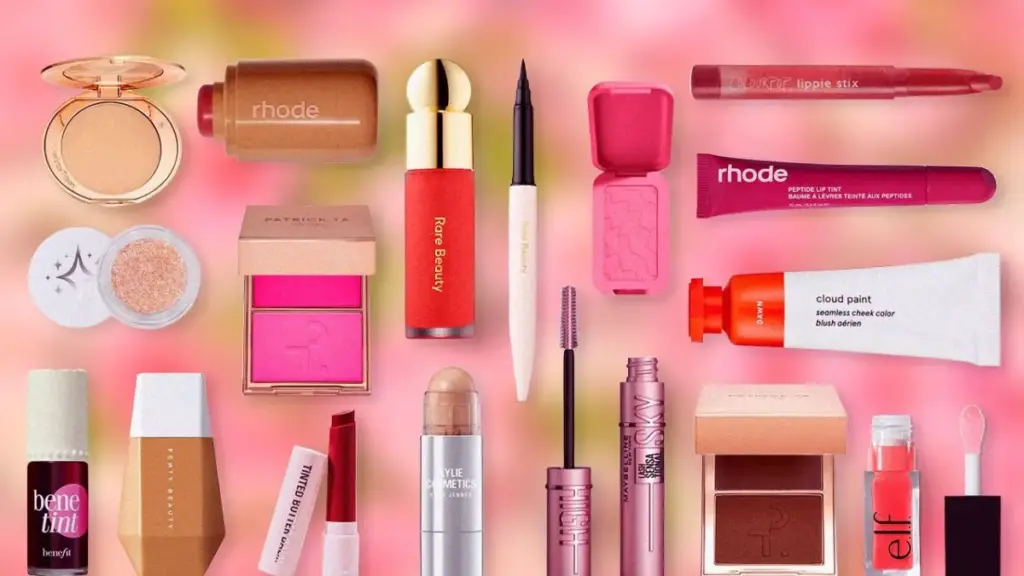
1. Rhode
- Best For: Minimalist makeup and dewy, effortless skin.
- Standout Products: Pocket Blush, Peptide Lip Tint (in shades like Raspberry Jelly).
- Overview: Founded by Hailey Bieber, Rhode transitioned from a curated skincare line into color cosmetics. Its finger-applied formulas are designed for individuals who prefer a lightweight, clean aesthetic without heavy coverage.
2. e.l.f. Cosmetics
- Best For: High-performance budget beauty and viral trends.
- Standout Products: Power Grip Primer, Glow Reviver Lip Oil.
- Overview: e.l.f. has undergone a major modernization, establishing itself as an industry leader in accessible pricing and high-end formulation equivalents. It remains a primary go-to for daily essentials.
3. Charlotte Tilbury
- Best For: Full-glam applications and Hollywood radiance.
- Standout Products: Airbrush Flawless Finish Setting Powder, Airbrush Flawless Setting Spray.
- Overview: Favored by teens drawn to high-impact glam and red-carpet aesthetics, Charlotte Tilbury’s complexion products are considered elite investments for special occasions and long-wear durability.
4. Kulfi
- Best For: Playful color application and celebrating diverse beauty.
- Standout Products: Main Match Concealer, Lassi Lips Staining Lip Oil.
- Overview: Founded by Priyanka Ganjoo in 2021, Kulfi honors South Asian beauty traditions while treating makeup as a joyful playground filled with creamy textures and vibrant pigments.
5. MAC Cosmetics
- Best For: Classic artistry staples and high-pigment glamour.
- Standout Products: Lustreglass Stainglass Lip Tint, Glow Play Cushiony Blush.
- Overview: A legendary industry anchor, MAC has experienced a strong resurgence among younger demographics through strategic partnerships and viral product launches available at major beauty retailers.
6. Fwee
- Best For: Innovative, highly tactile packaging and Korean beauty trends.
- Standout Products: Blurry Smoothie Tinted Lip Balm, Lip & Cheek Blurry Pudding Pot.
- Overview: This South Korean beauty brand has captured global teen attention with adorable, customizable packaging and effortless, blurred-finish formulations at accessible price points.
7. Tower 28 Beauty
- Best For: Sensitive skin types and everyday SPF protection.
- Standout Products: SunnyDays SPF 30 Tinted Moisturizer, GoGo Cooling Shimmer Stick.
- Overview: Created by Amy Liu for reactive skin, Tower 28 bridges the gap between clinical safety and vibrant, colorful self-expression.
8. Benefit Cosmetics
- Best For: Iconic tints and brow sculpting.
- Standout Products: Benetint Liquid Lip + Cheek Blush Stain, Hoola Matte Powder Bronzer.
- Overview: Benefit maintains multi-generational loyalty. Its classic liquid tint and matte bronzer remain perennial favorites across both veteran makeup users and Gen Z consumers.
9. ColourPop Cosmetics
- Best For: Vibrant color stories, pop-culture collaborations, and budget-friendly variety.
- Standout Products: Stone Cold Fox Eyeshadow Palette, Pretty Fresh Hyaluronic Creamy Concealer.
- Overview: Known for its rapid turnaround on themed collections (including collaborations with cultural touchstones like Twilight and Bratz), ColourPop offers unmatched shade ranges and creative flexibility.
10. Rare Beauty by Selena Gomez
- Best For: Highly pigmented blush and inclusive, feel-good formulas.
- Standout Products: Soft Pinch Liquid Blush, Perfect Strokes Matte Liquid Liner.
- Overview: Since its 2020 debut, Selena Gomez’s brand has maintained monumental cultural resonance. Its high-payoff formulas and mental-health-focused brand ethos resonate deeply with teenage consumers.
11. Glossier
- Best For: Low-maintenance, everyday polish.
- Standout Products: Boy Brow Volumizing Eyebrow Gel-Pomade, Cloud Paint Gel Cream Blush.
- Overview: Glossier remains the blueprint for the "no-makeup makeup" movement, offering intuitive, foolproof products that help beginners build confidence in their personal style.
12. Kylie Cosmetics
- Best For: Statement lips and dynamic complexion sticks.
- Standout Products: Tinted Butter Balm, Dewy Balm Stick.
- Overview: Evolving past its matte liquid lipstick origins, Kylie Cosmetics continues to innovate with modern balms, skin tints, and lightweight dewy formulas.
13. NYX Professional Makeup
- Best For: Professional-grade color performance at drugstore costs.
- Standout Products: Buttermelt Pressed Powder Blush, Lip I.V. Hydrating Lip Gloss Stain.
- Overview: NYX delivers prestige-level pigmentation and trend-forward shades, making it a reliable staple for creative experimentation without financial strain.
14. Fenty Beauty by Rihanna
- Best For: Universal radiance and shade inclusivity.
- Standout Products: Diamond Bomb All-Over Diamond Veil, Gloss Bomb Universal Lip Luminizer.
- Overview: Fenty Beauty redefined modern cosmetics upon its launch, offering high-shine, inclusive formulas that appeal to teens looking for standout luminosity and quality.
15. Maybelline
- Best For: High-performing mascaras and long-wear lip technology.
- Standout Products: Lash Sensational Sky High Mascara, Super Stay Teddy Tint Long-Lasting Matte Lip Tint.
- Overview: A heritage drugstore titan, Maybelline continuously produces viral social media sensations that prove legacy brands can dominate modern digital spaces.
16. Half Magic
- Best For: Artistic expression, maximalist glitter, and graphic design elements.
- Standout Products: Eyeshadow Singles, Glitterpuck Pressed Fairy Dust.
- Overview: Founded by Euphoria makeup artist Donni Davy, Half Magic provides the ultimate toolkit for teenagers eager to experiment with color, face gems, and high-impact theatrical sparkle.
Official Statements & Industry Insights
Industry executives and creative directors note that the modern teen consumer is remarkably discerning. Unlike previous generations who accepted singular media-dictated standards of beauty, today’s youth view cosmetics as a fluid medium for identity exploration.
"Makeup is no longer about covering up imperfections or adhering to rigid beauty standards," notes a leading cosmetic product developer. "For Gen Z and younger demographics, cosmetics function much like clothing or accessories—a daily choice of how to present one’s internal mood to the external world. Whether that means a bare face with a swipe of peptide lip tint or neon graphic liner, the priority is autonomy and fun."
Furthermore, retail analysts emphasize that social media has democratized beauty education. Teenagers today possess an advanced understanding of ingredient lists, undertones, and application techniques that rival professional artists from previous decades.
Future Outlook
As the beauty industry looks toward the remainder of the decade, several key trajectories are expected to shape the teen cosmetic market:
- Increased Personalization: Brands will increasingly lean into customizable formulations, modular packaging (such as refillable palettes and stacking pots), and shade ranges engineered for hyper-specific undertones.
- Sustainability and Clean Transparency: Younger consumers are exercising their purchasing power by demanding eco-friendly packaging, recyclable components, and cruelty-free certifications. Brands that fail to meet these ethical thresholds risk losing market share.
- The Blurring of Skincare and Makeup: The boundary between skincare and cosmetics will continue to dissolve. Hybrid products—such as skin tints with SPF, peptide-infused lip treatments, and antioxidant-rich blushes—will dominate product development pipelines.
- Digital-First Community Building: Direct consumer feedback via social platforms will dictate product releases faster than traditional corporate research, ensuring that brands remain agile and responsive to shifting youth aesthetics.
Ultimately, whether through a $10 drugstore gloss or a prestige luxury setting powder, the core motivation remains unchanged: makeup is, and always has been, a space for freedom, experimentation, and play.