Executive Overview
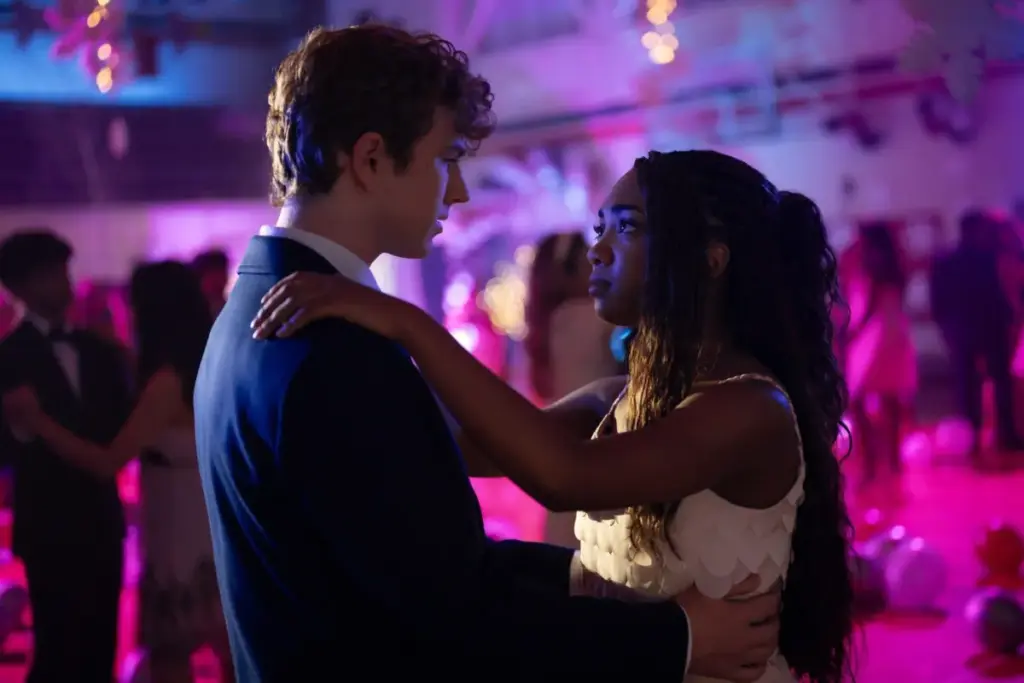
While prom has historically captured the lion’s share of cultural attention, media spotlight, and cinematic fanfare, homecoming—affectionately known as "Hoco"—has quietly evolved into an equally vibrant, high-stakes fashion event. As the back-to-school season settles and students transition away from strict academic routines before diving headfirst into the spooky pageantry of Halloween, homecoming takes center stage on the autumn social calendar.
Unlike prom, which typically demands formal floor-length gowns and tailored tuxedos, homecoming occupies a uniquely flexible space in the adolescent style landscape. Considered a semi-formal affair, it acts as a sartorial rehearsal for prom. This classification grants students vastly more room to experiment with lengths, silhouettes, colors, and textures. From high-octane micro-minis drenched in sequins to minimalist, understated slips that can effortlessly transition into everyday streetwear, the modern homecoming dress market is boundless.
The stakes, however, have never been higher. Driven by social media platforms like TikTok and Instagram, the search for the ultimate homecoming look has morphed into a multi-million-dollar retail phenomenon. To help students navigate this vast sea of trends, contemporary style curators have narrowed down the definitive choices for the upcoming season. Highlighting standout pieces—ranging from the ultra-sparkly BP. Strapless Sequin Minidress to the endlessly versatile Dôen Quinn Dress and the luxurious Reformation Jillian Silk Dress—the modern Hoco shopping experience balances youthful playfulness with elevated, mature design sensibilities.
Detailed Chronology: The Evolution of the Homecoming Tradition
To understand how homecoming attire transformed from modest, school-spirited school dances into runway-adjacent fashion events, it is necessary to examine the historical trajectory of the tradition itself.
Early Origins: Athletics and Alumni (1910s–1950s)
The concept of "homecoming" originated on American college campuses in the late 19th and early 20th centuries, migrating rapidly to high schools across the nation. Initially, the event had little to do with fashion and everything to do with athletics. It was designed as a rallying point for alumni to return to their alma maters for the big autumn football game. The accompanying dance was a modest, casual affair held in a gymnasium, where students wore everyday school clothes or simple Sunday best.
The Mid-Century Shift to Semi-Formal (1960s–1980s)
As post-war youth culture expanded and the concept of the "teenager" solidified as a distinct demographic and economic force, school dances grew in scope. By the 1960s and 70s, the homecoming dance had separated itself from the immediate aftermath of the football game, adopting a distinct identity. It was during this era that the "semi-formal" dress code was firmly established. Skirts became shorter (reflecting the shifts in mainstream mod fashion), and party dresses specifically marketed to youth began appearing in department store catalogs.
The Digital Age and the Rise of "Hoco Culture" (1990s–2010s)
With the turn of the millennium, homecoming underwent a rapid commercialization process. Boutiques began curating specific sections dedicated solely to "Hoco," positioning it as a distinct seasonal shopping milestone separate from prom season in the spring. The introduction of digital cameras and early social networking sites added an element of public visibility to the event. Teens were suddenly dressing not just for their peers in the gymnasium, but for a permanent digital record.
The Modern Social Media Era (2020s–Present)
Today, homecoming is an omni-channel fashion event. Fueled by algorithmic content recommendation systems, trends travel at unprecedented speeds. A viral TikTok video featuring a unique styling hack or a specific dress silhouette can instantly shift national retail demand. Homecoming has ceased to be merely a high school dance; it is now a critical testing ground where Gen Z trends—ranging from Y2K revivalism to quiet luxury—are put into practice.

Supporting Context & Metrics: The Anatomy of the Hoco Market
The economic footprint of homecoming dress shopping is substantial, reflecting broader shifts in retail, youth consumer behavior, and digital influence.
The Retail Landscape: By the Numbers
Industry analysts estimate that the secondary school dance market (inclusive of homecoming and prom) generates billions of dollars annually in the United States alone. While prom still commands the highest average expenditure per student—often crossing the thousand-dollar threshold when factoring in tickets, transportation, hair, makeup, and attire—homecoming spending has steadily climbed.
- Average Spending: The average American teen and their family spend between $150 and $400 specifically on homecoming attire and accessories.
- The Sweet Spot: Unlike prom dresses, which carry an average price tag of $200 to $600+, homecoming dresses thrive in a more accessible sweet spot ranging from $50 to $350. This price point encourages a higher volume of purchases and allows for impulse buying driven by social media micro-trends.
- Channel Shifting: Over 65% of homecoming dress research now begins on mobile platforms (TikTok, Instagram, and Pinterest), while final purchases are split evenly between direct-to-consumer (DTC) e-commerce sites and localized brick-and-mortar specialty boutiques.
Versatility as a Purchasing Driver
One of the most significant shifts in modern consumer metrics is the demand for multi-use items. Modern shoppers are increasingly conscious of sustainability and cost-per-wear. Consequently, styles that can be worn after the homecoming dance—such as date night dresses, holiday party outfits, or sophisticated brunch attire—significantly outperform traditional, single-use garments.
This trend is exemplified by pieces like the Dôen Quinn Dress, which champions a timeless aesthetic capable of moving seamlessly from an autumn high school dance to a sophisticated dinner party. Conversely, statement-driven pieces like the BP. Strapless Sequin Minidress cater to the desire for high-impact, photographable moments that dominate social media feeds, proving that maximalism still holds a powerful grip on the youth demographic.
Official Statements & Expert Perspectives
To gain a deeper understanding of the psychological and cultural weight behind homecoming fashion, industry designers, retail experts, and youth sociologists offer critical insights into the phenomenon.
The Designer’s Perspective: Balancing Playfulness with Sophistication
Elena Vance, a senior womenswear designer specializing in contemporary party attire, notes that designing for homecoming requires a delicate balancing act.
"When designing for the homecoming demographic, you are dealing with a consumer base that is intensely creative and deeply visually literate," Vance explains. "They aren’t looking to mimic adult eveningwear strictly; they want garments that reflect their current cultural obsessions. Homecoming gives us, as designers, permission to play with texture, asymmetric cuts, and bold colors in a way that formal eveningwear often restricts. It’s youthful, but it demands high execution."
The Retail Analyst’s View: The "Rehearsal" Mentality
Marcus Thorne, a senior retail market strategist, emphasizes the psychological role homecoming plays in consumer development.

"We refer to homecoming internally as the ‘training ground’ for major milestone dressing," Thorne states. "It’s where teens test out high-end brands like Reformation or contemporary favorites like Dôen for the first time. They learn what silhouettes flatter their bodies, how to manage delicate fabrics like silk, and how to accessorize a statement piece. The brand loyalty built during homecoming season often dictates where these consumers will shop years later for college formals, weddings, and eventually, their own proms and bridal events."
The Educator and Sociologist’s Insight: Community and Expression
Dr. Aris Thorne, a sociologist studying modern youth rituals, points out that the aesthetic choices made during events like homecoming serve a vital communicative function among peers.
"Clothing at this developmental stage is a primary tool for identity negotiation," Dr. Thorne notes. "Whether a student chooses a minimalist, understated silk slip dress or a high-glam sequin minidress, they are making a public declaration about how they wish to be perceived within their social ecosystem. In the age of digital curation, this form of self-expression has been amplified tenfold."
Future Outlook: Where is Homecoming Fashion Heading?
As we look toward the future of school-sponsored social events, several overarching trends are poised to redefine the homecoming experience over the next decade.
1. Sustainable and Circular Fashion Integration
With environmental consciousness at an all-time high among Gen Z consumers, the future of homecoming fashion will undoubtedly see a surge in circular economy models. Clothing rental services, peer-to-peer resale marketplaces (such as Depop and Poshmark), and vintage sourcing are rapidly transitioning from alternative options to mainstream choices. Brands that offer high durability, timeless design, and easy resale potential will capture significant market share.
2. Technological Integration and Virtual Styling
The integration of augmented reality (AR) and artificial intelligence (AI) in retail is transforming how teens shop for events like homecoming. Virtual try-on apps, AI-driven personal stylists, and 3D digital fitting rooms are reducing the anxiety associated with online shopping. In the near future, students will be able to digitally render entire homecoming looks—matching dresses from brands like Reformation with accessories and shoes—before making a single financial commitment.
3. The Blurring Lines of Gender Norms
The rigid gender binaries that historically dictated homecoming attire are continuing to dissolve. The future of Hoco fashion points toward an increasingly fluid landscape where sharp tailoring, gender-neutral silhouettes, and non-traditional formalwear are celebrated across all demographics. As seen with the growing popularity of statement suits and versatile separates, individual self-expression will completely override traditional dress code expectations.
Conclusion
Homecoming has transcended its origins as a simple athletic alumni gathering to become a premier cultural and fashion milestone for contemporary youth. By offering a semi-formal canvas that encourages experimentation—from the ultra-sparkly to the sustainably versatile—Hoco remains an indispensable testing ground for the future of style. As retail innovations, digital connectivity, and evolving social values continue to shape the market, the homecoming dress will remain a powerful symbol of youthful creativity, identity, and celebration.