Executive Overview
For over a decade and a half, Mars and its iconic candy brand, Snickers, have relied on one of the most culturally entrenched advertising frameworks in modern marketing history: "You’re not yourself when you’re hungry." Through television commercials, billboard campaigns, and digital spots, millions of consumers have been told to "grab a Snickers" whenever hunger turns them irritable, dramatic, or downright unpleasant. It is a simple, highly effective behavioral bridge between a basic biological need and a universally understood emotional state.
However, as consumer habits have fractured away from traditional linear television and migrated toward interactive, live-streaming digital ecosystems, legacy advertisers have been forced to fundamentally rethink how they deploy these classic messaging frameworks. Nowhere is this truer than on Twitch, a platform defined not by passive viewing, but by the relentless, real-time pulse of its chat box.
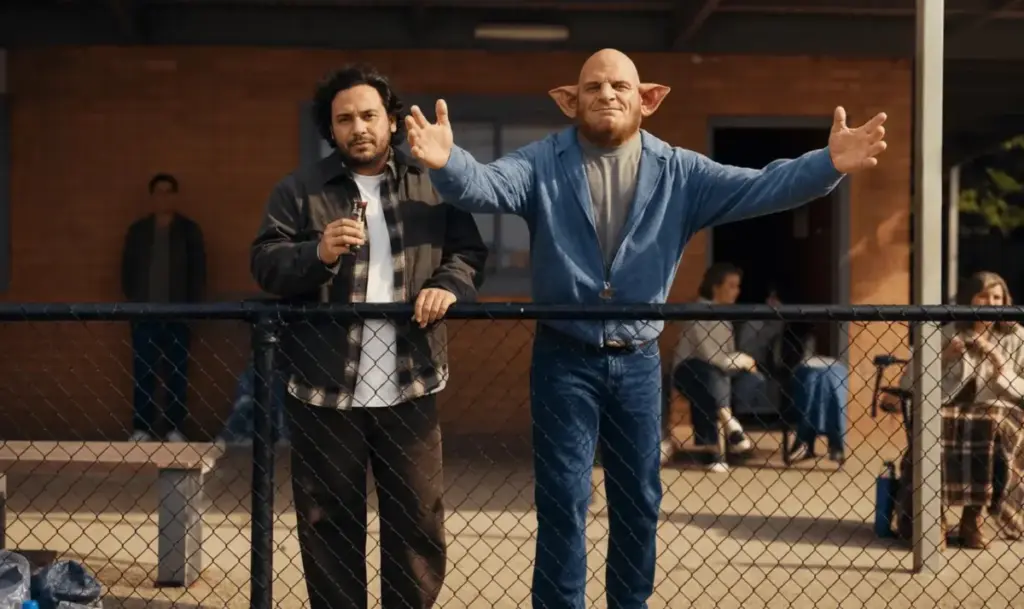
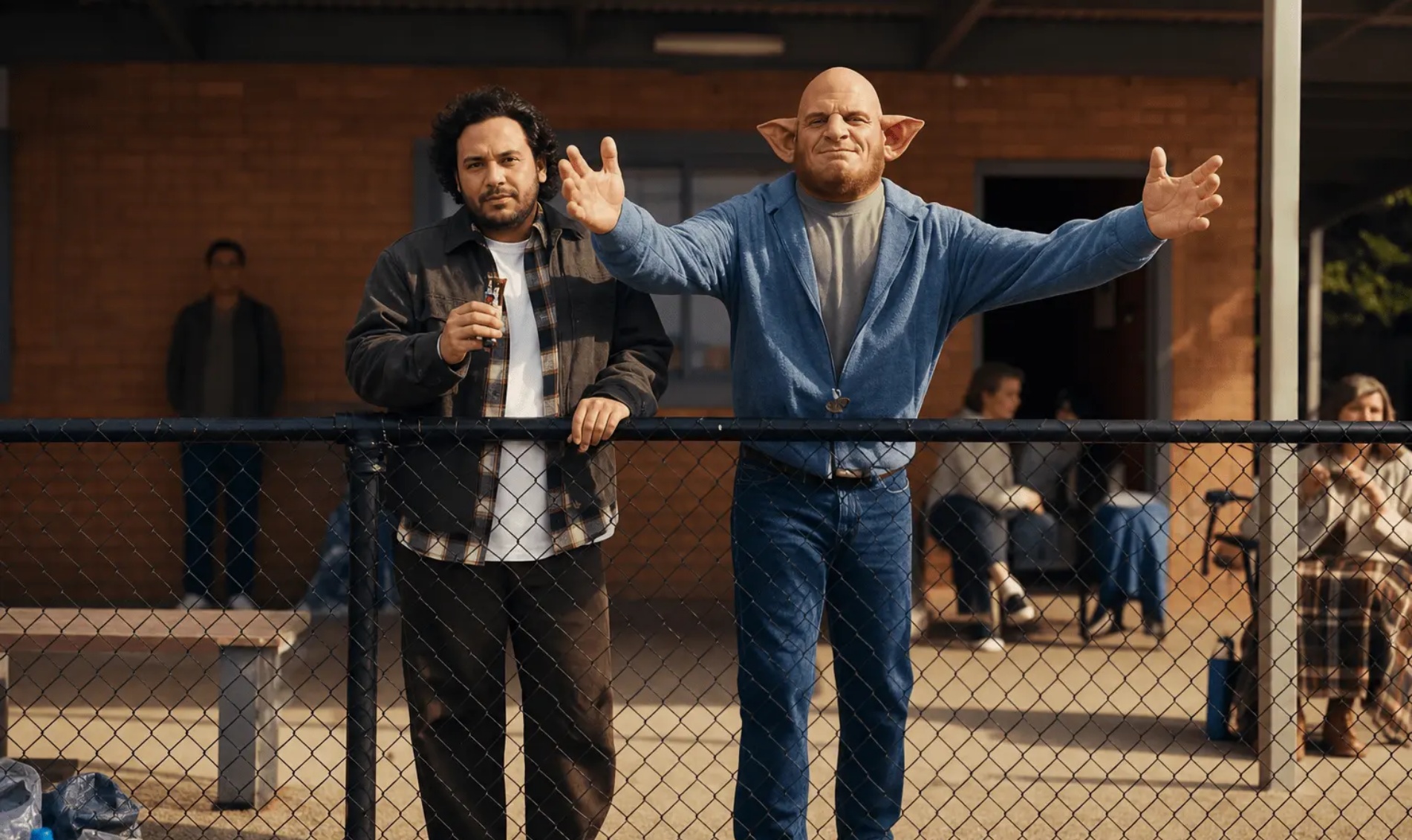
In a bold, high-stakes tactical pivot across Australia, Mars is turning the foundational wisdom of internet safety completely on its head. For decades, internet users have been fed a single, ironclad rule regarding toxic online behavior: Don’t feed the trolls. Yet, in a new localized activation tied to its "Feed the Trolls" campaign, Mars is doing the exact opposite. By partnering with Publicis Groupe OneMars and agency partner T&P, the confectionary giant is deploying an innovative Twitch activation designed to intercept hostile chat behavior in real-time. Instead of ignoring or immediately banning toxic commenters, the campaign identifies users spewing vitriol in the chat, tells them to cool off because they are clearly "hangry," suggests they grab a Snickers, and—in a surprisingly redemptive twist—invites them back into the conversation once they have had a chance to recalibrate.
Timed strategically to coincide with the fever-pitch excitement of the Australian Football League (NRL and AFL) Grand Finals season—a period notorious for heightened sports-related passion and aggressive digital banter—the campaign features top-tier Australian creators like Nalopia and midbeast. By inserting a brand safety and behavioral intervention tool directly into the chaotic bloodstream of live-streaming chat, Mars is not merely running an ad; it is attempting to pioneer a completely new paradigm of interactive advertising. This comprehensive report explores the mechanics of the "Feed the Trolls" Twitch activation, the evolution of Twitch chat as a distinct digital culture, the strategic partnership behind the campaign, and what this means for the future of brand engagement in live creator-led economies.
Detailed Chronology: From Linear Television to Live-Streaming Interventions
To understand the magnitude of the "Feed the Trolls" Twitch activation, one must first trace the evolutionary timeline of the Snickers marketing apparatus and the parallel rise of live-streaming platforms as cultural juggernauts.
The Linear Era and the Birth of "Hangry"
Launched globally in 2010, the "You’re Not You When You’re Hungry" campaign became an immediate textbook study in character-driven advertising. Featuring high-profile celebrities, athletes, and everyday people transforming into entirely different personalities due to drops in blood sugar, the spots relied on a predictable script: a problem caused by irritability, a diagnosis of hunger, the consumption of a Snickers bar, and a triumphant return to normalcy.
For fifteen years, this formula was executed primarily through broadcast television, cinema, and static digital pre-roll ads—mediums characterized by one-way communication. The viewer sat back, absorbed the narrative, and internalized the brand’s comedic interpretation of mood swings. But as media consumption habits shifted dramatically away from linear television toward on-demand and live-streaming environments, the limitations of one-way messaging became starkly apparent. Younger demographics, particularly Gen Z and Millennials, were spending their media hours watching creators on platforms like Twitch, YouTube, and TikTok, where traditional commercial breaks either do not exist or are actively tuned out.
The Migration to the Digital Frontier
Recognizing this demographic shift, global brands began experimenting with native integrations. However, early digital ad placements on live-streaming platforms often suffered from a lack of interactivity. Brands would buy banner space, sponsor pre-rolls, or secure logo placements on overlays, treating platforms like Twitch as if they were simply digital versions of ESPN or MTV.
Mars, through its agency partners Publicis Groupe OneMars and T&P, realized that true engagement on Twitch required a deeper understanding of the platform’s native environment. The beating heart of Twitch is not the video player itself; it is the chat. It is a living, breathing, sometimes volatile ecosystem where millions of messages fly by every second, creating a unique subculture complete with its own lexicon, emotes, and behavioral norms.
Developing the "Feed the Trolls" Concept
The conceptualization of the "Feed the Trolls" campaign began as an exploration of modern online hostility. Trolling has plagued internet forums, comment sections, and social media platforms since the inception of the web. The standard corporate and community management playbook has always been defensive: deploy auto-moderation filters, shadowban offenders, or issue permanent bans.
Mars and its creative agencies asked a different question: What if online toxicity isn’t just malice, but a symptom of modern digital fatigue and physiological agitation? What if the internet’s most aggressive trolls are simply "hangry"?
Adapting this thesis for the Australian market, the campaign was scheduled for the peak of the sports calendar—the autumn months surrounding the high-stakes Grand Finals of the Australian Football League (AFL) and the National Rugby League (NRL). These sporting events routinely drive massive spikes in viewership, emotional investment, and, consequently, volatile chat activity. Rather than attempting to sanitize the chat entirely through sterile moderation, Mars decided to actively intercept the negativity in real-time, transforming hostile chat participants into unwilling participants in a live-action Snickers commercial.
Supporting Context & Metrics: The Anatomy of Twitch Chat Culture
To fully appreciate the technical and cultural weight of Mars’s Twitch activation, one must examine the unique architecture of Twitch chat and its evolution over the past decade.
+-----------------------------------------------------------------+
                 THE TWITCH CHAT ECOSYSTEM
+-----------------------------------------------------------------+
  [Viewer Input]        -->  [Real-Time Chat Stream]
  (Emotes, Text, Vibe)      (High-Velocity, Native Language)
                                      |
                                      v
  [Brand Intervention]  <--  [Algorithmic / Human Detection]
  ("Grab a Snickers")        (Identifying "Hangry" Trolls)
                                      |
                                      v
  [Redemption Loop]     -->  [Reintegration into Stream]
                             (Snickers Consumed, Vibe Restored)
+-----------------------------------------------------------------+
Twitch Chat as a Native Language
In the early days of live streaming, chat was viewed by outsiders as little more than a digital distraction—a chaotic wall of text running too fast to read. Over the last ten years, however, industry observers and platform architects have recognized Twitch chat as a complex, highly sophisticated native language.
As detailed in platform analyses, Twitch chat functions as a collective consciousness. It possesses its own syntax, driven by custom global and channel-specific emotes (such as Kappa, PogChamp, or LUL) that communicate emotional subtext instantly. It reacts with synchronized waves of text (copypastas) to dramatic moments on screen, effectively turning the audience from passive spectators into an interactive Greek chorus.
Recognizing the immense value of this conversational hub, Twitch has consistently rolled out products designed to enhance chat infrastructure. Features like chat history replays, predictive moderation tools, and custom chat integrations for brand partnerships have transformed chat from a liability into a primary product differentiator. Major game studios have even begun building entire video games—such as Choice Chamber and crowd-controlled titles—where the gameplay itself is directly driven by the inputs of Twitch chat.
The Economics of Live-Streaming Brand Safety
For brands, entering this ecosystem has historically been fraught with risk. Advertisers are notoriously risk-averse, frequently pulling ad dollars at the first sign of brand safety violations or toxic chat behavior. This dynamic has often created a sterile corporate presence on live-streaming platforms, where brands sponsor creators from a safe distance through pre-approved overlays or scripted segments.
Mars’s "Feed the Trolls" campaign represents a radical departure from risk-aversion. Instead of fleeing from toxic chat environments, the brand is stepping directly into the line of fire. By leveraging real-time sentiment analysis and moderation hooks, the campaign weaponizes humor to de-escalate tension rather than relying on punitive bans. This shifts the paradigm from exclusion (banning the troll) to rehabilitation (feeding the troll), offering a masterclass in turning platform-specific culture into brand equity.
Official Statements and Campaign Execution
The success of the "Feed the Trolls" activation hinges on its integration with some of Australia’s most prominent digital creators. By partnering with streamers like Nalopia and midbeast, Mars ensured that the campaign would resonate authentically with hardcore gaming and streaming audiences.
Creator Involvement: Nalopia and Midbeast
Nalopia and midbeast are household names within the Australian and global streaming communities, boasting hundreds of thousands of followers across Twitch and YouTube. Known for their high-energy gameplay, engaging personalities, and interactive communities, both creators deal with the standard influx of chat volatility that comes with high-visibility live streaming.
During the activation windows, when Nalopia or midbeast went live, the underlying campaign mechanics went to work. When a viewer crossed the line from passionate fan to aggressive troll, the system did not simply delete their message. Instead, the interactive layer engaged the user directly within the chat stream, gently mocking their agitation, diagnosing them with "hunger," and instructing them to grab a Snickers before trying again.
The Agency and Brand Synergy
The creative vision was forged through a close collaboration between Mars, Publicis Groupe OneMars, and agency partner T&P. In promotional materials accompanying the launch, campaign architects emphasized that the core objective was to take a globally recognized brand asset—the 15-year-old "hangry" framework—and adapt it to a medium where consumers expect humor, irony, and immediate responsiveness.
"For years, we’ve told television viewers that they aren’t themselves when they’re hungry," representatives from the creative team noted during the rollout. "On Twitch, people are definitely not themselves when they’re typing in chat during a tense match. By taking the advice of ‘don’t feed the trolls’ and literally feeding them Snickers, we’re bridging the gap between traditional advertising and digital native culture in a way that feels organic, funny, and unmistakably Snickers."
Future Outlook: What "Feed the Trolls" Signals for Creator Marketing
As creator culture continues its inexorable shift toward platform-agnostic operations—where talent flows seamlessly across Twitch, YouTube, TikTok, and emerging spatial computing platforms—casting and brand activations must evolve in tandem. The Mars Twitch campaign offers several critical takeaways for the future of digital advertising:
1. The Death of Sterile Brand Safety
For too long, brand safety in digital advertising has meant total avoidance of conflict or controversy. The "Feed the Trolls" campaign demonstrates that brands can successfully navigate—and even weaponize—chaotic digital environments if they do so with self-aware humor and structural creativity. By leaning into the very friction that makes live streaming unpredictable, Mars has set a new benchmark for proactive brand engagement.
2. Deepening Native Integration Over Surface-Level Sponsorships
Static banner ads and standard pre-rolls are increasingly suffering from banner blindness among digital-native audiences. Future brand campaigns will need to be structurally embedded into the software, culture, and interactive loops of the platforms they inhabit. Whether through custom chat extensions, audience-driven game mechanics, or real-time comedic interventions, advertising must become part of the content experience rather than an interruption to it.
3. Rehumanizing Digital Interactions
At its core, the Snickers campaign addresses a profound modern psychological phenomenon: the dehumanization of online discourse. By attributing digital toxicity to a biological state—hunger—the campaign introduces a layer of disarming empathy into spaces that are frequently defined by hostility. While tongue-in-cheek, the underlying message encourages self-reflection among internet users, suggesting that a moment of pause and a simple snack might just make the digital world a slightly more pleasant place to inhabit.
As the "Feed the Trolls" activation rolls out across Australian streams, industry analysts will be watching closely to measure its impact on chat sentiment, brand recall, and audience sentiment. If successful, Mars may well export this clever, interactive intervention to global markets, proving once and for all that even the internet’s most hardened trolls are no match for a chocolate-coated peanut bar when they’re feeling a little bit hangry.