Executive Overview
As the autumn chill sets in and fashion enthusiasts pivot toward warmer, cozier aesthetics, the beauty world inevitably finds solace in historical nostalgia. While the 2020s have thus far been defined by a relentless recycling of 1970s hair movements—from feathered shag cuts and cascading curtain bangs to bohemian braids—one particular style stands head and shoulders above the rest. Enter the "Birkin Bangs": a timeless, eyelash-skimming fringe imbued with undeniable icon energy.
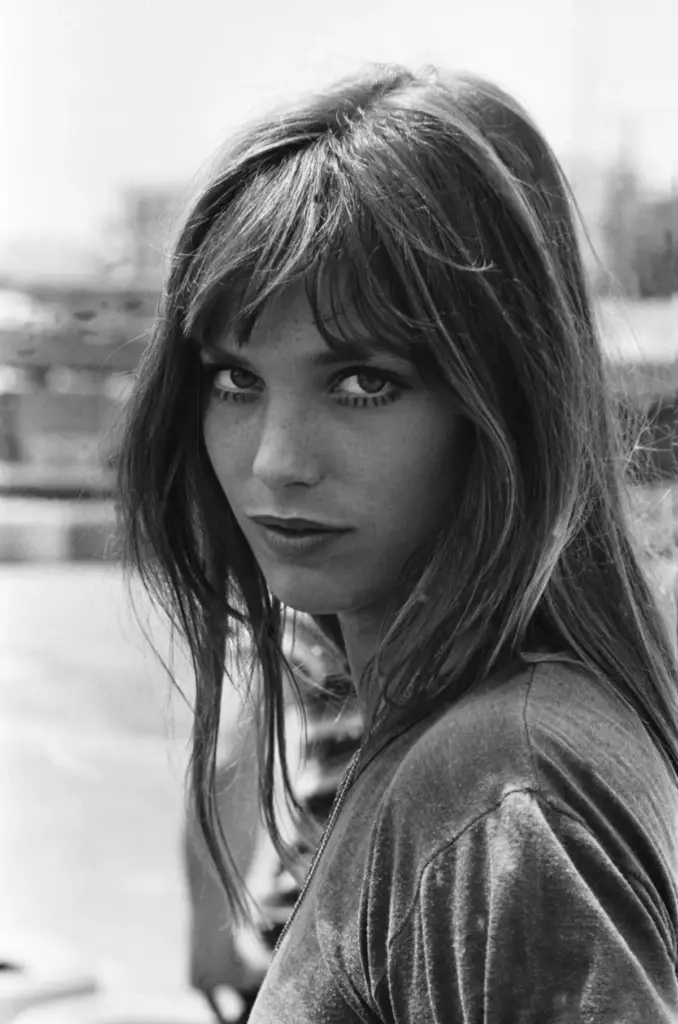
Named after the ultimate original influencer, British-born, Paris-adopting actor and singer Jane Birkin, this specific iteration of the fringe is far more than a fleeting seasonal trend. It represents a masterclass in effortless, unpretentious cool. Characterized by its piecey texture, soft lines, and relaxed movement, the Birkin Bang bridges the gap between structured sophistication and messy, lived-in ease.
Today, this 1970s classic is enjoying a massive modern renaissance. From contemporary style muses like Daisy Edgar-Jones and Margot Robbie to pop royalty such as Taylor Swift and Dakota Johnson, the fringe remains the ultimate shorthand for effortless chic. However, maintaining this iconic look requires a commitment to upkeep, a strategic approach to styling, and a reliable arsenal of dry shampoos. This investigative report explores the origins, cultural persistence, maintenance realities, and modern adaptations of the definitive fringe of our generation.
Detailed Chronology: The Evolution of an Icon
To understand why the Birkin Bangs dominate mood boards today, one must trace the trajectory of the woman who made them world-famous. The timeline of this hairstyle is a journey spanning over half a century, moving from Parisian bohemian circles to global red carpets and digital algorithms.
1. The Genesis: The 1960s and 1970s Franco-British Fusion
Jane Birkin’s aesthetic was born from a unique cultural cross-pollination. Relocating from London to Paris, Birkin brought her native British mod sensibility and synthesized it with the effortlessly chic, uncontrived beauty ethos of her adopted French home. Unlike the heavily lacquered, perfectly coiffed hairstyles of the mid-20th century, Birkin’s hair looked as though she had merely air-dried it and run her fingers through it on the way out the door.
Her signature fringe sat low, skimming her eyelashes, and was cut softly without harsh, blunt lines. It framed her face with an accidental symmetry that felt entirely organic. This look became the visual blueprint for a generation of free-spirited artists, musicians, and intellectuals, eventually cementing her status as the ultimate muse—and inspiring the legendary Hermès Birkin bag along the way.
2. The Late 20th-Century Undulation (1980s–2000s)
In the decades following her peak cultural output, interest in Birkin’s aesthetic ebbed and flowed. While the 1980s favored big, voluminous hair and the 1990s leaned into grunge or sleek minimalism, Birkin’s signature fringe remained a subtle undercurrent in high fashion. French editorials and independent cinema quietly kept the torch alive, demonstrating that true elegance does not bow to seasonal shifts.
3. The 2020s Revival: The Digital Age and Aesthetic Nostalgia
As the world entered the 2020s, a collective cultural longing for simpler, more tactile eras took hold. Social media platforms like Pinterest and TikTok became incubators for vintage hair trends. Curtain bangs paved the way, but beauty consumers quickly sought something with a bit more edge and personality.
The Birkin Bang naturally filled this void. Contemporary icons began adopting the look, translating Birkin’s 1970s nonchalance for the modern era. Actresses and musicians realized that a soft fringe could instantly elevate a simple outfit, offering an immediate dose of European sophistication without looking overly calculated.
Supporting Context & Metrics: Why the Trend Endures
The staying power of the Birkin Bangs is not merely a matter of subjective taste; it is backed by measurable shifts in consumer behavior, search analytics, and beauty industry metrics.
The Psychology of "Effortless Cool"
Modern beauty consumers are increasingly fatigued by hyper-curated, high-maintenance aesthetics. The clean-girl aesthetic, while dominant, has left room for a counter-movement celebrating individuality, texture, and a touch of calculated disheveled charm.
According to trend forecasters, hair searches for "undone textures" and "French girl fringes" spike by upwards of 45% every autumn. This seasonal pivot makes psychological sense: as wardrobes shift toward heavier fabrics like wool, cashmere, and trench coats, facial framing softens the overall silhouette, providing a cozy yet polished contrast.
Celebrity Influence and the Modern Muse Matrix
The modern adoption of Birkin Bangs is sustained by a powerhouse lineup of actors and musicians who serve as contemporary style architects.
- Daisy Edgar-Jones: In recent interviews, the British actor explicitly named Jane Birkin as her ultimate fashion north star. Noting that her personal style and hair choices naturally gravitate toward channeling Birkin’s relaxed French cool, Edgar-Jones has turned the soft fringe into her signature red-carpet look.
- Taylor Swift & Dakota Johnson: Both artists have long utilized heavy, piecey fringes to anchor their personal brands, proving that the cut adapts seamlessly across different face shapes and personal styles.
- Margot Robbie & Louise Follain: From Hollywood blockbusters to Parisian modeling campaigns, figures like Robbie and French model Louise Follain continue to validate the style’s cross-generational appeal.
Official Statements and Industry Insights
Top-tier stylists, beauty editors, and cultural commentators agree that the Birkin Bang is fundamentally different from a standard blunt fringe. It requires a specific architectural approach in the salon chair.
"Jane Birkin had this kind of effortless, relaxed French cool that is just the ultimate. If I’m ever making a Pinterest board, she’s always there—I think my hair, subconsciously, I’ve always been trying to channel her."
— Daisy Edgar-Jones, Actor
Industry experts emphasize that the secret to the Birkin Bang lies in its graduation. Stylists avoid cutting a straight, heavy horizontal line across the forehead. Instead, the hair is point-cut with texturizing shears, ensuring that the center pieces are slightly shorter while the outer edges gently sweep and feather into the side hair or cheekbones. This creates a versatile frame that can be worn piecey, pushed to the sides as a hybrid curtain bang, or left to graze the lashes dramatically.
Future Outlook: Maintaining and Wearing the 1970s Fringe Today
While the aesthetic rewards are immense, committing to Birkin Bangs requires an understanding of daily maintenance. Because the fringe rests directly against the forehead, it interacts with natural facial oils, leading to quicker oil buildup than the rest of the hair. Furthermore, their length typically makes them too short to tuck behind the ears, meaning styling adjustments are a daily necessity.
The Maintenance Toolkit
To keep Birkin Bangs looking fresh, airy, and textured rather than greasy and flat, beauty editors recommend a specialized maintenance routine:
- Invest in High-Performance Dry Shampoo: A targeted dry shampoo is non-negotiable. Products equipped with innovative delivery systems—such as Violette’s Frange Puff, which features a built-in brush to instantly blend powder into the fringe—allow for rapid, mess-free touch-ups throughout the day. Alternatively, classic French pharmacy staples like Klorane’s Extra-Gentle Dry Shampoo with Oat and Ceramide remain gold standards for absorbing oil while maintaining natural bounce and softness.
- Strategic Washing: Many individuals with fringes find success washing just the bang section in the sink daily or every other day, drastically reducing total styling time while keeping the fringe looking voluminous.
How to Wear Your Birkin Bangs
Depending on your mood, hair texture, and styling product availability, the Birkin Bang can be adapted into several distinct sub-looks:
- The Airy Look: Blow-dried lightly with a round brush to create a weightless, floating effect that moves naturally with every turn of the head.
- The Soft-Blunt Look: A slightly denser variation that maintains a clean edge while retaining enough piecey texture to avoid looking severe.
- The Voluminous Look: Inspired by the late 1970s disco era, incorporating a root-lifting spray and a medium barrel brush for maximum lift and bounce.
- The Lash-Skimming Look: The truest to Jane Birkin herself—intentionally long, slightly obstructive, and dripping with sultry mystery.
- The Centre-Parted Look: As the fringe grows out, it naturally transforms into curtain bangs, parting down the middle to frame the cheekbones before blending seamlessly into the rest of the cut.
Conclusion
As beauty trends cycle at an increasingly frantic pace, the enduring dominance of the Birkin Bangs proves that true style is timeless. By marrying British nonchalance with Parisian chic, this 1970s staple offers a low-effort, high-impact transformation for anyone looking to embrace classic elegance this autumn and beyond.