Executive Overview
In an era dominated by fleeting digital micro-trends and algorithm-driven style suggestions, a profound psychological shift is quietly taking place within contemporary fashion. Consumers are increasingly bypassing current runway dictates in favor of a deeply personal aesthetic: nostalgic dressing rooted in childhood memories.
This deep dive investigates the psychological mechanics driving individuals to consciously integrate elements of their youth—ranging from 2000s butterfly prints to faux-fur-trimmed cardigans—into their modern adult wardrobes. Moving beyond mere aesthetic pastiche or surface-level vintage consumption, this movement represents a tactile form of emotional regulation.
Drawing upon expert insights from leading fashion psychologists, concepts of "wardrobe ethnography," and the therapeutic principles of inner-child work, this article explores how clothes can serve as powerful emotional armor, tools for grief processing, and catalysts for psychological healing. Ultimately, reclaiming the sartorial joy of our formative years offers a rebellion against rigid adult expectations, empowering wearers to redefine personal authenticity on their own terms.
Detailed Chronology: A Journey Back Through the Closet
The modern renaissance of childhood nostalgia dressing is rarely born out of calculated stylistic curation; rather, it often emerges as a visceral response to acute emotional vulnerability.
The Catalyst of Loss and the Search for Comfort
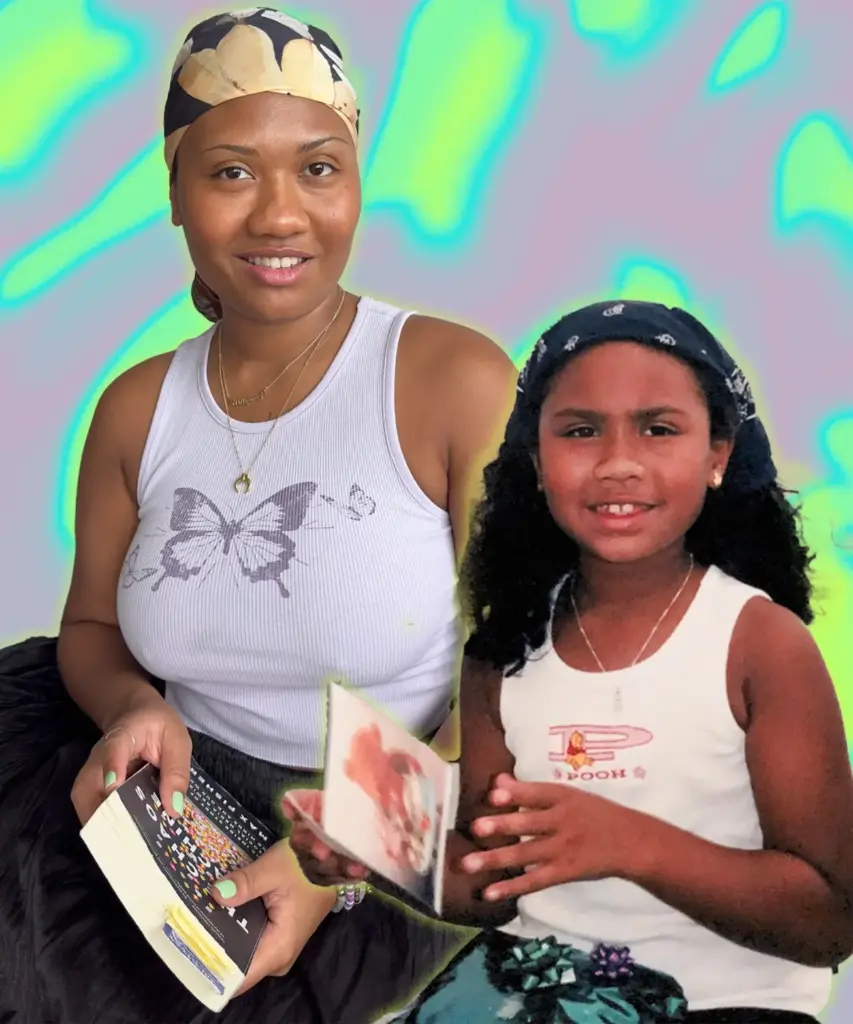
For many, the journey back to childhood wardrobes begins during periods of profound personal crisis. Consider the experience of navigating the sudden loss of a sibling—a transformative grief that leaves an individual untethered in a harsh reality. During such a profound emotional low, the act of scrolling through digital storefronts often ceases to be about consumerism and transforms into an instinctive search for equilibrium.
Purchasing a butterfly-printed tank top—a quintessential artifact of the early 2000s that might otherwise be dismissed as overly kitsch or juvenile—serves a deeper purpose. It acts as an emotional touchstone. The bright colors, playful patterns, and associations with a simpler epoch provide an immediate sense of psychological warmth.
The Phenomenological Experience of Time Travel
This phenomenon transcends visual appreciation; it is multi-sensory. When a consumer opens a package containing a replica of a cherished childhood garment—such as a pink, off-the-shoulder sweater reminiscent of Canadian suburban life in the early 2000s—the cognitive impact can be startlingly intense.
The moment the fluffy fabric touches the skin, a psychological time warp occurs. The twenty-eight-year-old in a modern urban apartment vanishes, temporarily replaced by an eleven-year-old child preparing for school pictures. The sensory memory activates phantom sensations: the scent of coconut-scented shampoo, the tactile memory of long hair, the auditory backdrop of a bedroom clock-radio, and, crucially, the complete absence of adult digital notifications and systemic obligations.
This is the apex of genuine nostalgia—a phenomenon that viral TikTok micro-trends cannot artificially manufacture. By pulling a replica of a childhood sweater over one’s head, the wearer collapses the temporal distance between past and present. They realize that the child they once were remains an active, integrated part of their current psyche. For the first time, clothing dictates identity from the inside out, rather than conforming to external pressures of what an "adult" is supposed to look like.
Supporting Context & Metrics: The Science of Sartorial Memory
To understand why fabrics and silhouettes from our youth hold such restorative power, we must examine the intersection of psychology, sociology, and textile history. Fashion has always operated cyclically, but contemporary psychological frameworks illuminate why we retreat into historical eras—even those we may not have personally lived through.
Wardrobe Ethnography and Personal Archeology
In the specialized field of fashion psychology, experts utilize a concept known as "wardrobe ethnography." This methodological framework conceptualizes an individual’s closet as a physical archive and psychological map of every decision, transition, and milestone they have encountered up to the present day.
Every garment retained, discarded, or purchased tells a story about who the wearer was at a specific juncture:
- What external influences shaped them?
- What cultural subcultures did they navigate?
- How did they perceive their own body and identity?
When individuals intentionally reintroduce childhood garments into their rotation, they are engaging in a form of sartorial archeology. They are excavating earlier versions of themselves, honoring past vulnerabilities, and reclaiming agency over narratives that may have been disrupted by trauma, societal pressure, or expectations of immediate maturity.
The Psychology of Playful Textures
Childhood clothing is inherently characterized by uninhibited joy, sensory-rich textures, and practical playfulness. Think of the tactile contrast between stiff, corporate adult tailoring and the soft cardigans, fuzzy trims, vibrant pastels, and whimsical prints of youth.
Psychological studies on tactile stimulation consistently demonstrate that soft, familiar fabrics can lower cortisol levels and evoke a sense of safety. When adults incorporate these elements—such as a faux-fur-collared cardigan paired with a sleek black miniskirt—they are not regressing childishly; rather, they are successfully integrating the playful, unburdened aspects of their inner child into a sophisticated, contemporary aesthetic framework.
Official Statements & Expert Perspectives
To contextualize the emotional weight of this trend, we turn to leading voices in fashion psychology and therapeutic practice.
Shakaila Forbes-Bell on the Power of Intentional Dressing
Shakaila Forbes-Bell, a prominent fashion psychologist and author, emphasizes that the act of getting dressed is far more than a routine morning chore—it is an active psychological dialogue.
"In the fashion psychology space, there is a concept called ‘wardrobe ethnography’ which essentially describes your wardrobe as a visual blueprint of all the decisions you’ve made up to this point in your life," explains Forbes-Bell. "These decisions tell a story about who you were at a particular time—who influenced you, what you saw in yourself, the lifestyle you were leading. I believe there is an immense sense of liberation in wearing clothes that anchor you back to the untainted joys of childhood."
Forbes-Bell argues that understanding the emotional language of clothing gives wearers transformative agency. Instead of passively accepting trends dictated by fast-fashion conglomerates, consumers can harness textiles to communicate intentional psychological states to the world.
The Nexus of Fashion and Inner-Child Therapy
In clinical psychology, "inner-child work" is a widely respected therapeutic technique designed to help individuals heal from developmental wounds, chronic stress, and complex trauma. Therapists often encourage patients to reconnect with the hobbies, sensory inputs, and emotional landscapes of their youth to foster self-compassion.
While putting on a butterfly clip or a vintage-style pastel sweater does not replace comprehensive trauma therapy, psychologists note that it can serve as a powerful somatic anchor. Wearing clothes associated with a perceived moment of safety provides a portable sanctuary. It allows individuals to navigate the stresses of contemporary adulthood while subtly signaling to their nervous system that they are protected, valued, and resilient.
Pop culture frequently mirrors this psychological truth. A classic cinematic touchstone is found in the beloved movie 13 Going on 30, wherein the protagonist, Jenna, rejects the suffocating expectations of corporate maturity to dress in her vibrant, colorful childhood dream wardrobe. Her uninhibited joy while dancing to Whitney Houston captures the essence of this sartorial liberation: the realization that growing up does not require the abandonment of play.
Future Outlook: The Evolution of Authentic Self-Expression
As we look toward the future of personal style, the integration of nostalgic dressing points toward a broader cultural rejection of rigid aesthetic boxes. The modern consumer is increasingly fatigued by hyper-curated, homogenized digital aesthetics that demand perpetual reinvention in service of online engagement.
Toward a Multi-Faceted Identity
The future of fashion psychology lies in embracing fluidity and plurality. The realization that one can wear a sharp, tailored power suit on Monday to command a boardroom, and a pink, childhood-inspired fleece on Tuesday to nurture emotional well-being, marks a mature evolution in how we view our closets.
Key developments shaping this future include:
- Mindful Consumption: Consumers are investing in vintage and second-hand pieces not merely for aesthetic clout, but for their narrative depth and emotional resonance.
- Sartorial Self-Compassion: A cultural shift away from criticizing oneself for dressing "too young" or "too silly," replacing it with the understanding that clothing is an instrument of self-care.
- Therapeutic Integration: Mental health professionals increasingly recognizing somatic and textile-based touchstones as valid complements to traditional talk therapy.
The Ultimate Takeaway
Ultimately, reclaiming childhood through fashion is an act of profound self-love. It sends a silent, powerful message to the younger iterations of ourselves who were told they needed to rush into adulthood: You are seen, you are safe, and your joy is still valid.
Whether stepping out in an impeccably tailored designer coat or a whimsical, second-hand childhood cardigan, the modern dresser is learning to wield clothes not as a costume to please others, but as a mirror reflecting their most authentic, integrated self.