Executive Overview
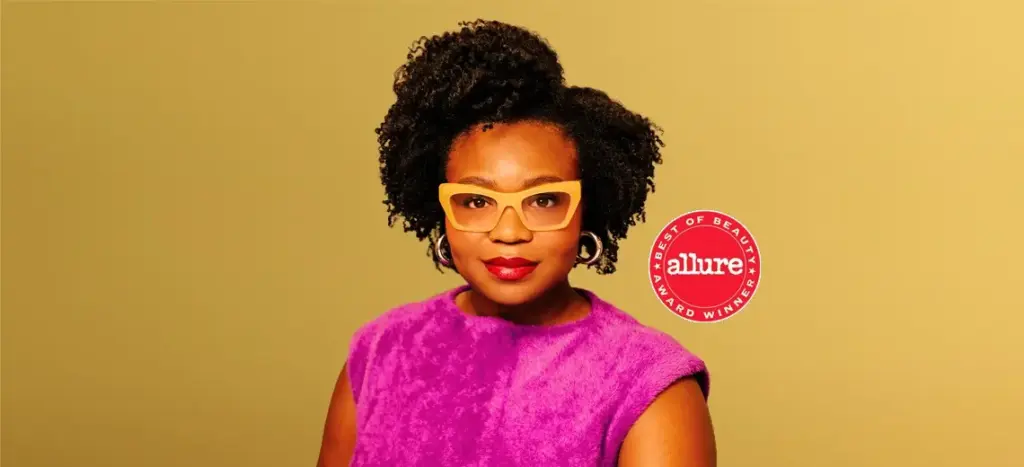
For nearly three decades, the red-and-white Allure "Best of Beauty" seal has served as the ultimate North Star for consumers navigating the overwhelming landscape of the global cosmetics and wellness market. Launched in 1996—five years after Condé Nast introduced the publication to newsstands—the annual awards franchise has evolved from a magazine round-up into one of the most powerful conversion drivers in retail. In an industry where consumers are bombarded by thousands of daily digital impressions, influencer recommendations, and rapid-fire product drops, the Allure seal acts as a trusted proxy for clinical efficacy and consumer satisfaction.
On a special episode of the Glossy Beauty Podcast, hosted by Lexy Lebsack, Allure Editor-in-Chief Jessica Cruel stepped behind the curtain to demystify the rigorous machinations of the awards program. Dropping alongside the official announcement of the 2026 winners, the conversation offers an unfiltered, masterclass-level look at how a beauty brand transforms from an unknown contender into a retail powerhouse.
Cruel’s insights cut straight through the glossy veneer of the beauty marketing machine. She provides actionable, candid advice for founders, indie entrepreneurs, and public relations professionals aiming to capture the attention of her editorial team. From early-stage elimination parameters—such as digital hygiene and inclusive shade extensions—to the strict logistics of testing timelines and the shifting definition of consumer wellness, this discussion outlines the exact blueprint required to survive the gauntlet of Allure’s year-round testing protocol.
Detailed Chronology: The Anatomy of an Allure Win
Understanding how a product earns the right to display the Allure Best of Beauty seal requires examining a meticulous, year-round operational timeline. Unlike awards programs driven by popularity contests, paid sponsorships, or ad-spend thresholds, Allure’s process functions more like a clinical trial combined with a grueling editorial audit.
Phase 1: Year-Round Inflow and Intake
The testing cycle never truly pauses. Editors, writers, and digital contributors receive thousands of products every month from legacy conglomerates, celebrity-backed ventures, and bootstrapped indie startups alike. According to Cruel, the first strategic hurdle for any brand is simply getting products into the hands of editors with adequate lead time.
For complex product categories—particularly skin care—timing is non-negotiable. Cruel emphasizes that skin-care formulations must land on her desk at least two months before evaluation begins. This window allows editors to integrate the product into a consistent daily regimen for a minimum of 28 days—the standard human skin cell turnover cycle. This duration ensures that editorial feedback is rooted in real-world efficacy rather than immediate sensory placebo effects.
Phase 2: The Initial Elimination Rounds (Surviving the First Cut)
Cruel is quick to demystify the early stages of evaluation, noting that the opening rounds of testing are less about standing out with groundbreaking innovation and more about avoiding early disqualification.
- Digital Hygiene: For independent and direct-to-consumer (DTC) brands hoping to break through, a poor digital footprint is an instant red flag. Cruel points out that an outdated, difficult-to-navigate website or an unprofessional social media presence will immediately knock a contender out of the running.
- Packaging and Ergonomics: The physical design of the product undergoes immediate scrutiny. Cruel highlights "ease of use" as a critical metric, noting that many modern packages are overly complex, frustrating, and prone to failure in real-world environments like a wet shower.
- Inclusivity Benchmarks: Perhaps the most stringent evolution of the early elimination rounds involves shade ranges and demographic inclusivity. Cruel notes that a foundation line featuring a meager ten shades cannot—and will not—win a Best of Beauty award. While such limited ranges might have passed industry standards when the list debuted 30 years ago, today’s market demands uncompromising equity. Editors view shade range and broad skin-tone suitability as a fundamental reader safety and trust issue.
Phase 3: The Testing Crucible
Once a product survives initial screening, it enters the grueling testing crucible. Editors evaluate formulas for texture, wear time, scent profiles, packaging functionality, and cumulative results. This phase relies on hands-on, multi-person testing across diverse skin tones, hair types, and lifestyle routines to ensure that winning recommendations hold up under varied conditions.
Phase 4: The Seal and Retail Impact
Products that survive the gauntlet are anointed as winners and granted permission to license the coveted Best of Beauty seal. This asset can be deployed across product packaging, point-of-sale displays, digital campaigns, and television advertising, instantly elevating brand authority and consumer trust.
Supporting Context & Metrics: The Economic Power of the Seal
The commercial gravity of the Allure seal cannot be overstated. It is not merely an editorial accolade; it is a proven economic catalyst that directly alters consumer behavior at the point of sale.
Conversion Economics
Internal Condé Nast research consistently demonstrates that the presence of the Best of Beauty seal significantly accelerates product velocity. When shoppers face a crowded shelf or a complex e-commerce grid, the seal functions as a cognitive shortcut, mitigating purchase anxiety. According to Cruel, data shows that a product bearing the seal is statistically more likely to be purchased when placed directly beside a non-winning competitor.
For emerging indie brands, capturing a Best of Beauty spot can serve as a hyper-accelerant, bridging the gap between niche obscurity and national distribution deals with major retail partners like Sephora, Ulta Beauty, and Target. For legacy beauty houses, holding onto the seal validates ongoing Research & Development investments and protects market share against agile market disruptors.
The Evolving Consumer Landscape
The retail environment in which the 2026 winners are announced is vastly different from the landscape of 1996. Today’s beauty consumer is hyper-educated, ingredient-literate, and digitally empowered. Armed with apps that analyze ingredient decks and social media algorithms that broadcast aesthetic procedures in real-time, modern buyers demand transparency.
This hyper-literacy places a heavier burden on beauty publications. The value of an editorial seal rests entirely on the integrity of the testing process. If consumers suspect that an award can be bought or influenced by commercial partnerships, the currency of the seal collapses. By maintaining strict firewalls between editorial testing and commercial monetization, Allure protects the scarcity and high value of its franchise.
Official Statements & Insights from Jessica Cruel
During her conversation with Lexy Lebsack, Allure Editor-in-Chief Jessica Cruel offered rare, candid perspective on the realities of beauty editing, public relations misalignments, and the core mission of the publication.
On the Realities of the Testing Process
Cruel dismantled common misconceptions regarding the cadence of beauty publishing in the digital era:
"The soonest you can get me the product, the better. And even though I might not have a print magazine with print lead times [any longer], the reason why I still need the product in my hands as soon as possible is because what I provide to the reader is actual proof of testing. If you launch a skin-care product, then you want to get it to me at least two months in advance, so that I can try it as a part of my routine for at least 28 days, and I can see the effects of that product. And then when I write about it, I can give the reader that real-life feedback."
Defining the Role of the Editor vs. Public Relations
Cruel addressed a persistent point of friction between beauty brands, PR agencies, and media outlets:
"That’s something that people really confuse about what we do here. You know, and honestly, I think some people think that my job is PR. My job is not PR, and I want everyone to know that. What I do is help the reader determine what brands, what products are the most important to them right now. If you want to do something that’s more business-forward, more launch-forward, there are a lot of B2B publications that do that. I don’t serve the consumer in that way."
Setting the Standard for Early Elimination
Detailing what keeps brands out of the winner’s circle, Cruel highlighted digital presentation and social responsibility:
"[The initial rounds of testing are] not so much about standing out; it’s about not getting eliminated early… I know a lot of indie brands submit, and we love it when an indie brand wins randomly, but if you have a janky website, or your Instagram’s kind of icky, these are things that we look at as that first line, and the second line is the packaging. One thing that’s really important is ease of use. I think so many things now are way too complicated… We’ve had many a bathroom shower ruined by things that were not well thought out, right?"
On shade inclusivity, Cruel added:
"Even more important is how it works for many different people. If a foundation only has 10 shades, that can’t win Best of Beauty, and that’s something that might have been OK when we first launched the list 30 years ago, but now that’s something we really consider. Shade range is a really important part of what we award. There is a really important responsibility we have to the reader to make sure that if I’m giving you tips, or a blush or a foundation, that you feel that you can go find one that’s right for you."
Future Outlook: Navigating the Intersection of Beauty, Wellness, and Misinformation
As Allure looks toward the future of the beauty category, Cruel identifies a massive cultural shift that is reshaping the editorial mandate: the convergence of cosmetics, clinical dermatology, and full-body wellness.
The Rise of the Hyper-Educated Consumer
Consumers no longer look at beauty through a purely superficial lens. Social media feeds are flooded with complex discussions surrounding cosmetic procedures, medical tourism (such as surgical trips abroad), advanced biotechnology ingredients like exosomes and peptides, and holistic health practices.
While this accessibility to information empowers consumers, it also introduces unprecedented levels of commercial noise and medical misinformation. According to Cruel, this chaotic digital ecosystem represents the single greatest opportunity for Allure to redefine its value proposition.
Cutting Through the "Marketing Nonsense"
Cruel views the modern wellness boom not as a threat to traditional beauty publishing, but as a mandate for deeper, more authoritative journalism. In her view, consumers are exhausted by empty marketing buzzwords and unverified claims:
"The thing that is exciting to me right now is the fact that everyone is very educated. We always say this about the beauty reader, but when I scroll through my social media feeds, I see more about facelifts, trips to Korea to get work done, exosomes and peptides, and all of this, and that excites me because I see a huge opportunity. There is so much misinformation out there. As our industry leans more and more into wellness, full-body, holistic beauty, there is such a need for a brand like Allure because there’s a lot of bullshit out there."
The Next Evolution of Editorial Authority
Moving forward, Allure aims to expand its cultural footprint beyond simply pointing readers toward winning lipsticks and serums. By acting as a trusted filter against marketing hyperbole and pseudo-science, the brand is positioning itself as an essential guide for holistic self-care.
For beauty brands and wellness founders, the message from the editor-in-chief is clear: winning the Best of Beauty seal is no longer just about having a great formula in attractive packaging. It requires operational excellence, digital sophistication, inclusive product architecture, and, above all, verifiable efficacy that can withstand the scrutiny of editors dedicated to protecting the consumer.