By Kevin LeBlanc
Updated: September 14, 2026
Executive Overview
As the dog days of summer fade and the crisp, unmistakable energy of September descends upon Manhattan, the global fashion ecosystem shifts its axis toward New York City. New York Fashion Week (NYWF) for the Spring/Summer collections represents far more than a mere showcase of garments; it is a meticulously orchestrated cultural convergence. For six high-octane days, the city becomes a living runway where American fashion royalty and vanguard "cool kids" trade coastal vacations for front-row seats, flashbulbs, and trend-setting appearances.
The dynamics of celebrity front-row seating have evolved from passive observation into a sophisticated brand of performance art. The curation of who sits where—and more importantly, what they wear—acts as an immediate barometer of cultural relevance. This season’s lineup featured a compelling juxtaposition: enduring heavyweights like Ralph Lauren, Tommy Hilfiger, Tory Burch, and Michael Kors Collection anchored the schedule with timeless American luxury, while boundary-pushing disruptors such as Area, Wiederhoeft, Eckhaus Latta, and international transplant Conner Ives injected radical design perspectives into the capital of fashion.
This comprehensive report chronicles the standout front-row attendees, marquee designer showcases, and high-profile celebrity moments that defined the season.
Detailed Chronology: A Week of High Fashion and Star-Studded Seating
From the monumental Ralph Lauren spectacles to intimate presentations by emerging labels, the calendar offered an embarrassment of riches for style critics and pop-culture enthusiasts alike.
American Royalty: Ralph Lauren Sets the Standard
Ralph Lauren’s presentation continues to serve as the gold standard for cinematic American sportswear. The front row was a masterclass in classic elegance, drawing an elite roster of talent. Meghann Fahy captivated onlookers with her effortless sophistication, while international superstar Kiko Mizuhara brought global star power to the venue. They were joined by acclaimed Australian actress Elizabeth Debicki, whose statuesque presence commanded attention, and trendsetting style duo Devon Lee Carlson and Sydney Carlson. The star-studded roster rounded out with Eiza González, Ella Hunt, EGOT winner Viola Davis, and Rachel Brosnahan, each embodying distinct facets of the timeless Ralph Lauren aesthetic.
Coach and the Downtown Cool-In
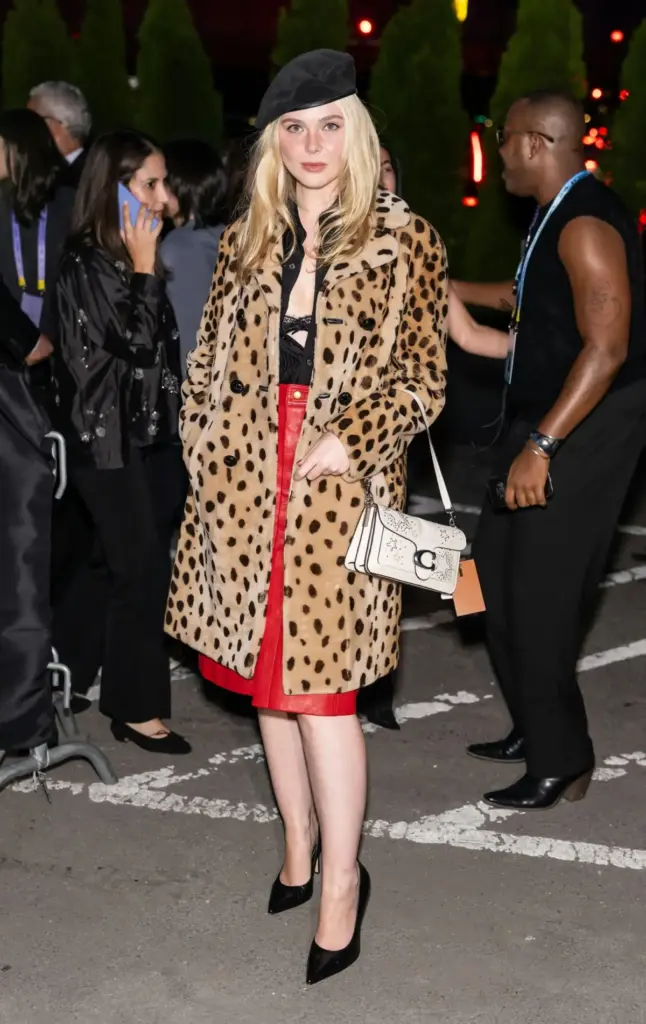
Uptown polish gave way to downtown grit at Coach, a brand that consistently captures the pulse of modern youth culture. Elle Fanning, long celebrated for her sophisticated yet playful sartorial choices, led the charge. She was joined by genre-defying pop innovator Troye Sivan, style icon Iris Law, rising star Avantika, and actor Storm Reid. Together, the front row reflected Coach’s masterclass in bridging heritage leather goods with contemporary, youth-driven subcultures.
The Tommy Hilfiger Phenomenon & Calvin Klein Resurgence
Tommy Hilfiger transformed his venue into a cultural mega-event, drawing an international crowd that read like an A-list directory. Global pop phenomenon Camila Cabello, supermodel icon Kate Moss, reality television royalty Lisa Rinna, and actress Madelaine Petsch shared airspace with K-pop royalty Jisoo and international actor Aron Piper, alongside internet personality Quen Blackwell.
Meanwhile, the Calvin Klein Collection presentation delivered some of the most arresting front-row imagery of the week. Rosalía, Teyana Taylor, Tate McRae, and Sadie Sink commanded the pews, flanked by fashion fixtures Emily Ratajkowski, Alexa Chung, and Pamela Anderson. The convergence of internet-native creators like Benito Skinner and Mary Beth Barone with icons like St. Vincent, Iris Law, Lila Moss, and Nara Smith underscored Calvin Klein’s enduring grip on modern cultural zeitgeist.
Tory Burch, Michael Kors, and Modern Elegance
Tory Burch continued its reign over elevated, wearable luxury with a front row featuring Ravyn Lenae, tennis star Alex Eala, lifestyle entrepreneur Morgan Stewart McGraw, Amanda Seyfried, Izzi Allain, and digital creator Tefi.
Michael Kors Collection followed suit, offering a masterclass in urban chic. Lisa Rinna returned for another major appearance, joined by Jackson White and Grace Van Patten, Kathryn Newton, Izzi Allain, Ashtin Earle, Delilah Belle, Tefi, Francesca Keller, Brittany Broski, and Jordyn Woods. The seating arrangements highlighted Kors’ unique ability to bridge classic New York glamour with the new guard of digital-age influencers.
Independent Vignettes: Diane von Furstenberg, Cult Gaia, TWP, and Beyond
Beyond the mega-brands, the independent and mid-tier design houses delivered vital cultural moments. Charlotte Lawrence stunned in the purple dress of the season at Diane von Furstenberg. Cult Gaia drew Madelyn Cline, Lukas Gage, and Olivia Jade. TWP Clothing curated an eclectic, highly sophisticated front row featuring Lucy Freyer, Jenna Lyons, Michelle Monaghan, and icon Martha Stewart.
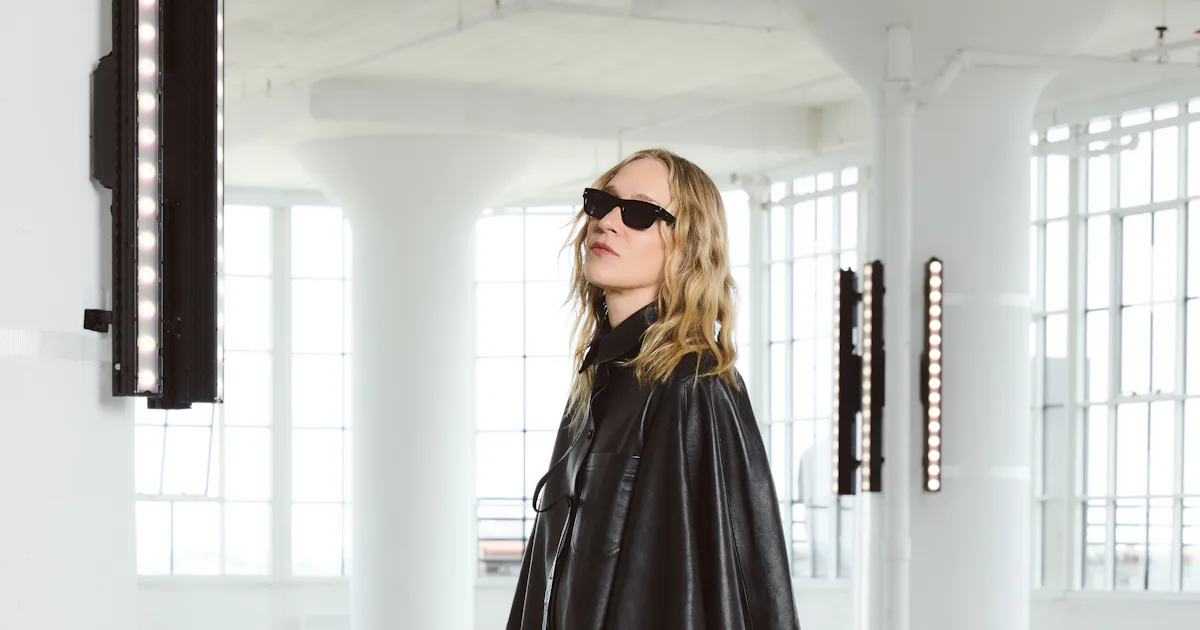
Rachel Antonoff injected whimsical charm into the schedule with Natasha Lyonne and Ella Emhoff. Concurrently, brands like Wiederhoeft (hosting Mary Beth Barone and Paige DeSorbo), 7 For All Mankind (showcasing Anna Van Patten, Chloë Sevigny, Hayes Warner, and Charlotte Lawrence), and Magda Butrym (featuring Nara Smith, Demi Moore, and Anna Van Patten) proved that the heart of New York fashion beats as strongly in its niche ateliers as it does on its massive main stages.
Supporting Context & Metrics: The Economics of the Front Row
The convergence of high fashion and celebrity culture during New York Fashion Week is underpinned by sophisticated marketing metrics and economic strategy. In the modern digital landscape, the front row is no longer just a perk for VIP clients and magazine editors; it is a primary driver of Earned Media Value (EMV).
- The EMV Formula: Brands carefully calculate the social media reach, engagement rates, and follower demographics of every celebrity invited to sit front row. An A-list appearance by figures like Jisoo, Rosalía, or Troye Sivan can generate millions of dollars in digital impressions within hours of the lights coming up on the runway.
- The Shift to Subcultural Authenticity: While traditional movie stars remain vital, brands increasingly allocate front-row real estate to TikTok creators, digital-native models, and boundary-pushing musicians. This reflects a strategic pivot toward Gen Z and millennial consumers who demand authenticity and cross-genre representation.
- Geographic Expansion: The influx of international talent—ranging from European actors to K-pop icons—highlights the globalization of NYFW. American brands are utilizing the New York calendar to project their identity onto a borderless, digital-first consumer base.
Official Statements and Industry Insights
Reflecting on the overarching narrative of the Spring/Summer season, industry leaders and designers have emphasized a return to purposeful design balanced with high-impact experiential marketing.
"New York Fashion Week has always possessed a unique kinetic energy," notes a leading industry analyst. "What we are witnessing this season is a recalibration. Brands are stripping away unnecessary noise to focus on the core product, while simultaneously leaning into high-impact celebrity partnerships that translate directly into digital commerce and cultural relevance."
Designers have similarly echoed the sentiment that the modern runway show is an immersive dialogue between the creator, the wearer, and the public. By carefully selecting front-row guests who embody the ethos of their collections—such as Ralph Lauren’s pairing of timeless Hollywood royalty with modern style tastemakers, or Calvin Klein’s curation of avant-garde musicians and actors—houses are telling deeper, more cohesive narrative stories.
Future Outlook
As New York Fashion Week concludes its jam-packed six-day run, the implications of this season will reverberate across the global retail market for months to come. The trends established on the runway—ranging from elevated denim and reimagined sportswear to striking monochromatic color palettes like the season-defining purple statements—are already influencing consumer demand.
Looking ahead, the intersection of technology, celebrity culture, and sustainable design will undoubtedly dictate the future trajectory of the event. As digital platforms continue to democratize access to the runway, the physical front row remains the ultimate symbol of brand prestige. The successes of this season prove that when heritage craftsmanship meets modern cultural curation, New York remains the undisputed epicenter of global style.