Executive Overview
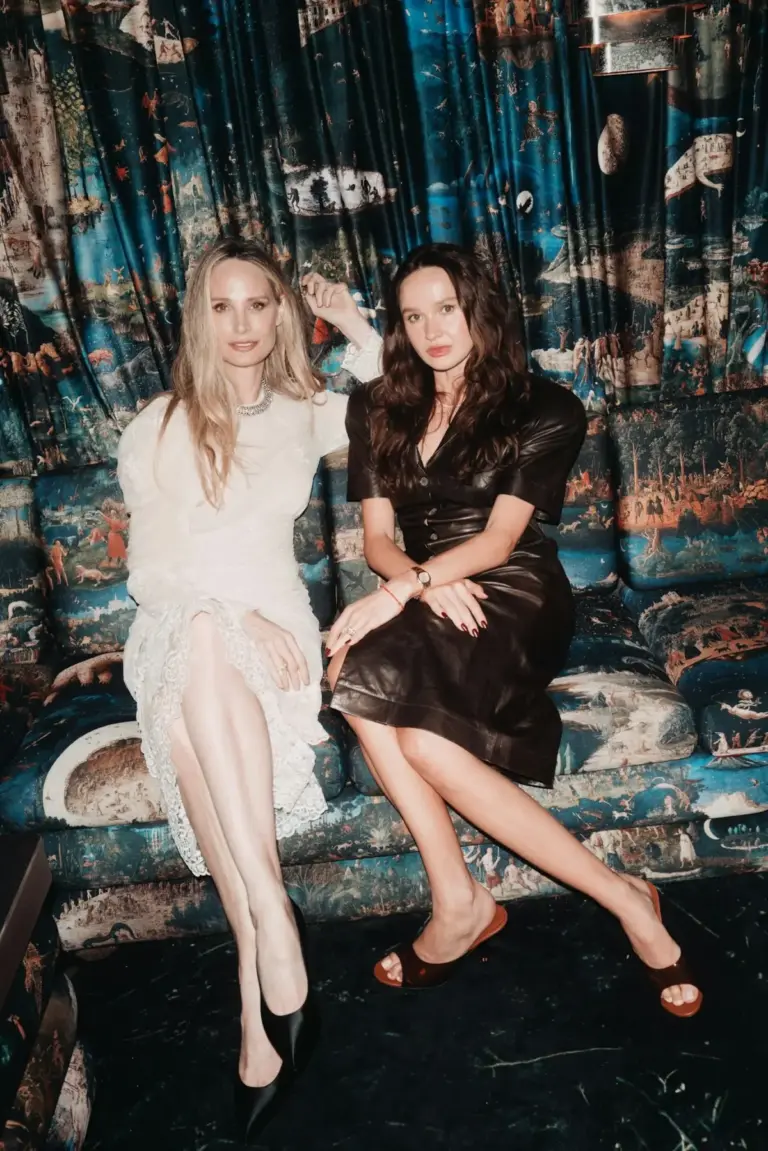
In the heart of Manhattan, where the electric pulse of the city after dark converges with timeless sophistication, Montblanc recently played host to what can only be described as New York’s chicest centenary celebration. Tucked away inside the exclusive Crane Club, the luxury house marked a monumental milestone: 100 years of leather goods craftsmanship. This wasn’t merely a retrospective glance at a century of manufacturing fine accessories; it was a vibrant, living collision between historical heritage and the vanguard of contemporary culture.
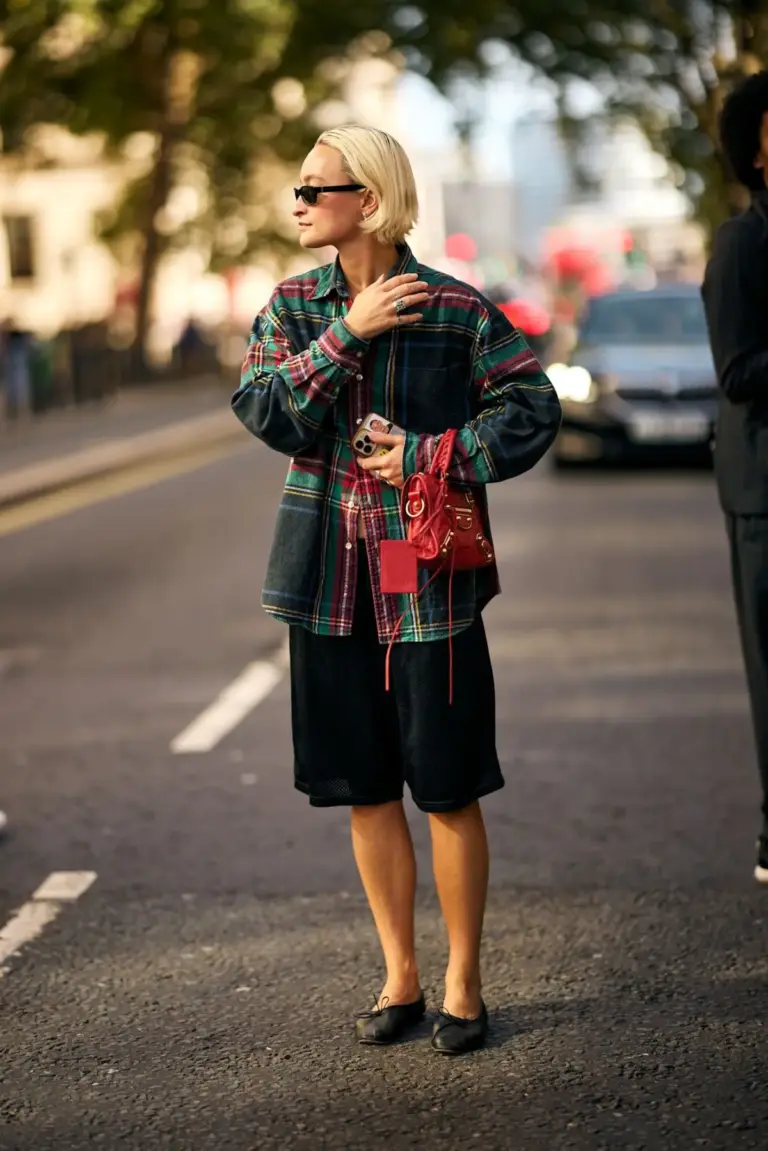
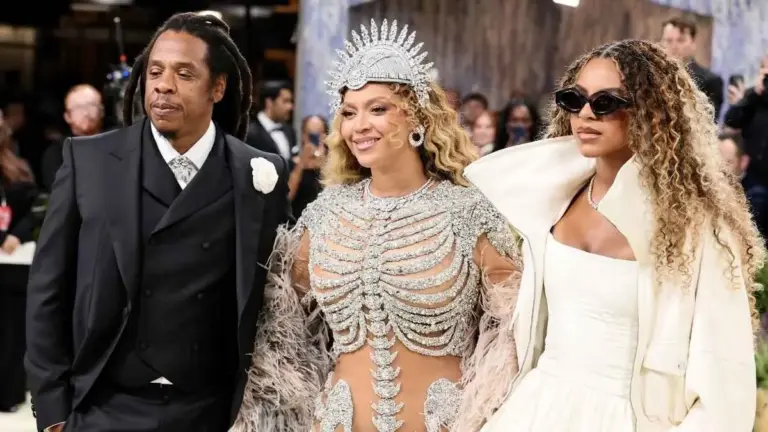
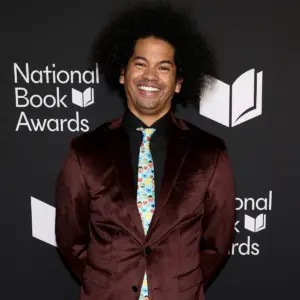
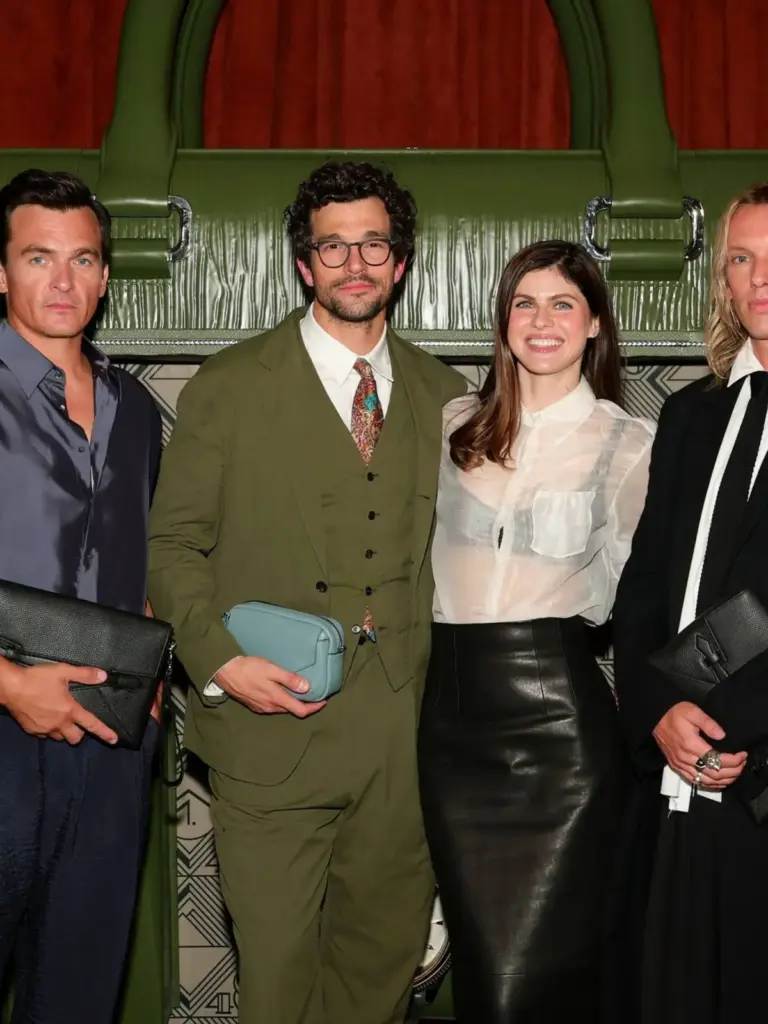
The guest list read like a global roster of the creative elite, drawing actors, visionary directors, celebrated designers, high-fashion models, and cultural tastemakers. Icons such as Alexandra Daddario, Princess Marie-Olympia of Greece, and Paul Anthony Kelly mingled effortlessly under the atmospheric lighting of the venue, while legendary DJ Honey Dijon supplied an inimitable soundtrack that infused the historic milestone with an unmistakable New York heartbeat.
Yet, beneath the glittering lights and high-fashion ensembles lay a profound philosophical statement. At a time when human communication is increasingly mediated by glass screens and fleeting digital pings, Montblanc’s milestone celebration doubled as a passionate defense of the tangible. From towering installations inspired by the iconic Writing Traveler briefcase to interactive stations inviting guests to physically write and mail analog postcards, the evening served as an immersive reminder of the value inherent in objects meant to be touched, carried, and lived with.
As Montblanc CEO Giorgio Sarné eloquently noted during the festivities, the brand’s enduring legacy is rooted in the simple, yet revolutionary, act of making a mark on the physical world. This comprehensive report explores the anatomy of Montblanc’s centennial celebration, tracing its journey from its origins in 1926 to its modern-day resonance, examining the philosophy of tactile luxury in a digital age, and forecasting how a brand built on permanence plans to navigate an ever-accelerating future.
Detailed Chronology: A Night at the Crane Club
To understand the magnitude of Montblanc’s centenary event, one must step inside the meticulous curation of the Crane Club on the night of the celebration. The evening was structured not merely as a cocktail party, but as an experiential journey through a century of design and human expression.
The Arrival and Spatial Metaphors
As attendees stepped off the bustling New York pavement, they were immediately enveloped in an atmosphere that balanced intimacy with grandeur. The spatial design of the venue was anchored by a towering, masterfully crafted art installation inspired by Montblanc’s legendary Writing Traveler briefcase. This architectural centerpiece served as a visual anchor for the evening, reminding every guest of the brand’s deep-rooted connection to travel, exploration, and the transportation of personal ideas across the globe.
The curation of the space encouraged movement and tactile engagement rather than passive observation. Guests were invited to interact directly with the brand’s heritage through dedicated experiential zones.
Interactive Analog Stations
Among the most popular activations of the evening were the personalization and correspondence stations.
- The Leather Atelier: Guests had the opportunity to personalize small leather goods on-site, witnessing firsthand the precision and personalization that has defined Montblanc’s workshops for decades.
- The Postcard Pavilion: In an era defined by instantaneous messaging and digital noise, Montblanc set up a dedicated station where attendees could physically write postcards by hand and drop them into an authentic mail drop. This deliberate nod to traditional correspondence sparked conversations among guests about the lost art of the handwritten letter.
The Soundtrack of the City
As the night progressed, the atmosphere shifted seamlessly from sophisticated cocktail hour to a high-energy celebration of modern urban culture. Legendary DJ Honey Dijon took to the decks, delivering a masterclass in set curation that bridged the gap between timeless elegance and underground club culture. Her performance provided the quintessential New York pulse, honoring the city’s status as a perpetual crucible of reinvention while anchoring Montblanc’s European heritage in the raw, creative energy of Manhattan.
A Convergence of Global Creativity
The evening’s success was amplified by an eclectic, international guest list that reflected Montblanc’s broad cultural footprint. Alongside Daddario and Princess Marie-Olympia, the venue played host to actor Will Peltz, visionary director Roman Coppola, designer Waris Ahluwalia, and model Kenya Kinski-Jones.
They were joined by an influential contingent of global brand ambassadors, including Rupert Friend, Seo Kangjun, Kerem Bürsin, and Alfonso Herrera. This gathering of multidisciplinary talents underscored a fundamental truth: while Montblanc is historically celebrated for its master craftsmanship, its creations—from fountain pens to leather portfolios—have long served as the indispensable tools of choice for those who conceptualize, build, write, and create.
Supporting Context & Metrics: A Century of Leather and Legacy
To fully appreciate the significance of the Crane Club celebration, one must trace the historical arc that brought Montblanc to this juncture. While the maison is universally renowned for its iconic Meisterstück fountain pens—symbols of diplomatic treaties and literary masterpieces alike—its journey into the world of leather goods is a rich, century-long narrative of diversification and uncompromising quality.
Tracing the Origins: 1926 and Beyond
Montblanc’s foray into leather craftsmanship officially began in 1926, establishing a parallel pillar to its legendary writing instruments. Recognizing that the tools of the writer, traveler, and professional required a fitting sanctuary, the maison applied the same rigorous standards of German engineering and artisanal mastery to hides and skins that it applied to precious resins and nibs.
Over the subsequent decades, Montblanc’s leather goods evolved from functional utility items into coveted status symbols of professional mobility. From sleek briefcases and archival portfolios to contemporary backpacks and small leather accessories, every piece was designed with a specific philosophy: to age with the owner, accumulating patina and telling the visual story of a life well-traveled and well-lived.
The Anatomy of Modern Luxury Consumption
The timing of Montblanc’s centennial celebration coincides with a fascinating shift in global consumer psychology. According to recent market analysis within the luxury goods sector, consumers are increasingly pivoting away from fast-trend accessories toward heritage investments and items with tangible narrative value.
- The Rise of Tactile Fatigue: As remote work, digital communication, and virtual spaces dominate daily life, consumers are experiencing a psychological phenomenon known as "digital fatigue."
- The Investment in Permanence: Market metrics indicate a surge in demand for enduring, artisanal goods. Items crafted from full-grain leather, designed to withstand decades of daily use, are outperforming transient fashion accessories.
- The Personalization Economy: Modern consumers—particularly Millennials and Gen Z—place a high premium on bespoke experiences. Montblanc’s integration of on-site leather personalization at its centennial event directly aligns with this multi-billion-dollar shift toward individualized luxury.
Cultural Integration: Tools for the Creative Class
Montblanc has long understood that its products do not exist in a vacuum; they are catalysts for human creativity. Historically, the brand’s writing instruments and leather folios have been found in the pockets, bags, and desks of history-shaping figures:
- Authors and Playwrights: Drafting manuscripts on long train journeys.
- Architects and Designers: Sketching blueprints and collection concepts on physical paper.
- Diplomats and Executives: Signing historic documents and closing international ventures.
By gathering actors, directors, designers, and musicians in New York, Montblanc did not just host a party; it celebrated its ongoing partnership with the global creative class, reinforcing its position as an enabler of human expression.
Official Statements: The Philosophy of the Tangible
At the core of the centennial celebration was a deeply articulated philosophy regarding the role of physical objects in a rapidly digitizing world. In exclusive commentary and public addresses during the event, leadership framed the anniversary not as a look backward, but as a manifesto for the future.
Giorgio Sarné on the Imperative of the Human Touch
Montblanc CEO Giorgio Sarné captured the emotional and intellectual essence of the milestone during his reflections on the evening:
"For a hundred years, Montblanc leather has lived for one purpose: to celebrate the act of writing," Sarné explained to the gathered tastemakers and media representatives.
"As the world becomes more digital, the beauty of the tangible has never felt more essential. The touch of fine leather, the weight of a fountain pen, writing on a piece of paper — these are gestures that bring us back to what is human."
This sentiment resonated deeply throughout the venue. In an era where human interaction is increasingly filtered through algorithms, glass interfaces, and cloud storage, Sarné’s words served as a timely reminder that physical artifacts anchor us to reality. A handwritten letter on heavy stock paper, carried in a vegetable-tanned leather portfolio, is no longer just a method of communication or storage; it is a deliberate act of mindfulness.
The Intersection of Heritage and Modernity
Elaborating on the brand’s strategic vision, executive stakeholders emphasized that honoring a 100-year legacy does not mean resisting innovation; rather, it means utilizing heritage as a compass for modern relevance.
The integration of modern cultural figures—such as Honey Dijon, whose electronic music pulses through cutting-edge sound systems, alongside traditional leather artisans—demonstrates Montblanc’s ability to bridge generational divides. The brand’s message is clear: true luxury is timeless because it adapts to the cultural zeitgeist without ever compromising its foundational integrity.
Future Outlook: Navigating the Next Century
As the lights at the Crane Club faded and New York’s elite dispersed into the autumn night, the broader implications of Montblanc’s centenary began to crystallize. What does the next hundred years look like for a maison built on the principles of analog permanence in a world hurtling toward hyper-digitization?
1. Sustainability and Conscious Craftsmanship
As consumer expectations evolve, the future of luxury leather goods is inextricably linked to ethical sourcing, sustainability, and longevity. Montblanc’s century-long commitment to durability is, by its very nature, an antidote to the disposable "fast fashion" cycle. Moving forward, the house is positioned to double down on transparent supply chains, ethically sourced hides, and repairable designs that ensure a product purchased today can be passed down to the next generation. The emphasis on items that "live with you" transforms leather goods from consumer commodities into generational heirlooms.
2. The Analog Renaissance
Far from being rendered obsolete by tablets, laptops, and artificial intelligence, analog tools are experiencing a quiet cultural renaissance. Psychologists and productivity experts increasingly advocate for "analog breaks"—periods during which individuals disconnect from screens to write by hand, stimulating cognitive depth and emotional well-being. Montblanc’s focus on the tactile experience of writing and carrying positions the brand at the vanguard of this wellness-driven cultural shift.
3. Deepening Cultural Collaborations
If the New York centennial proved anything, it is that Montblanc’s resonance within the global creative community remains remarkably potent. Future trajectories will likely see the brand expand its partnerships with contemporary artists, visionary directors, and forward-thinking designers. By continuing to serve as the silent partner to the world’s creators—providing the folios that hold their scripts and the pens that draft their masterpieces—Montblanc ensures its ongoing relevance in shaping global culture.
Conclusion: A Legacy Set in Leather and Ink
In a city as dynamic and relentlessly forward-looking as New York, where buildings are constantly demolished to make way for the new and digital trends mutate overnight, Montblanc’s 100th-anniversary celebration offered a profound counter-narrative.
Through masterclass curation, an eclectic gathering of cultural icons, and a steadfast commitment to the philosophy of the tangible, the maison proved that true craftsmanship does not age—it deepens. As Montblanc steps across the threshold of its second century, it carries with it a message that is more urgent than ever: in a world of endless screens and ephemeral data, the most radical thing you can do is hold onto something real.
Photography courtesy of Tyrell Hampton and Getty Images.