Executive Overview
As the calendar turns and the relentless demands of peak summer give way to the brisk, grounding realities of late autumn, a distinct cultural and culinary phenomenon emerges. While fashion editors and lifestyle curators endlessly debate the mechanics of the transitional wardrobe—trading linen trousers for structured wools and lightweight trench coats—hosts across the country face an equally vexing seasonal dilemma: the cocktail void.
This narrow temporal corridor, existing somewhere between the sun-drenched final gasps of spritz season and the heavy, decadent indulgence of pre-Christmas festivities, presents a formidable challenge to contemporary entertaining. It is too early for the nostalgic, warming embrace of eggnog and festive spiced syrups, yet far too late for the crisp, botanical refreshers that defined July garden parties. Furthermore, the commercial juggernaut of Halloween introduces a brief window where cocktail menus risk becoming overly saturated with novelty, synthetic-tasting neon concoctions and overly dramatic dry-ice theatrics.
To bridge this perplexing gap, modern hosts require a beverage that respects the shifting palate. As the evenings grow darker and the ambient temperature drops, our cravings naturally evolve toward flavors that offer depth, warmth, and resonance, without immediately plunging into the heavy, winter-bound profiles dominated by creams and dark spirits.
Through consultations with top lifestyle editors, culinary experts, and mixology professionals, a definitive seasonal consensus has materialized: cherry is the undisputed flavor of this transitional period. Striking a delicate balance between rich fruitfulness and vibrant acidity, cherry bridges the gap between summer’s bright yields and winter’s hearty reserves. This comprehensive report explores the psychology of seasonal entertaining, analyzes the logistical hurdles of the autumn cocktail gap, details the definitive recipe for the season’s quintessential drink, and provides an authoritative forward-looking perspective on how modern mixology is adapting to the rhythm of the modern calendar.
Detailed Chronology: The Evolution of the Seasonal Entertaining Calendar
To understand the acute modern anxiety surrounding the transitional cocktail, one must first examine how the Western culinary and social calendar has shifted over the past two decades. Entertaining has transformed from an intuitive, locally driven practice into a highly curated, media-fueled lifestyle discipline.
Phase 1: The High-Summer Apex (June–August)
For decades, the summer entertaining window has been defined by speed, simplicity, and hydration. Characterized by high-volume, low-effort beverages such as the Aperol Spritz, classic gin and tonics, and Pimm’s cups, this period prioritizes ice retention, carbonation, and low ABV (alcohol by volume) options that can withstand extended outdoor exposure. Palates during these months lean heavily toward citrus, botanical freshness, and high dilution.
Phase 2: The Transition and the Void (September–October)
As September unfolds, a psychological shift occurs. The return to institutional schedules, the closing of the academic and corporate quarters, and the visual transformation of nature from vibrant green to russet and gold demand a sensory adjustment. However, the hospitality industry has historically struggled to market this window.
- Early September: Hosts attempt to milk the last of the summer produce (peaches, berries, crisp whites), which increasingly feels out of step with the dropping barometer.
- Late September to Mid-October: The ultimate void. Summer staples feel jarringly cold and out of season, yet winter holiday marketing has not yet desensitized the public to cinnamon, clove, and rich dairy bases.
- Late October: The brief, highly commercialized spike of Halloween-themed gatherings, which often encourages novelty over culinary integrity, leaving serious home cooks and dinner party hosts uninspired.
Phase 3: The Festive Threshold (November–December)
Beginning abruptly in mid-November, the pendulum swings violently toward winter indulgence. The market is flooded with heavy liqueurs, spiced brandies, mulled wines, and dessert-style cocktails featuring cream and chocolate bases.
It is within Phase 2—specifically the treacherous stretch between late September and the onset of holiday party saturation—that the modern dinner party host finds themselves adrift. The search for a sophisticated, seasonally attuned beverage that acknowledges the changing leaves without surrendering to winter heaviness has become the holy grail of contemporary autumn hosting.
Supporting Context & Metrics: The Rise of Cherry as Autumn’s Definitive Flavor Profile
When the lifestyle editorial team at Stylist surveyed internal staff regarding their go-to hosting strategies for the autumnal shoulder season, a singular culinary thread emerged: the dominance of cherry.
[Summer: Spritzes / Citrus / High Dilution]
       │
       ▼  (The Transitional Void: Sept - Oct)
[Cherry: Balanced Depth / Vibrant Acidity / Rich Hues]
       │
       ▼
[Winter: Creams / Spices / Heavy Liqueurs]
Sensory Architecture of the Autumn Palate
Why cherry? From a sensory perspective, cherry occupies a unique intersection in the flavor wheel.
- Visual Resonance: As daylight hours wane, table aesthetics shift from sun-bleached pastels and bright whites to jewel tones—burgundies, deep ambers, forest greens, and rich mahoganies. Cherry syrup and liqueurs infuse a cocktail with an immediate, jewel-like depth of color that photographs exceptionally well and sets an intimate, sophisticated mood for candlelit dinner parties.
- Flavor Complexity: Unlike summer berries, which are celebrated for their tart, fleeting brightness, cherries carry an inherent stone-fruit warmth. They offer a natural sweetness backed by subtle tannins and almond-like pit notes (benzaldehyde), which harmonize effortlessly with the botanicals found in premium gins and complex aperitifs.
- Weight and Mouthfeel: Cherries provide a richer profile than a standard citrus wedge or a cucumber ribbon, yet they lack the oppressive density of winter chocolate or cream modifiers. This makes them ideal for the transitional palate, which craves substance without sluggishness.
Modern Mixology Trends: Sustainability and Texture
The resurgence of cherry in high-end home mixology coincides with broader industry trends toward elevated mouthfeel and ethical ingredient sourcing. Modern consumers are increasingly moving away from traditional egg-white-based foams—not only due to allergen concerns and raw-ingredient safety apprehensions at home, but also because of the rise of veganism and plant-based hosting.
Consequently, the integration of advanced botanical foamers (such as Ms. Better’s Miraculous Foamer or proprietary quillaja extract-based alternatives) has democratized professional-grade cocktail texture. Home hosts can now achieve a velvety, persistent head on a shaken cocktail that rivals the finest metropolitan hotel bars, adding a tactile dimension to the drinking experience that feels comforting and luxurious as the weather turns cool.
Official Guidelines: Crafting the Ultimate Transitional Autumn Cocktail
To solve the autumnal entertaining dilemma once and for all, industry professionals have standardized a recipe that captures the essence of the season. Elegantly balanced, visually striking, and remarkably accessible, this drink serves as the definitive blueprint for autumn soirees.
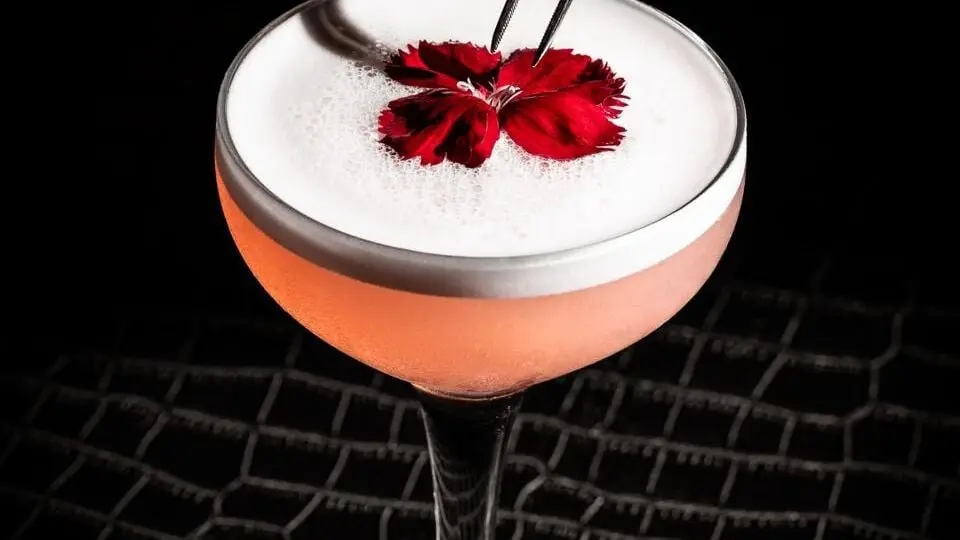
The Transitional Cherry Botanica
- Prep time: 3 minutes
- Yield: 1 serving
- Profile: Citrus-forward, subtly botanical, silky-smooth, and fruit-anchored.
Ingredients
- Gin: 50ml (opt for a dry, botanical-heavy London Dry or an autumnal pine-forward craft gin)
- Savoia Orancio: 25ml (providing a sophisticated bitter-orange and citrus backbone)
- Fresh Lemon Juice: 15ml (freshly squeezed to cut through the sweetness and elevate the aromatic compounds)
- Cherry Blossom Syrup: 15ml (delivering the signature seasonal fruit profile with floral undertones)
- Botanical Foamer: 3–4 drops (such as Ms. Better’s Miraculous Foamer or equivalent vegan foaming agent)
- Garnish: 1 delicate Zallotti flower (or an edible blossom of choice)
Step-by-Step Method
- Preparation of the Vessel: Place a clean coupette glass in the refrigerator or freezer for at least 10 minutes prior to serving to ensure optimal thermal retention.
- Ice Integration: Fill a professional cocktail shaker generously with fresh, high-density ice cubes. Ensure the shaker is chilled to the touch.
- The Pour: Measure and pour the gin, Savoia Orancio, fresh lemon juice, cherry blossom syrup, and botanical foamer directly into the shaker.
- The Vigorous Shake: Seal the shaker securely and shake with maximum velocity and intent for 12 to 15 seconds. This is a critical step: it ensures proper chilling, necessary dilution, and activates the botanical foamer to build a dense, velvety micro-foam.
- Double Straining: Using a Hawthorne strainer paired with a fine mesh sieve, double strain the liquid directly into your chilled coupette glass. This removes any ice shards and guarantees an immaculate, silky pour.
- The Finishing Touch: Gently place a single Zallotti flower upon the delicate foam head. Serve immediately to guests.
Future Outlook: The Evolution of Seasonal Hospitality
As we look toward the future of home entertaining and the broader beverage industry, the lessons learned from navigating the "transitional cocktail void" point toward a more nuanced, flexible approach to hospitality.
1. The Micro-Seasonal Menu
Gone are the days of rigid, biannual menu rollovers (Spring/Summer vs. Autumn/Winter). Forward-thinking hosts and mixologists are increasingly adopting a "micro-seasonal" framework. By recognizing that consumer cravings shift in four-to-six-week increments rather than quarterly blocks, venues and home entertainers alike can curate hyper-relevant experiences. Expect to see ingredient rotations that respond directly to the agricultural calendar—highlighting late-harvest stone fruits in September, heritage apples and pears in October, and root vegetables and warming spices in November.
2. The Rise of Functional and Inclusive Mixology
The demand for high-end, inclusive entertaining options will continue to accelerate. The widespread adoption of vegan foamers, low-ABV modifiers like Savoia Orancio, and complex non-alcoholic distillates proves that modern guests no longer view alternative drinks as an afterthought. Future autumn cocktails will increasingly prioritize wellness-adjacent ingredients—such as adaptogenic mushrooms, floral waters, and botanical bitters—that offer the psychological comfort of a rich drink without the physical toll of heavy alcohols.
3. Sustainability and Zero-Waste Hosting
As climate awareness reshapes consumer habits, the cocktail ingredient of the future must be sustainable. Utilizing every part of the seasonal produce—turning leftover cherry pits into rich, almond-scented orgeats or infusing citrus peels into house-made cordials—will move from a niche professional practice to an expected standard of modern hosting etiquette.
Conclusion
The transitional period between summer and winter no longer needs to be a culinary wasteland of indecision. By leaning into the rich, nuanced, and visually stunning profile of cherry, and pairing it with modern mixology techniques like botanical foamers and complex aperitifs, hosts can elevate their autumn dinner parties with confidence. The cocktail void has officially been filled—proving that with a little creativity, the in-between seasons are often the most rewarding of all.