Executive Overview
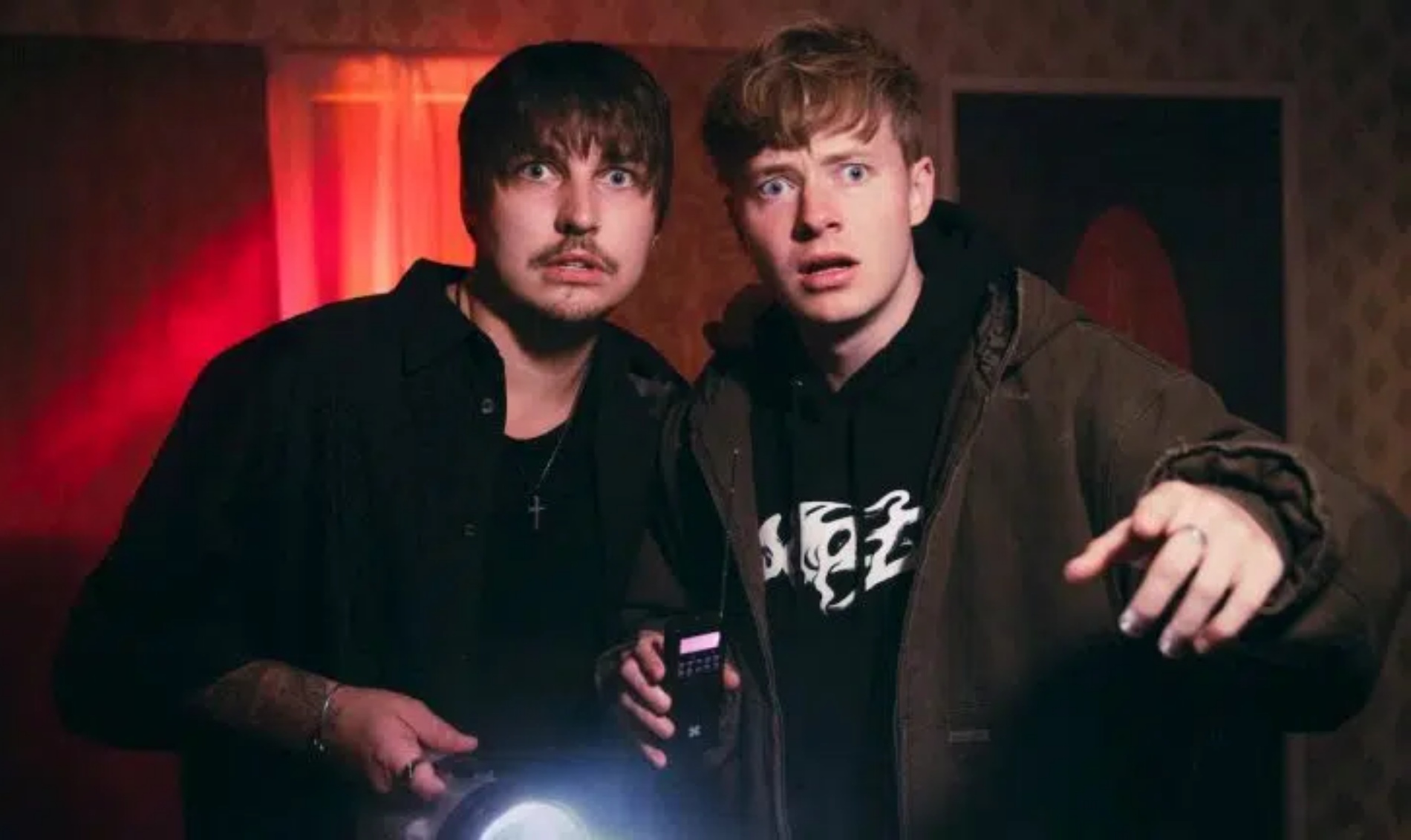
In what may well be viewed as a watershed moment for the digital media ecosystem, the boundaries separating traditional subscription streaming giants from open video platforms are blurring faster than ever. Sam Goldbach and Colby Brock—the globe-trotting paranormal investigators globally recognized simply as Sam and Colby—have officially inked a landmark distribution agreement with Netflix.
Set to debut in October 2026, this strategic alliance brings "Hell Week," the duo’s cinematic, high-production-value annual horror event, directly into the living rooms of Netflix’s hundreds of millions of subscribers. For years, Sam and Colby have reigned supreme as YouTube’s premier explorers of the macabre, turning abandoned insane asylums, desolate ghost towns, and haunted historical sites into masterclasses in audience engagement. Their signature October event consistently pulls in tens of millions of views, transforming independent digital creators into bona fide multimedia moguls.
This partnership, however, is far more than a simple content licensing deal. It represents a major escalation in the high-stakes corporate tug-of-war between Netflix—spearheaded by Co-CEO Ted Sarandos’ aggressive push into creator-led programming—and YouTube, which is fighting tooth and nail to retain its foundational talent. While platforms like YouTube have reportedly deployed aggressive seven-figure defensive strategies to keep creators exclusive to their ecosystems, Netflix’s expanding roster of digital-first talent proves that the streaming titan is fully committed to rewriting the rules of modern entertainment distribution.
Crucially, this is not an exclusive arrangement. In a move designed to calm their core fanbase, Sam and Colby have confirmed that their foundational YouTube channel remains entirely untouched. Nevertheless, the implications of this crossover are profound. As creators increasingly adopt a multi-platform paradigm, the traditional hierarchy of Hollywood versus the internet is collapsing, leaving media analysts to wonder: Is YouTube ready for the streaming era’s next great talent migration?
Detailed Chronology: From Vine Roots to Cinematic Streaming Giants
To fully appreciate the gravity of Sam and Colby’s move to Netflix, one must trace the meticulous, upward trajectory of two creators who have constantly outpaced the shifting sands of internet algorithms.
The Genesis and Early Expansion (2014–2019)
Sam Goldbach and Colby Brock first entered the public consciousness during the dying days of Vine, where their comedic short-form content amassed a devoted following of millions. However, unlike many of their contemporaries who struggled to pivot when the platform shuttered, Sam and Colby successfully engineered a reinvention. They transitioned to long-form YouTube content, ultimately pivoting toward high-concept paranormal exploration.
By October 2019, the conceptual blueprint for Hell Week was locked in. Moving away from standard, low-effort ghost-hunting vlogs, the duo began treating the Halloween season as an opportunity to release multi-part, serialized documentary features. Their 2019 four-part UK docuseries proved that their audience had an insatiable appetite for long-form, atmospheric storytelling rooted in real-world history and alleged supernatural phenomena.
Scaling Up Production and Theatrical Runs (2022–2024)
As their viewership climbed into the tens of millions per project, Sam and Colby continuously escalated their output and ambition. In 2022, they pushed the boundaries of digital release schedules by dropping an unprecedented seven feature-length documentaries in just 14 days.
The momentum did not stop online. Recognizing the communal, event-driven nature of their Halloween content, the duo forged a theatrical partnership with Cinemark in 2023. This experiment in out-of-home viewing proved to be a resounding commercial success, paving the way for an even more expansive run in October 2024. During that spooky season, approximately 350 Cinemark theaters across the United States lit up screens with Sam and Colby content, proving that digital-first creators could successfully command physical box-office real estate.
The Netflix Horizon (2026)
Following years of dominating both the digital space and the silver screen, the inevitable next step for the brand was a major subscription video-on-demand (SVOD) platform. Entering into 2026, Netflix’s ongoing courtship of top-tier YouTube talent found its ideal match in Sam and Colby. Slated to drop at the absolute peak of the spooky season in October 2026, a curated collection of the duo’s most iconic paranormal episodes will officially join the Netflix library, signaling a new chapter in how high-end creator content is consumed on a global scale.
Supporting Context & Metrics: The Economics of Fear
The financial and cultural footprint of Sam and Colby extends far beyond a few viral spooky videos. Their brand represents a masterclass in modern digital monetization, blending organic audience loyalty with top-tier brand partnerships.
Industry Metrics and Brand Dominance
Even outside of their tentpole October releases, Sam and Colby consistently rank among the most powerful commercial players in the creator economy. They routinely produce some of the highest-performing branded and sponsored content on YouTube, regularly securing top spots on industry leaderboards alongside creators like Drew Dirksen and channels like The Why Files.
Their videos operate on budgets and production values that rival traditional cable television networks. By utilizing high-end cinema cameras, professional sound design, and rigorous historical research, they transformed the "ghost hunting" genre from amateur handheld footage into prestige documentary-style entertainment.
Netflix’s Creator Strategy and the YouTube Counter-Offensive
Netflix’s interest in Sam and Colby is part of a much broader, highly calculated corporate strategy. Under the leadership of Ted Sarandos, the streaming service has been systematically dismantling the wall between traditional Hollywood and the digital creator space. Recent months have seen Netflix snap up high-profile YouTube and digital properties, including popular digital gaming outlets like The Besties and massive global networks like ChuChu TV.
Naturally, this aggressive poaching has sparked a fierce turf war. Industry reports indicate that YouTube has attempted to build a protective moat around its top creators by offering lucrative seven-figure compensation packages explicitly designed to deter them from signing deals with streaming competitors like Netflix.
Despite these defensive payouts from Google’s video subsidiary, the allure of Netflix’s global distribution network—and the mainstream legitimacy it confers—has proven too powerful for several top creators to pass up.
Official Statements and Creator Transparency
Whenever a massive digital creator partners with a traditional entertainment giant, the immediate concern among hardcore fans is a loss of authenticity, corporate meddling, or paywalled content. Sam and Colby were acutely aware of these anxieties and moved quickly to reassure their community.
In a transparent and direct Instagram announcement, the duo addressed their audience head-on, confirming that their core distribution model remains entirely unaffected:
"Nothing else is changing… You can still watch wherever you have been, but NOW we get to post to Netflix too."
Unlike many traditional streaming acquisitions that demand exclusive windowing rights—where content disappears from free platforms before landing on a subscription service—Netflix’s deal with Sam and Colby follows a non-exclusive playbook. By opting for a simultaneous, multi-platform approach, the creators have ensured that their international community of "Xplorers" can continue accessing their content for free on YouTube, while simultaneously introducing their library to Netflix’s mainstream subscribers who may have never clicked on a YouTube link in their lives.
This non-exclusive strategy reflects a maturing entertainment landscape where platforms recognize that creators do not want to alienate the native audiences that built them. Instead, it is a symbiotic expansion: YouTube retains its unmatched engagement and comment culture, while Netflix provides passive discovery and prestige packaging.
Future Outlook: What This Means for the Creator Economy
The implications of Sam and Colby’s 2026 Netflix debut stretch far beyond a single duo chasing ghosts in abandoned buildings. It serves as a crystal ball for the future trajectory of digital media.
The Death of the "Platform Silo"
For over a decade, creators were forced to choose their battles. You were either a "YouTuber," a "Twitch Streamer," a "TikToker," or a "Netflix/TV Star." Moving between these worlds was notoriously difficult and fraught with bureaucratic red tape.
Sam and Colby’s non-exclusive Netflix deal accelerates the death of these rigid platform silos. Creators are increasingly operating as independent media companies, licensing their intellectual property to the highest bidder while maintaining direct ownership of their distribution channels.
The Battle for October Viewership
As we approach the final quarter of 2026, the media industry will closely monitor the performance of Sam and Colby’s Netflix rollout. When Netflix releases its comprehensive biannual engagement reports (such as the What We Watched data publications), analysts will finally get hard viewership metrics on how traditional SVOD audiences consume native creator-led documentaries compared to traditional Hollywood horror content.
If the migration of "Hell Week" to Netflix proves successful, it will undoubtedly open the floodgates for other high-production YouTube creators to follow suit. Travel vloggers, educational docuseries creators, and outdoor survivalists could soon find themselves fielding hybrid distribution offers from streaming services eager to capture younger, digitally native demographics.
Conclusion
Sam and Colby started their journey filming short comedic loops on a defunct smartphone app. A decade later, they are reshaping the global streaming landscape, proving that independent creators can build empires on their own terms. Whether you watch them on a glowing laptop screen via YouTube or stream them in 4K on your living room television via Netflix, one thing is certain: Sam and Colby’s ghost-hunting empire is no longer just a digital phenomenon—it is a permanent fixture of modern entertainment.