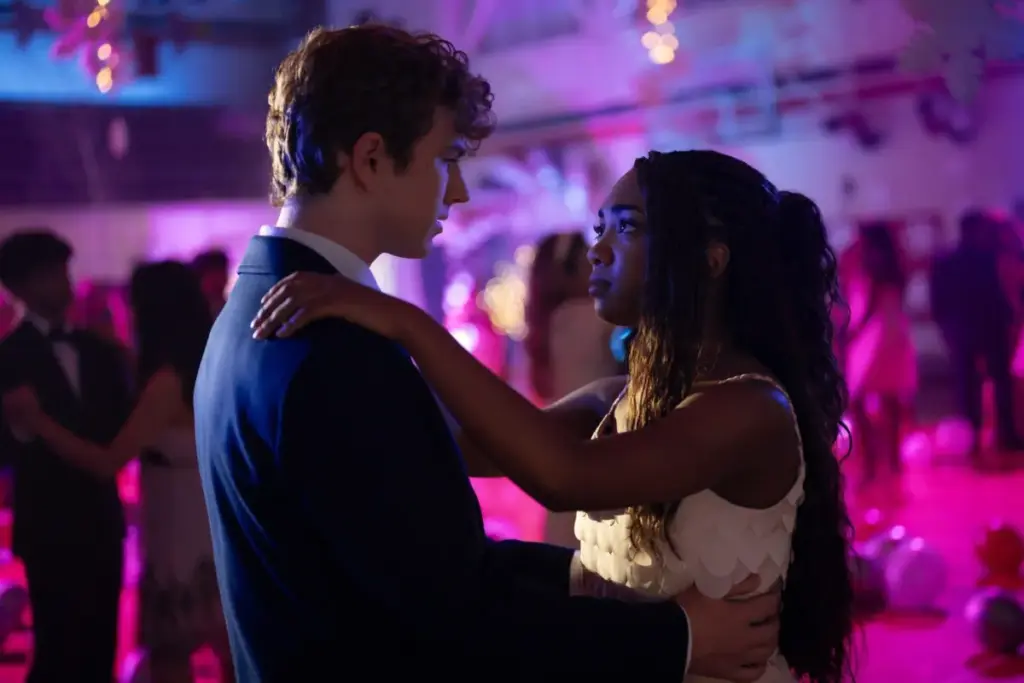
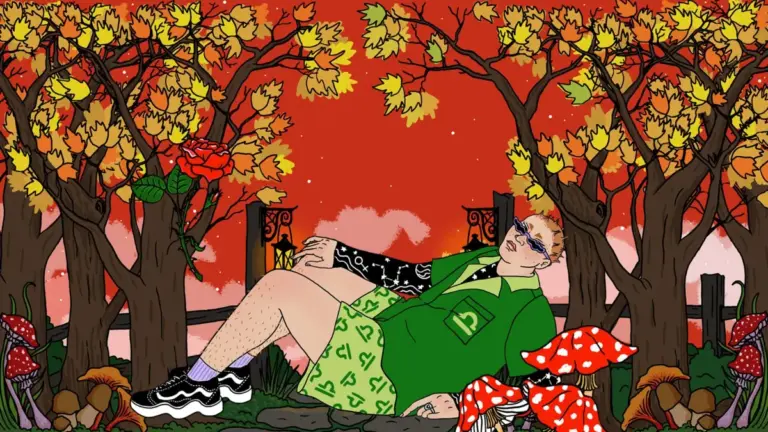
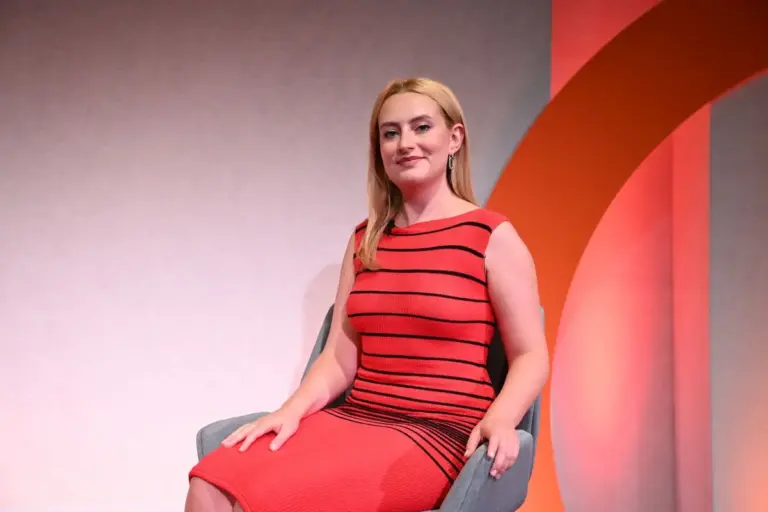
While prom often commands the lion’s share of media attention within the high school milestone cycle, homecoming occupies a uniquely vibrant and culturally significant space in adolescent fashion. As the academic calendar transitions from the initial back-to-school rush into the crisp aesthetics of autumn—just before the theatrical pivot toward Halloween mode—homecoming dominates the social landscape.
Unlike the strict formalwear expectations of prom, homecoming (affectionately known as "Hoco") operates under a semi-formal umbrella. This designation grants students considerably more room for stylistic experimentation, serving as a low-stakes yet high-style runway. It is, in many ways, a sophisticated rehearsal for prom night, allowing wearers to test-drive silhouettes, fabrics, and accessories without the pressure of floor-length ballgowns or full morning suits.
The contemporary homecoming dress market is defined by boundless versatility. Options range from heavily embellished, showstopping minidresses to understated party frocks that can seamlessly transition into a year-round capsule wardrobe. To navigate this expansive landscape, our fashion desk has curated a definitive analysis of the top styles, alongside a curated edit of the 2026 season’s top-performing garments. This report explores the cultural mechanics of homecoming fashion, consumer behavior metrics, prominent designer statements, and the future trajectory of youth formalwear.
Detailed Chronology: The Lifecycle of the Homecoming Season
The journey to the perfect homecoming look is not a hasty purchase; rather, it is a carefully timed cultural ritual that spans the entirety of late summer and early autumn. Understanding the rhythm of this seasonal lifecycle is essential for both consumers and market analysts tracking adolescent spending habits.
Phase 1: Early Ideation and Trend Forecasting (July – August)
Long before the first school bell rings, the psychological preparation for homecoming begins. As students wrap up their summer vacations, digital mood boards on platforms like TikTok and Pinterest begin to saturate with aesthetic markers for the upcoming fall. During this incubation period, micro-trends emerge—ranging from metallic finishes and 1990s minimalist slips to structured corset bodices and nostalgic velvet textures. Retailers synchronize their initial inventory drops to capture early-bird shoppers eager to secure exclusive sizes and rare colorways before the back-to-school frenzy commences.
Phase 2: The Back-to-School Transition and Retail Peak (Early September)
As classrooms fill up, homecoming planning shifts from digital exploration to physical reality. Sports schedules are finalized, court nominations are announced, and ticket sales go live. This fortnight represents the peak velocity of the retail season. Shopping habits split into two distinct consumer profiles: those seeking a singular, unforgettable statement piece for the dance floor, and the pragmatic dresser hunting for a versatile silhouette that offers long-term utility beyond a single evening.
Phase 3: Accessorizing and Final Styling (Mid-September)
With the dresses secured, attention pivots entirely to complementary elements. The semi-formal dress code of homecoming allows for bold accessorizing that might otherwise overwhelm a floor-length prom gown. Chunky platform heels, statement earrings, metallic mini bags, and layered gemstone jewelry take center stage. Beauty experimentation—including specialized hair styling, autumnal makeup palettes, and custom manicures—solidifies the total aesthetic package.
Phase 4: The Main Event and Post-Dance Reflection (Late September – October)
The culmination of the cycle is the weekend itself. From Friday night football games to the Saturday evening dance, homecoming acts as a high-visibility social showcase. Immediately following the event, digital culture takes over. Instagram feeds and TikTok "get ready with me" (GRWM) videos archive the night, providing invaluable data for fashion analysts regarding which brands, silhouettes, and color palettes dominated the cultural zeitgeist. Once the dust settles, attention shifts seamlessly toward the next seasonal checkpoint: Halloween.
Supporting Context & Metrics: The Economics and Aesthetics of Hoco ’26
To contextualize the current market, one must examine the quantitative and qualitative shifts driving youth consumer behavior in 2026. Homecoming is no longer merely a high school dance; it is a multi-million-dollar retail event influenced by fast-fashion agility, sustainable consumerism, and digital-first marketing.
Market Demographics and Consumer Preferences
Data compiled from major adolescent retail platforms indicates a distinct polarization in homecoming spending. Approximately 45% of consumers prioritize high-impact, statement-making pieces with heavy visual textures—chiefly sequins, metallics, and complex beading. Conversely, 55% of buyers lean toward sustainable versatility, opting for silhouettes that can be re-worn for holiday parties, graduation events, or casual weekend outings.
Product Category
Featured Brand & Model
Price Point
Primary Design Appeal
Target Aesthetic
Most Sparkly
BP. Strapless Sequin Minidress
$60
High-density sequins, strapless cut
High-impact dance floor glamour
Most Versatile
Dôen Quinn Dress
$278
Fluid drapery, artisanal craftsmanship
Day-to-night transitional chic
Best Reference
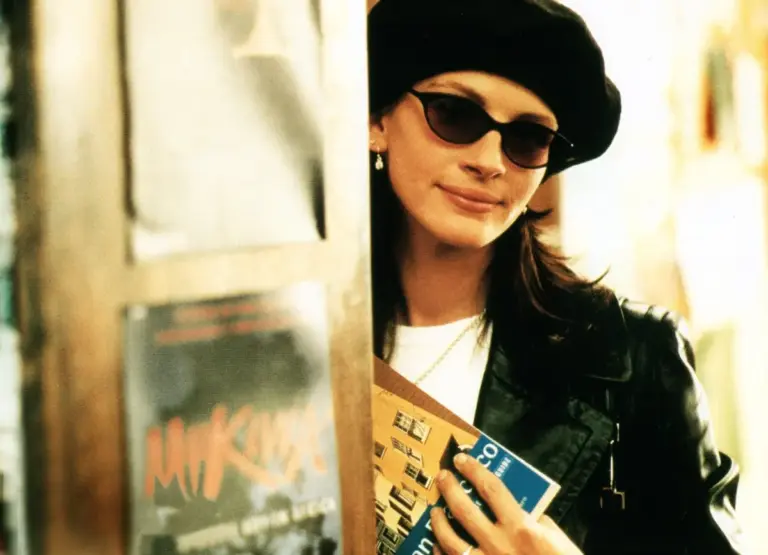
Reformation Jillian Silk Dress
$378
Premium silk-charmeuse, 90s bias cut
Timeless minimalist elegance
The Rise of Conscious Utility
The inclusion of premium contemporary pieces—such as the Dôen Quinn Dress ($278) and the Reformation Jillian Silk Dress ($378)—reflects a broader generational shift toward thoughtful consumption. Gen Z and younger demographic cohorts increasingly reject single-use fashion items. A silk slip dress or a classic black dress purchased for homecoming is viewed as an investment in a foundational wardrobe staple.
Simultaneously, accessible options like the BP. Strapless Sequin Minidress ($60) cater to the desire for hyper-trend-focused, Instagram-optimized party wear without prohibitive financial barriers. This coexistence of high-end investment pieces and accessible statement wear defines the modern Hoco marketplace.
Official Statements and Industry Perspectives
Leading voices in contemporary fashion design and youth retail have weighed in on the unique design challenges and creative opportunities presented by the homecoming season.
"Homecoming occupies a sweet spot in the fashion calendar. It lacks the rigid architectural demands of a traditional ballgown, giving both designers and wearers the freedom to experiment with proportions, tactile fabrics, and unexpected color palettes. It’s playful, energetic, and deeply personal."
— Elena Vance, Senior Trend Forecaster at Youth Style Institute
Retail executives emphasize the importance of bridging the gap between digital inspiration and tangible wearability.
"When a student shops for homecoming, they aren’t just looking for a piece of clothing; they are looking for a character expression for one of the most memorable weekends of their fall semester. Our goal is to provide a canvas that accommodates everything from ultra-glamorous sequin statements to understated, sophisticated tailoring."
— Marcus Thorne, Head of Merchandising at Collegiate Chic Retailers
Furthermore, sustainability advocates within the fashion space highlight how semi-formal events like homecoming serve as ideal proving grounds for circular fashion models.
"By designing pieces that easily pivot from a high school gymnasium dance floor to a winter dinner party, we respect the consumer’s wallet and the planet’s resources. Versatility is the ultimate form of sustainable design."
— Clara Sterling, Lead Designer for Contemporary Sustainable Collections
Future Outlook: Where Youth Formalwear is Headed
As we look past the 2026 homecoming season and toward the horizon of adolescent fashion, several transformative trends are poised to reshape the industry:
Digital-Physical Hybrid Styling: The integration of augmented reality (AR) fitting rooms and virtual showrooms will increasingly dictate how teens discover and style their homecoming looks, reducing return rates and enhancing personalized styling accuracy.
Material Innovation: Expect a surge in biodegradable sequins, plant-based silks, and lab-grown textile alternatives that deliver high-shine glamour and tactile richness without the environmental degradation traditionally associated with fast-fashion party wear.
Gender-Fluid Tailoring: The traditional boundary between "dresses" and "suits" will continue to dissolve. Tailored two-piece sets, structured blazers worn as dresses, and gender-neutral formal jumpsuits will claim an increasingly large market share.
The Longevity Mandate: Brands that fail to offer multi-occasion utility will struggle to capture market share among increasingly discerning young consumers. The future belongs to garments that tell a story not just for one Saturday night, but across multiple seasons of a wearer’s life.
Ultimately, homecoming remains a vibrant laboratory for personal style. Whether a student opts for the dazzling luminosity of a sequin minidress or the quiet luxury of a bias-cut silk slip, the 2026 season proves that self-expression, creativity, and adaptability are the ultimate hallmarks of modern youth fashion.