Executive Overview
At the 2026 Made on YouTube event, Google’s dominant video platform pulled back the curtain on a staggering statistic that signals a fundamental shift in digital media consumption: microdrama content on YouTube racked up an eye-watering 6.5 billion views in the first half of 2026 alone—a massive 50% surge compared to the same period in 2025.
Even more compelling for the platform’s bottom line is the radical shift in where this content is being consumed. YouTube reported that microdrama views on living room TV screens skyrocketed by more than 90% year-over-year during the first half of 2026. For a platform that has spent the last two consecutive years reigning as the undisputed king of U.S. television screen distribution—consistently outperforming every traditional cable network, broadcast station, and legacy streaming service in total watch hours—this development is both a triumph and a strategic imperative.
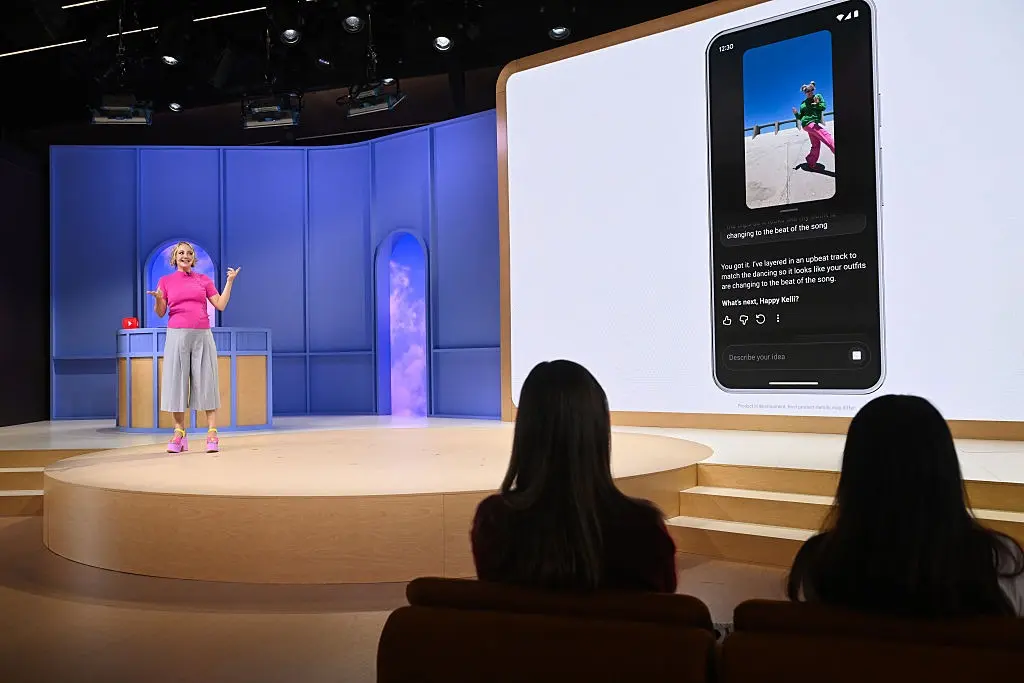
To capitalize on this hyper-growth, YouTube announced the rollout of “Shorts Series,” a brand-new feature designed to let creators organize standalone YouTube Shorts into TV-style chronological seasons. By merging the addictive, high-retention mechanics of microdrama apps like ReelShort and DramaBox with the unmatched reach of living room hardware, YouTube is positioning itself to capture a larger share of both viewer screen-time and lucrative brand advertising budgets.
This deep dive explores the mechanics behind YouTube’s latest play, the cultural phenomenon of microdramas, the shifting dynamics of TV viewing, and why major brands are ditching traditional ad placements in favor of producing serialized vertical fiction.
Detailed Chronology: The Evolution of Serialized Short-Form Media
To understand how the media landscape arrived at the microdrama boom of 2026, it is helpful to trace the evolution of serialized short-form video.
- The Quibi Cautionary Tale (2020): Years before vertical microdramas became a multi-million-dollar industry, Jeffrey Katzenberg’s Quibi attempted to pioneer "quick bites" of premium scripted entertainment designed for mobile breaks. Hampered by high subscription costs, a rigid mobile-only philosophy, and the onset of global lockdowns, Quibi famously collapsed within months. Critics declared the "bite-sized scripted entertainment" concept dead on arrival.
- The Rise of Dedicated Microdrama Apps (2023–2025): Platforms like ReelShort and DramaBox quietly cracked the code that Quibi missed. Instead of high-budget Hollywood productions, they leaned into hyper-dramatic, low-cost, serialized vertical melodramas—replete with aggressive cliffhangers, wealthy CEOs, hidden identities, and betrayed spouses. Monetizing through micro-transactions, ad-walls, and subscription models, these apps rapidly began siphoning mobile engagement hours away from streaming giants like Netflix and Amazon Prime Video.
- YouTube’s Long-Form "Shows" Rollout (August 2025): Recognizing the consumer appetite for bingeable, structured storytelling, YouTube introduced Shows. This feature allowed select creators to organize traditional horizontal uploads into chronological collections of episodes, mimicking the slick UI of major streaming services to seamlessly guide viewers from one video to the next.
- The Bob’s Discount Furniture Case Study (Summer 2025): Demonstrating the commercial viability of branded microseries, Bob’s Discount Furniture launched Till Decor Do Us Part. The serialized campaign generated an astounding 152 million views and $9 million in attributable sales, proving that microdramas could drive real-world commerce.
- The Made on YouTube Event (2026): YouTube officially unveiled Shorts Series for the web, mobile, and living room apps. At the same time, the platform announced that microdrama views had hit 6.5 billion in H1 2026, solidifying serialized vertical video as a core pillar of the modern attention economy.
Supporting Context & Metrics: The Numbers Driving the Microdrama Boom
The pivot toward serialized short-form video is not merely a creative trend; it is a calculated response to hard data regarding consumer behavior, ad density, and viewing hardware.
The Living Room Takeover
YouTube has dominated U.S. television screens for two years, routinely beating competitors for sheer watch hours. However, the nature of TV consumption is evolving. According to YouTube’s internal metrics, microdrama views on TV screens grew by over 90% year-over-year in the first half of 2026.
This flies in the face of conventional wisdom, which historically categorized vertical video (9:16 aspect ratio) as strictly a mobile-first format meant for solitary, on-the-go viewing. The living room screen has fundamentally transformed microdramas into a communal experience.
The Ad Density and ROI Paradox
According to reports from Digiday, microdrama apps are currently running a higher density of ads than applications in any other digital category. Yet, forward-thinking brands are looking past traditional cost-per-impression (CPM) metrics to evaluate success.
- Dentsu’s Perspective: Geneva Wasserman, EVP and Head of Entertainment, IP Strategy, and Financing at marketing firm dentsu, noted that brands evaluate microdrama ad ROI primarily through the lens of organic cultural chatter. A microseries yielding 200,000 direct views alongside $2 million in earned media value is frequently deemed more successful than a campaign generating 500,000 views with zero social engagement.
- The Bob’s Discount Furniture Success: Following the triumph of Till Decor Do Us Part—which yielded 152 million views and $9 million in sales—Chief Marketing Officer Stephen Nesle emphasized that attention and brand affinity are the true indicators of long-term health. The company greenlit a second season to capitalize on this momentum.
Official Statements: Industry Leaders Weigh In
Executives from YouTube and leading marketing agencies have shed light on the psychological and cultural drivers behind the microdrama phenomenon.
YouTube’s Living Room Strategy
Speaking at the Made on YouTube event, Kurt Wilms, YouTube’s Director of Product for the Living Room, admitted that the platform initially hesitated to bring Shorts—let alone serialized playlists—to living rooms. That skepticism vanished when customer research revealed an unexpected use case: communal viewing.
"I spend a lot of time talking to creators and viewers about why they’re using the TV," Wilms said onstage. "The first thing everyone was telling me about Shorts on the TV was there was no good way to watch this content with friends or family. The TV unlocked communal viewing for Shorts in a way that just wasn’t possible before, and I love watching it in my household with my significant other, with my family, and it took off."
Cross-Screen Entertainment
Dina Berrada, YouTube’s Senior Director of Product for Shorts, emphasized that bite-sized content must meet users wherever they are, across multiple devices:
"Overall, we see a lot of success of bite-sized content that can be personalized to your taste. Whether it’s Shorts, microdramas is a big one, and then people seeing it as a place to spend breaks in their day from an entertainment standpoint, and doing that across a bunch of different screens."
The Shift in Brand Metrics
Echoing the shift from passive viewing to active cultural engagement, Geneva Wasserman of dentsu underscored that traditional advertising metrics are failing modern marketers:
"Traditional metrics are misleading. The real north star is: ‘Does the content create cultural credibility that extends beyond the watch?’"
Future Outlook: The Battle for Undivided Attention
As platforms, creators, and Fortune 500 brands converge on serialized short-form video, the implications for the broader entertainment ecosystem are profound.
1. The Blurring Lines Between Creator Content and Prestige TV
With YouTube rolling out Shorts Series to all YouTube Partner Program creators across web, mobile, and living room apps, the barrier to entry for producing serialized fiction has never been lower. Creators are no longer bound by the multi-million-dollar budgets required for traditional streaming shows. Instead, they can weaponize cliffhangers, rapid pacing, and low-cost production to build massive, highly loyal fanbases.
2. A Direct Threat to Legacy Streaming
Independent microdrama apps like ReelShort and DramaBox proved that modern audiences are willing to carve out hours of their day for one- to three-minute episodes. By integrating this exact format into an ecosystem that already commands the living room television, YouTube is directly challenging traditional streaming platforms like Netflix and Amazon Prime Video on their own turf—offering a higher-frequency, lower-friction alternative to the standard 45-minute episode structure.
3. The New Marketing Playbook
As brands increasingly move away from standard 30-second commercial spots in favor of producing fully fledged narrative microseries, the definition of advertising is undergoing a permanent metamorphosis. Success in the modern attention economy will no longer be measured purely by how many eyeballs a brand can buy, but by how effectively a story can spark organic conversations across a fragmented digital landscape.
Ultimately, YouTube’s dual bet on Shows for long-form video and Shorts Series for microdramas demonstrates a clear understanding of contemporary media consumption. In an era defined by shrinking attention spans and infinite content choices, the winners will not be those who demand hours of uninterrupted focus, but those who can master the art of the irresistible cliffhanger—one minute at a time.