Executive Overview
The beauty industry thrives on a paradox: while makeup is celebrated as a vital medium for artistic self-expression, it is simultaneously an aggressive, multi-billion-dollar apparatus designed to manufacture insecurities. Behind every glossy marketing campaign and viral TikTok tutorial lies a calculated strategy to convince consumers they are missing something fundamental. From color-changing sunscreens that leave a grayish cast on deeper skin tones to single-use peel-off lip tints engineered purely for shock value on social media feeds, the market is saturated with overpriced, redundant gimmicks.
To separate marketing hype from functional utility, we consulted leading professional makeup artists and beauty experts—including Saffron Hughes, Scarlett Burton, Rose Gallagher, and Mira Parmar. Their verdict is clear: many of the industry’s most hyped products not only drain your wallet, but they can actively compromise your skin’s health, alter your natural complexion undesirably, or simply fail to perform better than household alternatives you likely already own.
This investigative report examines the economics of beauty trends, dissects seven specific viral product categories that fail professional standards, and provides expert-approved alternatives that maximize both your budget and your cosmetic results.
Detailed Chronology: The Rise of Algorithmic Beauty and Disposable Trends
To understand how redundant products flood our bathroom counters, we must first trace the evolution of beauty consumption over the past decade.
- Pre-2015 (The Traditional Era): The beauty market relied heavily on legacy print media, department store counter consultations, and television advertisements. Product development cycles were slow, deliberate, and focused on core staples like classic foundations, standard mascaras, and traditional powders.
- 2015–2020 (The Instagram & Guru Boom): The advent of high-definition front-facing smartphone cameras and Instagram shifted the focus toward heavy contouring, baking, and full-coverage looks. Brands rushed to introduce hyper-specific specialized items—such as distinct primers for every zone of the face—capitalizing on the desire for a flawless, airbrushed finish.
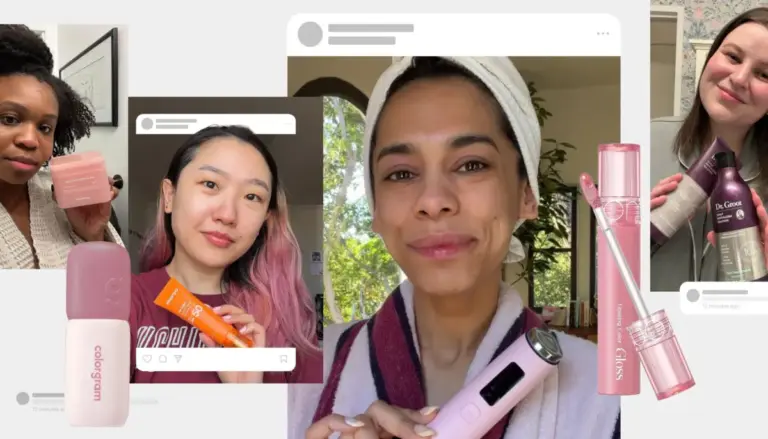
- 2020–Present (The TikTok Micro-Trend Economy): Short-form video platforms revolutionized product promotion. Success is no longer measured by long-term efficacy or product innovation, but by instantaneous visual transformation. Products are deliberately engineered to look mesmerizing on a 15-second loop—such as color-shifting creams or peel-off lip stains—regardless of their practical application in everyday life.
This algorithmic shift has accelerated the commercialization of single-use, redundant, and occasionally harmful cosmetic gimmicks. As beauty professionals note, the modern consumer is constantly bombarded with solutions to problems that marketing teams invented in the first place.
Supporting Context & Metrics: Unmasking the Marketing Gimmicks
Let’s examine the specific categories identified by our panel of professional makeup artists as financial drains and functional failures.
+-----------------------------------+-----------------------------------+-----------------------------------+
| Viral Product Category            | The Marketing Claim               | Professional Reality              |
+-----------------------------------+-----------------------------------+-----------------------------------+
| Color-Changing Sunscreens         | Adapts universally to any skin    | Causes gray or ashy undertones,   |
|                                   | tone while offering high SPF.     | particularly on deeper skin.      |
+-----------------------------------+-----------------------------------+-----------------------------------+
| Peel-Off Lip Tints                | Provides effortless, long-lasting | Time-consuming, messy, and risks  |
|                                   | lip color via a peelable film.    | damaging delicate lip skin.       |
+-----------------------------------+-----------------------------------+-----------------------------------+
| Specialized Freckle Pens          | Creates natural, sun-kissed       | Formulas bleed, slip, or dry down |
|                                   | faux freckles instantly.          | into unnatural orange hues.       |
+-----------------------------------+-----------------------------------+-----------------------------------+
| Eye and Lip Primers               | Essential barrier products to     | Highly redundant; standard facial |
|                                   | lock down specialized makeup.     | primers and concealers suffice.   |
+-----------------------------------+-----------------------------------+-----------------------------------+
| Makeup Sponges for Skin Tints     | Creates a seamless, airbrushed    | Absorbs expensive hybrid and      |
|                                   | skincare-infused liquid formulas. | skincare products, wasting money. |
+-----------------------------------+-----------------------------------+-----------------------------------+
| White Mascara Primers             | Boosts lash length and volume     | Clumps fibers and leaves a white  |
|                                   | beneath black mascara.            | residue difficult to cover.       |
+-----------------------------------+-----------------------------------+-----------------------------------+
| High-End Matte Setting Sprays     | Locks makeup in place all day     | Often alcohol-heavy, dehydrating, |
|                                   | using advanced formulas.          | and reliant on expensive water.   |
+-----------------------------------+-----------------------------------+-----------------------------------+
1. Color-Changing Sunscreens and Universal Moisturizers
TikTok feeds are inundated with demonstrations of white or green-tinted creams that miraculously transform into a skin-matching pigment upon rubbing. While dermatological content creators praise the novelty, professional makeup artists urge caution.
"Farbwechselnde Sonnen- und Feuchtigkeitscremes führen oft zu einem gräulichen Teint oder einem falschen Ton," warns Saffron Hughes, makeup artist at falseeyelashes.co.uk. This mismatch is particularly pronounced for individuals with deeper skin tones, where universal pigments fail to adjust accurately, resulting in an ashy or unnatural finish.
Furthermore, dermatologists emphasize that relying on tinted sunscreens or multi-tasking makeup products with SPF rarely provides the advertised protection. Users routinely under-apply tinted products because applying the necessary two-finger length of product would result in an unwearable, heavy cosmetic layer. The professional consensus: apply a dedicated, broad-spectrum sunscreen first, followed by a lightweight, reliable skin tint if coverage is desired.
2. Peel-Off Lip Tints
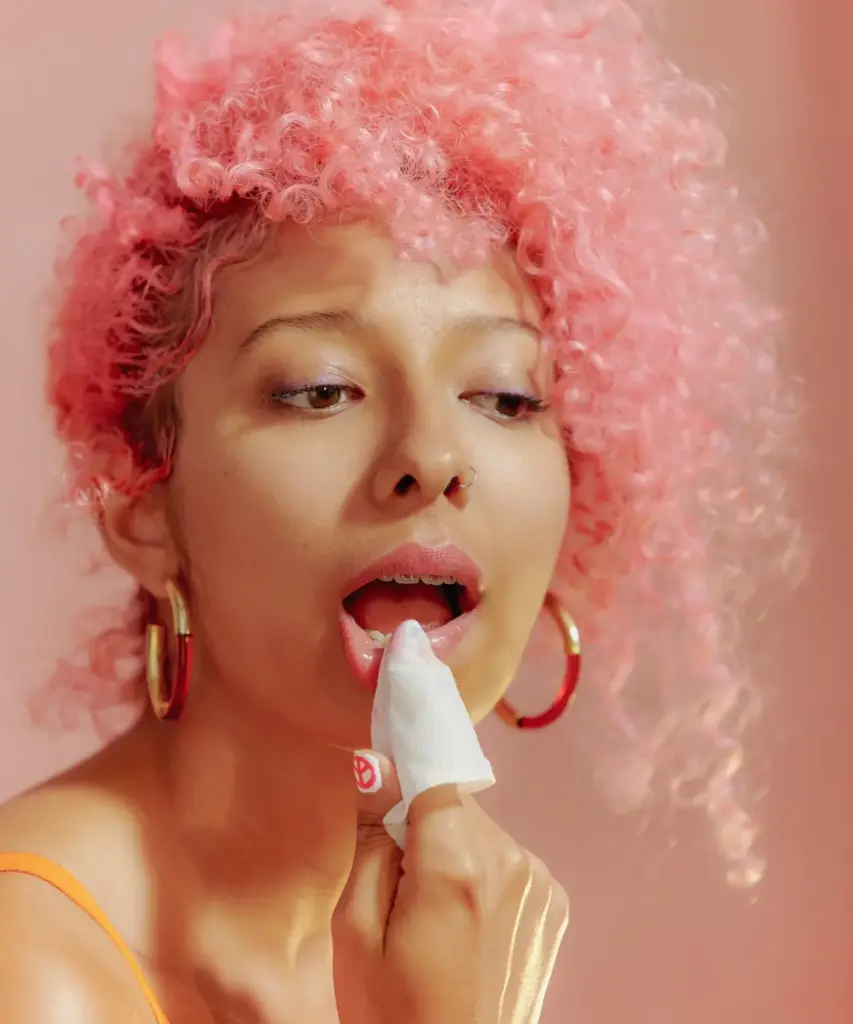
Designed exclusively to generate viral engagement, peel-off lip stains require users to paint a thick, dark gel across their lips, let it dry, and peel it off to reveal a tinted stain underneath.
According to makeup artist, columnist, and beauty editor Rose Gallagher, these products serve zero functional purpose outside of social media performance. "Niemand, der oder sie es morgens eilig hat, hat irgendwas von einer solchen abziehbaren Lippentönung," Gallagher notes. Beyond being inconvenient, they create unnecessary mess and carry the risk of lifting delicate lip skin, causing irritation. Standard, high-performance lip balms that react to skin pH offer superior hydration and tint without the theatrical cleanup.
3. Dedicated Freckle Pens
The faux-freckle trend remains resilient across digital platforms, prompting a surge in dedicated freckle markers and pens. However, professional artists advise bypassing these specialized tools entirely.
Scarlett Burton, a professional makeup artist, points out structural flaws in commercial freckle pens: "Jedes Mal, wenn ich jemanden einen solchen Stift habe benutzen sehen, ist die Farbe in der Haut verlaufen. Die Flecken bleiben dabei nie so definiert wie echte Sommersprossen." Moreover, many formulations oxidize over time, turning an unflattering, unnatural orange. Burton recommends using a standard, precise eyebrow pencil instead, which offers superior control, blendability, and color retention.
Official Statements and Professional Insights
The critique extends beyond complexion items into the realm of prep and setting products, where redundancy runs rampant.
The Myth of Specialized Eye and Lip Primers
Consumers are routinely told that standard face primers must never touch the delicate eye area, necessitating the purchase of dedicated eye primers. Hughes dismisses this as a marketing myth: "Es ist ein Irrglaube, dass Gesichts-Primer nicht ums Auge herum aufgetragen werden sollten. Wenn davon auf der Verpackung nicht explizit abgeraten wird, sind normale Primer auch für die Augenpartie geeignet." Because facial primers undergo rigorous safety testing, their smoothing and longevity-boosting properties work just as effectively around the eyes, saving consumers unnecessary expenditure.
Similarly, makeup artist Mira Parmar questions the necessity of lip primers. Claims that they extend lipstick wear and prep the lips remain largely unverified by clinical testing. Parmar suggests a simpler, more effective professional trick: "Als Alternative kannst du auch einfach deinen Concealer oder deine Foundation auf die Lippen auftragen, gefolgt von Lipliner und Lippenstift."
The Sponge Trap with Modern Skin Tints
The transition in the 2020s toward lightweight skin tints, tinted moisturizers, and hybrid skincare-makeup products has fundamentally altered application physics. Gallagher warns against using traditional beauty sponges with these fluid formulas: "Wenn du einen Schwamm für etwas benutzt, was eher in die Kategorie Skincare fällt, absorbiert der Schwamm das Produkt viel leichter. Das bedeutet: Du musst es häufiger nachkaufen." For lightweight formulas, switching to clean fingertips ensures that product is pressed into the skin rather than trapped inside a foam matrix, significantly extending the lifespan of your cosmetics.
Mascara Primers: An Unnecessary Extra Step
While white or tinted mascara primers claim to add dramatic length and volume, Hughes notes that they frequently create clumpy, unnatural textures. Because modern mascara formulations are engineered to independently lengthen, volumize, and separate lashes, adding a preliminary primer layer is generally redundant and increases the risk of product flaking throughout the day.
The Reality Behind Expensive Setting Sprays
Setting sprays command high retail prices, yet a close examination of their ingredient lists reveals that water is overwhelmingly the primary component. Furthermore, mattifying setting sprays often rely on high concentrations of alcohol, which can severely dehydrate the skin, causing tightness, flaking, and a dull complexion. Hughes recommends investing in a high-quality translucent setting powder instead, which locks makeup in place reliably without compromising skin hydration.
Future Outlook: Toward Conscious Beauty Consumption
As the beauty landscape matures, consumer awareness is shifting away from algorithmic hype and toward functional transparency. The era of buying specialized, single-use products for every micro-trend is facing a well-deserved reckoning.
Industry analysts predict several key shifts in consumer behavior over the coming years:
- Multi-Functional Minimalism: Consumers increasingly favor versatile, high-performing staples—such as skincare-infused skin tints and multi-use pencils—that reduce clutter and financial waste.
- Ingredient Literacy: Buyers are scrutinizing ingredient decks more closely, rejecting overpriced formulations whose primary active ingredient is water or denatured alcohol.
- Professional Accountability: Independent artists and reputable digital creators are holding brands accountable, prioritizing authentic performance over short-term viral stunts.
Ultimately, the most effective makeup routine is not the one dictated by the highest advertising budget or the most viral algorithm, but the one that respects your skin’s integrity, honors your personal routine, and honors your financial investment.