Executive Overview
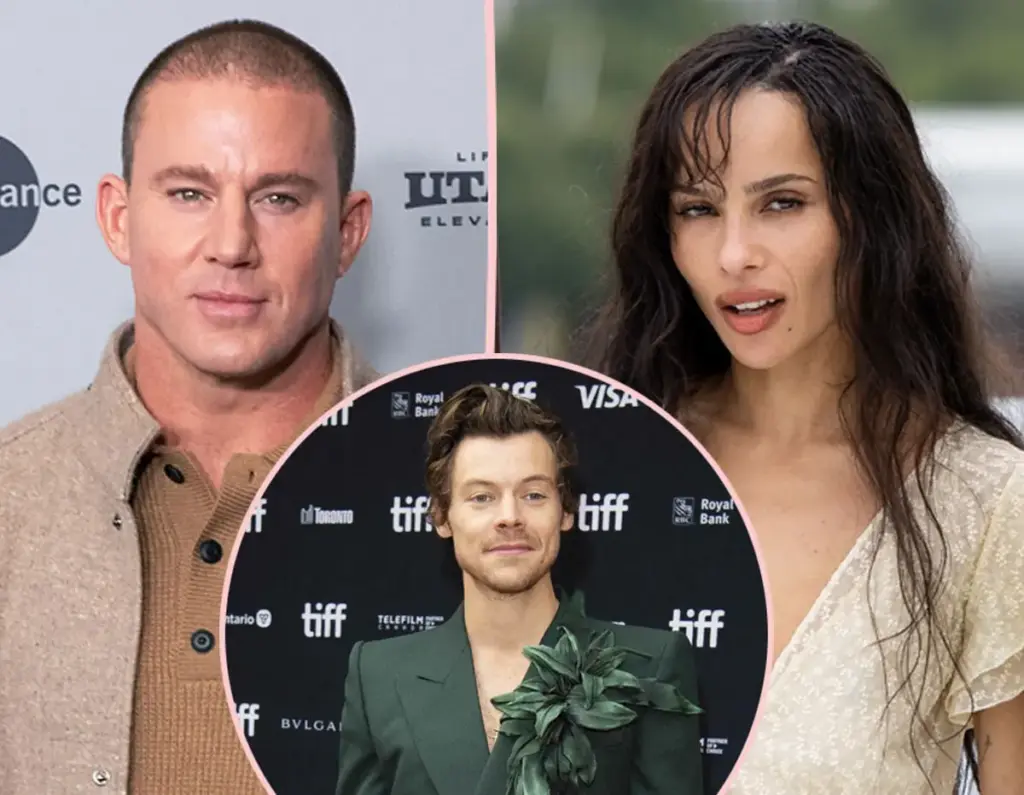
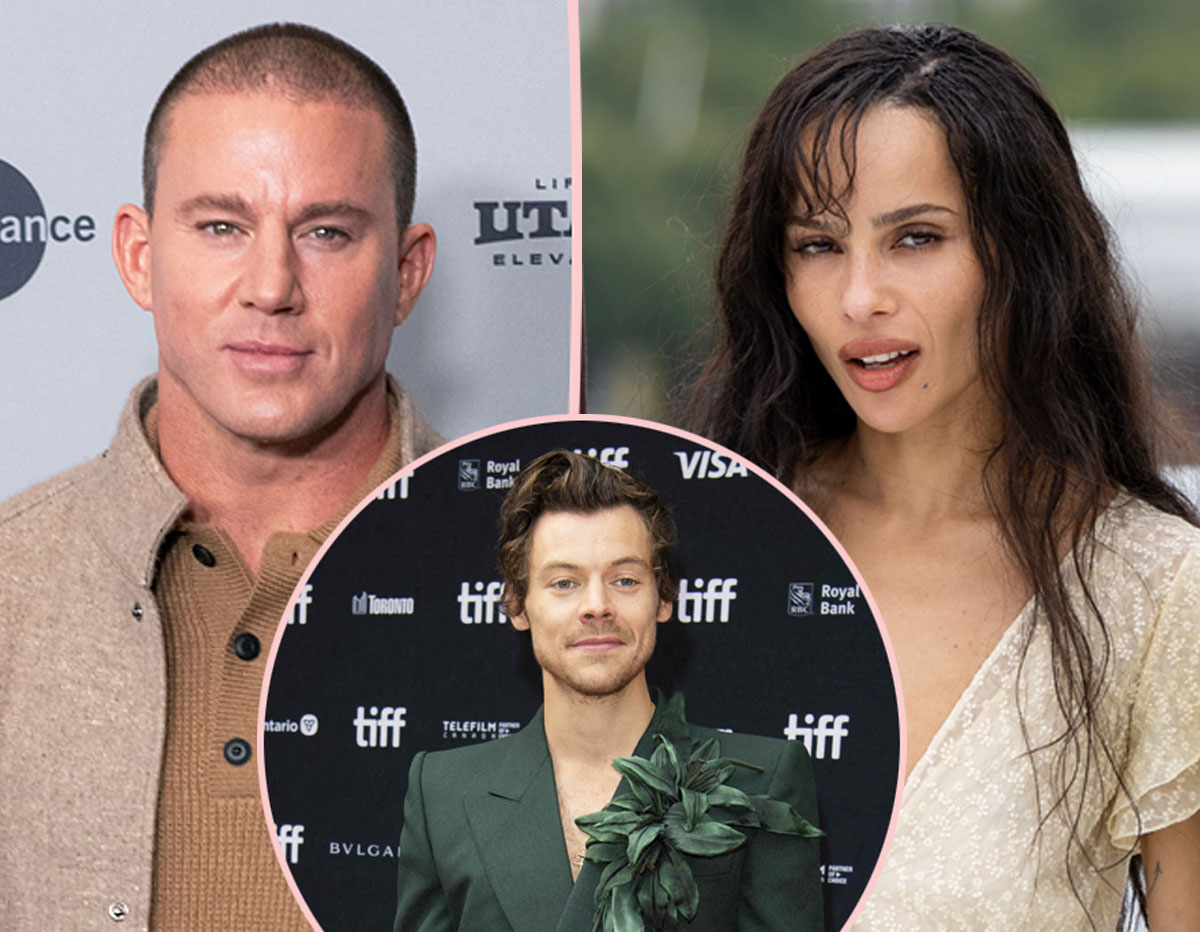
In an era where celebrity personal lives are scrutinized under the relentless magnifying glass of social media, the boundaries between public persona, private sentiment, and digital forgery have become increasingly blurred. A prominent contemporary case study of this phenomenon unfolded recently when actor Channing Tatum found himself forced to publicly address allegations that he was secretly operating an anonymous Instagram account—commonly referred to as a "finsta" (fake Instagram)—dedicated to criticizing his ex-fiancée, actor and director Zoë Kravitz, and her newly reported fiancé, pop icon Harry Styles.
The speculation reached a fever pitch over a single weekend as internet sleuths and pop-culture commentators dissected a series of highly specific, critical comments left by an anonymous handle across various viral entertainment posts. The commentary touched upon sensitive personal dynamics, ranging from creative working relationships to financial disputes involving Tatum’s past marriage to actress Jenna Dewan.
By Monday afternoon, Tatum utilized his official verified platform to forcefully deny ownership or involvement with the account, labeling the allegations "hilarious" while outlining the fundamental logical flaws in the internet’s detective work. This comprehensive report examines the timeline of events, analyzes the nature of the online discourse, contextualizes the controversy within the broader history of celebrity digital footprints, and evaluates the modern crisis-management strategies employed by high-profile figures facing viral disinformation.
Detailed Chronology: From Romantic Splintering to Digital Sleuthing
[Late-Summer 2026] ------------------> [September 19–20, 2026] ------------> [September 21, 2026]
Unconfirmed engagement reports        Viral discovery of anonymous           Tatum issues explicit denial
between Kravitz & Styles emerge;      account commenting on high-profile     via Instagram Stories; target
prior Tatum/Kravitz split remembered. entertainment news posts.            burner account deactivated.
To understand the velocity with which this controversy captured public attention, it is essential to trace the underlying timeline of relationships and the sudden convergence of digital fandoms.
The Breakup and the High-Profile Shift
Channing Tatum and Zoë Kravitz originally formed a close personal and professional bond during the production of the 2024 psychological thriller Blink Twice, which marked Kravitz’s directorial debut and featured Tatum in a lead role. Their subsequent engagement was widely covered by major entertainment media outlets as a major Hollywood union. However, following their eventual separation, public interest in their respective romantic trajectories remained extraordinarily high.
When reports began surfacing that Kravitz had moved on and subsequently become engaged to musician and actor Harry Styles, online fan communities dedicated significant energy to monitoring social media feeds for any implicit reactions from Tatum.
The Emergence of the Anonymous Account
During the third week of September 2026, social media users began tracking an unverified Instagram account that consistently appeared in the comment sections of popular media outlets reporting on the Kravitz-Styles relationship.
Unlike typical internet trolls who post generic insult messages, this specific account posted lengthy, highly specific paragraphs analyzing Kravitz’s personal character, comparing the public visibility of her current relationship against her former romance with Tatum, and offering defensive commentary regarding Tatum’s past personal life.
The narrative gained rapid traction across platforms such as TikTok, X (formerly Twitter), and Reddit, where users speculated that the detailed context and niche phrasing suggested the account belonged either to Tatum himself or an insider within his immediate inner circle.
Dissecting the Anonymized Rhetoric: Content Analysis & Digital Sleuthing
The comments left by the disputed account were characterized by a unique mixture of industry-insider language, defensive posturing, and hyper-analysies of past press interviews.
Key Commentary Breakdown
An examination of the primary statements captured by fans prior to the account’s deactivation reveals three primary rhetorical themes:
+-----------------------------------------------------------------------------------+
|                            THEMATIC CONTENT OF COMMENTS                           |
+-------------------------------------------------+---------------------------------+
| Theme Category                                  | Core Rhetorical Focus           |
+-------------------------------------------------+---------------------------------+
| 1. Disdain & Audience Engagement                | Expressing delight in anti-fans |
|                                                 | or negative commentary.         |
| 2. Re-interpretation of Past Press Statements   | Framing positive past quotes    |
|                                                 | as subtle personal critiques.   |
| 3. Defensive Personal & Financial History       | Defending Tatum's finances and  |
|                                                 | past marital dissolution.       |
+-------------------------------------------------+---------------------------------+
1. Deliberate Antagonism
In response to posts detailing public backlash or media debates regarding Kravitz and Styles, the account openly acknowledged its presence for the purpose of observing negative commentary, writing:
"Just here for the hate [sipping soda/tea emoji]"
2. Re-interpretation of Past Press Quotes
In one of the most widely shared comments, the user seized upon a specific phrase Tatum had famously used during press junkets for Blink Twice, in which he praised Kravitz’s dedication by describing her as "the most intentional person" he knew. The anonymous commenter reframed this quote through a cynical lens:
"When I see these two I think back at how her former fiancé called her the most intentional person he knows. I wonder how contextual he was being… To me intentional = calculated. He was speaking in terms of film-making but leaning towards her as a person in general too. Now she is constantly spotted with Harry compared to the ex who we heard about long before they were seen together. And when they were seen together it was far less frequent."
3. Financial Defense and Personal Past
The account also waded into Tatum’s former marriage to actress Jenna Dewan, drawing explicit comparisons between his past relationships while characterizing Styles’ romantic history:
"His ex wife tried to grift his money, Zoe knew she was too much of a free bird to settle down and this one is an adult. Let that man sow his wild oats in peace"
Additionally, digital sleuths noted that while the account routinely posted critical remarks about Kravitz and Styles, it consistently left glowing, protective remarks on posts focused entirely on Tatum’s career achievements and public appearance.
The Mechanics of Internet Sleuthing
The theory that the account belonged to Tatum gained widespread traction due to classic digital breadcrumbs that often fuel online outrage cycles:
- Algorithmic Proximity: Users claimed the account appeared high in comment threads due to mutual connections or engagement patterns.
- Follower Connections: Screenshots circulated purporting to show that Tatum’s official account—or accounts associated with his close associates—followed the anonymous handle.
- Linguistic Markers: Commenters argued that the vocabulary used aligned with Tatum’s public speaking style, despite a lack of empirical linguistic verification.
Supporting Context & Historical Precedents
The swift viral escalation of the Tatum "finsta" narrative did not occur in a vacuum. It relies on a long history of public figures who were caught—or accused of—using secondary accounts to defend their public reputation, attack rivals, or influence public narratives.
+---------------------------------------------------------------------------------------+
|                    HISTORICAL PRECEDENTS OF CELEBRITY BURNER ACCOUNTS                  |
+-------------------+-------------------+-----------------------------------------------+
| Individual        | Domain            | Incident Context                              |
+-------------------+-------------------+-----------------------------------------------+
| Kevin Durant      | Professional Sports| Admitted to using secondary Twitter accounts |
|                   | (NBA)             | to defend his career decisions to critics.   |
+-------------------+-------------------+-----------------------------------------------+
| Bryan Colangelo   | Sports Executive  | Linked to secret Twitter accounts used to     |
|                   | (NBA)             | criticize players and leak medical info.      |
+-------------------+-------------------+-----------------------------------------------+
| Various Hollywood | Entertainment     | Widespread use of "finstas" for private social|
| Figures           |                   | sharing, occasionally subject to leaks.       |
+-------------------+-------------------+-----------------------------------------------+
Because genuine instances of celebrities operating secret accounts have been proven in the past, internet audiences possess a heightened confirmation bias. When an anonymous account demonstrates detailed knowledge of an A-list relationship, the public is primed to assume authentic celebrity involvement rather than third-party impersonation or sophisticated trolling.
Official Statements & Public Relations Damage Control
Recognizing that allowing the narrative to linger over the week could cause permanent damage to his professional reputation and personal relationships, Channing Tatum addressed the situation directly through his official Instagram Stories on Monday afternoon, September 21, 2026.
+-----------------------------------------------------------------------------------+
|                            OFFICIAL DENIAL STATEMENT                              |
+-----------------------------------------------------------------------------------+
| "Yo i truly can’t believe yall think this is what I’m doing with my free time.    |
| Fuckin hilarious. Also why would I follow a burner account if I didn’t want       |
| people to connect me to it? Wtf come on. But if I really need to say it, I only  |
| have one IG account @channingtatum"                                               |
|                                                                                   |
| — Channing Tatum via Instagram Stories (Sept 21, 2026)                            |
+-----------------------------------------------------------------------------------+
Analysis of Tatum’s Crisis Communication Strategy
Tatum’s public response provides a clear case study in contemporary celebrity reputation management. His communication strategy relied on several key tactical pillars:
                             [Crisis Response Pillars]
                                        │
         ┌──────────────────────────────┼──────────────────────────────┐
         ▼                              ▼                              ▼
 [Humor & Dismissal]           [Logical Refutation]          [Single Source of Truth]
 Direct framing of the         Highlighting operational       Re-establishing his
rumor as absurd. illogic (following self). verified handle.- Direct Tone and Language: Rather than issuing a polished, sterile statement written by a third-party public relations agency, Tatum utilized casual, conversational language ("Yo", "Fuckin hilarious", "Wtf come on"). This reinforced authenticity and projected genuine bewilderment rather than calculated damage control.
- Logical Dismantling: Tatum pointed out the fatal flaw in the sleuths’ narrative logic: if a high-profile celebrity were deliberately attempting to hide a burner account, they would not follow that account from their public, multi-million-follower verified profile.
- Establishment of Definitive Digital Identity: By explicitly declaring, "I only have one IG account @channingtatum," he drew a firm boundary line, revoking legitimacy from any present or future accounts claiming to speak on his behalf.
Following Tatum’s public statement, the controversial burner account was abruptly deactivated, leaving behind no active digital footprint on the platform.
Metric Analysis: The Mechanics of Viral Rumors
The spread of social media rumors involving celebrity feuds typically follows an exponential growth curve driven by engagement algorithms. The chart below illustrates the structural life cycle of the Tatum burner account controversy over its short, high-intensity run:
Engagement Level
  ▲
  │                                    [Peak Viral Velocity]
  │                                    TikTok/X threads explode;
  │                                    Media outlets report rumor.
  │                                           ┌─┐
  │                                          ┌┘ └┐
  │                                         ┌┘   └┐
  │                   [Initial Discovery]  ┌┘     └┐ [Official Denial]
  │                   Finsta comments      │       │ Tatum posts story;
  │                   highlighted by fans. │       │ account deactivated.
  │                           ┌────────────┘       └─────────────┐
  │                           │                                  └───┐
  │  [Dormant Phase]          │                                      └───────►
  └───  Low-level comments ───┘                                        Resolution
  ──────────────────────────────────────────────────────────────────────────► Time
     Fri Sept 18          Sat Sept 19          Sun Sept 20       Mon Sept 21
Key Data Insights:
- Algorithmic Amplification: Comments containing emotionally charged keywords (e.g., "grift," "calculated," "hate") achieve higher visibility scores, driving fan engagement before identity can be verified.
- Lifespan of Unverified Rumors: Without a official statement, rumors of this nature can persist indefinitely within algorithmic recommendation loops. Tatum’s intervention within 48 hours effectively truncated the narrative cycle.
Future Outlook: The Evolution of Celebrity Anonymity and Fan Sleuthing
The incident involving Channing Tatum highlights a systemic challenge facing modern public figures: the vulnerability of high-profile narratives to coordinated digital impersonation and speculation.
Modern PR Challenges
- The Weaponization of "Finstas": As digital literacy among the general public increases, malicious actors can easily mimic the syntax, posting schedules, and engagement patterns of celebrities to create convincing fake accounts designed entirely to stir up media controversy.
- The Shift in Investigative Fan Culture: Online communities increasingly operate as decentralized investigative units. While this can foster deep fan engagement, it frequently results in false positives, misattribution of digital evidence, and real-world reputational damage.
- The Imperative of Rapid Response: The Tatum incident demonstrates that the traditional public relations strategy of "ignore it and it will go away" is rapidly becoming obsolete. In a media ecosystem fueled by real-time viral dynamics, swift, direct, and authentic communication from the individual’s primary verified channel remains the most effective tool to neutralize digital misinformation.
As platforms evolve and AI-generated text and media become more prevalent, the line between authentic celebrity communication and fabricated digital footprints will continue to thin. For public figures like Tatum, maintaining total control over their digital narrative requires constant vigilance in an environment where a single anonymous comment can ignite a global news cycle.