Executive Overview
As the crisp air of autumn settles in, the annual ritual of wardrobe transition brings a familiar psychological tug-of-war for the modern consumer. On one side lies the lingering, effortless nostalgia of summer—its lightweight linens, sun-bleached palettes, and uninhibited silhouettes. On the other side stands the architectural demand of a new season: rich textures, structured layering, and the perpetual quest for a cohesive, sophisticated look. For the average fashion enthusiast, building an entirely new capsule wardrobe from scratch each year is an economic impossibility, particularly amid fluctuating global living costs and tightening personal budgets.
Enter the high-street retail pivot. In an era where trend cycles spin at a dizzying velocity, strategic shopping is no longer just a preference; it is an economic and stylistic necessity. Fast-fashion giants are under intense scrutiny to move past ephemeral, micro-trend production and pivot toward longevity, versatility, and elevated design aesthetics.
H&M’s latest autumn collection arrives at this critical intersection. Rather than leaning exclusively into fleeting internet fads, the brand’s newest arrivals curate a delicate balance between contemporary statement details—such as dramatic funnel necks, subtle bohemian undertones, and precise tailoring—and timeless, foundational silhouettes. Most notably, this curation addresses a growing consumer demand: luxury-appearing garments at accessible, democratic price points. By focusing on rich fabrications, clean lines, and high-versatility items, H&M’s autumn drop challenges the traditional boundary between high-street affordability and high-end aesthetic execution. This deep-dive report examines the macro-trends shaping the season, the economic realities of building a modern capsule wardrobe, and an exhaustive breakdown of the ten standout pieces currently redefining affordable autumn style.
Detailed Chronology: The Evolution of Fall Style Paradigms
The trajectory of autumn fashion over the past decade has shifted from predictable seasonal uniformity to a chaotic, pluralistic collage of micro-trends, largely catalyzed by social media algorithms and hyper-accelerated digital consumption. Understanding how H&M’s current drop fits into the broader fashion ecosystem requires charting the modern timeline of trend adoption.

The Death of the Monolithic Trend Cycle
Historically, a single silhouette or color palette would dominate an entire autumn season—think of the ubiquitous burgundy boots of the early 2010s or the heavy reliance on camel coats in subsequent years. However, the democratization of style through platforms like TikTok, Instagram, and Pinterest has fractured the trend landscape. Today, multiple contradictory aesthetics run parallel to one another.
At the start of the decade, pandemic-era loungewear reigned supreme, prioritizing comfort above all else. As society reopened, a sharp pendulum swing occurred, introducing the hyper-revealing, nostalgic wave of Y2K fashion—low-rise waists, butterfly motifs, and synthetic finishes. Simultaneously, a counter-movement emerged: the quiet luxury and minimalist movements, which championed architectural tailoring, neutral color palettes, and understated silhouettes reminiscent of the mid-1990s.
The Current Clash of Contrasts
Entering the current autumn season, fashion finds itself at a fascinating crossroads defined entirely by paradoxes. On one hand, an elegant, highly ladylike aesthetic is experiencing a massive resurgence. Inspired by vintage couture codes, this movement favors structured jackets, delicate collars, refined pleats, and polished footwear like heeled ballerinas and structured loafers. It is an aesthetic rooted in order, propriety, and timeless grace.
Conversely, the restless ghost of Y2K refuses to fully dissipate, injecting occasional rebellious flashes into contemporary styling. Alongside it, the bohemian revival—championed by luxury houses and trickling down to mass-market retailers—brings romantic lace, flowing ruffles, and intricate texturing back into the fold. Yet, this delicate femininity is sharply countered by the enduring popularity of oversized, masculine-cut outerwear and heavy tailoring, proving that modern consumers refuse to lock themselves into a single stylistic box.

Navigating the Noise: The Rise of Anti-Trend Dressing
Faced with this overwhelming barrage of aesthetic choices, consumers are increasingly experiencing trend fatigue. The pressure to constantly purchase new items to keep up with shifting digital moods has led to a counter-movement: anti-trend dressing.
Shoppers are actively seeking pieces that transcend the weekly algorithmic cycle. They want garments that can anchor a wardrobe for years rather than months. This structural shift explains why high-street brands are increasingly investing in elevated basics—items that possess a classic foundation but are updated with subtle, modern twists. H&M’s current strategy directly reflects this evolution, prioritizing transitional pieces that bridge the gap between seasonal novelty and long-term utility.
Supporting Context & Metrics: The Economics of the Capsule Wardrobe
To fully appreciate the significance of H&M’s autumn drop, one must examine the macroeconomic environment governing consumer spending habits, the mechanics of capsule wardrobes, and the psychology behind "looking expensive."
The Modern Capsule Wardrobe Phenomenon
First coined in the 1970s by London boutique owner Susie Faux and later popularized globally by designer Donna Karan, the "capsule wardrobe" concept relies on a minimalist collection of versatile, high-quality garments that can be mixed and matched to create an array of outfits. The primary goal is to maximize utility while minimizing clutter and financial waste.

In contemporary culture, the capsule wardrobe has evolved into a symbol of sustainable, intentional living. Market research indicates that modern consumers—particularly Millennials and Gen Z—are increasingly aware of the environmental tolls associated with overconsumption and fast-fashion waste. However, a major barrier to entry has always been the upfront cost. Building a traditional, high-end capsule wardrobe featuring sustainable, luxury labels can easily run into thousands of dollars.
| Wardrobe Component | Traditional Luxury Cost (USD) | High-Street Alternative (H&M) Cost (USD) | Estimated Cost Savings (%) |
|---|---|---|---|
| Tailored Outerwear | $600 – $1,500 | $75 – $120 | ~85% – 90% |
| Knitwear / Sweaters | $250 – $600 | $30 – $50 | ~80% – 88% |
| Versatile Blouses | $180 – $400 | $25 – $50 | ~75% – 87% |
| Structured Trousers | $220 – $500 | $40 – $50 | ~80% – 90% |
| Transitional Dresses | $300 – $800 | $50 – $90 | ~80% – 85% |
As illustrated above, high-street brands like H&M fill a crucial economic gap, offering consumers the structural framework of a capsule wardrobe at a fraction of the cost.
The Psychology of "Looking Expensive"
What makes a garment look luxurious? According to fashion psychologists and industry stylists, perceived value is rarely dictated solely by a brand label or a high price tag. Instead, it relies on three core pillars:
- Fabric Composition and Texture: Materials that mimic natural fibers—such as fluid satins, fine-knit wool blends, and structured twills—reflect light and drape the body in a way that cheap synthetics cannot.
- Tailoring and Fit: Clean lines, precise darts, and well-proportioned seams create a silhouette that appears custom-made rather than mass-produced.
- Restraint in Design: True luxury often whispers rather than shouts. Garments that eschew loud logos in favor of interesting structural details—such as a shawl collar, a delicate tie-detail, or a sophisticated funnel neck—convey an inherent sense of chic refinement.
H&M’s latest collection leverages these exact psychological triggers, utilizing sophisticated color palettes (deep grays, warm neutrals, and rich textures) to elevate lower-priced materials into high-impact fashion statements.

Official Statements & Design Philosophy
While fast-market retailers traditionally operate behind closed corporate doors, recent shifts in consumer demand for transparency have pushed brands to articulate their design philosophies more clearly. Industry insiders and trend analysts tracking H&M’s recent creative direction note a deliberate pivot toward "elevated everyday dressing."
In recent corporate communications regarding their seasonal design strategies, H&M’s merchandising teams have emphasized a commitment to bridging the gap between runway aesthetics and everyday wearability. A senior design representative noted:
"Our focus for the upcoming seasons is not merely to replicate trends, but to deconstruct them into wearable, foundational elements. The modern consumer wants intelligence in their wardrobe—pieces that transition effortlessly from a morning professional setting to an evening social engagement without requiring a complete outfit change. By investing in superior finishes, tactile fabrications, and timeless silhouettes, we aim to deliver a luxury hand-feel accessible to all."
This philosophy is evident in the meticulous curation of the brand’s New In section, where classic architectural shapes are subtly injected with modern design quirks—proving that economic accessibility does not have to come at the expense of sartorial vision.

Future Outlook: The Next Era of High-Street Fashion
As we look toward the future of retail and personal style, several macro-trends are set to redefine how we shop, dress, and perceive value.
The Convergence of Tech and Circularity
The future of fast-accessible fashion will inevitably be dictated by sustainability and technological innovation. With tightening global regulations regarding textile waste and carbon footprints, high-street giants are under immense pressure to reform their supply chains. We can expect to see a greater emphasis on recycled materials, biodegradable textiles, and circular fashion initiatives—such as in-store recycling programs and resale platforms integrated directly into retail apps.
The Longevity Mandate
Consumers are becoming increasingly discerning, learning to spot poor construction and fleeting gimmicks. Consequently, brands that succeed in the coming decade will be those that champion durability and timeless design. The capsule wardrobe will cease to be a niche lifestyle trend and become the default standard for consumer purchasing behavior.
In this landscape, the lines between high-end designers and high-street purveyors will continue to blur. High-street brands will increasingly function as curators of essential wardrobe building blocks, leaving hyper-specific micro-trends to the ultra-fast-fashion digital-native startups.
.png)
The Curated Edit: 10 H&M Pieces Defining the Season
For fashion enthusiasts eager to upgrade their autumn wardrobes without breaking the bank, H&M’s current arrivals offer an masterclass in affordable luxury. Below is an exhaustive breakdown of the 10 standout pieces currently dominating style wishlists.
1. The H&M Satin Blouse ($25)
A masterclass in fluidity and light-reflection. This blouse instantly elevates any denim or tailored trouser combination. The rich satin finish mimics high-end silk, providing an effortless transition from day to night.
2. The Fine-Knit Mock Turtleneck Sweater ($40)
A quintessential autumn layering piece. The fine-knit texture ensures it sits smoothly under blazers or structured jackets without adding bulk, while the mock turtleneck introduces an air of intellectual sophistication.
3. The Tie-Detail Jumper ($299 / Premium Knit Line)
Blending comfort with a high-fashion structural twist, this jumper features delicate tie details that elevate it far beyond a standard weekend sweater. It bridges the gap between cozy seasonal knitwear and avant-garde design.
.png)
4. The Dual-Fabric Strappy Dress ($90)
A brilliant exercise in textural contrast. By combining disparate fabric weights in a single silhouette, this slip-style dress offers a modern nod to ’90s minimalism while remaining completely fresh for the current season.
5. The Straight-Leg Twill Pants ($50)
Twill provides a heavier, more structured drape than standard cotton, making these straight-leg pants an ideal autumn staple. They offer the polish of traditional suiting with the ease of everyday casual wear.
6. The Classic Mock Turtleneck Sweater ($50)
A heavier-gauge sibling to the fine-knit variant, this piece serves as a heavy-duty anchor for colder days. Its relaxed yet refined cut makes it an indispensable component of any minimalist capsule wardrobe.
7. The Short Rope-Detail Jacket ($75)
Outerwear is often where budget constraints become most obvious, but this short jacket defies its price point. Featuring intricate rope-detailing and a sharp, cropped silhouette, it delivers major designer energy.

8. The Peplum Blouse with Shawl Collar ($50)
Merging the ladylike aesthetic with architectural tailoring, this peplum blouse features a dramatic shawl collar that frames the face and shoulders with striking elegance. It is an instant outfit-maker when paired with sleek trousers.
9. The Straight-Leg Pants ($40)
An accessible tailoring triumph. These pants feature a clean, elongated straight-leg cut that flatters various body types while providing maximum styling versatility, pairing equally well with loafers or pointed-toe heels.
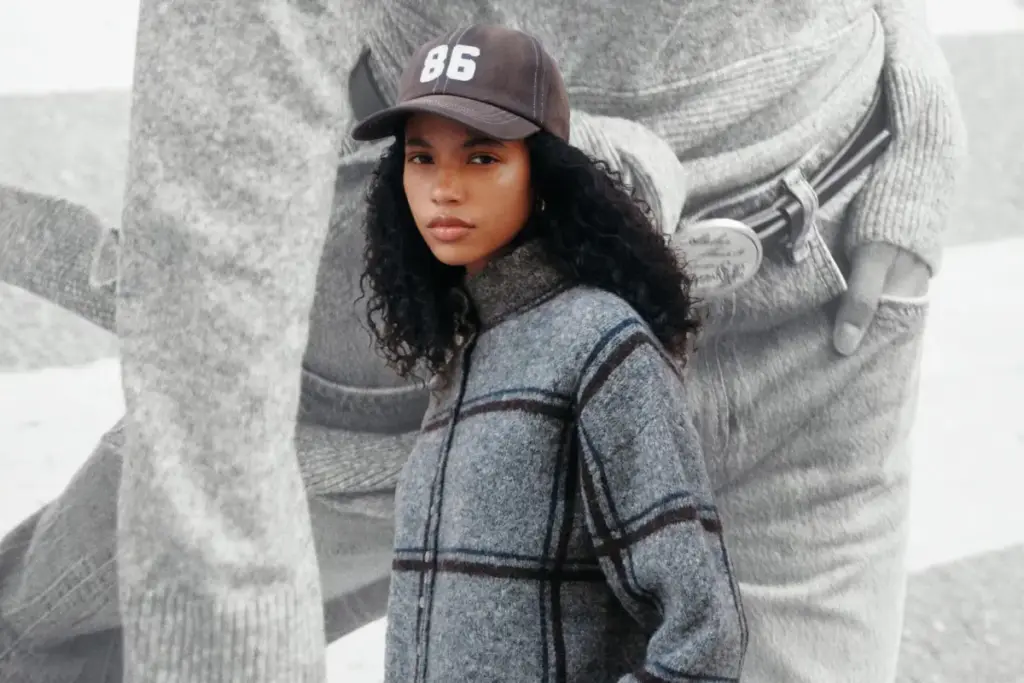
10. The Gray Melange Sweater ($30)
Gray melange is the unofficial neutral of the season, offering depth and softness that solid gray lacks. This budget-friendly knit provides unmatched versatility, cementing its status as an absolute essential for transitional weather dressing.
Conclusion
Building a sophisticated, expensive-looking autumn wardrobe does not require an unlimited budget or a complete overhaul of one’s financial priorities. As H&M’s latest collection demonstrates, the secret lies in strategic curation: selecting pieces that balance timeless architectural foundations with modern, thoughtful details. By focusing on rich textures, versatile silhouettes, and elevated neutrals, high-street fashion continues to prove that style is not defined by a price tag, but by the intelligence of the eye behind the curation.